Ryman Auditorium
Prima di diventare la 'Mother Church of Country Music', questo celebre locale serviva a uno scopo molto diverso.
La storia completa si sblocca nel tour
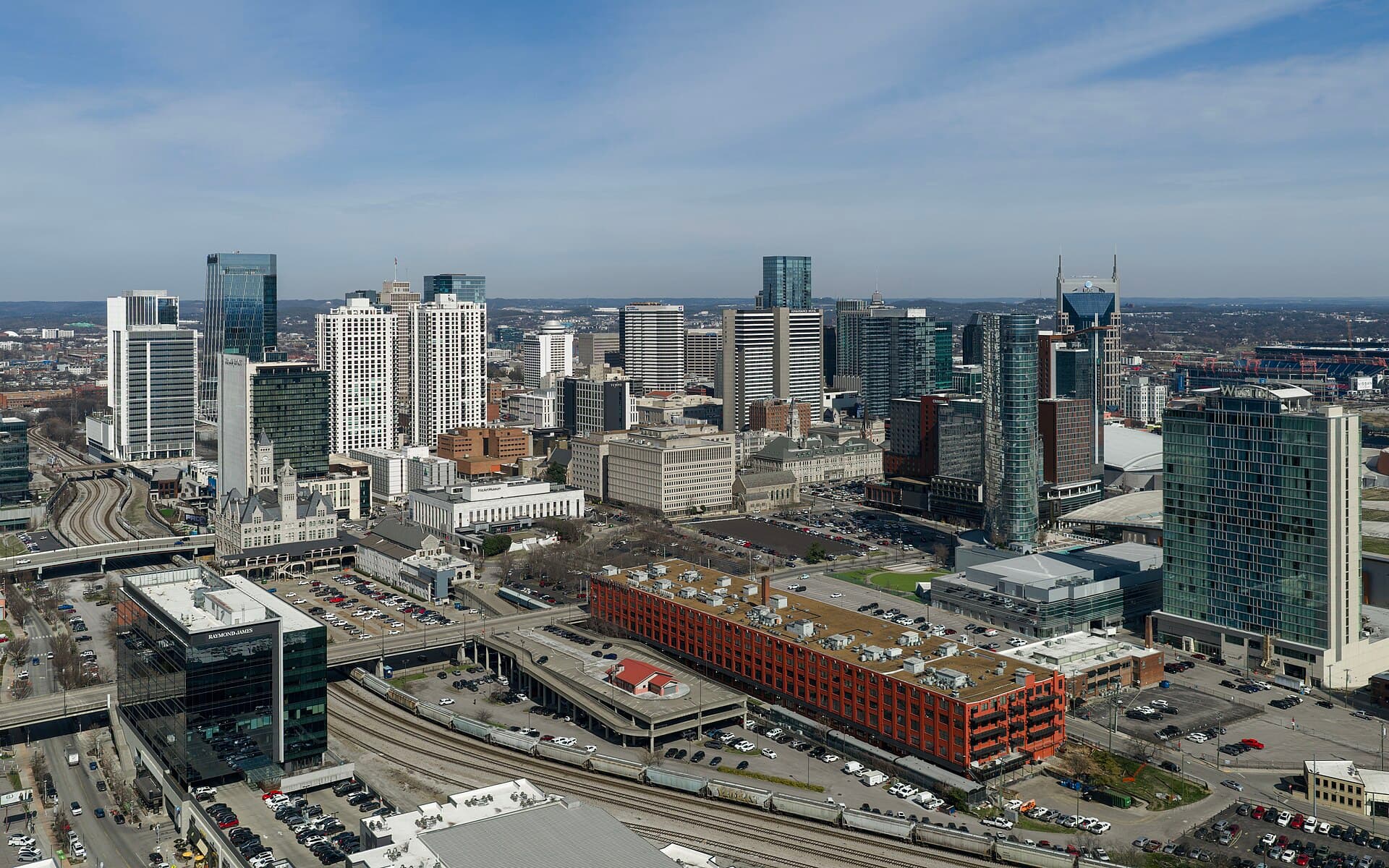 Quintin Soloviev / CC BY 4.0, via Wikimedia Commons
Tour audio autoguidato di Nashville — percorso GPS a piedi, riproduzione offline, narrazione coinvolgente in 32 lingue.
“Oltre il bagliore al neon, Nashville risuona di storie mai raccontate.”
Non le cartoline. Le storie che nemmeno i locali conoscono — sussurrate nel tuo orecchio, proprio dove sono accadute.
Prima di diventare la 'Mother Church of Country Music', questo celebre locale serviva a uno scopo molto diverso.
Questo grandioso hotel ha svolto un ruolo fondamentale e piuttosto drammatico nell'ottenere il diritto di voto alle donne in tutti gli Stati Uniti.
L'architettura di Music Row, il cuore dell'industria musicale di Nashville, nasconde un sorprendente segreto sui suoi primi giorni.
Scopri ogni segreto di Nashville
Ogni indirizzo, ogni rivelazione completa — nel tuo orecchio, proprio dove è accaduta.
Scegli le tue tappe. Cammini. La voce rivela ciò che gli altri perdono.


Lume include una guida in realtà aumentata. Alza il telefono: la fotocamera mostra la strada davanti a te, con una freccia luminosa sovrapposta all'immagine reale che punta sempre verso la tua prossima tappa — nessuna mappa da decifrare, nessuna svolta sbagliata. Come tutto in Lume, funziona completamente offline.
Nashville, spesso chiamata 'Music City', è un vivace centro del Tennessee, riconosciuto per le sue profonde radici nella musica country, l'intrattenimento dal vivo e una scena culinaria in crescita. Fondata alla vigilia di Natale del 1779, la città si è evoluta da un insediamento di frontiera a una grande area urbana, attirando visitatori con il suo particolare mix di storia, cultura e ospitalità del Sud.
Oltre alle luci sfavillanti di Broadway e ai suoi honky-tonk, Nashville offre una vasta gamma di esperienze. Dall'esplorazione delle dimore presidenziali storiche alla visita di una replica in scala reale del Partenone, la città sorprende costantemente. È un luogo dove gli echi di musicisti leggendari si fondono con l'energia di artisti contemporanei, e dove l'ospitalità del Sud è sempre presente.
Prima dell'insediamento europeo, l'area che oggi comprende il centro di Nashville era chiamata French Lick dai commercianti francesi, che stabilirono un posto intorno al 1714. Il nome derivava dalle sorgenti saline che attiravano gli animali, creando saline naturali, e l'area era un importante punto di scambio con le comunità native americane.
Il primo insediamento europeo permanente fu stabilito alla vigilia di Natale del 1779 da James Robertson e un gruppo di pionieri, che costruirono una palizzata di tronchi chiamata Fort Nashborough, in onore dell'eroe della Guerra d'Indipendenza americana, il generale Francis Nash. Nel 1784, il nome dell'insediamento fu ufficialmente cambiato da Nashborough a Nashville, forse a causa di sentimenti anti-britannici.
La posizione strategica di Nashville sul fiume Cumberland e il suo successivo status di importante centro ferroviario alimentarono la sua rapida espansione. Nel 1806, fu incorporata come città e divenne la sede della contea di Davidson. Nel 1843, Nashville fu designata capitale permanente del Tennessee.
Durante la Guerra Civile, Nashville ebbe la sfortunata distinzione di essere la prima capitale confederata a cadere nelle truppe dell'Unione nel 1862. Tuttavia, giocò anche un ruolo significativo in una delle più grandi vittorie tattiche dell'esercito dell'Unione, la Battaglia di Nashville nel dicembre 1864.
La città ottenne il suo soprannome duraturo, 'Music City', negli anni '70 del XIX secolo, dopo che i Fisk Jubilee Singers, un gruppo della Fisk University di Nashville, impressionarono la regina Vittoria con il loro talento, portandola a commentare che dovevano provenire da 'una città di musica'. Questa designazione fu ulteriormente consolidata dall'ascesa della musica country a metà del XX secolo, con Music Row che divenne il cuore dell'industria.
Nashville giocò anche un ruolo cruciale nel movimento per il suffragio femminile. Nell'agosto 1920, il Tennessee divenne il 36° e ultimo stato necessario per ratificare il 19° Emendamento, che concedeva alle donne il diritto di voto. Gli intensi sforzi di lobbying delle suffragiste e delle anti-suffragiste confluirono a Nashville, rendendola l'epicentro di questa storica vittoria.
Inizia la tua esplorazione nel centro di Nashville, dove gli honky-tonk di Broadway offrono musica dal vivo dal mattino fino a tarda notte. Per un'immersione più profonda nella storia della musica, visita il Country Music Hall of Fame and Museum, la cui architettura riflette sottilmente i suoi contenuti musicali. A pochi passi si trova il Ryman Auditorium, la 'Mother Church of Country Music', un locale leggendario che ospita diversi spettacoli.
Fai un salto indietro nel tempo a The Hermitage, l'ex tenuta del presidente Andrew Jackson, una delle case presidenziali più visitate del paese. Per una sorprendente meraviglia architettonica, dirigiti verso il Centennial Park per vedere l'unica replica in scala reale del Partenone greco antico al mondo, completa di un'imponente statua di Atena alta 42 piedi.
Esplora Music Row, il cuore dell'industria discografica di Nashville, dove sono nati molti successi iconici. Sebbene molti studi non siano aperti al pubblico, il significato storico dell'area è evidente. Per un diverso tipo di storia, visita la stanza 'Votes for Women' della Biblioteca Pubblica di Nashville, una mostra permanente che celebra il ruolo fondamentale di Nashville nella ratifica del 19° Emendamento.
I periodi migliori per visitare Nashville sono la primavera (marzo-maggio) e l'autunno (fine settembre-novembre), quando il clima è piacevolmente mite, ideale per le attività all'aperto e per esplorare la città a piedi. La primavera porta paesaggi fioriti e un'atmosfera vivace con vari eventi, sebbene la pioggia occasionale sia comune. L'autunno offre temperature più fresche, fogliame colorato e meno folla, rendendolo perfetto per tour a piedi e concerti all'aperto.
Le estati (giugno-agosto) sono calde e umide, con temperature che spesso raggiungono i 32°C, ma questa è anche l'alta stagione per festival musicali e vita notturna. Gli inverni (dicembre-febbraio) sono generalmente miti, con massime medie tra i 4°C e i 10°C, offrendo un'esperienza più tranquilla con meno folla e spesso tariffe alberghiere più basse, soprattutto al di fuori dei fine settimana festivi.
L'aeroporto internazionale di Nashville (BNA) si trova a circa 13 miglia dal centro. Il modo più economico per raggiungere il centro è tramite l'autobus WeGo Public Transit Route 18, che costa 2 dollari e impiega circa 32-55 minuti. Anche i servizi di ride-sharing come Uber e Lyft sono facilmente disponibili, con costi tra i 15 e i 28 dollari e tempi di percorrenza di 15-25 minuti. I taxi offrono una tariffa fissa di circa 30-40 dollari tra l'aeroporto e il centro.
Una volta in città, il centro di Nashville, The Gulch e Germantown sono generalmente percorribili a piedi. WeGo Public Transit gestisce 27 linee di autobus locali e nove linee regionali, con un pass di 2 ore che costa 2 dollari e un pass giornaliero per 4 dollari. Il treno pendolare WeGo Star circola durante le ore di punta nei giorni feriali, collegando Lebanon al centro.
L'etichetta delle mance a Nashville segue le consuetudini standard degli Stati Uniti (15-20% per il servizio). Sebbene non ci sia un codice di abbigliamento rigoroso per la maggior parte dei locali di musica, molti visitatori optano per un abbigliamento smart casual, soprattutto per gli spettacoli serali. Per gli honky-tonk, l'abbigliamento casual è perfettamente accettabile.
Nashville — coreano, cinese, ebraico e altre 29 lingue, ogni tappa narrata da una voce madrelingua. La più ampia scelta di lingue tra i tour audio autoguidati.
Disponibile in: