Netanya City Market
Questo vivace mercato nasconde un ingrediente speciale oltre ai suoi prodotti freschi e alle spezie.
La storia completa si sblocca nel tour
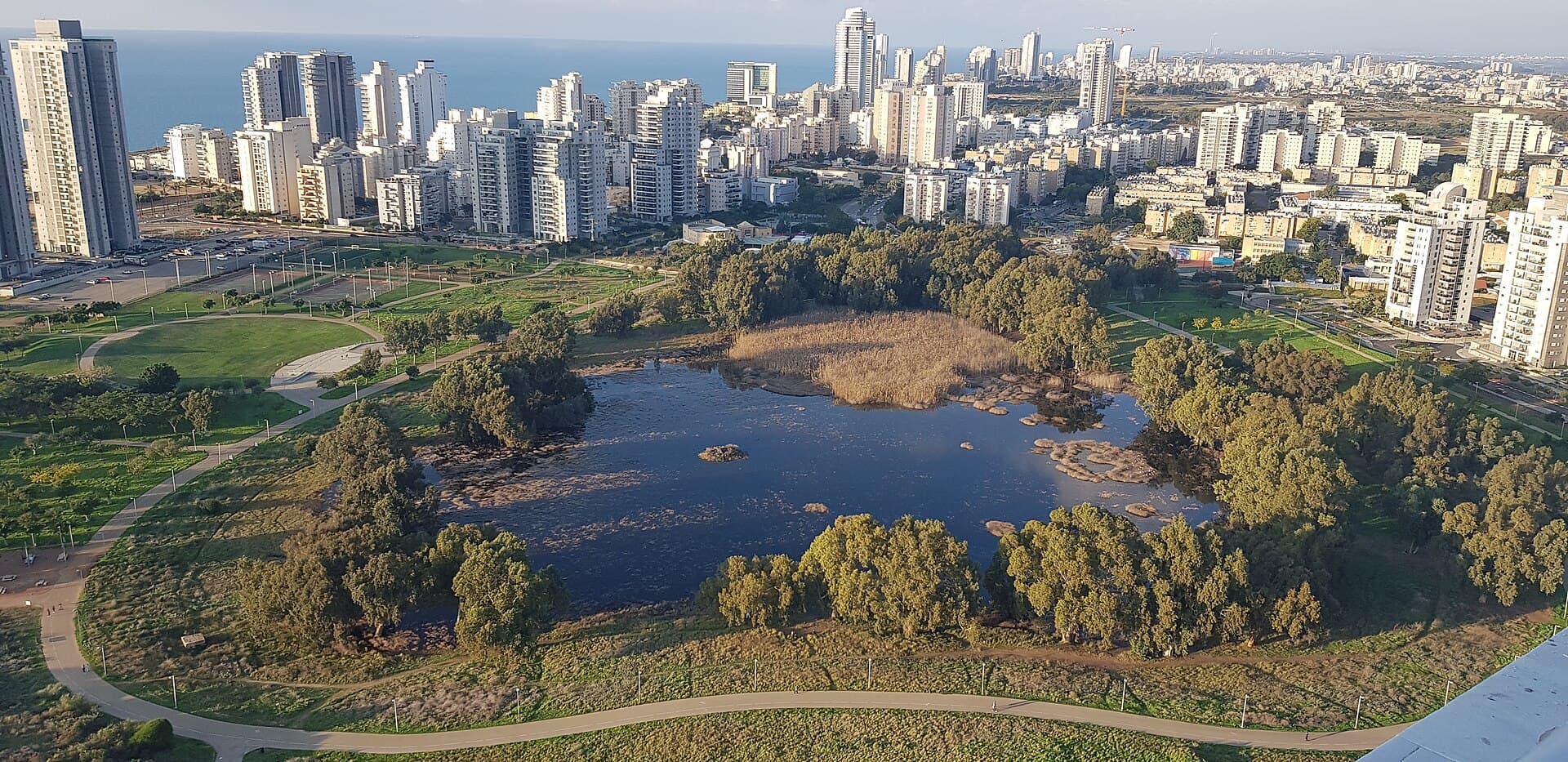 משה200 / CC BY-SA 4.0, via Wikimedia Commons
Tour audio autoguidato di Netanya — percorso GPS a piedi, riproduzione offline, narrazione coinvolgente in 32 lingue.
“Dove il Mediterraneo abbraccia scogliere dorate e ogni tramonto crea una narrazione.”
Non le cartoline. Le storie che nemmeno i locali conoscono — sussurrate nel tuo orecchio, proprio dove sono accadute.
Questo vivace mercato nasconde un ingrediente speciale oltre ai suoi prodotti freschi e alle spezie.
Netanya è una città moderna, eppure le sue fondamenta poggiano su un passato molto più antico.
C'è una stagione specifica in cui un raro spettacolo trasforma il paesaggio a sud della città.
Scopri ogni segreto di Netanya
Ogni indirizzo, ogni rivelazione completa — nel tuo orecchio, proprio dove è accaduta.
Scegli le tue tappe. Cammini. La voce rivela ciò che gli altri perdono.


Il tuo tour audio autoguidato di Netanya è pronto — scegli i tuoi punti di interesse, seleziona la tua lingua e inizia nel momento in cui arrivi.
AcquistaLume include una guida in realtà aumentata. Alza il telefono: la fotocamera mostra la strada davanti a te, con una freccia luminosa sovrapposta all'immagine reale che punta sempre verso la tua prossima tappa — nessuna mappa da decifrare, nessuna svolta sbagliata. Come tutto in Lume, funziona completamente offline.
Netanya, spesso definita la “Capitale dello Sharon” e la “Riviera Israeliana,” è una città costiera nel centro di Israele, a circa 30 chilometri a nord di Tel Aviv. Con una popolazione stimata di oltre 234.000 abitanti nel 2024, si classifica come la settima città più grande di Israele. La città è celebrata per i suoi 14 chilometri di spiagge mediterranee, le spettacolari scogliere di arenaria e un'atmosfera rilassata.
Oltre alle sue spiagge, Netanya offre un mix di storia, cultura e servizi moderni. La città ospita una popolazione diversificata, con significative comunità di immigrati dall'ex Unione Sovietica, Etiopia, Francia, Regno Unito, Sud Africa, Canada e USA, che contribuiscono a un ricco tessuto culturale e a una vivace scena gastronomica. Netanya è anche riconosciuta per il suo legame storico con l'industria dei diamanti, un tempo nota come la “Città dei Diamanti.”
## Dall'insediamento agricolo alla capitale dei diamanti La storia di Netanya iniziò nel 1928, con la sua fondazione ufficiale come insediamento agricolo nel 1929 da parte del gruppo Binyamin. Fu chiamata in onore di Nathan Straus, un eminente mercante e filantropo ebreo americano e comproprietario dei grandi magazzini Macy's, che diede contributi significativi alla sanità e all'istruzione nell'Israele dei primi del XX secolo. La visione iniziale per Netanya era una comunità basata sui frutteti, e i primi residenti erano immigrati dall'Europa orientale.
Il panorama economico della città si trasformò negli anni '30 con l'arrivo di specialisti nella lavorazione dei diamanti dal Belgio. La prima fabbrica di taglio diamanti aprì nel 1939, guadagnando rapidamente a Netanya la reputazione di “capitale dei diamanti.” Sebbene il commercio dei diamanti sia ora concentrato a Ramat Gan, molti laboratori rimangono a Netanya.
Netanya ottenne ufficialmente lo status di città il 3 dicembre 1948, poco dopo la creazione dello Stato di Israele. Questo periodo vide una rapida espansione, alimentata da ondate di immigrazione ebraica dall'Europa, dal Medio Oriente e dal Nord Africa. La popolazione crebbe da 11.600 nel 1948 a 31.000 nel 1955. La città continuò a svilupparsi, stabilendo nuove zone industriali e diventando una significativa destinazione turistica, sfruttando la sua vasta costa. Gli anni '90 portarono un grande afflusso di immigrati dall'ex Unione Sovietica e dall'Etiopia, diversificando ulteriormente la demografia della città. Oggi, Netanya continua la sua modernizzazione urbana, bilanciando le sue radici storiche con uno sviluppo continuo.
L'attrattiva principale di Netanya è la sua vasta costa, che offre una varietà di spiagge come Sironit Beach, Poleg Beach e Herzl Beach, note per le loro sabbie dorate, le acque limpide e i servizi per famiglie. Alcune spiagge dispongono persino di ascensori per trasportare i visitatori giù dalle scogliere. La passeggiata della città, che si estende lungo la costa, offre viste panoramiche, aree salotto, aree gioco e percorsi per ciclisti.
Oltre alla sabbia, esplora il Netanya City Market, un vivace centro per prodotti freschi, spezie, cibi tradizionali e un'atmosfera vivace. Per uno sguardo al passato della città, visita il Netanya City Museum, ospitato in un'ex officina tessile, che illustra la storia della città dalla sua fondazione. Il "Museo del Pozzo" in Via Sokolov 17 espone il pozzo d'acqua originale scavato nel 1927, cruciale per lo sviluppo agricolo iniziale. Gli amanti della natura possono esplorare riserve come la Poleg Nature Reserve e l'Iris Reserve, che proteggono flora e fauna uniche, inclusa la rara iris viola.
Netanya gode di un clima mediterraneo con estati lunghe, calde e secche (da maggio a ottobre) e inverni brevi, miti e umidi. Il periodo ideale per visitare dipende dalle tue preferenze. Per prendere il sole e praticare sport acquatici, il periodo da aprile a novembre offre temperature marine calde, con un picco di 29°C ad agosto. Se preferisci condizioni più fresche per passeggiate e visite turistiche, la primavera (marzo-maggio) e l'autunno (settembre-novembre) sono ideali, con temperature piacevoli che vanno da 15°C a 25°C. L'inverno (dicembre-febbraio) è mite, con temperature tra 10°C e 18°C, e meno turisti.
Netanya è convenientemente situata a circa 30 chilometri a nord di Tel Aviv, facilmente raggiungibile in auto, treno o taxi. I trasporti pubblici all'interno della città sono efficienti, ma noleggiare un'auto offre maggiore flessibilità per esplorare la regione circostante. L'ebraico è la lingua principale, ma l'inglese, il francese e il russo sono ampiamente parlati grazie alla popolazione diversificata della città. La maggior parte delle attrazioni, comprese spiagge e passeggiate, sono gratuite, anche se musei e attività specifiche potrebbero avere costi nominali. I bagnini sono solitamente di turno sulle spiagge da aprile a ottobre. Quando visiti il Netanya Market, tieni presente che molte bancarelle di cibo accettano solo contanti.
Netanya — coreano, cinese, ebraico e altre 29 lingue, ogni tappa narrata da una voce madrelingua. La più ampia scelta di lingue tra i tour audio autoguidati.
Disponibile in: