Ondergrondse Stad Derinkuyu
Stel je een stad voor die niet omhoog, maar diep in de aarde is gebouwd, in staat om 20.000 mensen en hun vee te huisvesten.
Volledig verhaal ontgrendeld in de tour
 NuriCanY / CC BY-SA 4.0, via Wikimedia Commons
Zelfgeleide audiowandeling door Nevşehir — GPS-route, offline afspelen, meeslepende vertelling in 32 talen.
“Waar oude aarde verhalen ademt door gebeeldhouwde steen.”
Niet de ansichtkaarten. De verhalen die zelfs locals niet kennen — gefluisterd in je oor, precies waar ze gebeurden.
Stel je een stad voor die niet omhoog, maar diep in de aarde is gebouwd, in staat om 20.000 mensen en hun vee te huisvesten.
Dit is geen kasteel in de traditionele zin, maar een kolossale rotsformatie die ooit een hele gemeenschap huisvestte.
In deze vallei ligt een verzameling kerken met levendige fresco's die eeuwenlang stand hebben gehouden.
Ontdek elk geheim van Nevşehir
Elk adres, elke onthulling volledig — in je oor, precies waar het gebeurde.
Jij kiest je stops. Jij wandelt. De stem onthult wat de anderen missen.
Je zelfgeleide audiotour van Nevşehir is klaar — kies je bezienswaardigheden, kies je taal en start zodra je aankomt.
KopenLume heeft een ingebouwde augmented-reality-gids. Houd je telefoon omhoog: de camera toont de straat voor je, met een oplichtende pijl over het echte beeld die altijd naar je volgende stop wijst — geen kaart om uit te puzzelen, geen verkeerde afslagen. Zoals alles in Lume werkt het volledig offline.
Nevşehir, een stad in de regio Centraal-Anatolië in Turkije, dient als de belangrijkste toegangspoort tot de fascinerende regio Cappadocië. De naam, die "nieuwe stad" betekent in het Turks, verhult een geschiedenis die zo'n 5.000 jaar teruggaat, met bewijs van vroege nederzettingen uit de Bronstijd. Gelegen op een hoog plateau op een hoogte van 1.224 meter, biedt Nevşehir een mix van het moderne Turkse leven en oude tradities.
De stad zelf, hoewel een provinciale hoofdstad, is vaak een doorvoerhaven voor reizigers die zich aangetrokken voelen tot de buitenaardse landschappen van Cappadocië. Nevşehir en de directe omgeving herbergen echter hun eigen belangrijke historische en geologische wonderen, waaronder een onlangs ontdekte ondergrondse stad onder het hart ervan. Van zijn kenmerkende vulkanische terrein, gevormd door miljoenen jaren erosie, tot zijn diepgewortelde culturele erfgoed, biedt Nevşehir een overtuigend startpunt voor het verkennen van een van de meest unieke bestemmingen van Turkije.
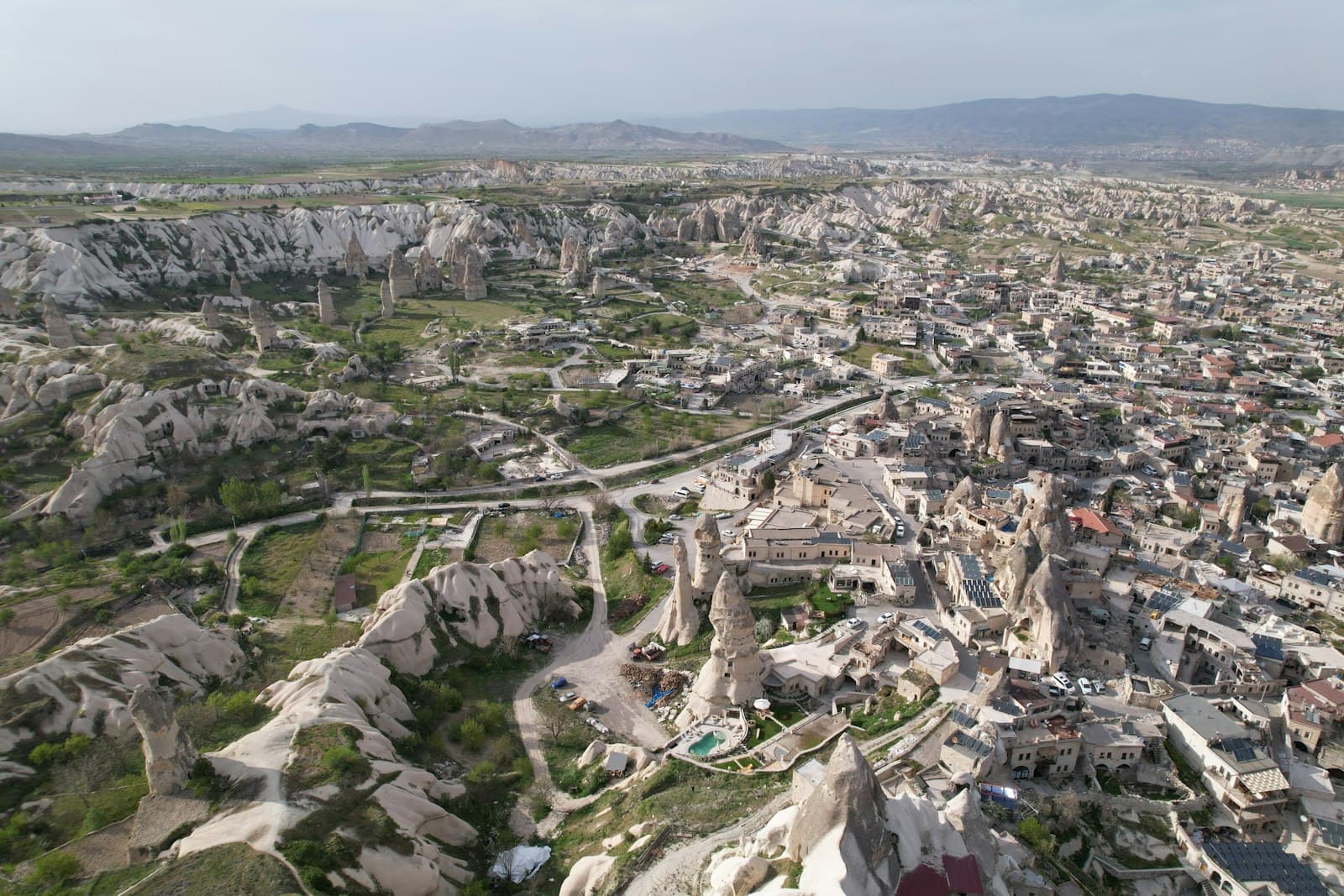
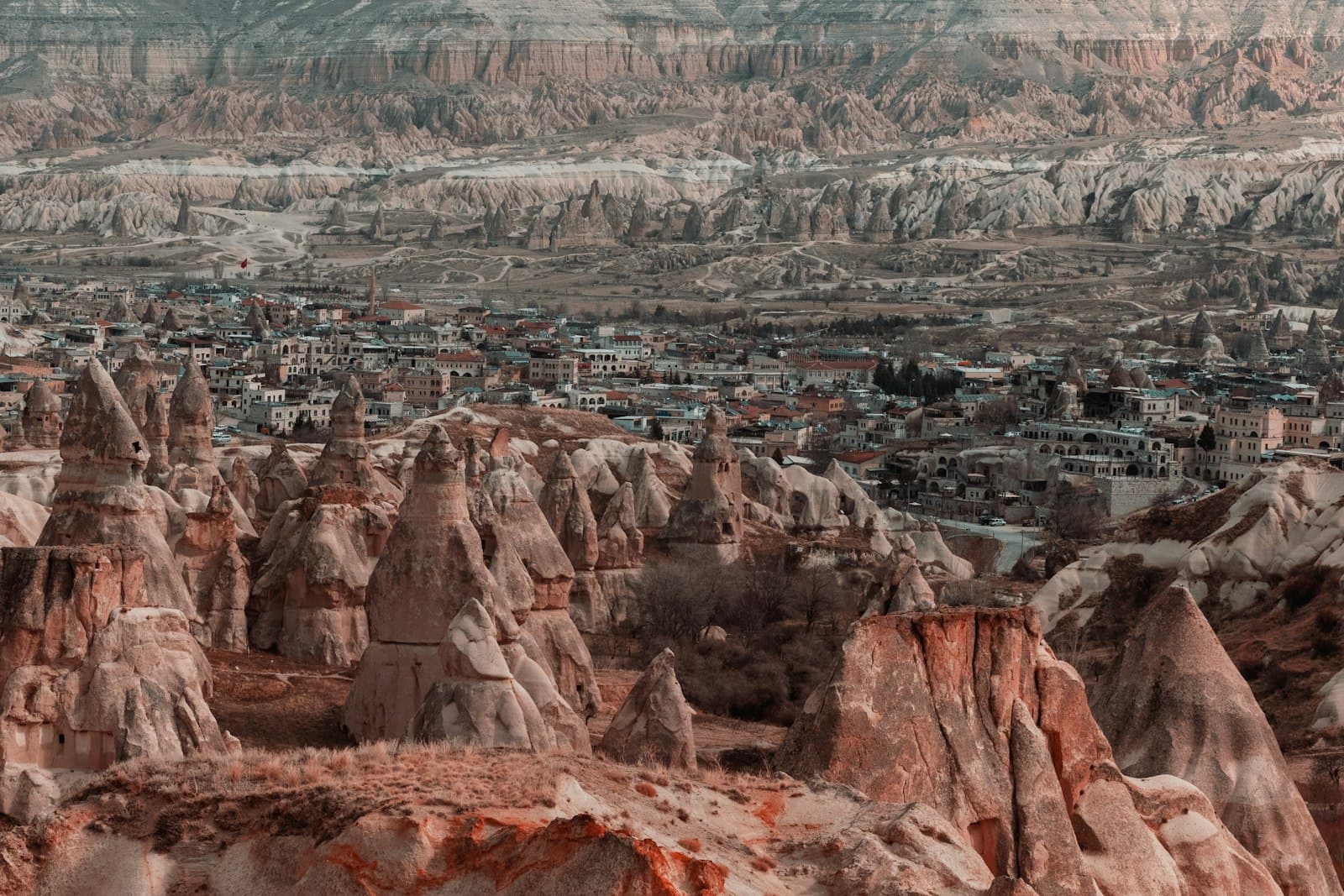
De provincie Nevşehir staat bekend om zijn iconische "feeënschoorstenen"—geërodeerde tufsteenformaties—uit rotsen gehouwen kerken en uitgestrekte ondergrondse steden. Deze locaties, met name het Nationaal Park Göreme en de Rotsformaties van Cappadocië, worden erkend als UNESCO Werelderfgoederen en trekken jaarlijks miljoenen bezoekers aan.
De vroegst bekende nederzetting in het gebied van Nevşehir heette Nissa, gesticht door de Hettieten op de hellingen van de berg Kahveci. Deze regio, deel van het oude Cappadocië, heeft een geschiedenis die ongeveer vijf millennia overspant, met artefacten uit de Vroege Bronstijd (3000-2000 v.Chr.) gevonden in de Civelek Grot in Gülşehir.
Door de eeuwen heen is het land vele malen van eigenaar veranderd, en heeft het de heerschappij van het Assyrische Rijk rond de 8e eeuw v.Chr. meegemaakt, gevolgd door de Meden en vervolgens de Perzen in 546 v.Chr. Nadat Alexander de Grote de Perzen had verslagen, kwam het gebied uiteindelijk onder controle van het Romeinse Rijk. Tijdens de Romeinse en Byzantijnse periodes stond Nevşehir bekend als Neapolis, wat "Nieuwe Stad" betekent in het Grieks. Het kasteel op de heuvel in het centrum van Nevşehir dateert uit de Byzantijnse tijd, een periode waarin de regio een frontlinie was in conflicten tegen het Islamitische Kalifaat.
In 1071 n.Chr. versloeg de Seltsjoekse sultan Alp Arslan de Byzantijnse keizer in de Slag bij Manzikert, wat leidde tot de Seltsjoekse controle over een groot deel van Anatolië tegen 1074. Nevşehir werd onderdeel van het Sultanaat van Rum. Later werd het geregeerd door de Karamanidische dynastie in 1328, voordat het rond 1487 n.Chr. deel werd van het Ottomaanse Rijk, waarna de naam werd veranderd in Muşkara.
Muşkara bleef een klein dorp tot het begin van de 18e eeuw, toen het een aanzienlijke transformatie onderging. Damat İbrahim Pasha, een grootvizier van de Ottomaanse Sultan Ahmed III en een inwoner van Muşkara, initieerde de ontwikkeling ervan. Hij overzag de bouw van nieuwe moskeeën, waaronder de Kurşunlu Moskee, evenals fonteinen, scholen, soepkeukens, herbergen en badhuizen. Het was tijdens deze periode, rond 1725, dat de naam van het dorp officieel werd veranderd van Muşkara naar "Nevşehir", wat "Nieuwe Stad" betekent in het Perzisch en Ottomaans Turks, een naam die vandaag de dag nog steeds wordt gebruikt.
In moderne tijden werd Nevşehir een district binnen de provincie Niğde na de proclamatie van de Turkse Republiek in 1923. Het kreeg op 20 juli 1954 de status van zelfstandige provincie. Een belangrijke ontdekking deed zich voor in 2015 toen een gigantische ondergrondse stad werd gevonden onder het stadscentrum, wat een extra laag toevoegde aan de reeds diepgaande geschiedenis van Nevşehir.
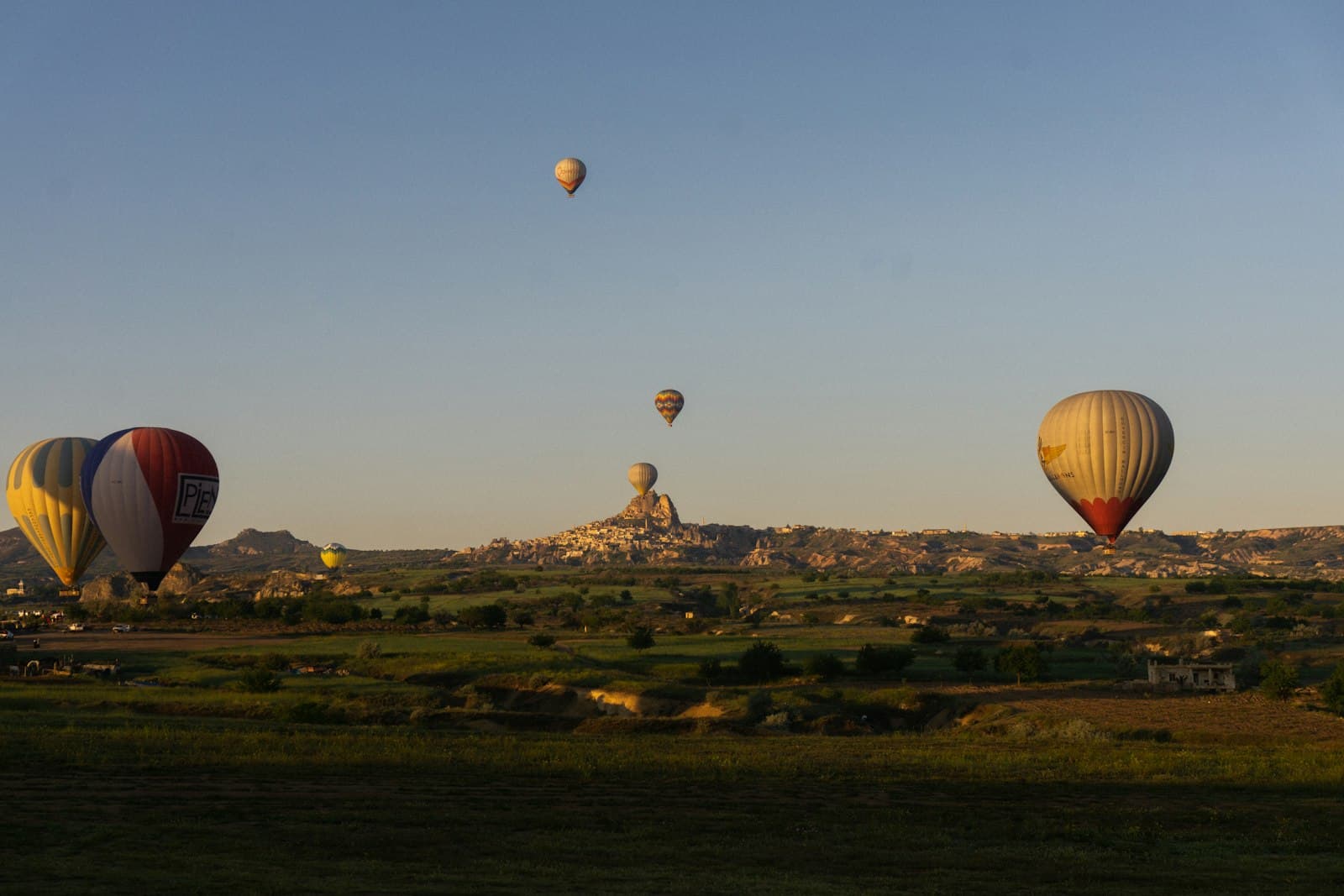
Nevşehir dient als centraal punt voor het verkennen van de wonderen van Cappadocië. De regio staat bekend om zijn ballonvaarten bij zonsopgang, die een weids uitzicht bieden op het unieke landschap. Een bezoek aan het Göreme Openluchtmuseum is essentieel, een UNESCO Werelderfgoedsite die uit rotsen gehouwen kerken en kloosters toont met goed bewaarde Byzantijnse fresco's uit de 10e tot 12e eeuw.
Verken de ondergrondse steden, zoals Derinkuyu en Kaymaklı, die werden uitgehouwen door vroege christelijke gemeenschappen die toevlucht zochten. Kasteel Uçhisar, de hoogste feeënschoorsteen in Cappadocië, biedt een uitzonderlijk 360-graden uitzicht op de omliggende valleien en rotsformaties. Het Kasteel van Nevşehir en de Ondergrondse Stad eronder bieden een unieke kans om uit rotsen gehouwen woningen en tunnels binnen de stadsgrenzen te verkennen.
Andere opmerkelijke bezienswaardigheden zijn de Duivenvallei (Güvercinlik Vallei), bekend om zijn duivenhuizen uitgehouwen in de rotsen en wandelpaden. Het Nevşehir Museum herbergt folkloristische artefacten en tentoonstellingen over het traditionele leven in Cappadocië. De nabijgelegen stadjes Avanos en Ürgüp bieden ook unieke ervaringen, waarbij Avanos sinds de Hettitische periode een centrum is voor pottenbakken.
De meest aangename tijden om Nevşehir en de regio Cappadocië te bezoeken zijn in de late lente (april-mei) en vroege herfst (september-oktober). Gedurende deze maanden zijn de temperaturen aangenaam warm, variërend van 11°C tot 19°C (52°F tot 66°F), wat comfortabel is voor het verkennen van oude bezienswaardigheden en buitenactiviteiten. Zomers (juni-augustus) zijn heet en droog, met temperaturen die vaak boven de 30°C (86°F) uitkomen, terwijl winters (december-februari) koud en besneeuwd zijn, met gemiddelde temperaturen rond 0°C (32°F). Hoewel het besneeuwde landschap in de winter sfeervol kan zijn, sluiten sommige hotels aan de kust, en bepaalde activiteiten kunnen minder comfortabel zijn. Mei is doorgaans de maand met de meeste regenval.
Nevşehir ligt ongeveer 290 kilometer (180 mijl) van Ankara, de hoofdstad van Turkije, en ongeveer 750 kilometer (466 mijl) van Istanbul. De luchthaven Nevşehir Kapadokya (NAV) bedient de regio en biedt luchtverbindingen voor reizigers. Om u te verplaatsen binnen Nevşehir en Cappadocië, zijn lokale bussen, minibussen en taxi's beschikbaar. Veel busmaatschappijen bieden tickets aan die een transfer van het centrale busstation van Nevşehir naar kleinere stadjes zoals Göreme of Ürgüp omvatten.
Accommodatiemogelijkheden in Nevşehir variëren van moderne hotels tot gerestaureerde stenen huizen, die een praktische uitvalsbasis bieden voor verkenning. Hoewel de beroemde grot-hotels meer geconcentreerd zijn in nabijgelegen dorpen zoals Çavuşin, Uçhisar en Ürgüp, zijn er enkele verfijnde resorts te vinden aan de rand van Nevşehir. Overweeg bij uw bezoek om lokale gerechten te proberen zoals testi kebabı (pottenbakkers kebab) en gözleme, die vaak te vinden zijn in lokale restaurants.
Nevşehir — Koreaans, Chinees, Hebreeuws en nog 29 talen, elke stop verteld door een moedertaalspreker. Het grootste taalaanbod van alle zelfgeleide audiotours.
Beschikbaar in: