Te Rewa Rewa Bridge
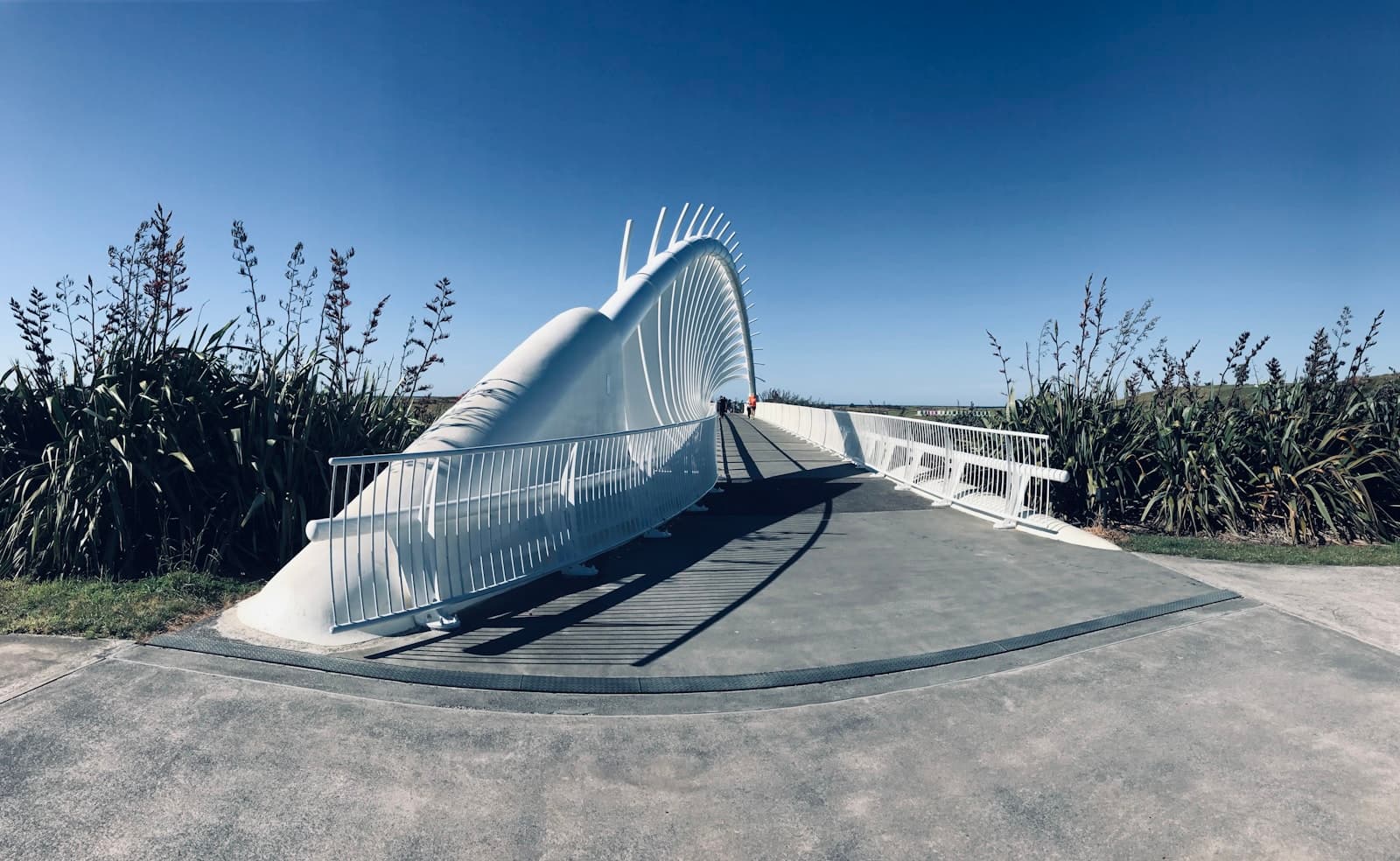
Esta ponte para pedestres não é apenas uma travessia; é um portal cuidadosamente alinhado.
História completa desbloqueada no tour
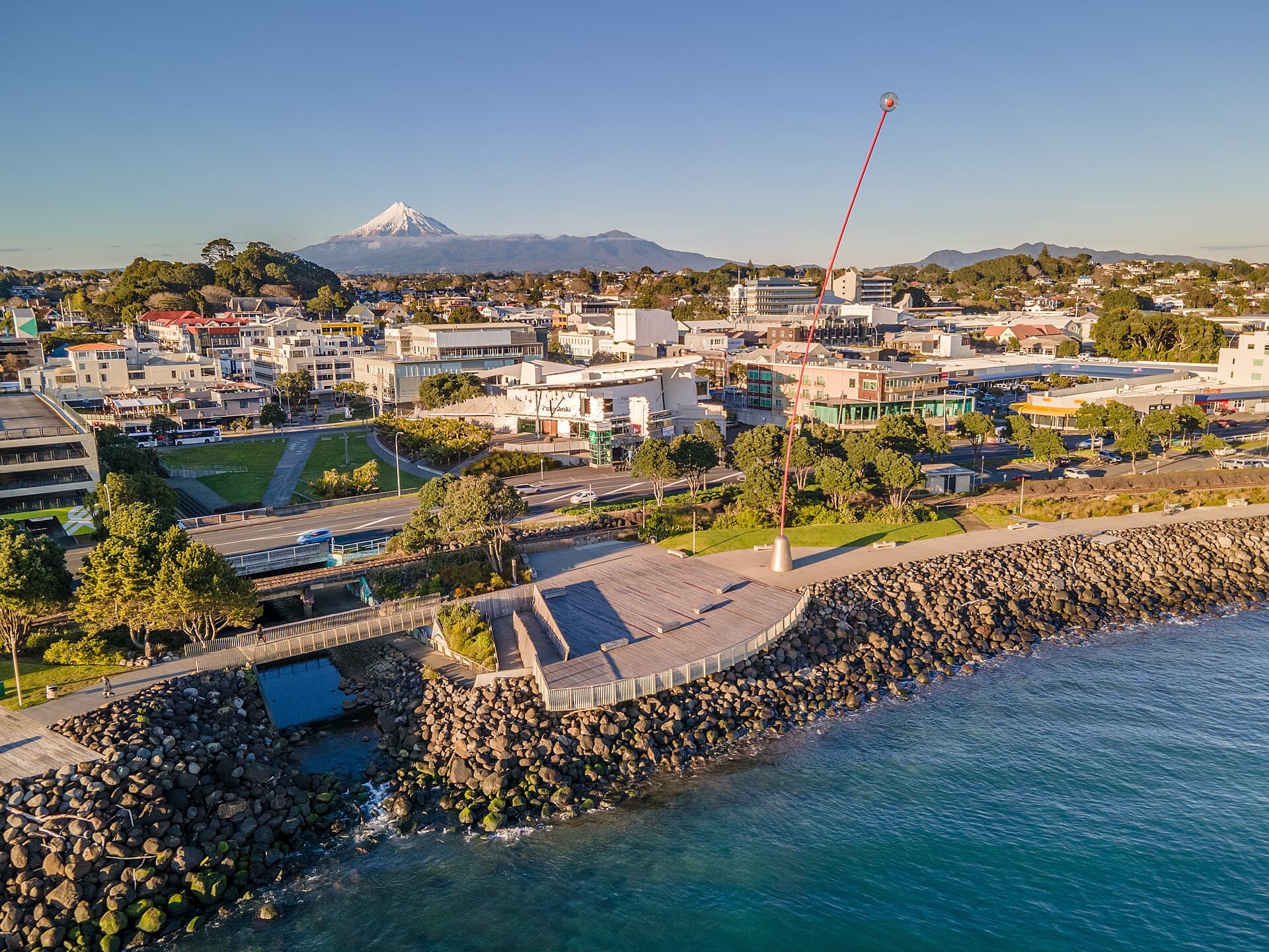 Mknz24 / CC BY-SA 4.0, via Wikimedia Commons
Tour de áudio autoguiado por New Plymouth — rota GPS a pé, reprodução offline, narração envolvente em 32 idiomas.
“Onde um vulcão adormecido vigia uma costa artística.”
Não os postais. As histórias que nem os locais conhecem — sussurradas ao seu ouvido, exatamente onde aconteceram.
Esta ponte para pedestres não é apenas uma travessia; é um portal cuidadosamente alinhado.
Este extenso parque da cidade começou sua vida como algo muito menos glamoroso.
A fachada cintilante desta galeria de arte não é apenas para exibição; é um reflexo da espinha dorsal econômica da região.
Descubra cada segredo de New Plymouth
Cada endereço, cada revelação na íntegra — no seu ouvido, exatamente onde aconteceu.
Você escolhe as suas paragens. Você caminha. A voz revela o que os outros perdem.
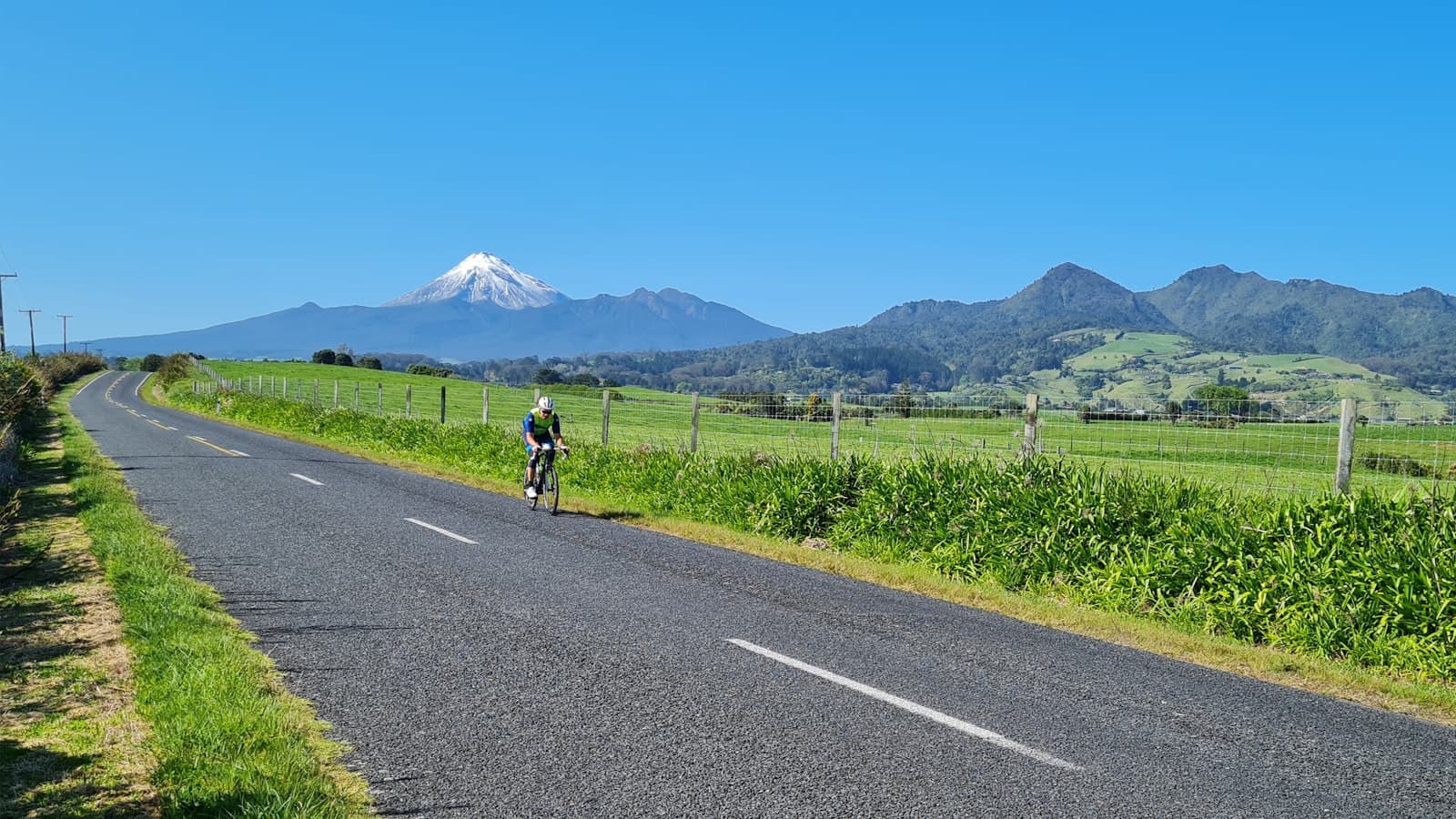
O seu tour áudio autoguiado de New Plymouth está pronto — escolha os seus pontos de interesse, selecione o seu idioma e comece no momento em que chegar.
ComprarA Lume inclui um guia de realidade aumentada. Levante o telemóvel: a câmara mostra a rua à sua frente, com uma seta luminosa sobreposta à imagem real que aponta sempre para a sua próxima paragem — sem mapa para decifrar, sem voltas erradas. Como tudo na Lume, funciona totalmente offline.
New Plymouth, ou Ngāmotu em Māori, é a principal cidade da região de Taranaki, na costa oeste da Ilha Norte da Nova Zelândia. Ela se espalha por planícies costeiras, com o imponente e simétrico cone do Monte Taranaki (também conhecido como Monte Egmont ou Taranaki Maunga) formando um cenário dramático. A cidade é reconhecida por sua mistura de beleza natural, atividades ao ar livre e uma próspera cena artística. Em 2021, New Plymouth conquistou o título de cidade mais habitável para seu porte pelo International Awards for Liveable Communities, e em 2023, foi reconhecida como a cidade pequena mais bonita da Nova Zelândia pelo Keep New Zealand Beautiful.
Com uma população de cerca de 90.100 habitantes, o Distrito de New Plymouth abrange a cidade e várias cidades menores, representando cerca de dois terços da população total da região de Taranaki. A cidade serve como um centro de serviços chave para a economia da região, que inclui a pecuária leiteira, bem como a exploração e produção de petróleo, gás natural e petroquímicos. New Plymouth oferece uma experiência única onde os visitantes podem surfar na praia, caminhar em um vulcão e apreciar arte contemporânea, tudo no mesmo dia.
A área agora conhecida como New Plymouth tem sido lar de várias iwi (tribos) Māori por séculos, originalmente chamada Ngāmotu, que significa 'as ilhas', referindo-se às Ilhas Sugar Loaf. Mais de 60 sítios de pā (vilas fortificadas) e kāinga (vila) foram registrados na área urbana, com Puke Ariki, a 'colina dos chefes' na foz do Riacho Huatoki, sendo um pā significativo e um centro de governança para Te Āti Awa.
O contato europeu começou por volta de 1823 com baleeiros e comerciantes de linho. Richard 'Dicky' Barrett estabeleceu um posto comercial em Ngamotu em 1828. O assentamento europeu planejado, liderado pela Plymouth Company, começou em 1841-42, trazendo 868 imigrantes de Devon e Cornwall, Inglaterra. A cidade foi nomeada em homenagem a Plymouth, Inglaterra, o ponto de partida dos primeiros colonos que chegaram no navio "William Bryan". O local foi escolhido por sua terra fértil e terreno suave, apesar da ausência de um porto natural de águas profundas.
O rápido crescimento da população colonial e a demanda por terras levaram a atritos com os Māori locais, culminando na Guerra de Taranaki na década de 1860. New Plymouth tornou-se uma cidade guarnição fortificada, sofrendo fome e doenças, com a agricultura sendo realizada sob proteção militar. A guerra restringiu severamente o desenvolvimento da cidade, com sua população caindo de 2.944 em 1864 para 1.837 em 1871. Após a guerra, a melhoria das ligações rodoviárias e ferroviárias trouxe crescimento populacional e estabilidade econômica. Em 1885, New Plymouth tinha um porto e ligações ferroviárias para Wellington. A pecuária leiteira tornou-se o principal sustento econômico e, mais tarde, a descoberta de campos de gás offshore nas décadas de 1950 e 1960 contribuiu para a indústria petrolífera. A cidade obteve o status de cidade em 1949.
New Plymouth oferece uma variedade de atrações, combinando beleza natural com experiências artísticas e culturais. A New Plymouth Coastal Walkway é um caminho de 13 quilômetros ao longo do Mar da Tasmânia, popular para caminhadas e ciclismo, apresentando marcos como o Wind Wand, uma escultura cinética de 45 metros de altura de Len Lye.
Um destaque da passarela é a Te Rewa Rewa Bridge, uma ponte para pedestres e ciclistas sobre o Rio Waiwhakaiho. Seu design distinto de arco de aço, semelhante a um esqueleto de baleia ou onda quebrando, emoldura perfeitamente o Monte Taranaki em um dia claro.
O Pukekura Park, um Jardim de Significância Nacional de 52 hectares no centro da cidade, oferece diversas plantas nativas e exóticas, trilhas para caminhada e lagos. O parque também abriga o TSB Festival of Lights de meados de dezembro a início de fevereiro, transformando o parque em um país das maravilhas iluminado com entretenimento ao vivo.
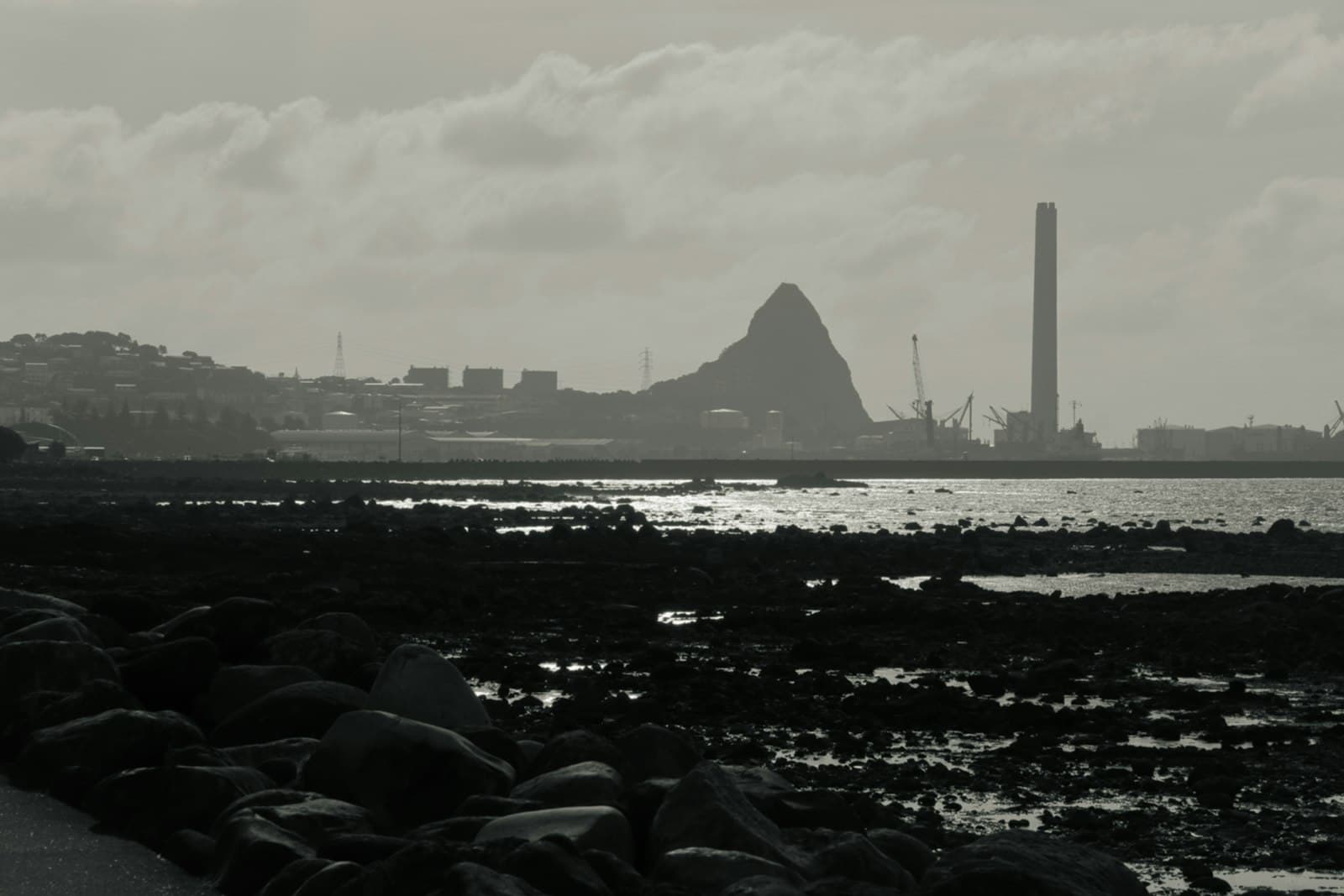
Para os entusiastas da arte, a Govett-Brewster Art Gallery/Len Lye Centre é o único museu da Nova Zelândia dedicado a um único artista, Len Lye, um pioneiro da escultura cinética e do cinema experimental. O centro exibe suas esculturas, filmes, pinturas e fotografias. Você também pode subir a Paritutu Rock, um remanescente de uma antiga cratera vulcânica, para vistas panorâmicas do porto, das Ilhas Sugarloaf, da Back Beach e do Monte Taranaki.
A melhor época para visitar New Plymouth para atividades de clima quente é de início de janeiro a meados de março, durante os meses de verão. Durante este período, espere dias longos e ensolarados com temperaturas médias entre 16°C e 24°C. Isso é ideal para desfrutar das praias, atividades ao ar livre como caminhadas e mountain bike, e vários festivais. Embora o verão seja a alta temporada, a primavera (setembro a novembro) oferece clima mais ameno, menos turistas e paisagens floridas, tornando-a uma época agradável para explorar.
New Plymouth está localizada na costa oeste da Ilha Norte, aproximadamente a meio caminho entre Auckland e Wellington. O aeroporto internacional mais próximo é o Aeroporto de Auckland, a cerca de 4 horas e 20 minutos de carro, com voos domésticos disponíveis para o Aeroporto de New Plymouth (NPL), localizado a 7 km a nordeste da cidade em Bell Block. A Air New Zealand Link opera serviços diários de Auckland, Christchurch e Wellington. A State Highway 3 passa por New Plymouth, conectando-a a outras grandes cidades. A InterCity Coachlines oferece serviços diários de ônibus.
Dentro da cidade, caminhar é uma opção viável, especialmente ao longo da orla marítima, que oferece acesso ao centro da cidade, biblioteca e jardins botânicos. O transporte público está disponível e as opções de aluguel de carros são abundantes. Recomenda-se reservar pelo menos 2-3 dias para conhecer New Plymouth, embora 5-7 dias possam ser facilmente preenchidos com atividades na região.
New Plymouth — coreano, chinês, hebraico e mais 29 idiomas, cada parada narrada por uma voz nativa. A maior variedade de idiomas entre os passeios de áudio autoguiados.
Disponível em: