Grand Central Terminal
O teto celestial do Grand Central Terminal contém um erro cósmico.
História completa desbloqueada no tour
 Dllu / CC BY-SA 4.0, via Wikimedia Commons
Tour de áudio autoguiado por Nova Iorque — rota GPS a pé, reprodução offline, narração envolvente em 32 idiomas.
“Além dos marcos familiares, a cidade de Nova Iorque pulsa com mil histórias não contadas.”
Não os postais. As histórias que nem os locais conhecem — sussurradas ao seu ouvido, exatamente onde aconteceram.
O teto celestial do Grand Central Terminal contém um erro cósmico.
Sob as ruas movimentadas do Lower Manhattan, um cofre seguro guarda uma parte significativa da riqueza mundial.
Uma avenida fantasma, outrora uma orla ativa, existe apenas como um quarteirão solitário e esquecido.
Descubra cada segredo de Nova Iorque
Cada endereço, cada revelação na íntegra — no seu ouvido, exatamente onde aconteceu.
Você escolhe as suas paragens. Você caminha. A voz revela o que os outros perdem.
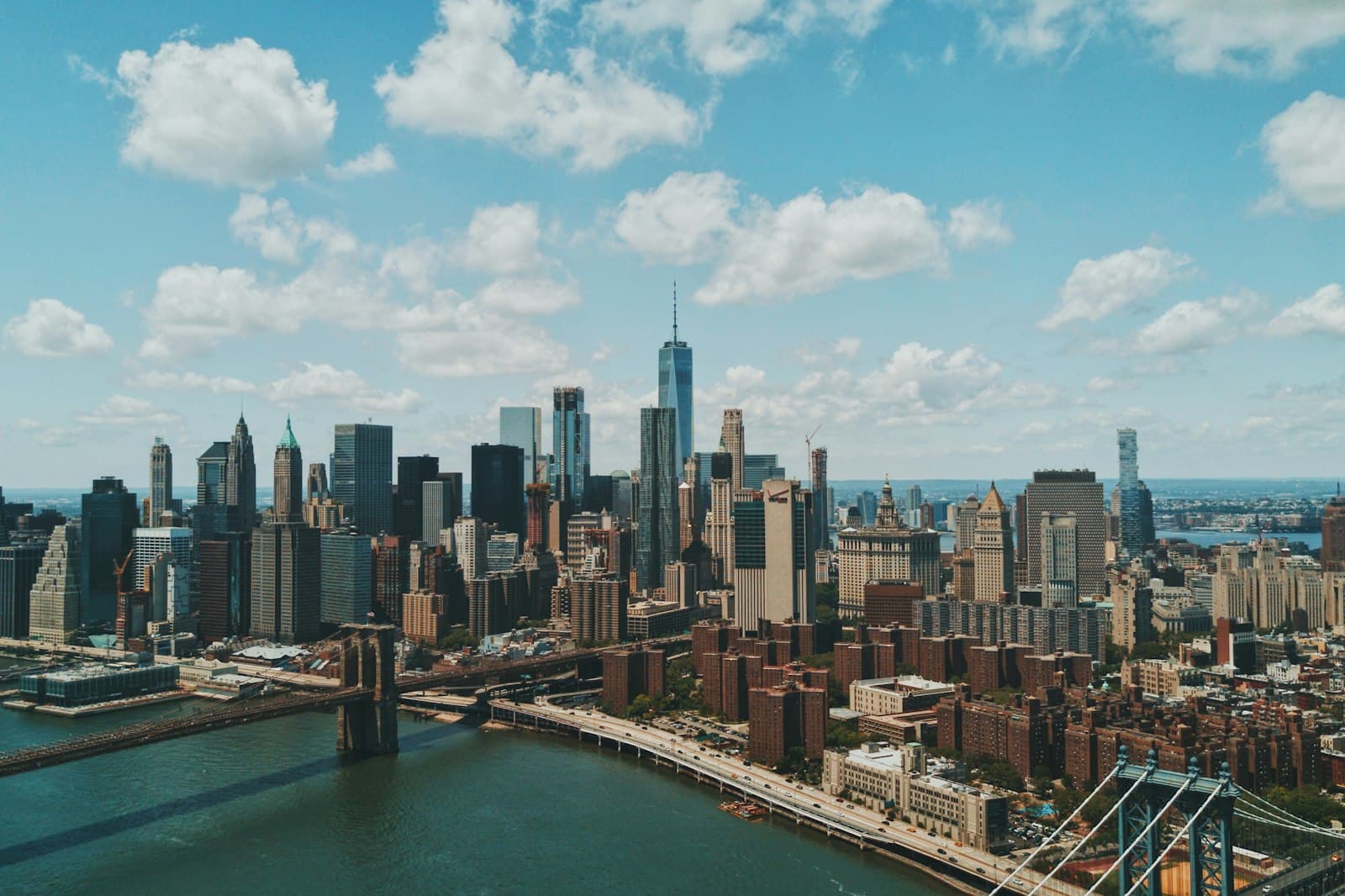
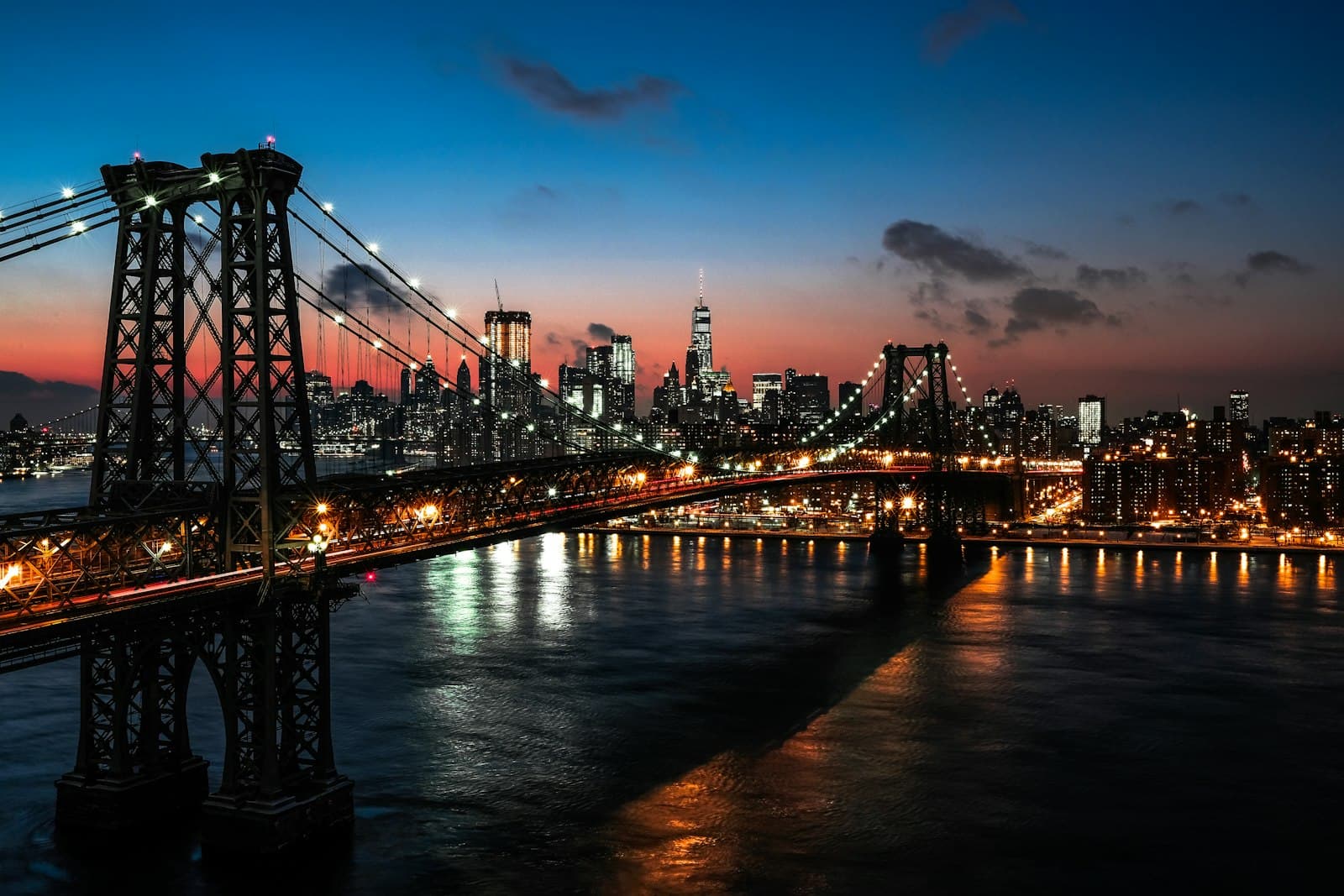
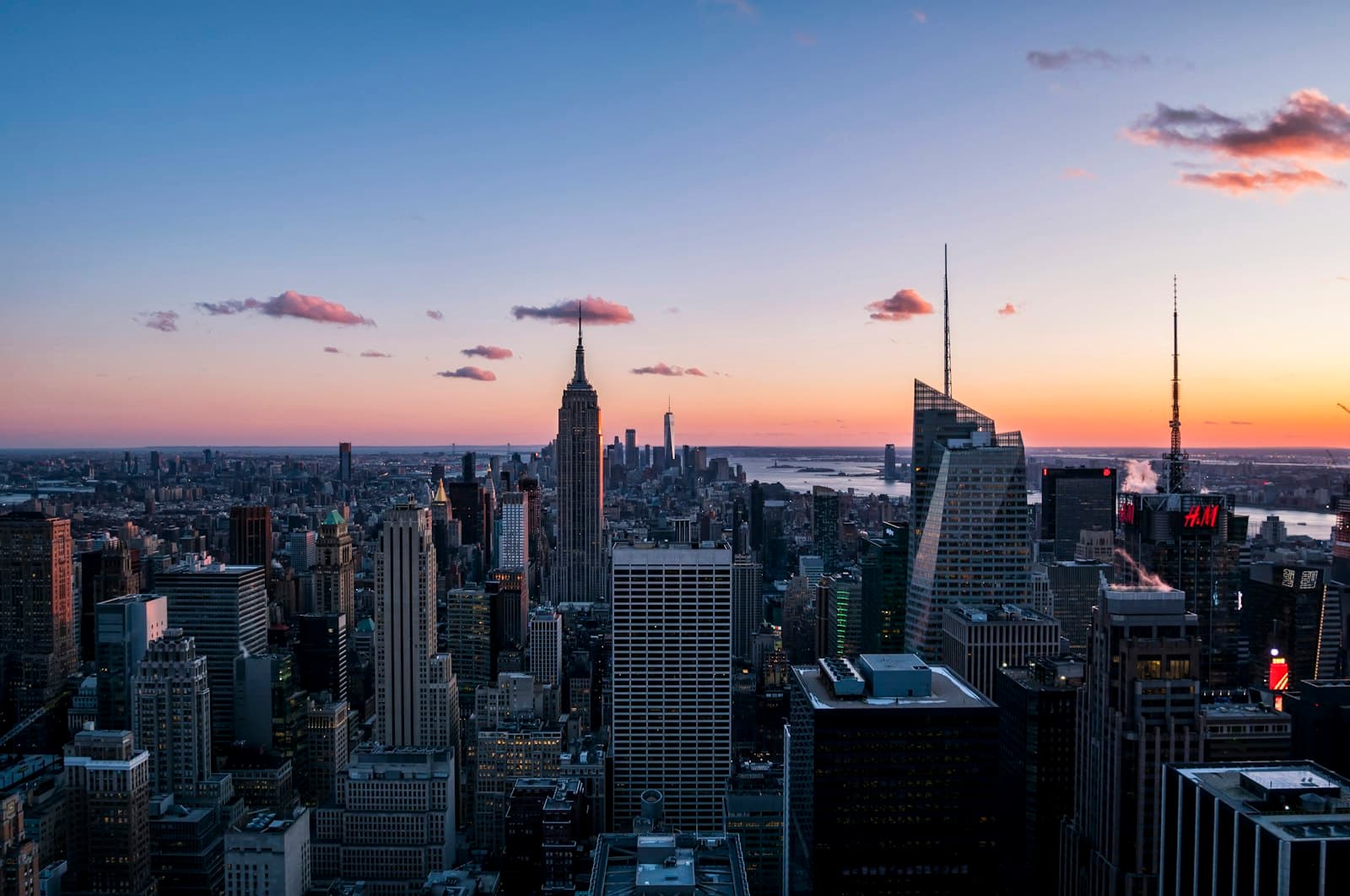
O seu tour áudio autoguiado de Nova Iorque está pronto — escolha os seus pontos de interesse, selecione o seu idioma e comece no momento em que chegar.
ComprarA Lume inclui um guia de realidade aumentada. Levante o telemóvel: a câmara mostra a rua à sua frente, com uma seta luminosa sobreposta à imagem real que aponta sempre para a sua próxima paragem — sem mapa para decifrar, sem voltas erradas. Como tudo na Lume, funciona totalmente offline.
Nova York, frequentemente chamada de "Big Apple", é uma metrópole que pulsa com uma energia inegável, um lugar onde ambição e inovação convergem. Dos arranha-céus imponentes que definem seu horizonte memorável aos bairros diversos que zumbem com ritmos culturais distintos, é uma cidade que se reinventa constantemente. Com mais de 8 milhões de residentes, é a cidade mais populosa dos EUA e a cidade linguisticamente mais diversa do mundo, com mais de 800 idiomas falados.
Além dos marcos familiares, Nova York oferece uma profunda variedade de experiências. É uma cidade de contrastes, onde ruas históricas encontram maravilhas arquitetônicas modernas, e espaços verdes tranquilos oferecem refúgio do clamor urbano. Se você é atraído por museus de classe mundial, teatro inovador ou simplesmente pela emoção de sua vida nas ruas, Nova York promete uma jornada imersiva por uma cidade que moldou a cultura e o comércio globais.
A história da cidade de Nova York começa muito antes do assentamento europeu, com o povo Lenape habitando a área por milhares de anos. Eles chamavam a terra de "Manahatta", que significa 'ilha montanhosa', e se sustentavam caçando, pescando e cultivando.
A exploração europeia começou no início do século XVI, com o explorador italiano Giovanni da Verrazzano chegando à Baía de Nova York em 1524. No entanto, foram os holandeses que estabeleceram o primeiro assentamento europeu permanente em 1624, inicialmente na Ilha Governors, antes de se concentrarem na ponta sul de Manhattan. Em 1626, o assentamento foi nomeado Nova Amsterdã e serviu como um posto de comércio de peles. A Companhia Holandesa das Índias Ocidentais desempenhou um papel crucial em seu desenvolvimento inicial e, em 1653, Nova Amsterdã foi estabelecida como cidade.
Em 1664, os britânicos assumiram o controle de Nova Amsterdã e a renomearam para Nova York, em homenagem ao Duque de York. A população da cidade cresceu e se diversificou, atraindo imigrantes de várias nações europeias e, infelizmente, também se tornando um centro para o envio de africanos escravizados. Ao longo do século XVIII, Nova York emergiu como um centro de mudança política e cultural, desempenhando um papel significativo nos eventos que levaram à Revolução Americana. Foi um centro de atividade anti-britânica e, após cair para os britânicos em 1776, serviu como base militar britânica até o final da guerra em 1783.
Após a independência americana, a cidade de Nova York ocupou a distinta posição de capital nacional de 1785 a 1790. Durante este período, o Federal Hall na Wall Street sediou a posse do primeiro Presidente, George Washington, e o primeiro Congresso redigiu a Declaração de Direitos lá. O século XIX viu Nova York transformada por um surto de imigração europeia e um planejamento urbano ambicioso, incluindo o Plano dos Comissários de 1811, que expandiu a grade de ruas de Manhattan. A abertura do Canal Erie em 1825 solidificou ainda mais seu status como um centro comercial vital, conectando o porto do Atlântico aos mercados agrícolas do Centro-Oeste. Em 1835, Nova York ultrapassou a Filadélfia para se tornar a maior cidade dos Estados Unidos.
A cidade moderna de Nova York foi formada em 1898 através da consolidação de seus cinco distritos: Manhattan, Brooklyn, Queens, The Bronx e Staten Island. Essa consolidação, juntamente com um boom econômico e de construção após a Grande Depressão e a Segunda Guerra Mundial, impulsionou Nova York ao seu status atual como uma potência financeira e cultural global. Hoje, a área metropolitana de Nova York contém a maior economia metropolitana do mundo.
Nova York oferece uma variedade incomparável de atrações, de marcos icônicos a espaços verdes serenos. Comece com a experiência quintessencial da Estátua da Liberdade, um presente da França em 1886, simbolizando liberdade e democracia. Pegue uma balsa para a Ilha da Liberdade para um olhar mais atento, ou veja-a da balsa gratuita de Staten Island. Caminhe pela Ponte do Brooklyn, uma maravilha da engenharia que oferece vistas impressionantes do horizonte de Manhattan.
Mergulhe em arte e cultura no Metropolitan Museum of Art (The Met), um dos maiores museus de arte do mundo, ou no Museum of Modern Art (MoMA). Explore o vasto oásis urbano do Central Park, uma paisagem meticulosamente projetada com jardins, lagos e caminhos para caminhada. Para vistas panorâmicas da cidade, suba a um dos observatórios como o Top of the Rock no Rockefeller Center, o Empire State Building ou o Summit One Vanderbilt. Passeie pela Times Square, um espetáculo deslumbrante de outdoors e atividade agitada. Visite o solene Memorial e Museu do 11 de Setembro, uma homenagem comovente a um momento crucial na história da cidade. Descubra o parque urbano elevado High Line, construído em uma linha ferroviária de carga histórica, oferecendo perspectivas únicas da cidade. Para uma perspectiva diferente, considere a Ilha Governors, um refúgio sem carros que oferece vistas do horizonte e atividades recreativas, a apenas 8 minutos de balsa do centro de Manhattan.
As melhores épocas para visitar Nova York são durante a primavera (abril a junho) e o outono (setembro a início de novembro). Essas temporadas intermediárias oferecem clima ameno e confortável, tornando-o ideal para caminhadas e atividades ao ar livre. A primavera traz parques floridos e uma atmosfera animada, enquanto o outono exibe folhagens coloridas, especialmente no Central Park, e um calendário cultural repleto. As temperaturas em maio e outubro geralmente variam de 18-23°C (65-75°F). Os verões (junho a agosto) são quentes e úmidos, com máximas diárias médias acima de 24°C (76°F), e podem ocorrer ondas de calor. Os invernos (dezembro a março) são frios, com neve e vento, com mínimas médias em janeiro em torno de -1,6°C (29°F).
Navegar pela cidade de Nova York é eficiente graças ao seu extenso sistema de transporte público. O metrô funciona 24 horas por dia, conectando os cinco distritos (exceto Staten Island, que é servida por uma balsa gratuita). A maneira mais fácil de pagar é com OMNY, permitindo pagamentos sem contato usando um cartão de crédito, telefone ou smartwatch. O OMNY também oferece fare capping, onde as viagens se tornam gratuitas após 12 viagens pagas em um período de 7 dias. Alternativamente, um MetroCard pode ser comprado nas máquinas de venda automática das estações. Esteja ciente dos trens locais e expressos, e sempre verifique a direção (uptown ou downtown) antes de embarcar. Os ônibus são outra opção, rodando principalmente ao longo das avenidas, e também aceitam pagamentos com OMNY ou MetroCard. Caminhar é frequentemente a maneira mais rápida de se locomover em Manhattan, especialmente para distâncias mais curtas, portanto, sapatos confortáveis são essenciais. Táxis e serviços de transporte por aplicativo estão prontamente disponíveis, embora Ubers possam ser uma alternativa mais barata aos táxis amarelos, especialmente para transferências de aeroporto. Muitos museus oferecem dias gratuitos ou 'pague o quanto quiser', e food trucks oferecem experiências culinárias econômicas.
Nova Iorque — coreano, chinês, hebraico e mais 29 idiomas, cada parada narrada por uma voz nativa. A maior variedade de idiomas entre os passeios de áudio autoguiados.
Disponível em: