Bogey Hole
Первые в Австралии купальни в европейском стиле не совсем такие, как вы могли бы ожидать.
Полная история открывается в туре
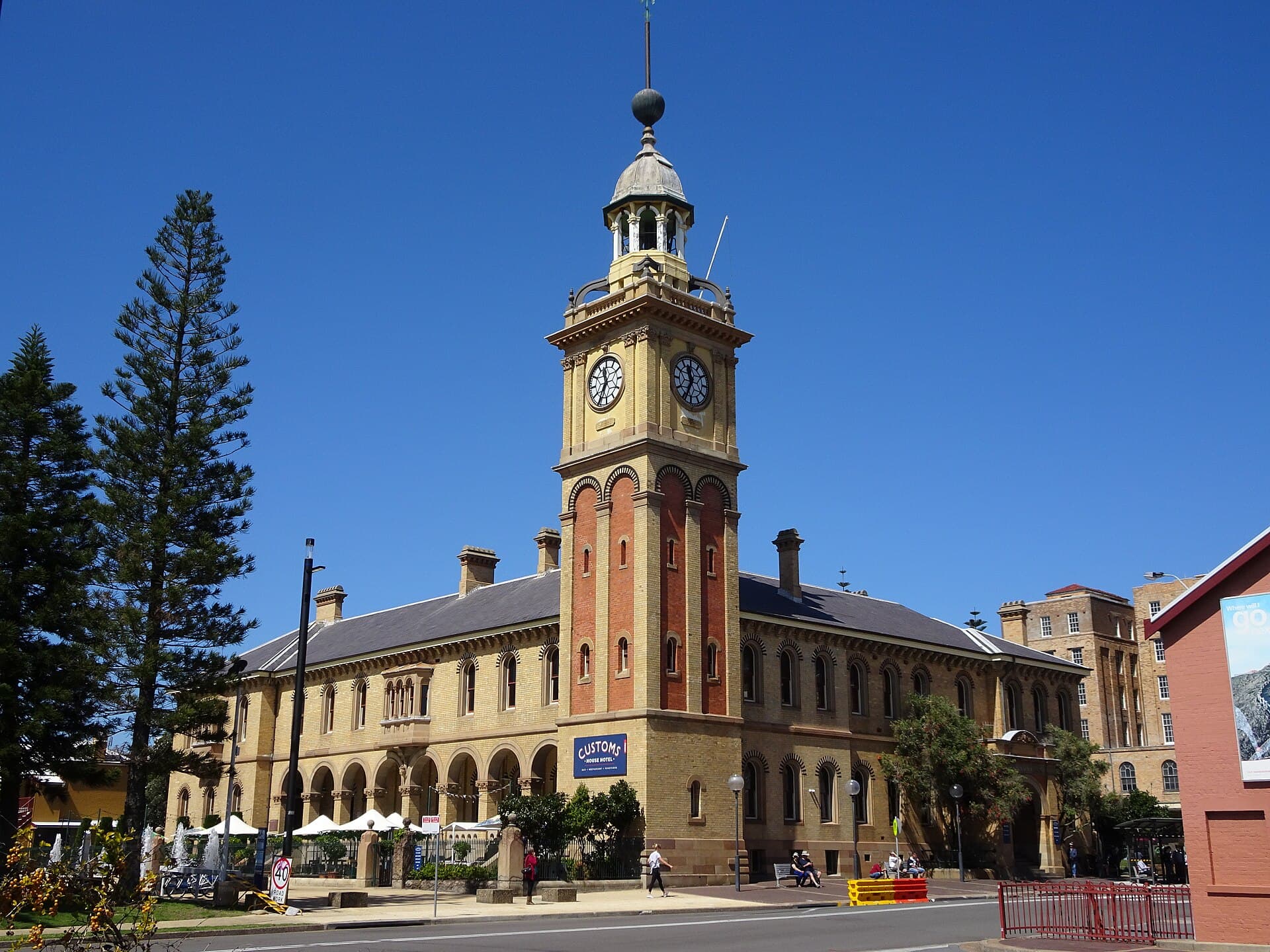 Hugh Llewelyn / CC BY-SA 2.0, via Wikimedia Commons
Самостоятельная аудиопрогулка по Ньюкасл — GPS-маршрут, офлайн-воспроизведение, увлекательное повествование на 32 языках.
“Где индустриальная суровость встречается с прибрежной грацией.”
Не открытки. Истории, которые не знают даже местные жители — шепотом в вашем ухе, прямо там, где они произошли.
Первые в Австралии купальни в европейском стиле не совсем такие, как вы могли бы ожидать.
Этот исторический форт имеет редкое отличие в военной истории Австралии.
Одна из старейших улиц Ньюкасла имеет неожиданную связь с австралийским руководством.
Откройте для себя каждый секрет Ньюкасл
Каждый адрес, каждое полное раскрытие — в вашем ухе, прямо там, где это произошло.
Вы выбираете остановки. Вы гуляете. Голос раскрывает то, что упускают другие.


Ваш самостоятельный аудиотур по Ньюкасл готов — выберите свои достопримечательности, выберите свой язык и начните в момент прибытия.
КупитьВ Lume встроен гид дополненной реальности. Поднимите телефон: камера показывает улицу перед вами, а поверх реального изображения светится стрелка, всегда указывающая на вашу следующую остановку — не нужно разбираться с картой и сворачивать не туда. Как и всё в Lume, это работает полностью офлайн.
Ньюкасл, расположенный на восточном побережье Австралии, примерно в двух часах езды к северу от Сиднея, является вторым по величине городом Нового Южного Уэльса. Этот прибрежный центр предлагает захватывающее сочетание залитых солнцем пляжей, динамичной сцены искусства и культуры, а также глубокой, многослойной истории. Когда-то Ньюкасл был известен своими промышленными основами в угольной и сталелитейной промышленности, но теперь он превратился в разнообразную, ориентированную на инновации экономику, прославленную своим образом жизни и самобытной архитектурой.
Город расположен в устье реки Хантер, что создает естественные условия для его значительного порта, который остается крупнейшим в мире портом по экспорту угля. Помимо своего промышленного наследия, Ньюкасл отличается расслабленной и дружелюбной культурой, отражающей его прибрежное существование. Посетители могут исследовать все: от пляжей мирового класса и океанских купален до городских музеев и обширных природных заповедников, что делает его идеальным местом для различных интересов.
Земля, ныне известная как Ньюкасл и нижний регион Хантер, традиционно населялась коренными народами Авабакал и Ворми, которые называли эту местность Малуббимба. Археологические данные свидетельствуют о присутствии человека в этом районе по крайней мере 6500 лет. Европейское открытие произошло в сентябре 1797 года, когда лейтенант Джон Шортленд, разыскивая сбежавших каторжников, вошел в устье реки Хантер и отметил значительные запасы угля.
Первое европейское поселение, первоначально названное Кингс Таун (в честь губернатора Кинга), а затем переименованное в Коал Ривер, было основано в 1801 году как лагерь для каторжников, занимавшихся добычей угля и рубкой леса. Эта ранняя попытка была недолгой, но в 1804 году было вновь основано постоянное исправительное поселение для непокорных каторжников, официально названное Ньюкасл, в честь английского угольного порта. Город быстро приобрел репутацию «преисподней» из-за суровых наказаний, применяемых к самым опасным каторжникам, которых заставляли работать на угольных шахтах.
Ньюкасл оставался исправительным поселением до 1822 года, когда он был открыт для земледелия, а военное правление закончилось в 1823 году, когда большинство каторжников были переведены в Порт-Маккуори. После этого город начал развиваться как типичное австралийское поселение пионеров, привлекая свободных поселенцев. Австралийская сельскохозяйственная компания начала крупномасштабную добычу угля в 1831 году, укрепив уголь как основу экономики и первый экспортный товар Австралии. Ньюкасл был официально провозглашен муниципалитетом в 1859 году и получил статус города в 1885 году.
Во время Второй мировой войны Ньюкасл служил жизненно важным промышленным центром для австралийских военных усилий. В 1942 году японская подводная лодка ненадолго обстреляла город, попав в такие районы, как доки и сталелитейный завод Ньюкасла, хотя ущерб был минимальным, и жертв не было. Открытие крупного сталелитейного завода BHP в 1915 году определило промышленный характер города на протяжении всего 20-го века. Сегодня, оставаясь крупным портом, Ньюкасл диверсифицировал свою экономику, ключевыми отраслями которой являются здравоохранение, оборона, чистая энергетика, строительство, образование и технологии.
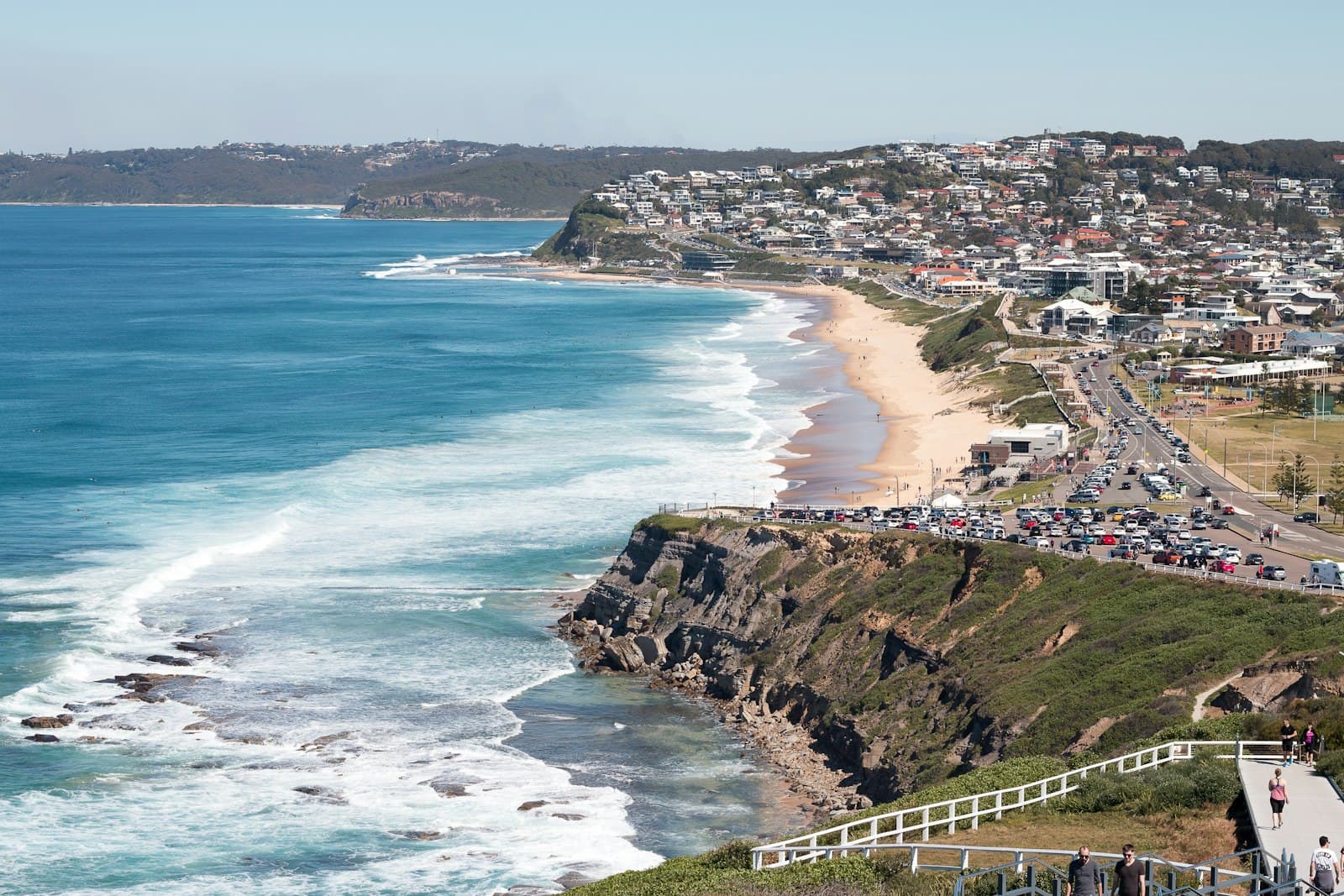
Ньюкасл предлагает разнообразные достопримечательности, сочетающие его промышленное наследие с прибрежной привлекательностью. Начните с прогулки по Бейтерс Вэй (Bathers Way), 5,8-километровой прибрежной тропе, простирающейся от Мереуэзер Батс до Ноббис Бич, откуда открываются захватывающие виды на океан. Вдоль этого пути вы найдете Мемориальную прогулку Ньюкасла (Newcastle Memorial Walk), 450-метровый мемориал, посвященный АНЗАКам региона и истории сталелитейной промышленности. Для освежающего купания посетите историческую Богали Хоул (Bogey Hole), уникальную океанскую купальню, высеченную каторжниками, или обширные Мереуэзер Оушен Батс (Merewether Ocean Baths), крупнейшие в Южном полушарии.
Исследуйте прошлое города в Форт Скрэтчли (Fort Scratchley), прибрежном оборонительном форте, который предлагает экскурсии по своим туннелям и дает представление о его военной истории. Для панорамного вида на город, гавань и океан отправляйтесь к Обеликсу (Obelisk), самой высокой точке Ньюкасла. Музей Ньюкасла (Newcastle Museum) предоставляет информацию о корнях города, связанных с аборигенами, и его более недавней истории, сформированной каторжниками, углем и сталью. За пределами города рассмотрите однодневную поездку в долину Хантер (Hunter Valley), один из ведущих винодельческих регионов Австралии, всего в 45 минутах езды. Для любителей природы в заповеднике Блэкбэтт (Blackbutt Nature Reserve) есть 10 километров деревянных настилов и троп, где вы можете наблюдать за местной дикой природой, такой как коалы и вомбаты.
В Ньюкасле влажный субтропический климат с теплыми летними месяцами и мягкими зимами. Лучшее время для посещения — переходные сезоны: осень (март-май) или весна (сентябрь-ноябрь). В эти месяцы температура приятная, колеблется от 18°C до 25°C, что делает его комфортным для активного отдыха, и обычно здесь меньше туристов, чем в пик летнего сезона. Количество осадков относительно равномерно в течение года, но в конце зимы и начале весны часто бывает наибольшее количество ясных, солнечных дней. Для любителей пляжного отдыха теплые месяцы с декабря по февраль предлагают лучшие условия для купания, со средней дневной температурой около 26°C, хотя в эти месяцы также может быть влажно, с редкими послеполуденными грозами.
Ньюкасл, как правило, безопасный город, но всегда разумно соблюдать стандартные меры предосторожности и следить за своими вещами, особенно в людных туристических местах. Официальная валюта — австралийский доллар (AUD). Мобильные сети обеспечивают надежное покрытие, а предоплаченные SIM-карты и тарифные планы доступны для иностранных посетителей.
Аэропорт Ньюкасла (NTL) находится примерно в 15 километрах от центра города, с доступными автобусами и услугами по аренде автомобилей. В городе действует эффективная система общественного транспорта, включая автобусы, поезда и легкое метро, оплатить проезд можно дебетовой/кредитной картой или картой Opal. Услуги по аренде автомобилей также доступны для тех, кто предпочитает исследовать город в своем темпе. Информационный центр для посетителей Ньюкасла, расположенный по адресу 430 Hunter Street, предоставляет карты, путеводители и местные советы.
Ньюкасл: корейский, китайский, иврит и ещё 29 языков — каждую остановку озвучивает носитель языка. Самый широкий выбор языков среди аудиоэкскурсий без гида.
Доступные языки: