Royal George Theatre
Il Royal George Theatre, un pilastro dello Shaw Festival, ospita un residente che assiste a ogni spettacolo.
La storia completa si sblocca nel tour
 Paste Let’s have a chat. / Paste at English Wikipedia / CC BY-SA 3.0, via Wikimedia Commons
Tour audio autoguidato di Niagara-on-the-Lake — percorso GPS a piedi, riproduzione offline, narrazione coinvolgente in 32 lingue.
“Dove la storia respira dalle strade ricoperte di viti.”
Non le cartoline. Le storie che nemmeno i locali conoscono — sussurrate nel tuo orecchio, proprio dove sono accadute.
Il Royal George Theatre, un pilastro dello Shaw Festival, ospita un residente che assiste a ogni spettacolo.
Questa locanda duratura, tra le più antiche dell'Ontario, si dice intrattenga un ospite spettrale che ha scelto l'affetto all'obbligo.
Oltre al suo gazebo panoramico e alle viste sul Lago Ontario, questo parco custodisce un segreto sui primi media canadesi.
Scopri ogni segreto di Niagara-on-the-Lake
Ogni indirizzo, ogni rivelazione completa — nel tuo orecchio, proprio dove è accaduta.
Scegli le tue tappe. Cammini. La voce rivela ciò che gli altri perdono.



Il tuo tour audio autoguidato di Niagara-on-the-Lake è pronto — scegli i tuoi punti di interesse, seleziona la tua lingua e inizia nel momento in cui arrivi.
AcquistaLume include una guida in realtà aumentata. Alza il telefono: la fotocamera mostra la strada davanti a te, con una freccia luminosa sovrapposta all'immagine reale che punta sempre verso la tua prossima tappa — nessuna mappa da decifrare, nessuna svolta sbagliata. Come tutto in Lume, funziona completamente offline.
Niagara-on-the-Lake, spesso chiamata NOTL da chi ci vive, è una città nella penisola del Niagara in Ontario, Canada, dove il fiume Niagara sfocia nel Lago Ontario. È un luogo dove l'eleganza del XIX secolo incontra la cultura e la viticoltura di livello mondiale. La città è rinomata per i suoi edifici in stile coloniale accuratamente conservati, negozi distintivi e carrozze trainate da cavalli, creando un'atmosfera che sembra un viaggio nel passato.
Oltre alle sue strade invitanti, Niagara-on-the-Lake si trova nel cuore della regione vinicola dell'Ontario, con quasi 40 cantine, molte delle quali offrono annate pluripremiate e il rinomato vino di ghiaccio. La città ospita anche l'acclamato Shaw Festival, che presenta una variegata collezione di opere teatrali in tre teatri. Situata a soli 20 chilometri dalle Cascate del Niagara, offre una gita di un giorno memorabile o un soggiorno più lungo e rilassato.
Niagara-on-the-Lake è l'unica città in Canada con un Lord Mayor e detiene il primato di distretto provinciale per la conservazione del patrimonio, garantendo che la sua integrità storica sia amorevolmente mantenuta.
## Dall'insediamento indigeno alla prima capitale La storia di Niagara-on-the-Lake risale a secoli fa, originariamente abitata da popolazioni delle Prime Nazioni, tra cui le tribù Neutral, Seneca e Mississauga. L'area divenne un importante insediamento nel 1781, conosciuto come Butlersburg, in onore del colonnello John Butler dei Butler's Rangers. Offrì un rifugio ai lealisti britannici in fuga dagli Stati Uniti dopo la Rivoluzione Americana.
Nel 1792, l'insediamento fu ribattezzato Newark dal luogotenente governatore John Graves Simcoe e divenne la prima capitale dell'Upper Canada (ora Ontario). Il parlamento provinciale si riunì a Navy Hall, tenendo cinque sessioni prima che la capitale si trasferisse a York (poi Toronto) nel 1796 per essere più lontana dal confine americano.
## La guerra del 1812 e la ricostruzione La città svolse un ruolo centrale nella guerra del 1812, servendo come quartier generale dell'esercito britannico. Subì un bombardamento di due giorni da parte delle forze americane e fu successivamente conquistata dopo una feroce battaglia. Quando i soldati americani si ritirarono nel dicembre 1813, rasero al suolo e incendiarono la città. Indomiti, i cittadini ricostruirono, con il quartiere residenziale e il nuovo tribunale strategicamente posizionati fuori dalla portata dei cannoni di Fort Niagara.
## Un centro di progresso e turismo Niagara-on-the-Lake divenne un centro di idee progressiste. Fu sede del primo giornale dell'Upper Canada, la Gazette, e della sua prima biblioteca pubblica. Un momento legislativo significativo si verificò nel 1793 con l'approvazione dell'"Atto contro la schiavitù", una delle prime restrizioni di questo tipo nell'Impero Britannico. L'economia iniziale della città si basava sulla cantieristica navale, sul commercio e sull'agricoltura.
Sebbene il completamento del Welland Canal nel 1829 abbia deviato le spedizioni e inizialmente influenzato l'economia, la fine del XIX secolo vide una rinascita del turismo. La fondazione dello Shaw Festival negli anni '60 ha ulteriormente stimolato l'economia locale e consolidato la sua reputazione di destinazione culturale. Oggi, Niagara-on-the-Lake continua ad attrarre milioni di visitatori ogni anno, attratti dal suo carattere unico, dai siti storici e dai servizi di livello mondiale.
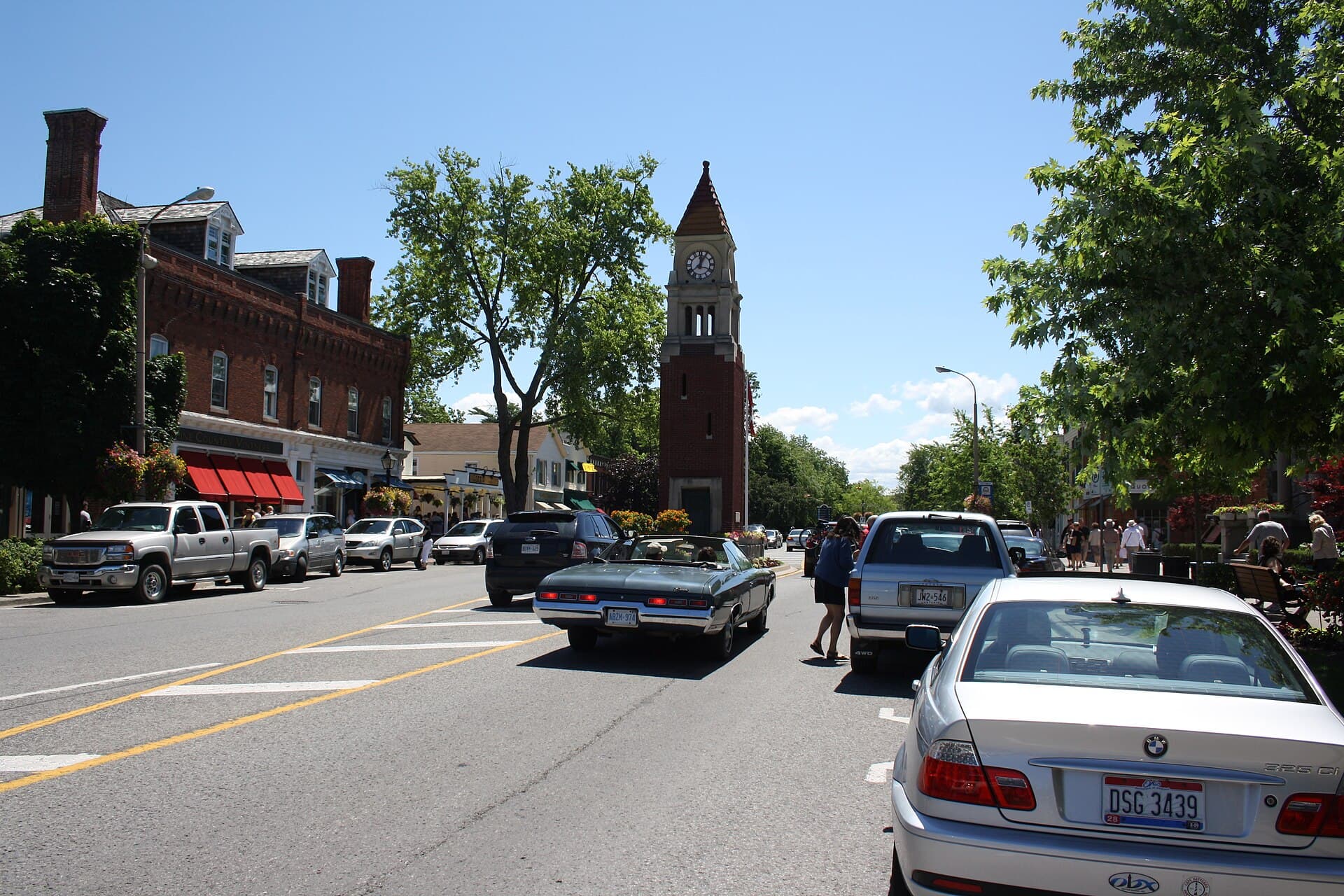
Passeggia nel quartiere storico di Niagara-on-the-Lake, dove Queen Street forma l'arteria principale, fiancheggiata da boutique, caffè e gallerie. Ammira l'architettura dell'epoca vittoriana e le vivaci esposizioni floreali, magari anche da una carrozza trainata da cavalli. Tra i punti di riferimento degni di nota figurano il Memorial Clock Tower e l'Old Courthouse.
Entra nel passato alla Niagara Apothecary, un museo ospitato in una farmacia del 1869, che offre uno sguardo sulla medicina storica. Esplora il Fort George National Historic Site, un forte militare restaurato della guerra del 1812, per comprendere l'importanza strategica dell'area. Per una fuga tranquilla, il Queen's Royal Park offre ampie viste dove il fiume Niagara incontra il Lago Ontario, con panchine e un gazebo ideali per la contemplazione silenziosa.
Oltre al centro città, Niagara-on-the-Lake è nota per le sue cantine. Considera un tour guidato o noleggia una bicicletta per esplorare le quasi 40 cantine, molte delle quali offrono degustazioni e esperienze culinarie. Lo Shaw Festival presenta teatro di livello mondiale in tre sedi, tra cui il Royal George Theatre. Per un'avventura di diverso tipo, considera un tour di acque bianche nel Niagara Gorge o una visita alle Cascate del Niagara, a breve distanza in auto.
Niagara-on-the-Lake offre esperienze distinte nelle sue quattro stagioni. La tarda primavera (marzo-giugno) porta fiori in fiore e vigneti in germoglio, con piacevole sole. L'estate (luglio-settembre) è ideale per visite alle cantine, attività all'aperto e per assistere allo Shaw Festival, anche se può essere affollata. L'autunno (ottobre-novembre) mostra suggestivi colori autunnali, temperature miti e festival del raccolto, con meno folla. L'inverno (dicembre-febbraio) trasforma la città in un villaggio festivo, evidenziato dal Niagara Icewine Festival a gennaio.
Niagara-on-the-Lake si trova nell'Ontario meridionale, a circa 25 minuti a nord delle Cascate del Niagara e a 1,5 ore dalla Greater Toronto Area tramite la Queen Elizabeth Way (QEW Highway). Mentre il centro della città è percorribile a piedi, si consiglia un'auto per esplorare la regione più ampia e le sue numerose cantine. Le opzioni di trasporto pubblico includono prendere un GO Train da Toronto a Niagara Falls e poi un autobus o taxi di collegamento per Niagara-on-the-Lake. La navetta WEGO offre anche un servizio tra Niagara-on-the-Lake e Niagara Falls da maggio a ottobre.
Le opzioni di alloggio includono hotel, bed and breakfast e locande. Per quanto riguarda la ristorazione, la città offre una vasta gamma di ristoranti, dalla ristorazione raffinata ai pub informali, molti dei quali presentano prodotti e vini locali. Tieni presente che molti locali tendono a chiudere prima, intorno alle 22:00. Non ci sono grandi magazzini a Niagara-on-the-Lake; i principali punti vendita richiedono un breve tragitto in auto verso città vicine come Niagara Falls o St. Catharines.
Niagara-on-the-Lake — coreano, cinese, ebraico e altre 29 lingue, ogni tappa narrata da una voce madrelingua. La più ampia scelta di lingue tra i tour audio autoguidati.
Disponibile in: