Форт Ни́зва
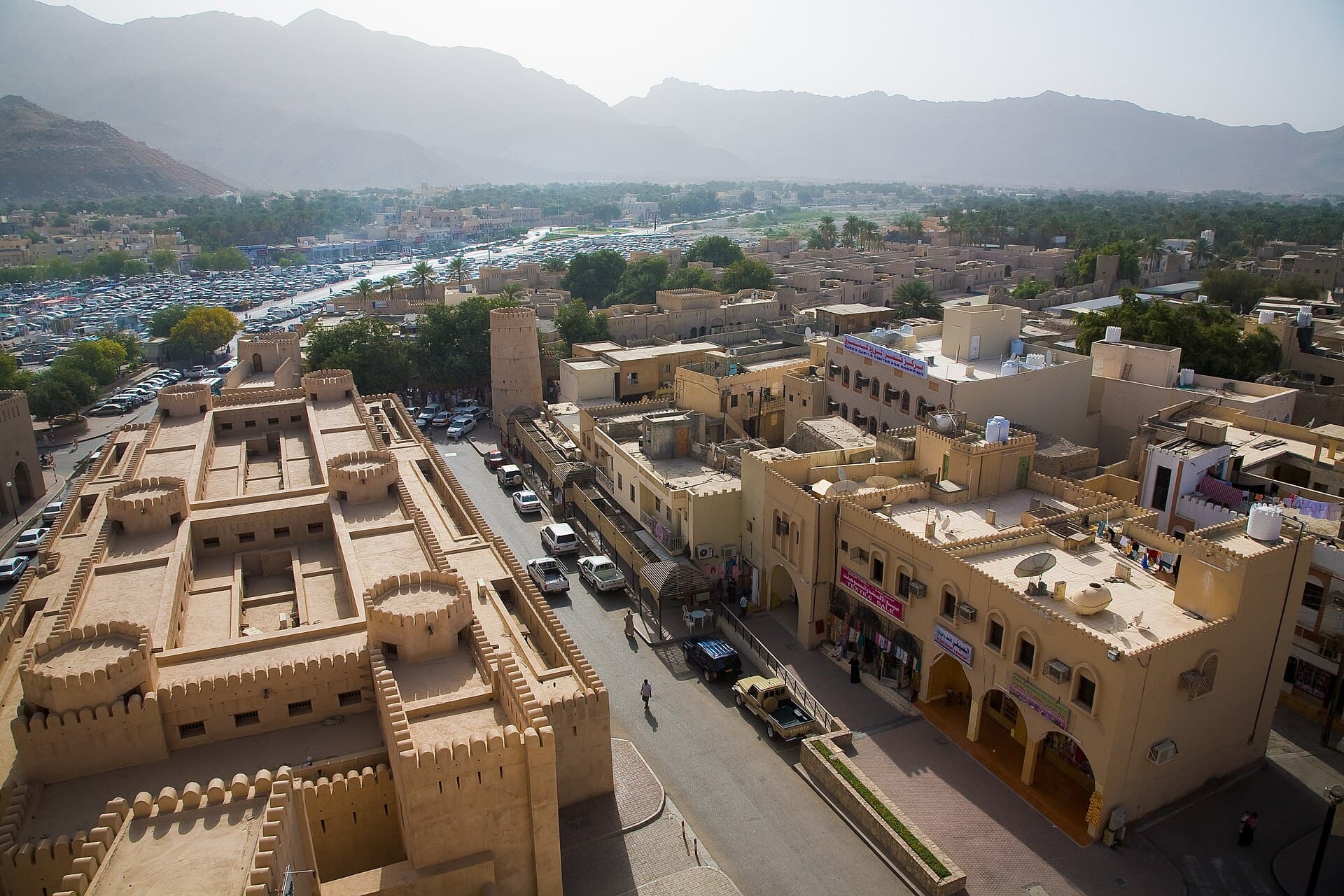
Массивный цилиндрический бастион форта был не просто демонстрацией силы; он скрывал удивительную защиту.
Полная история открывается в туре
 Andries Oudshoorn / CC BY-SA 2.0, via Wikimedia Commons
Самостоятельная аудиопрогулка по Низва — GPS-маршрут, офлайн-воспроизведение, увлекательное повествование на 32 языках.
“Где древние традиции отзываются в грозных фортах и оживленных базарах.”
Не открытки. Истории, которые не знают даже местные жители — шепотом в вашем ухе, прямо там, где они произошли.
Массивный цилиндрический бастион форта был не просто демонстрацией силы; он скрывал удивительную защиту.
Помимо блестящего серебра и ароматных специй, менее очевидная часть сука предлагает неожиданные находки.
Ритмичные выкрики и оживленная атмосфера пятничного рынка коз — это не только торговля; они раскрывают тонкое общение между покупателями.
Откройте для себя каждый секрет Низва
Каждый адрес, каждое полное раскрытие — в вашем ухе, прямо там, где это произошло.
Вы выбираете остановки. Вы гуляете. Голос раскрывает то, что упускают другие.


Ваш самостоятельный аудиотур по Низва готов — выберите свои достопримечательности, выберите свой язык и начните в момент прибытия.
КупитьВ Lume встроен гид дополненной реальности. Поднимите телефон: камера показывает улицу перед вами, а поверх реального изображения светится стрелка, всегда указывающая на вашу следующую остановку — не нужно разбираться с картой и сворачивать не туда. Как и всё в Lume, это работает полностью офлайн.
Ни́зва, один из древнейших городов Омана, представляет собой захватывающее сочетание непреходящей истории, глубокой культуры и традиционной оманской жизни. Часто называемый «Жемчужиной Ислама», он служил столицей Омана в VI и VII веках нашей эры, а затем снова в 793 году нашей эры в начале второго имамата. Его стратегическое расположение на пересечении древних торговых путей, в сочетании с обильными источниками воды, такими как Фаладж Дарис, крупнейшая в стране система фаладж (ирригационная система), укрепило его значение на протяжении более тысячелетия.
Сегодня Низва остается важным культурным и туристическим центром, привлекающим посетителей своей хорошо сохранившейся архитектурой, оживленными рынками и близостью к живописным горным пейзажам. Город модернизировался с 1970 года, с улучшенной инфраструктурой и растущим вниманием к туризму, но при этом сохраняет глубокую связь со своим наследием. Посещение этого места дает представление об аутентичных оманских традициях, от оживленного пятничного рынка коз до искусной работы мастеров, представленной на его базарах (суках).
История Ни́звы насчитывает более четырех тысяч лет, что делает ее одним из древнейших городов Омана. Ее известность началась в VI и VII веках нашей эры, когда она служила столицей Омана под властью династии Джуланда. Легенда гласит, что именно в Ни́зве лидеры Джуланда впервые приняли Ислам в 630 году нашей эры, за что город получил прозвища «Жемчужина Ислама» и «колыбель ислама». В 793 году нашей эры он снова был выбран столицей в начале второго имамата, решение, на которое повлияло его внутреннее расположение, обеспечивающее большую безопасность от персидских нападений по сравнению с прибрежной столицей Сохар.
На протяжении более тысячи лет Низва оставалась главным городом внутренних районов, служа резиденцией правящих имамов страны, которые управляли государством, независимым от султанов Маската. Эта долгая история самоуправления способствовала ее репутации религиозного консерватизма и племенной независимости. Город также процветал как крупный центр исламского обучения, торговли, образования и искусства, а его Большая мечеть когда-то служила центром для ученых.
Форт Ни́зва, внушительное сооружение, был построен в 1668 году нашей эры имамом Султаном бин Сайфом Аль Яруби, который также изгнал португальцев из Омана. Форт, строительство которого заняло около 12 лет, был спроектирован как административный центр и крепость против захватчиков, которых привлекало богатство и стратегическое положение Ни́звы. Его массивный круглый бастион, диаметр основания которого составляет 40 метров, является свидетельством оманской архитектурной изобретательности.
Значение города сохранялось до 1950-х годов, когда Оман был объединен под властью султана Саида бин Таймура. Во время войны в Джебель в начале 1950-х годов Форт Ни́зва был даже бомбардирован британскими ВВС. С 1970 года, под правлением султана Кабуса, Низва претерпела значительную модернизацию, включая улучшение инфраструктуры и создание образовательных учреждений, таких как Университет Ни́звы, который хранит более 6000 древних рукописей. Сегодня Низва сочетает свое историческое наследие с современным развитием, привлекая инвестиции в туризм и инфраструктуру, сохраняя при этом свою уникальную культурную самобытность.
Начните свое исследование с Форта Ни́зва, самого посещаемого национального памятника Омана. Поднимитесь на вершину его впечатляющего цилиндрического бастиона, откуда открываются захватывающие виды на город, пышный пальмовый оазис и далекие горы Хаджар. Внутри экспозиции рассказывают об истории Омана и традиционном оружии.
Рядом с фортом раскинулся Сук Ни́звы, один из старейших рынков Омана. Этот традиционный рынок разделен на секции, предлагая все: от свежих продуктов, фиников и специй до изысканных серебряных украшений, керамики из Бахлы и традиционных ханджаров (изогнутых кинжалов). Сук предлагает спокойную атмосферу для прогулок по сравнению с более оживленными рынками Маската.
Если ваш визит приходится на утро пятницы, Рынок коз в Ни́зве подарит вам незабываемые впечатления. Начиная примерно с 7:00 утра, местные жители собираются для торговли скотом на оживленных торгах — ярком проявлении оманских традиций. Это зрелище криков, торгов и сотен животных, дающее подлинное представление о местной жизни.
За пределами центра города стоит посетить Фаладж Дарис, древнюю ирригационную систему, внесенную в список Всемирного наследия ЮНЕСКО, которая продолжает орошать обширные финиковые рощи Ни́звы. Для тех, кто интересуется однодневными поездками, близлежащий Замок Джабрин с его расписными потолками и резным стукко, а также древняя глинобитная деревня Биркат Аль Моз также заслуживают внимания.
Идеальное время для посещения Ни́звы — прохладные месяцы с октября по март. В этот период температура умеренная и приятная, обычно колеблется от 24 до 26°C, что идеально подходит для изучения достопримечательностей города под открытым небом. Январь часто является самым прохладным месяцем. Летние месяцы, с мая по сентябрь, чрезвычайно жаркие и засушливые, температура часто достигает 50°C, что делает активный отдых на свежем воздухе некомфортным. По возможности, спланируйте свой визит так, чтобы он совпал с культурным фестивалем в Форте Ни́зва для еще более богатого опыта.
Ни́зва находится примерно в 140-170 км (около 1,5-2 часов езды) к юго-западу от Маската, с хорошо ухоженными дорогами, соединяющими два города. Аэропорта в Ни́зве нет; ближайший — Международный аэропорт Маската. Общественные автобусы курсируют дважды в день между Маскатом и Ни́звой, время в пути составляет около 2,5-3 часов. Находясь в старой Ни́зве, до основных достопримечательностей, таких как Форт и Сук, легко добраться пешком. Для изучения районов за пределами города рекомендуется арендованный автомобиль. Варианты размещения варьируются от роскошных отелей до традиционных гостевых домов, при этом бронирование заранее желательно в пик сезона. При посещении одевайтесь скромно, прикрывая плечи и колени, особенно в религиозных местах. Хотя местным языком является арабский, многие люди, занятые в сфере туризма, говорят по-английски.
Низва: корейский, китайский, иврит и ещё 29 языков — каждую остановку озвучивает носитель языка. Самый широкий выбор языков среди аудиоэкскурсий без гида.
Доступные языки: