Национальный парк Нуса
Среди обильных прибрежных троп Национального парка Нуса существует серия естественных скальных бассейнов, не отмеченных ни на одной официальной карте.
Полная история открывается в туре
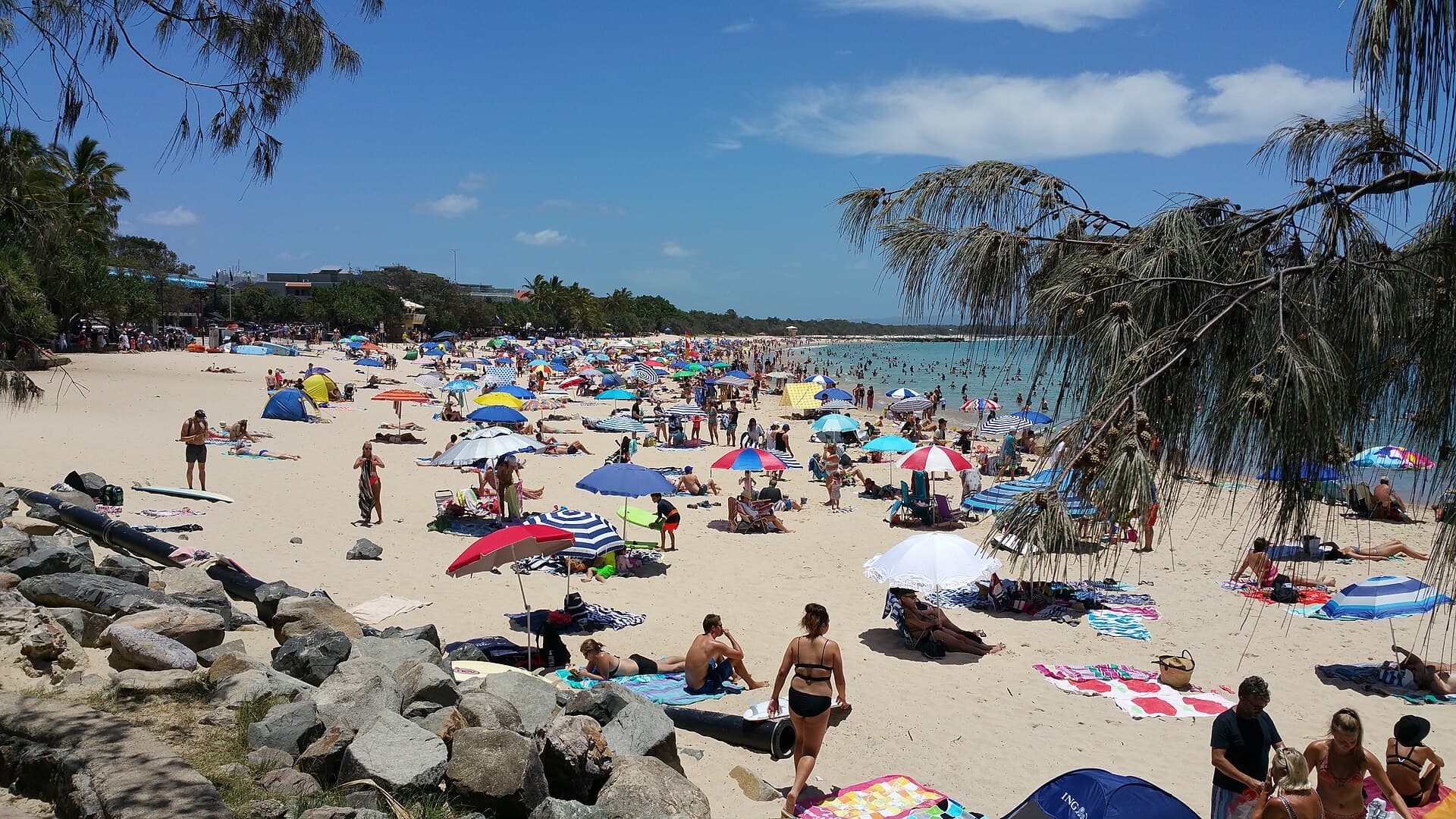 StormcrowMithrandir / CC BY-SA 4.0, via Wikimedia Commons
Самостоятельная аудиопрогулка по Нуса-Хедс — GPS-маршрут, офлайн-воспроизведение, увлекательное повествование на 32 языках.
“Где лес обнимает море, а изысканность встречает песок.”
Не открытки. Истории, которые не знают даже местные жители — шепотом в вашем ухе, прямо там, где они произошли.
Среди обильных прибрежных троп Национального парка Нуса существует серия естественных скальных бассейнов, не отмеченных ни на одной официальной карте.
В то время как многие посетители собираются на Хейстингс-стрит в конце дня, местные жители предпочитают другую возвышенность для ее начала.
Утонченный, современный Нуса-Хедс мог бы выглядеть совершенно иначе, с предложенной 'дорожной кольцевой дорогой' вокруг его отличительного мыса.
Откройте для себя каждый секрет Нуса-Хедс
Каждый адрес, каждое полное раскрытие — в вашем ухе, прямо там, где это произошло.
Вы выбираете остановки. Вы гуляете. Голос раскрывает то, что упускают другие.
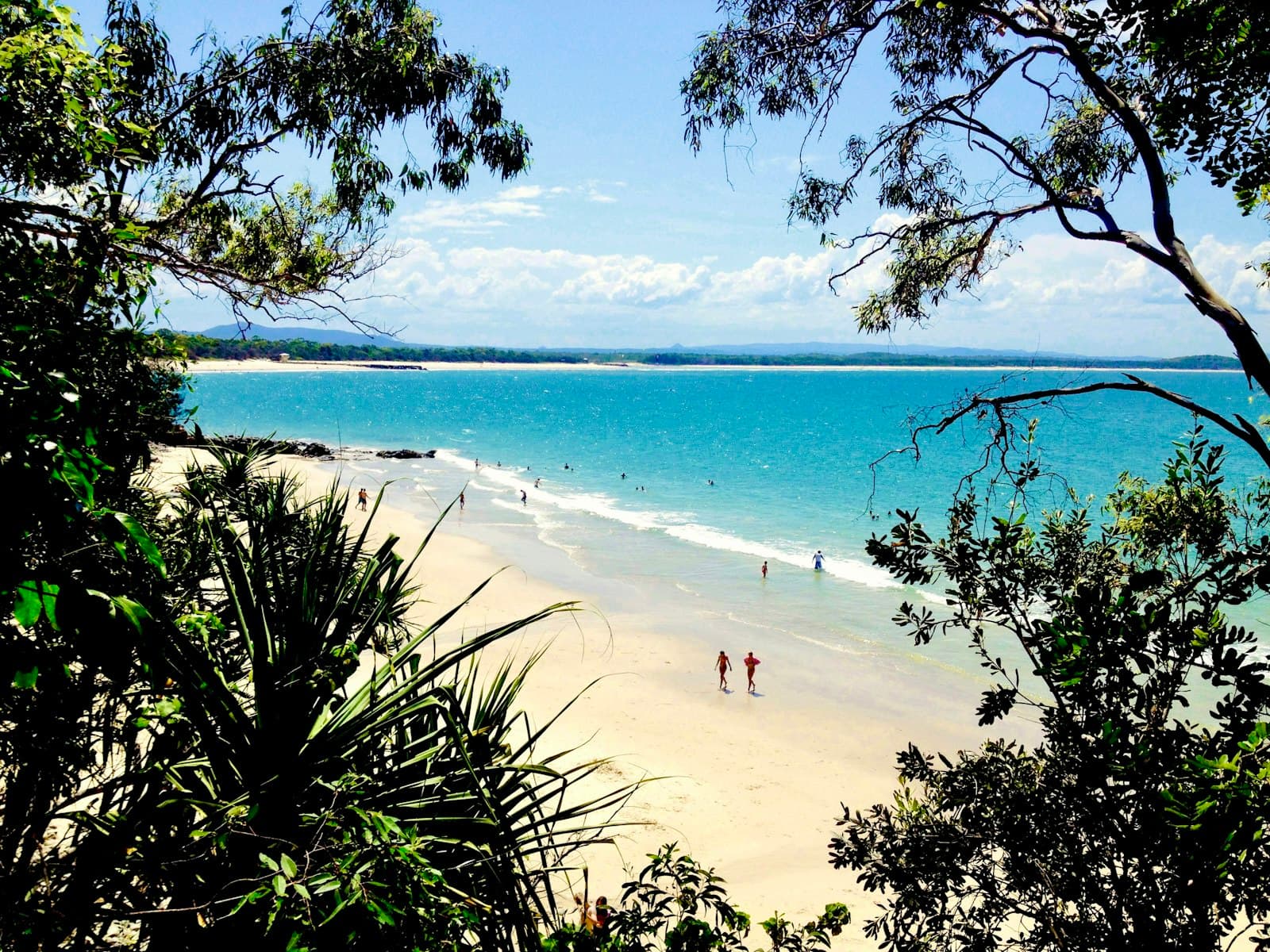
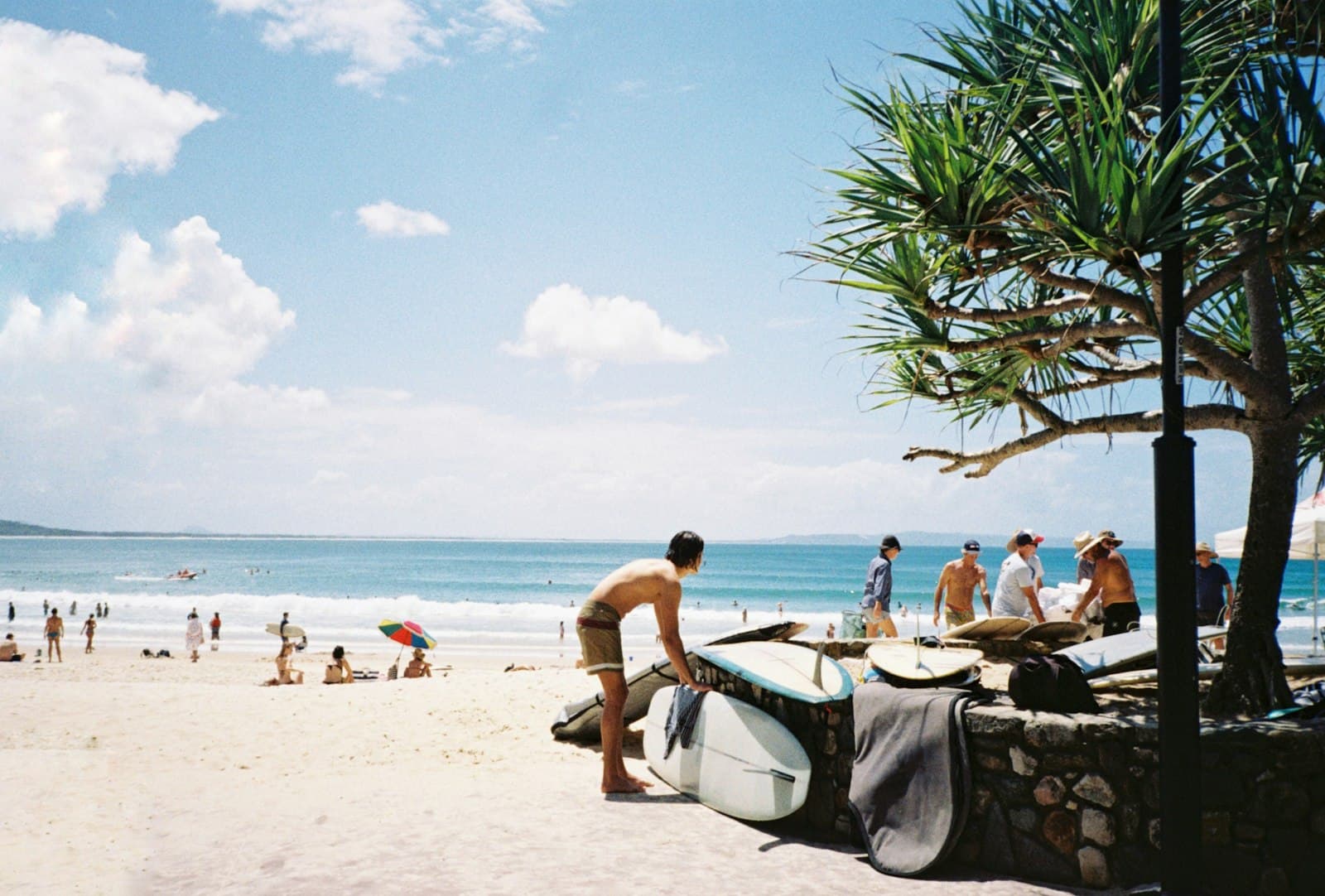
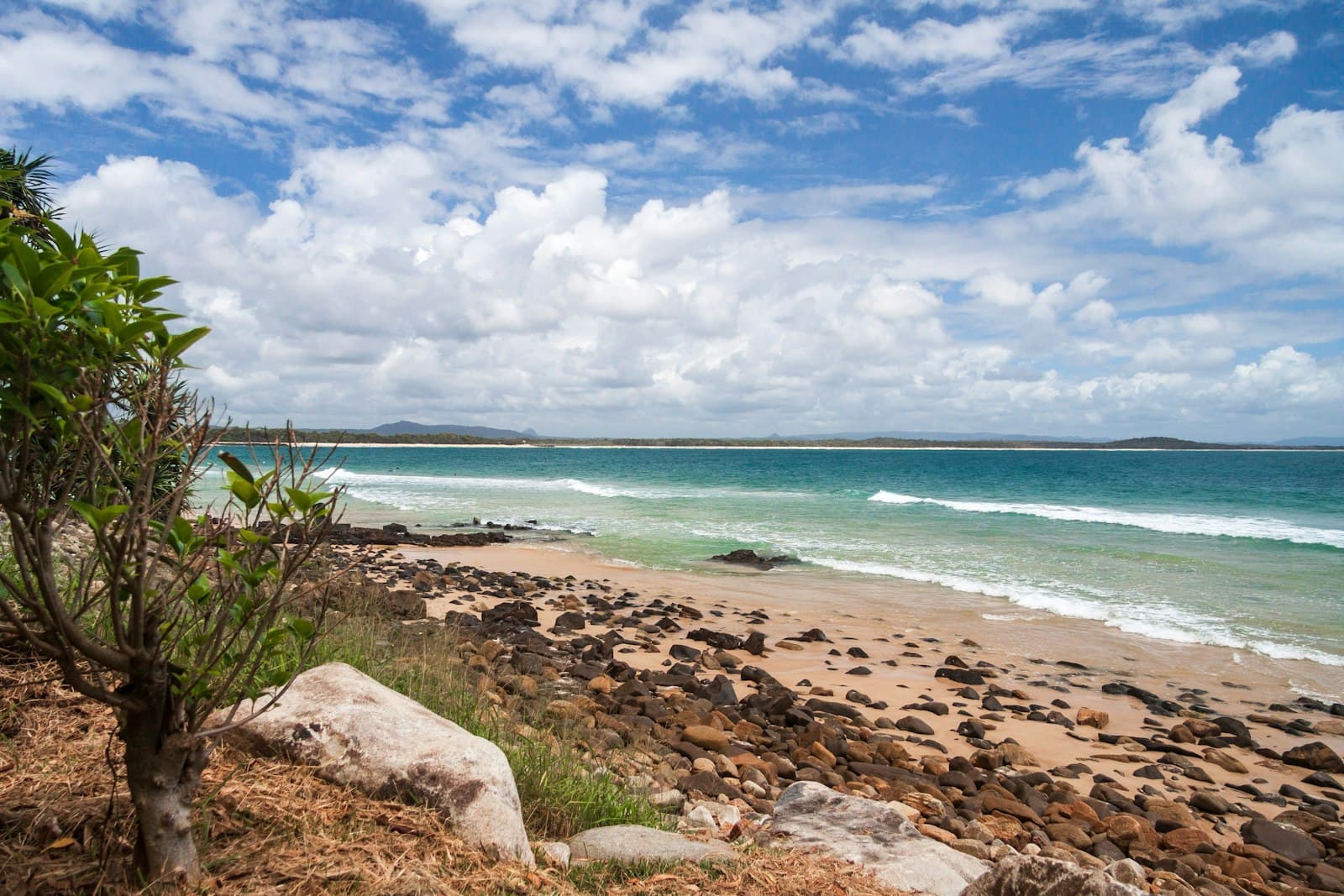
Ваш самостоятельный аудиотур по Нуса-Хедс готов — выберите свои достопримечательности, выберите свой язык и начните в момент прибытия.
КупитьВ Lume встроен гид дополненной реальности. Поднимите телефон: камера показывает улицу перед вами, а поверх реального изображения светится стрелка, всегда указывающая на вашу следующую остановку — не нужно разбираться с картой и сворачивать не туда. Как и всё в Lume, это работает полностью офлайн.
Нуса-Хедс, прибрежный поселок в Квинсленде, Австралия, является излюбленным местом отдыха, известным своими пляжами, заповедником и изысканными ресторанами. Расположенный на северной окраине Саншайн-Кост, он образует единую городскую агломерацию с Нусавиллом и Тьювантином. Город граничит с ручьем Вейба и рекой Нуса на западе, а также с Коралловым морем на севере и востоке. Значительная часть его северо-восточной территории находится в пределах Национального парка Нуса.
Название 'Нуса' широко считается вариантом слова племени Каби Каби 'nuthuru' или 'gnuthuru', означающего 'тень' или 'тенистое место'. Племя аборигенов Каби Каби населяло район Нусы в течение 40 000 лет до прибытия европейцев в 1800-х годах. Сегодня Нуса-Хедс ценится за гармоничное сочетание природной красоты и утонченной атмосферы, привлекая посетителей круглый год.
Регион Нусы является исконной землей народа Каби Каби (также известного как Губби Губби), чье наследие насчитывает тысячи лет. Считается, что название 'Нуса' происходит от их слова 'nuthuru' или 'gnuthuru', означающего 'тень' или 'тенистое место'. Первое задокументированное прибытие европейцев на пляж в Нуса-Хедс произошло в 1842 году, когда группа высадилась, чтобы разыскать сбежавшего каторжника по имени Дэвид Брейсвелл (или Брейсфилд). Капитан Кук проплыл мимо Нусы в 1770 году, отметив 'низкий скалистый мыс' и 'самую северную точку суши', ныне идентифицированную как Нуса-Хедс, хотя он и не обнаружил устье реки Нуса.
В течение 19 века зарождающаяся экономика Нусы была обусловлена лесной и лесопильной промышленностью, особенно красным кедром, а Тьювантин служил важным портом. Однако строительство железной дороги между Брисбеном и Джимпи в 1891 году привело к транспортировке древесины по железной дороге, что снизило значение портовых сооружений Тьювантина. Несмотря на этот сдвиг, пляж в Нуса-Хедс начал привлекать путешественников в 1890-х годах. Ранние поселенцы, такие как Уолтер Хэй, приобрели участки вдоль Хейстингс-стрит, построив пансионы, такие как Bay View House (ныне Halse Lodge) в 1880 году и Laguna House в 1906 году.
До конца 1920-х годов Нуса-Хедс был в основном доступен по воде через реку Нуса. Важный момент наступил в 1929 году, когда мельбурнский застройщик Т.М. Берк согласился построить два арочных деревянных моста через залив Лейк-Дунелла и ручей Вейба, а также дорогу к побережью в обмен на землю муниципалитета. Этот доступ по дороге, завершенный около 1930 года, стимулировал развитие Нуса-Хедс, с появлением кафе и мест для проживания путешественников вдоль пляжа и Хейстингс-стрит. Путешествия в этот район значительно расширились после Второй мировой войны. Нетронутый лес на мысе был обозначен как городской заповедник в 1879 году и официально учрежден как Национальный парк Нуса в 1930 году, обеспечив его сохранение. Клуб спасателей на воде Нуса-Хедс был основан в 1927 году. В 1988 году город был официально переименован в Нуса-Хедс, а в мае 2021 года он был признан лучшим туристическим городом Квинсленда.
Нуса-Хедс предлагает разнообразные достопримечательности, от прибрежных троп до оживленных улиц. Национальный парк Нуса — обязательное место для посещения, предлагающее бесплатный вход и сложную сеть троп. Популярная прибрежная тропа простирается примерно на 11 километров, ведя вас от главного пляжа Нусы до Саншайн-Бич, с возможностью увидеть коал среди эвкалиптовых деревьев. Вдоль этого маршрута вы встретите пляж Литл-Коув и бухту Ти-Три, оба известны своей чистой, спокойной водой. Далее по тропе расположены смотровые площадки, такие как Бойлинг-Пот, Дельфин-Пойнт и Адские Врата, где вы можете увидеть дельфинов и даже китов во время их миграции.
Главный пляж Нусы служит центральной точкой, идеально подходящей для плавания, серфинга и паддлбординга, хотя здесь может быть довольно оживленно. Рядом с пляжем находится Хейстингс-стрит, оживленная магистраль с известными ресторанами, кафе, барами и разнообразными бутиками, галереями и магазинами серфинга. Для другого ракурса рассмотрите путешествие по реке Нуса или эко-сафари в Эверглейдс Нусы, одну из двух таких систем на Земле, где обитает 40% видов птиц Австралии. Фермерский рынок Нусы по воскресеньям в Нусавилле предлагает местные продукты, морепродукты и выпечку.
В Нуса-Хедс ежегодно бывает более 300 солнечных дней, что делает его привлекательным местом отдыха в любое время года. Теплый сезон длится с конца ноября до конца марта, причем январь обычно является самым теплым месяцем со средней температурой 28°C (82°F). Этот период оживленный и энергичный, с пиковым наплывом туристов, особенно во время школьных каникул в декабре и январе. Для занятий в теплую погоду идеально подходит период с середины сентября до конца апреля. Осень (март-май) предлагает приятную погоду с пониженной влажностью и меньшим количеством посетителей, что делает ее хорошим временем для ужина и активного отдыха, такого как пешие прогулки. Зима (июнь-август) мягкая, сухая и солнечная, с более прохладными утрами и вечерами, и меньшим количеством туристов, отлично подходит для исследования национального парка или наблюдения за китами. Весна (сентябрь-ноябрь) приносит потепление, минимальное количество осадков и новую жизнь в национальные парки, а также вторую возможность увидеть мигрирующих китов.
По Нуса-Хедс легко перемещаться пешком, особенно в районе центральной Хейстингс-стрит. Общественные автобусы доступны для более дальних расстояний, а паром Нусы предлагает живописный способ передвижения по реке. Для исследования за пределами Нуса-Хедс аренда автомобиля удобна, хотя найти парковку иногда может быть сложно. Ближайший крупный аэропорт для международных рейсов — аэропорт Брисбена (BNE), примерно в 1 часе 50 минутах езды. Аэропорт Саншайн-Кост (MCY) в Маручидоре находится ближе, примерно в 30 минутах езды, с прямыми рейсами из других австралийских городов. Автобусы Greyhound также обслуживают маршруты из Брисбена.
Местная валюта — австралийский доллар (AUD), и основные кредитные карты, такие как VISA, Mastercard и American Express, широко принимаются. Банкоматы легко доступны. Бесплатный WiFi распространен в туристических зонах, отелях и курортах. Хотя Нуса можно считать более дорогим направлением, существуют варианты размещения для различных бюджетов, включая хостелы и апартаменты для отдыха.
Нуса-Хедс: корейский, китайский, иврит и ещё 29 языков — каждую остановку озвучивает носитель языка. Самый широкий выбор языков среди аудиоэкскурсий без гида.
Доступные языки: