Terrenos del 'Proyecto Americano' de Nosara
La visión para Nosara en los años 70 incluía algo que nunca se materializó, sin embargo, su ausencia es una razón clave del atractivo duradero de la zona.
La historia completa se desbloquea en el tour
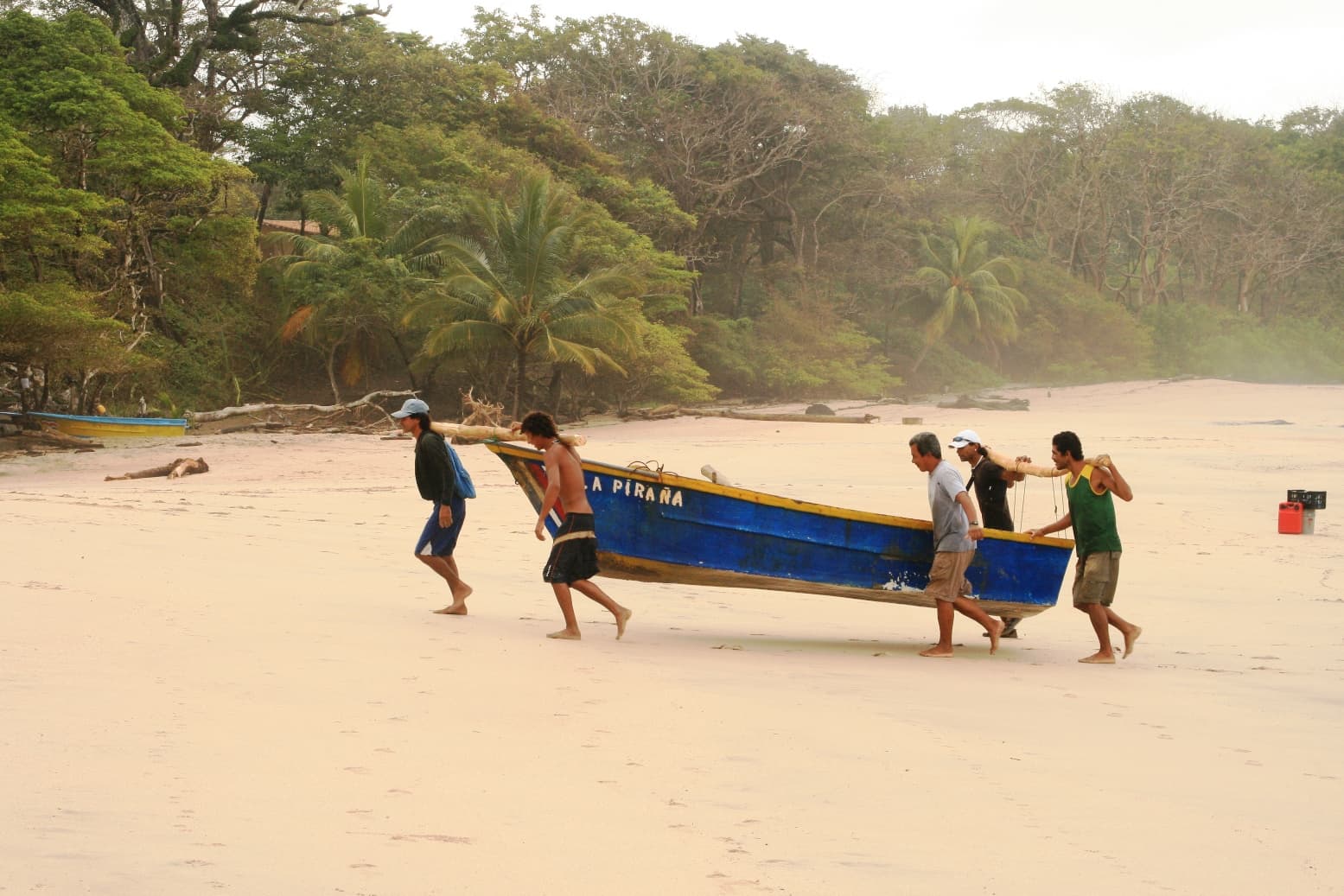 Carlos Adampol Galindo / CC BY-SA 2.0, via Wikimedia Commons
Tour de audio autoguiado de Nosara — ruta GPS a pie, reproducción offline, narración en 32 idiomas.
“Donde la selva saluda al Pacífico y 'Pura Vida' es un estilo de vida.”
No las postales. Las historias que ni los locales conocen — al oído, justo donde ocurrieron.
La visión para Nosara en los años 70 incluía algo que nunca se materializó, sin embargo, su ausencia es una razón clave del atractivo duradero de la zona.
Aunque Nosara es conocida por sus olas constantes, una playa cercana alberga un fenómeno natural tan inmenso que puede hacer desaparecer la arena bajo un tipo diferente de 'ola'.
Nosara se encuentra en una región donde la gente no solo vive, sino que prospera hasta una edad extraordinaria, un secreto vinculado al propio ritmo de sus días.
Descubre todos los secretos de Nosara
Cada dirección, cada revelación al completo — a tu oído, justo donde ocurrió.
Eliges tus paradas. Caminas. La voz te revela lo que los demás ignoran.
Tu tour de audioguía por Nosara te espera — elige tus lugares, tu idioma y empieza al llegar.
ComprarLume incluye una guía de realidad aumentada. Levanta el móvil y su cámara muestra la calle que tienes delante, con una flecha luminosa sobre la imagen real que siempre apunta a tu próxima parada — sin mapas que descifrar, sin giros equivocados. Como todo en Lume, funciona completamente sin conexión.
Nosara, en la Península de Nicoya de Costa Rica, es un destino donde el ritmo de vida está dictado por las mareas y el sol. Es un lugar que ha evolucionado silenciosamente hasta convertirse en un centro de bienestar, surf y una profunda apreciación por el mundo natural. A diferencia de muchos pueblos costeros, Nosara mantiene un carácter distintivo, en gran parte debido a su compromiso con la conservación y una mezcla única de cultura local costarricense (o 'Tica') y una comunidad internacional.
Los visitantes son atraídos a Nosara por sus consistentes rompientes de surf, retiros de yoga de clase mundial y la oportunidad de sumergirse en una forma de vida más lenta e intencional. Las carreteras sin pavimentar y las zonas de amortiguamiento protegidas a lo largo de la costa aseguran que el desarrollo se mantenga discreto, fomentando un ambiente donde los monos aulladores son una vista común y los atardeceres son un evento diario y comunitario. Es un lugar que fomenta las mañanas tempranas, la exploración al aire libre y una conexión genuina con su próspero ecosistema.
La historia de Nosara se remonta a la era precolombina, con las tribus indígenas Chorotega y Nicoya habitando la Península de Nicoya. Se dice que el nombre 'Nosara' deriva de una princesa Chorotega, una historia de amor y tragedia que forma parte del patrimonio cultural de la región. Durante siglos, la zona permaneció como un paisaje rural tranquilo, centrado principalmente en la agricultura y la ganadería.
Un cambio significativo llegó en las décadas de 1960 y 1970. Antes de 1824, la Península de Nicoya era en realidad parte de Nicaragua, uniéndose voluntariamente a Costa Rica el 25 de julio de 1824. En 1962, un empresario estadounidense, Alan Hutchinson, compró un gran rancho ganadero con la idea de crear una comunidad turística llamada 'Las Playas de Nosara', conocida localmente como 'el Proyecto Americano'. Este proyecto, aunque no se realizó completamente como se concibió inicialmente (un campo de golf de 18 hoyos, por ejemplo, nunca se construyó), desempeñó un papel fundamental en atraer la atención a la región y establecer un desarrollo planificado con un fuerte énfasis en la protección ambiental.
La Asociación Cívica de Nosara (NCA) se formó tempranamente, priorizando la reforestación y la protección ambiental. Una política de conservación crucial estableció una zona de amortiguamiento de 250 metros a lo largo de las playas, protegiéndolas de la construcción permanente y sirviendo como refugio de vida silvestre para las tortugas marinas que anidan. Esta política ha sido fundamental para preservar la belleza natural de Nosara y sus playas galardonadas con el 'Premio Bandera Azul Ecológica'. Con el tiempo, la zona se transformó de un pastizal ganadero deforestado a un exuberante bosque seco tropical. La comunidad hoy es una mezcla única de costarricenses y expatriados, unidos por un compromiso compartido con un estilo de vida pacífico y sostenible.
Nosara ofrece una variedad de experiencias que conectan a los visitantes con su entorno natural y su cultura relajada. Playa Guiones es la playa más popular, conocida por sus consistentes rompientes de surf aptas para todos los niveles, y es un lugar privilegiado tanto para surfear como para observar el ritual diario del atardecer. Justo al norte, Playa Pelada ofrece una alternativa más tranquila, ideal para nadar, ver el atardecer y cenar en restaurantes frente a la playa como La Luna.
Más allá de las playas, explore la Reserva Biológica de Nosara, un área protegida donde podrá avistar monos aulladores, iguanas y varias especies de aves. El Santuario de Vida Silvestre Sibu es un centro de rescate y educación dedicado a proteger la vida silvestre nativa de Costa Rica, ofreciendo recorridos educativos. Para una experiencia verdaderamente única, visite el Refugio Nacional de Vida Silvestre Ostional, especialmente durante las 'arribadas' (de julio a diciembre), para presenciar la anidación de miles de tortugas marinas lora.
Participe en la escena de bienestar local con una clase o retiro de yoga, una parte fundamental de la identidad de Nosara. Los tours a caballo por las playas y a través de la selva ofrecen una perspectiva diferente del paisaje, a menudo programados para el atardecer. Pasear en kayak por los manglares del río Nosara brinda la oportunidad de observar aves y cocodrilos. No se pierda el Mercado Orgánico de los Martes (Rainbow Organic Tuesday Market) para artesanías y cocina local.
Nosara tiene dos estaciones distintas. La estación seca, de diciembre a abril, trae abundante sol, aguas cálidas del océano y mínimas lluvias, lo que la convierte en la época más popular para los visitantes. Las olas durante este período son generalmente más pequeñas y limpias, ideales para principiantes.
La estación verde, de mayo a noviembre, presenta lluvias por la tarde, paisajes exuberantes y menos multitudes. Las mañanas suelen ser claras, con la lluvia refrescando el ambiente más tarde en el día. Esta estación ve olas más grandes, atrayendo a surfistas intermedios y avanzados. Finales de noviembre o principios de mayo pueden ofrecer un equilibrio de sol, menos multitudes y tarifas más asequibles.
Nosara se encuentra en la Península de Nicoya, en la provincia de Guanacaste. El aeropuerto internacional más cercano es Liberia (LIR), a unas 2.5 horas en coche, mientras que San José (SJO) está a 5 horas en coche o un corto vuelo doméstico. Las carreteras hacia Nosara son en su mayoría sin pavimentar y pueden ser difíciles, especialmente durante la temporada de lluvias, por lo que se recomienda un vehículo 4x4 si alquila un coche. Muchos visitantes también optan por vehículos todo terreno (ATV) o tuk-tuks locales para moverse.
El español es el idioma oficial, pero el inglés es ampliamente hablado debido a la comunidad internacional. Tanto los colones costarricenses como los dólares estadounidenses son aceptados por la mayoría de los negocios, aunque pagar en colones a menudo resulta en una mejor tasa. Hay cajeros automáticos disponibles pero pueden ser poco fiables, por lo que es aconsejable tener efectivo a mano. Nosara puede ser más cara que otras partes de Costa Rica, particularmente para comer y actividades, por lo que es útil presupuestar en consecuencia.
Nosara en coreano, en chino o en hebreo — y 29 idiomas más, cada parada narrada por una voz nativa. La mayor variedad de idiomas de cualquier audioguía autoguiada.
Disponible en: