Castelo de Nottingham
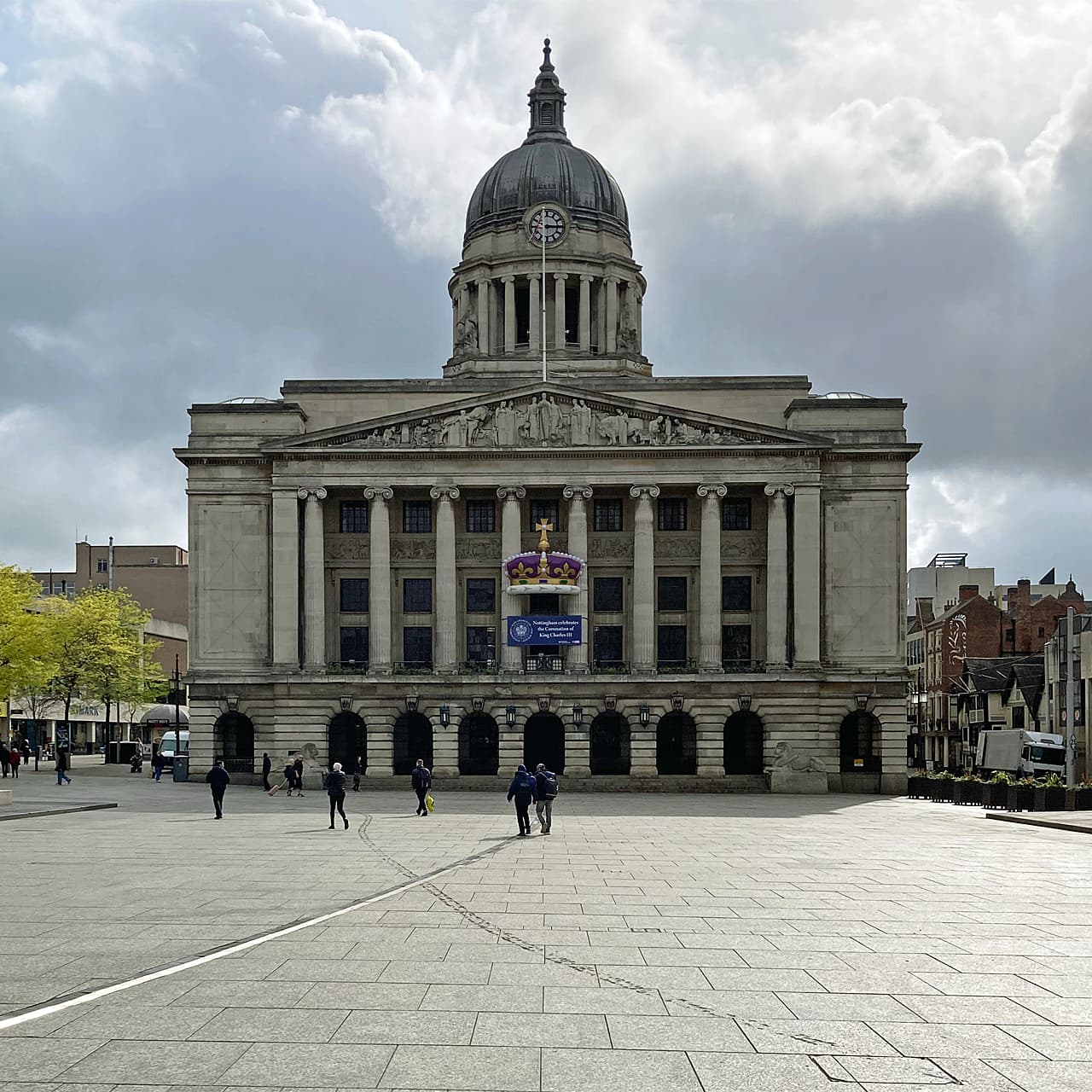
O Castelo de Nottingham, em sua forma atual, é uma mansão ducal do século XVII, mas uma passagem secreta sob ele desempenhou um papel crucial em uma luta pelo poder medieval.
História completa desbloqueada no tour
 John Sutton / CC BY-SA 2.0, via Wikimedia Commons
Tour de áudio autoguiado por Nottingham — rota GPS a pé, reprodução offline, narração envolvente em 32 idiomas.
“Sob uma cidade de lendas, uma história secreta esculpida em pedra.”
Não os postais. As histórias que nem os locais conhecem — sussurradas ao seu ouvido, exatamente onde aconteceram.
O Castelo de Nottingham, em sua forma atual, é uma mansão ducal do século XVII, mas uma passagem secreta sob ele desempenhou um papel crucial em uma luta pelo poder medieval.
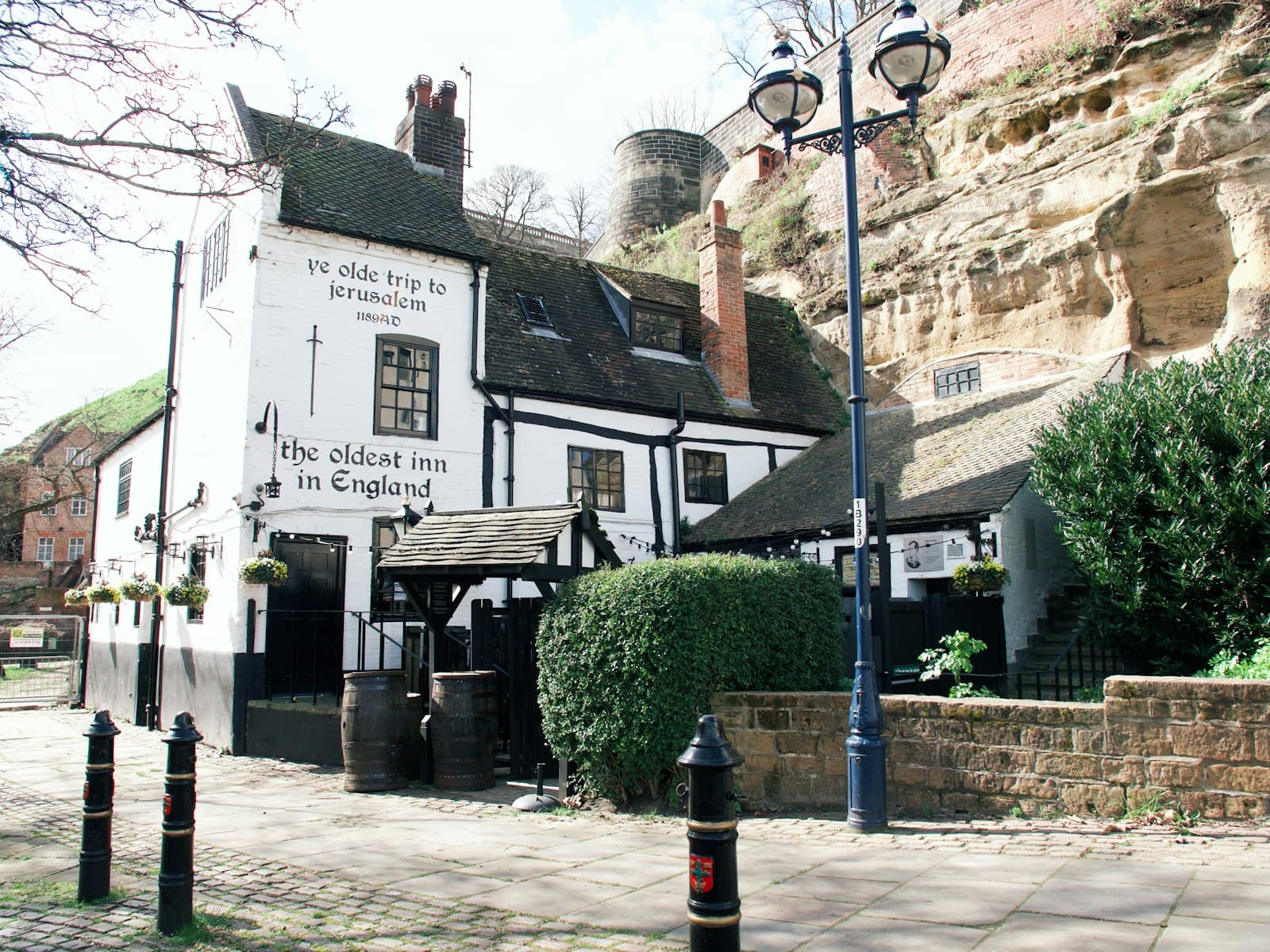
Este pub histórico afirma ser o mais antigo da Inglaterra, datado de 1189, e seu nome tem um significado menos óbvio do que você poderia imaginar.
O grandioso Nottingham Council House, com sua cúpula icônica, tem uma conexão surpreendente com um avanço tecnológico significativo.
Descubra cada segredo de Nottingham
Cada endereço, cada revelação na íntegra — no seu ouvido, exatamente onde aconteceu.
Você escolhe as suas paragens. Você caminha. A voz revela o que os outros perdem.


O seu tour áudio autoguiado de Nottingham está pronto — escolha os seus pontos de interesse, selecione o seu idioma e comece no momento em que chegar.
ComprarA Lume inclui um guia de realidade aumentada. Levante o telemóvel: a câmara mostra a rua à sua frente, com uma seta luminosa sobreposta à imagem real que aponta sempre para a sua próxima paragem — sem mapa para decifrar, sem voltas erradas. Como tudo na Lume, funciona totalmente offline.
Nottingham, uma cidade nas East Midlands da Inglaterra, entrelaça-se com as narrativas lendárias de Robin Hood. Esta cidade oferece uma mistura cativante de herança medieval e experiências culturais contemporâneas, convidando os visitantes a explorar seu caráter único. Do seu imponente castelo à rede labiríntica de cavernas sob suas ruas, Nottingham proporciona uma fascinante viagem no tempo.
Além do seu folclore, Nottingham é um centro de cultura dinâmica, com uma próspera cena artística, diversas opções culinárias e um notável setor de varejo independente. O centro compacto e em grande parte para pedestres da cidade o torna ideal para passeios tranquilos, permitindo fácil acesso aos seus marcos e atrações modernas. Seja buscando intriga histórica, inspiração artística ou simplesmente uma atmosfera urbana animada, Nottingham apresenta um destino envolvente para todos.
A importância histórica de Nottingham estende-se ao seu papel em várias inovações, incluindo a invenção do ibuprofeno, asfalto e o semáforo. Este espírito de engenhosidade, combinado com seus elos tangíveis com séculos de história inglesa, contribui para o caráter independente e o apelo duradouro da cidade.
## Do Assentamento Anglo-Saxão ao Baluarte Normando As origens de Nottingham remontam a um assentamento anglo-saxão conhecido como Snotengaham, que significa 'o lar do povo do homem sábio', que se desenvolveu na cidade que conhecemos hoje. Evidências de assentamento rural precoce na área de Lace Market datam dos séculos V e VI, anteriores à Conquista Normanda.
Após a Batalha de Hastings em 1066, Guilherme, o Conquistador, ordenou a construção de um castelo de madeira motte-and-bailey em Nottingham em 1068. Esta fortificação inicial foi reconstruída em pedra em três anos. O Castelo de Nottingham rapidamente se tornou uma importante fortaleza real, mantida pela Coroa por séculos e passando por amplas ampliações.
## Intriga Real e Guerra Civil O Castelo de Nottingham desempenhou um papel significativo na história real inglesa. Foi apreendido por apoiadores do Príncipe João durante sua rebelião contra o Rei Ricardo I em 1194, um período que alimentou as lendas de Robin Hood e seus Merry Men na Floresta de Sherwood. Mais tarde, Eduardo IV investiu pesadamente no castelo, adicionando novos apartamentos reais e uma torre defensiva no final do século XV. Ricardo III partiu do Castelo de Nottingham para a Batalha de Bosworth em 1485, onde foi morto, marcando o fim da dinastia Plantageneta.
O castelo também se tornou um ponto focal no início da Guerra Civil Inglesa. Em 1642, o Rei Carlos I ergueu seu estandarte real no Castelo de Nottingham, declarando guerra ao Parlamento. Após a guerra, o Castelo de Nottingham original foi em grande parte destruído em 1651 por ordem dos Parlamentaristas para evitar seu uso posterior como fortaleza real.
## Revolução Industrial e Renascimento Moderno Na década de 1670, uma mansão ducal foi construída no local do antigo castelo, concluída pelo 2º Duque de Newcastle. Esta mansão foi posteriormente incendiada por manifestantes em 1831 durante protestos relacionados à segunda Lei de Reforma. Permaneceu em ruínas até a década de 1870, quando foi renovada para abrigar uma galeria de arte e museu, função que continua a desempenhar hoje.
O século XIX viu Nottingham emergir como um centro global de fabricação de renda, com o distrito de Lace Market tornando-se o coração comercial desta indústria. A invenção do tear de tricô no final do século XVI e as melhorias subsequentes na tecnologia de fabricação de renda transformaram a área. Embora a indústria de renda tenha declinado após a Primeira Guerra Mundial, o Lace Market passou por uma regeneração significativa, transformando-se em uma área ativa de apartamentos, escritórios, galerias e lojas.
Sob a cidade, uma vasta rede de mais de 800 cavernas artificiais, escavadas em arenito macio, foi utilizada para diversos fins ao longo da história, desde curtumes medievais até abrigos antiaéreos durante a Segunda Guerra Mundial. Este mundo subterrâneo permanece uma parte única e acessível da história duradoura de Nottingham.
Comece sua exploração no Castelo de Nottingham, uma mansão ducal construída no local de uma fortaleza normanda. Explore seu museu e galeria de arte, e considere um passeio pelas cavernas para mergulhar nas passagens históricas sob o castelo. Perto dali, a Estátua de Robin Hood oferece uma oportunidade clássica para fotos, conectando-se diretamente à lenda mais famosa da cidade.
Desça para a Cidade das Cavernas, uma notável rede de mais de 800 cavernas artificiais de arenito que serviram a diversos propósitos ao longo da história de Nottingham, desde moradias a curtumes e abrigos antiaéreos. A reserva antecipada é recomendada para passeios. Adjacente às cavernas, o National Justice Museum oferece uma experiência imersiva na história da lei e da punição, abrigado em uma prisão de 800 anos.
Para um gostinho da história local e uma cerveja, visite Ye Olde Trip to Jerusalem, um dos vários pubs que reivindicam ser o mais antigo da Inglaterra. Este pub é construído na rocha sob o Castelo de Nottingham, com salas em cavernas que já fizeram parte da cervejaria do castelo. Passeie pelo Lace Market, um distrito histórico caracterizado por armazéns vitorianos agora convertidos em apartamentos, lojas e locais culturais como a galeria de arte Nottingham Contemporary. Não perca a Old Market Square, a maior praça de mercado da Inglaterra, uma área central para pedestres que sedia vários eventos ao longo do ano.
Fora do centro da cidade, Wollaton Hall, Gardens and Deer Park oferece 500 acres de parque, uma mansão elisabetana (que serviu como Wayne Manor em O Cavaleiro das Trevas Ressurge) e veados em liberdade. É um local perfeito para caminhadas e para apreciar a natureza.
Nottingham experimenta um clima oceânico temperado com verões amenos e invernos frios, muitas vezes gelados. A melhor época para visitar para atividades ao ar livre com clima quente é de final de junho a final de agosto, quando as temperaturas médias diárias máximas estão acima de 18°C (65°F). Julho é tipicamente o mês mais quente, com uma máxima média de 21°C (70°F). Esses meses de verão também são os mais movimentados para o turismo.
Para menos multidões e potencialmente taxas de hotel mais baixas, considere visitar na primavera (maio a meados de junho) ou no outono (final de setembro a outubro). Durante esses períodos, o clima é geralmente ameno e agradável, com temperaturas diurnas médias variando de 9°C a 18°C (48°F a 64°F). O outono também traz folhagens bonitas para parques como Wollaton Hall. A chuva é distribuída ao longo do ano, com outubro sendo o mês mais chuvoso e março o mais seco.
O centro da cidade de Nottingham é compacto e facilmente explorado a pé. Para distâncias mais longas ou para chegar a atrações fora do centro imediato, a cidade oferece uma extensa rede de transporte público, incluindo o sistema de bondes Nottingham Express Transit (NET) e os serviços de ônibus Nottingham City Transport (NCT).
O aeroporto internacional mais próximo é o Aeroporto East Midlands (EMA), localizado a 24 km do centro da cidade. As opções de transferência incluem ônibus Skylink, táxis e serviços de transporte por aplicativo, sendo o Skylink a opção mais econômica. Nottingham também é bem conectada por trem, com serviços diretos de London St Pancras levando aproximadamente 2,5 horas.
Embora Nottingham tenha visto melhorias na segurança geral, é prudente estar ciente do seu entorno, especialmente à noite. Algumas áreas, particularmente St. Anne's, The Meadows e partes mais tranquilas de Radford, são melhor evitadas após o anoitecer. É aconselhável ficar com amigos, usar transporte confiável e permanecer vigilante.
Nottingham — coreano, chinês, hebraico e mais 29 idiomas, cada parada narrada por uma voz nativa. A maior variedade de idiomas entre os passeios de áudio autoguiados.
Disponível em: