Mercado de Peixe de Nungwi
Antes que o sol nasça completamente, um tipo diferente de comércio se desenrola na areia, uma troca rápida que tem sido o coração de Nungwi por gerações.
História completa desbloqueada no tour
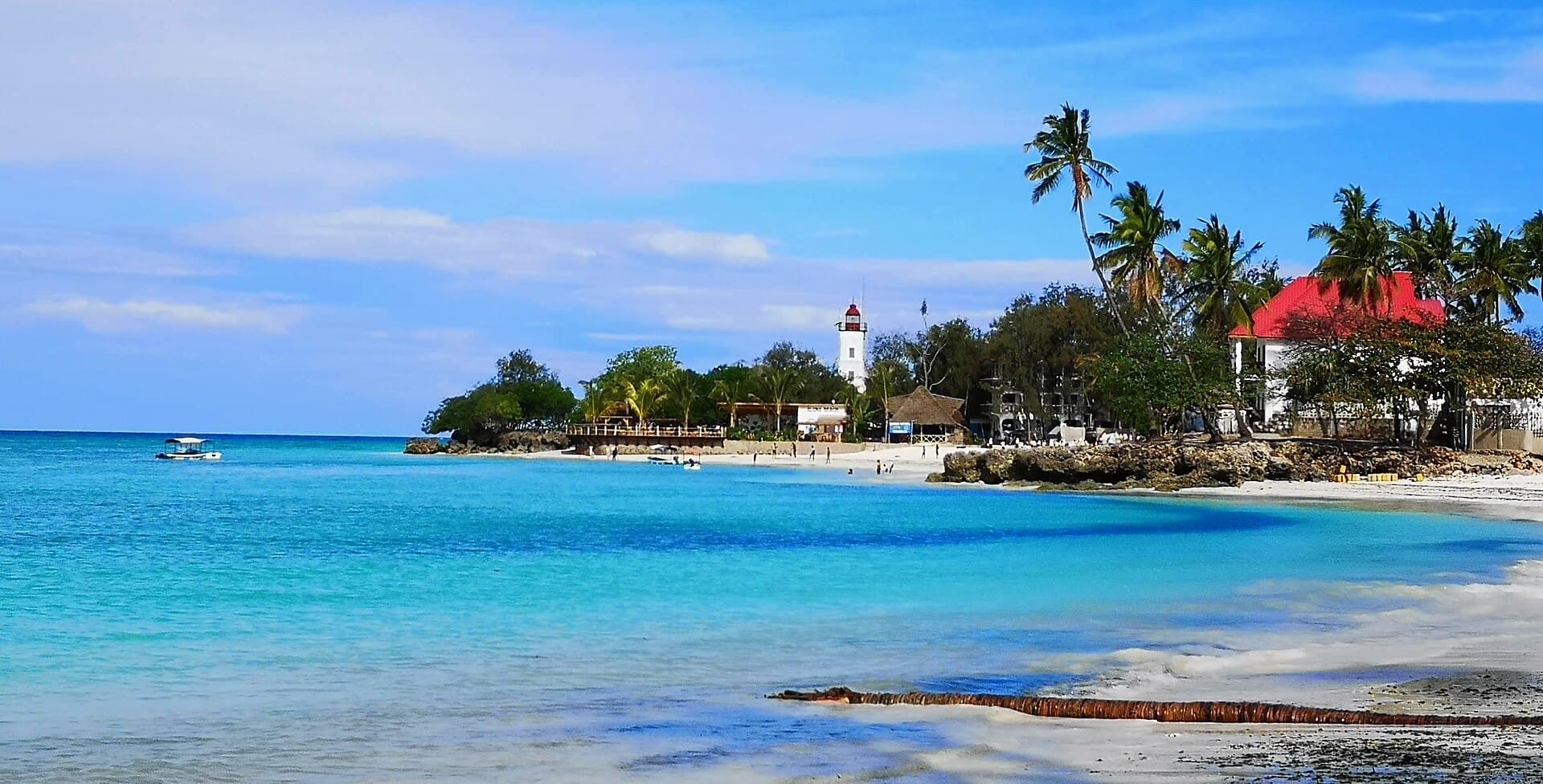 Sansibar-freundeskreis.de / CC BY-SA 4.0, via Wikimedia Commons
Tour de áudio autoguiado por Nungwi — rota GPS a pé, reprodução offline, narração envolvente em 32 idiomas.
“Onde o Oceano Índico encontra o espírito duradouro de Zanzibar.”
Não os postais. As histórias que nem os locais conhecem — sussurradas ao seu ouvido, exatamente onde aconteceram.
Antes que o sol nasça completamente, um tipo diferente de comércio se desenrola na areia, uma troca rápida que tem sido o coração de Nungwi por gerações.
Além das águas convidativas, uma lagoa natural guarda uma missão secreta, que começou com um simples ato de resgate e se transformou no compromisso de uma comunidade.
Embora Nungwi seja celebrada por suas praias, uma tradição menos óbvia, mas igualmente cativante, se desenrola diariamente no trecho norte da areia.
Descubra cada segredo de Nungwi
Cada endereço, cada revelação na íntegra — no seu ouvido, exatamente onde aconteceu.
Você escolhe as suas paragens. Você caminha. A voz revela o que os outros perdem.


O seu tour áudio autoguiado de Nungwi está pronto — escolha os seus pontos de interesse, selecione o seu idioma e comece no momento em que chegar.
ComprarA Lume inclui um guia de realidade aumentada. Levante o telemóvel: a câmara mostra a rua à sua frente, com uma seta luminosa sobreposta à imagem real que aponta sempre para a sua próxima paragem — sem mapa para decifrar, sem voltas erradas. Como tudo na Lume, funciona totalmente offline.
Nungwi, uma grande vila na ponta norte de Zanzibar, oferece uma experiência costeira distinta. Fica a cerca de 56 km ao norte de Zanzibar Town, a aproximadamente uma hora de carro de Stone Town. Ao contrário de outras partes da ilha, as praias de Nungwi são menos afetadas por marés extremas, proporcionando acesso consistente ao convidativo Oceano Índico para nadar durante todo o dia.
Outrora uma vila de pescadores e um centro de construção de dhows, Nungwi evoluiu para um destino popular, reconhecido por suas areias brancas e águas azul-turquesa cristalinas. Apesar do crescimento do turismo, a vila mantém um ritmo de vida local, com atividades de pesca e negócios tradicionais coexistindo com resorts e restaurantes à beira-mar. As noites aqui são frequentemente marcadas por reuniões na costa para testemunhar o sol descer no oceano.
A identidade de Nungwi está profundamente enraizada em sua herança marítima. Por séculos, foi uma vila de pescadores, onde a vida diária de seus habitantes girava em torno do mar. A vila também é historicamente significativa como um proeminente centro de construção tradicional de dhows. Este ofício, que envolve a construção de embarcações à vela de madeira usando métodos passados de geração em geração, continua a ser praticado nas praias de Nungwi hoje.
Até a década de 1990, a comunidade local em Nungwi era em grande parte resistente ao turismo. Consequentemente, as praias de Nungwi foram das últimas na região a ver o desenvolvimento de hotéis e outras infraestruturas turísticas. No entanto, nas últimas décadas, a área passou por uma transformação, emergindo como um dos destinos mais visitados de Zanzibar. Apenas entre 2008 e 2013, a capacidade hoteleira em Nungwi aumentou significativamente, em 129%, atingindo aproximadamente 1.000 quartos.
O apelo de Nungwi para o turismo decorre de suas vantagens práticas e beleza natural. Sua costa, ladeada por coqueiros, manguezais e casuarinas, oferece excelentes condições para natação, snorkeling e mergulho. As flutuações de maré menos extremas em comparação com outras partes de Zanzibar significam que o mar permanece acessível para atividades aquáticas durante todo o dia. Essa mistura de indústria tradicional e turismo moderno moldou Nungwi na comunidade costeira dinâmica que é hoje. O Farol de Ras Nungwi, também conhecido como Farol de Hog Point, é a estação de luz mais antiga de Zanzibar, estabelecida em 1881, com a estrutura atual datando de 1926. Continua a servir como um auxílio de navegação ativo, marcando a ponta norte da Ilha Unguja.
Nungwi oferece uma mistura de relaxamento e imersão local. O principal atrativo é a própria Praia de Nungwi, conhecida por sua areia branca e macia e água cristalina, ideal para nadar em qualquer maré. Ao final do dia, a praia se torna um ponto de encontro para assistir ao pôr do sol sobre o Oceano Índico.
Para um vislumbre da vida local, visite os estaleiros tradicionais de construção de dhows, onde artesãos habilidosos constroem barcos de madeira à mão. O Mercado de Peixe de Nungwi, ativo todas as manhãs cedo, oferece um espetáculo com os pescadores trazendo suas capturas.
Esforços de conservação marinha são visíveis no Mnarani Marine Turtle Conservation Pond, um projeto liderado pela comunidade que reabilita e protege tartarugas verdes e de pente em uma lagoa de maré natural. Os visitantes podem aprender sobre as tartarugas e até ajudar a alimentá-las.
Além da vila imediata, passeios de snorkeling e mergulho para a vizinha Ilha Mnemba são populares para explorar recifes de coral e diversa vida marinha. Outras atividades incluem passeios a cavalo na praia e cruzeiros de dhow ao pôr do sol.
A melhor época para visitar Nungwi é durante as estações secas. De junho a outubro, o clima é mais seco, com temperaturas mais amenas e brisas constantes, oferecendo condições confortáveis para atividades de praia. Dezembro a fevereiro também é popular, com clima mais quente e úmido, mas condições excelentes e calmas para nadar. A longa estação chuvosa ocorre de março a maio, trazendo chuvas mais fortes, embora a ilha fique exuberante e verde durante esse período.
Nungwi é geralmente considerada um destino seguro, com baixa taxa de criminalidade. No entanto, é sempre prudente usar o bom senso, como evitar andar sozinho em áreas isoladas à noite e manter objetos de valor seguros.
Para moeda, os Xelins Tanzanianos (TZS) são necessários para compras locais, enquanto os Dólares Americanos são frequentemente preferidos para hotéis e atividades. Os caixas eletrônicos são limitados; embora exista um perto do Zanzibar Horse Club e três no posto de gasolina (a cerca de 20 minutos a pé da praia), é aconselhável sacar quantias maiores em Stone Town. Os limites máximos de saque são tipicamente 400.000 TZS (cerca de $180) por transação.
O transporte para Nungwi a partir de Stone Town pode ser organizado por meio de transfers privados, táxis ou dala-dalas locais (ônibus públicos). A viagem leva aproximadamente de 1 a 1,5 horas. Uma vez em Nungwi, muitas atrações estão a uma curta distância a pé ao longo da praia. Vista-se modestamente ao explorar as áreas da vila para demonstrar respeito cultural.
Nungwi — coreano, chinês, hebraico e mais 29 idiomas, cada parada narrada por uma voz nativa. A maior variedade de idiomas entre os passeios de áudio autoguiados.
Disponível em: