Germanisches Nationalmuseum
Bevor es digitale Karten gab, noch bevor es weit verbreitete gedruckte Seekarten gab, kartierte ein Nürnberger die Welt, wie er sie verstand.
Die ganze Geschichte wird in der Tour freigeschaltet
 DALIBRI / CC BY-SA 3.0, via Wikimedia Commons
Selbstgeführte Audio-Walking-Tour durch Nürnberg — GPS-Route, Offline-Wiedergabe, erzählerische Narration in 32 Sprachen.
“Wo mittelalterliche Mauern auf moderne Echos treffen.”
Nicht die Postkarten. Die Geschichten, die selbst Einheimische nicht kennen – dir ins Ohr geflüstert, genau dort, wo sie geschahen.
Bevor es digitale Karten gab, noch bevor es weit verbreitete gedruckte Seekarten gab, kartierte ein Nürnberger die Welt, wie er sie verstand.
Unter den belebten Straßen Nürnbergs liegt ein riesiges, unsichtbares Netzwerk, das ursprünglich für einen ganz bestimmten und geschmackvollen Zweck angelegt wurde.
Betrachten Sie das kunstvolle gotische Gitter um Nürnbergs "Schönen Brunnen", und Sie werden einen kleinen, glänzenden Ring entdecken. Die lokale Überlieferung besagt, dass das Drehen daran Glück bringen kann, aber die Geschichte hinter seiner Einbindung ist noch überzeugender.
Entdecke jedes Geheimnis von Nürnberg
Jede Adresse, jede Enthüllung vollständig – in deinem Ohr, genau dort, wo es geschah.
Du wählst deine Stationen. Du gehst. Die Stimme enthüllt, was andere übersehen.

Deine selbstgeführte Audio-Tour durch Nürnberg ist bereit – wähle deine Sehenswürdigkeiten, deine Sprache und starte, sobald du ankommst.
KaufenLume enthält einen integrierten Augmented-Reality-Guide. Halten Sie Ihr Handy hoch: Die Kamera zeigt die Straße vor Ihnen, mit einem leuchtenden Pfeil über dem echten Bild, der immer auf Ihren nächsten Stopp zeigt — keine Karte zum Rätseln, keine falschen Abzweigungen. Wie alles bei Lume funktioniert es komplett offline.
Nürnberg, oder Nürnberg, ist die zweitgrößte Stadt Bayerns und die größte im kulturellen Raum Frankens, gelegen am Fluss Pegnitz. Erstmals 1050 erwähnt, entwickelte sich die Stadt um eine Kaiserburg und wurde schnell zu einem bedeutenden Knotenpunkt im Heiligen Römischen Reich. Seine vorteilhafte Lage an wichtigen Handelsrouten förderte seine Entwicklung zu einem wichtigen Zentrum für Handel, Kunst, Verlagswesen und wissenschaftliche Innovation im Spätmittelalter und in der Renaissance.
Heute präsentiert Nürnberg eine reizvolle Mischung aus mittelalterlichem Charakter und zeitgenössischer Energie. Trotz umfangreicher Zerstörungen im Zweiten Weltkrieg hat die Stadt ihren historischen Kern sorgfältig wiederaufgebaut und viel von ihrem ursprünglichen Charakter bewahrt. Besucher können durch eine fußgängerfreundliche Altstadt schlendern, gotische Architektur bewundern und in die komplexe Vergangenheit Deutschlands eintauchen. Nürnberg ist auch für seine kulinarischen Spezialitäten bekannt, darunter der berühmte Lebkuchen und kleine Bratwürste, und beherbergt den weltweit bekannten Christkindlesmarkt, einen der traditionsreichsten und langlebigsten Weihnachtsmärkte Deutschlands.
## Von der Kaiserstadt zur Industriemetropole Nürnbergs Ursprünge reichen bis zu einer Kaiserburg zurück, die um 1040 von König Heinrich III. erbaut wurde. Die Stadt selbst wurde erstmals 1050 urkundlich erwähnt und wuchs aufgrund ihrer günstigen Lage an wichtigen Handelsrouten stetig um die Festung herum. Im Jahr 1219 verlieh Kaiser Friedrich II. Nürnberg die Bezeichnung Freie Reichsstadt, wodurch sie direkt der Autorität des Kaisers und nicht lokalen Herren unterstellt war. Dies erhöhte ihre politische Bedeutung und führte dazu, dass häufig Reichstage (Versammlungen des Heiligen Römischen Reiches) auf der Nürnberger Burg abgehalten wurden. Von 1424 bis zum Ende des Reiches wurden die Reichsinsignien, die Symbole des Heiligen Römischen Reiches, in Nürnberg aufbewahrt.
Im Spätmittelalter und in der Renaissance (12.-16. Jahrhundert) gedieh Nürnberg als Zentrum für Kunst, Verlagswesen und wissenschaftliche Innovation, verbunden mit bedeutenden Persönlichkeiten wie Albrecht Dürer, Martin Behaim und Hans Sachs. Es galt als inoffizielle Hauptstadt des Heiligen Römischen Reiches. Ein Niedergang begann jedoch im frühen 17. Jahrhundert aufgrund von Veränderungen der globalen Handelsrouten und den Verwüstungen des Dreißigjährigen Krieges. Anfang des 19. Jahrhunderts war die Stadt hoch verschuldet und wurde mit der Auflösung des Heiligen Römischen Reiches im Jahr 1806 in das Königreich Bayern eingegliedert.
## Die Industrielle Revolution und ein düsteres Kapitel Nürnberg gewann im 19. Jahrhundert wieder an Bedeutung und wurde zum "Industrieherz" Bayerns. Hier verkehrte die erste Eisenbahn Deutschlands, die Bayerische Ludwigseisenbahn, die 1835 ihren Betrieb aufnahm und Nürnberg mit Fürth verband. Große Unternehmen wie Siemens und MAN hatten hier ihren Ursprung und trugen zur Expansion der Stadt als Industriestandort bei.
Das 20. Jahrhundert brachte eine düsterere Periode. Nürnberg wurde zu einem symbolischen Zentrum der NSDAP und beherbergte die jährlichen Reichsparteitage – groß angelegte Propagandeveranstaltungen von 1933 bis 1938. Die berüchtigten Nürnberger Gesetze, die die Rassendiskriminierung formalisierten, wurden 1935 in der Stadt verkündet. Als militärisches und industrielles Zentrum während des Zweiten Weltkriegs erlitt Nürnberg schwere Bombenangriffe, wobei das gesamte Altstadtzentrum am 2. Januar 1945 in einer einzigen Stunde zu fast 90 % zerstört wurde.
## Nachkriegsgerechtigkeit und Wiederaufbau Nach dem Krieg wurde Nürnberg als Standort für das Internationale Militärtribunal ausgewählt, bekannt als die Nürnberger Prozesse. Diese Prozesse fanden von 1945 bis 1946 statt und brachten führende Nazi-Funktionäre für Kriegsverbrechen und Verbrechen gegen die Menschlichkeit zur Rechenschaft, was einen Präzedenzfall für das Völkerrecht schuf. Die Stadt, einst ein Symbol der Nazi-Macht, wandelte sich in ein Symbol der Gerechtigkeit und Rechenschaftspflicht. Trotz der Zerstörung wurde Nürnberg sorgfältig wiederaufgebaut, wobei viele mittelalterliche Bauten ihrem Vorkriegs-Erscheinungsbild wiederhergestellt wurden, um sein tiefgreifendes Erbe zu bewahren.
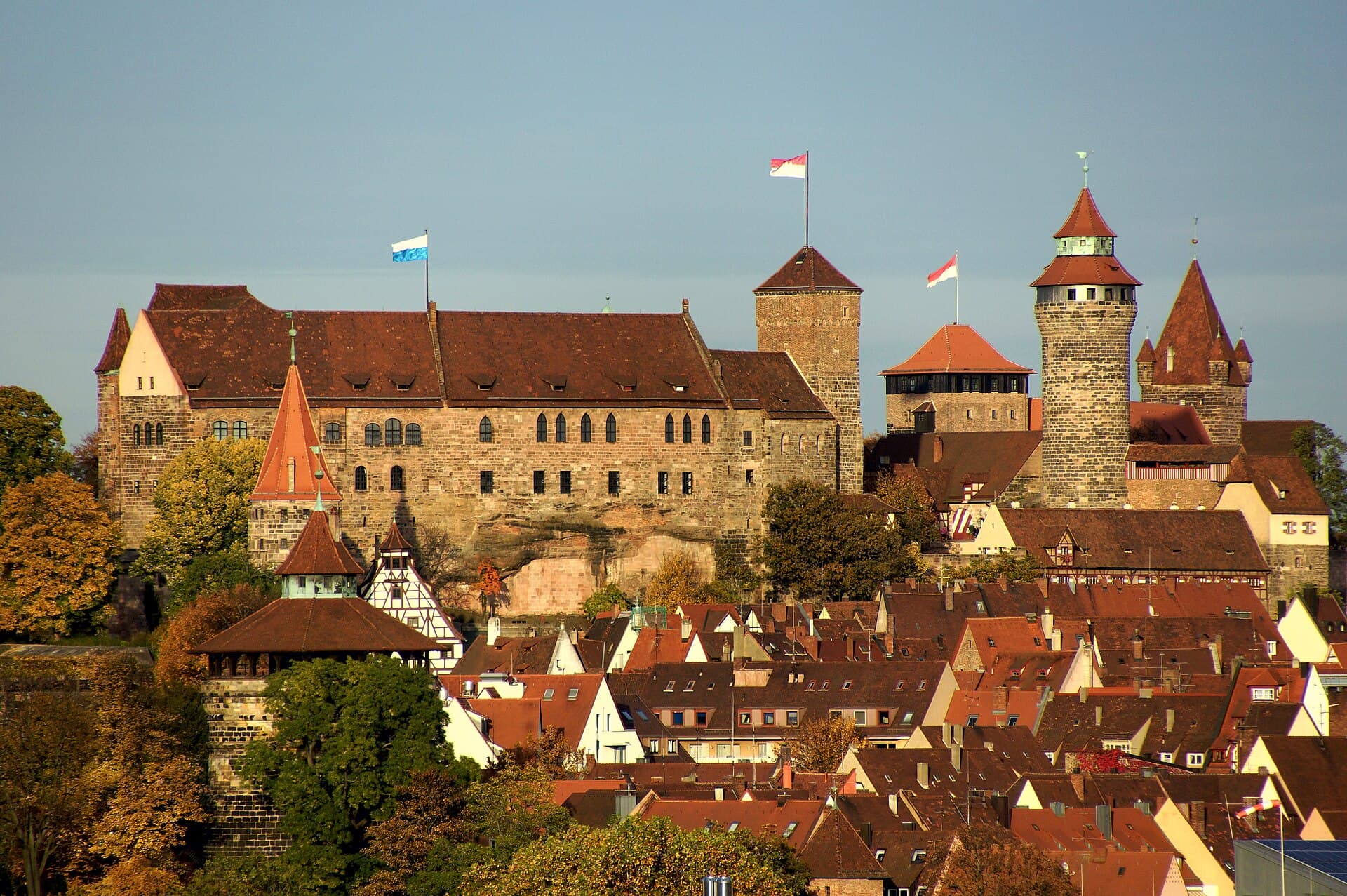
Beginnen Sie Ihre Erkundung in Nürnbergs Altstadt, einem kompakten und fußgängerfreundlichen Viertel, das sich ideal zum Spazierengehen eignet. Die Kaiserburg Nürnberg bietet einen weiten Blick über die Stadt und ist eine der meistbesuchten Attraktionen. Schlendern Sie über den Hauptmarkt, den zentralen Marktplatz, wo Sie den kunstvollen Schönen Brunnen und im Dezember den weltberühmten Christkindlesmarkt finden.
Tauchen Sie im Albrecht-Dürer-Haus, der ehemaligen Residenz des gefeierten Renaissance-Künstlers, in das künstlerische Erbe der Stadt ein. Für ein tieferes Verständnis der deutschen Kultur und Geschichte besuchen Sie das Germanische Nationalmuseum, das den ältesten erhaltenen Globus, den Behaim-Globus, beherbergt. Um Nürnbergs jüngere, ernste Geschichte zu konfrontieren, besuchen Sie das Dokumentationszentrum Reichsparteitagsgelände und die Memorium Nürnberger Prozesse im Justizpalast, wo die Prozesse nach dem Zweiten Weltkrieg stattfanden. Verpassen Sie nicht den Historischen Kunstbunker, ein unterirdisches Netzwerk, in dem während des Krieges unschätzbare Schätze geschützt wurden.
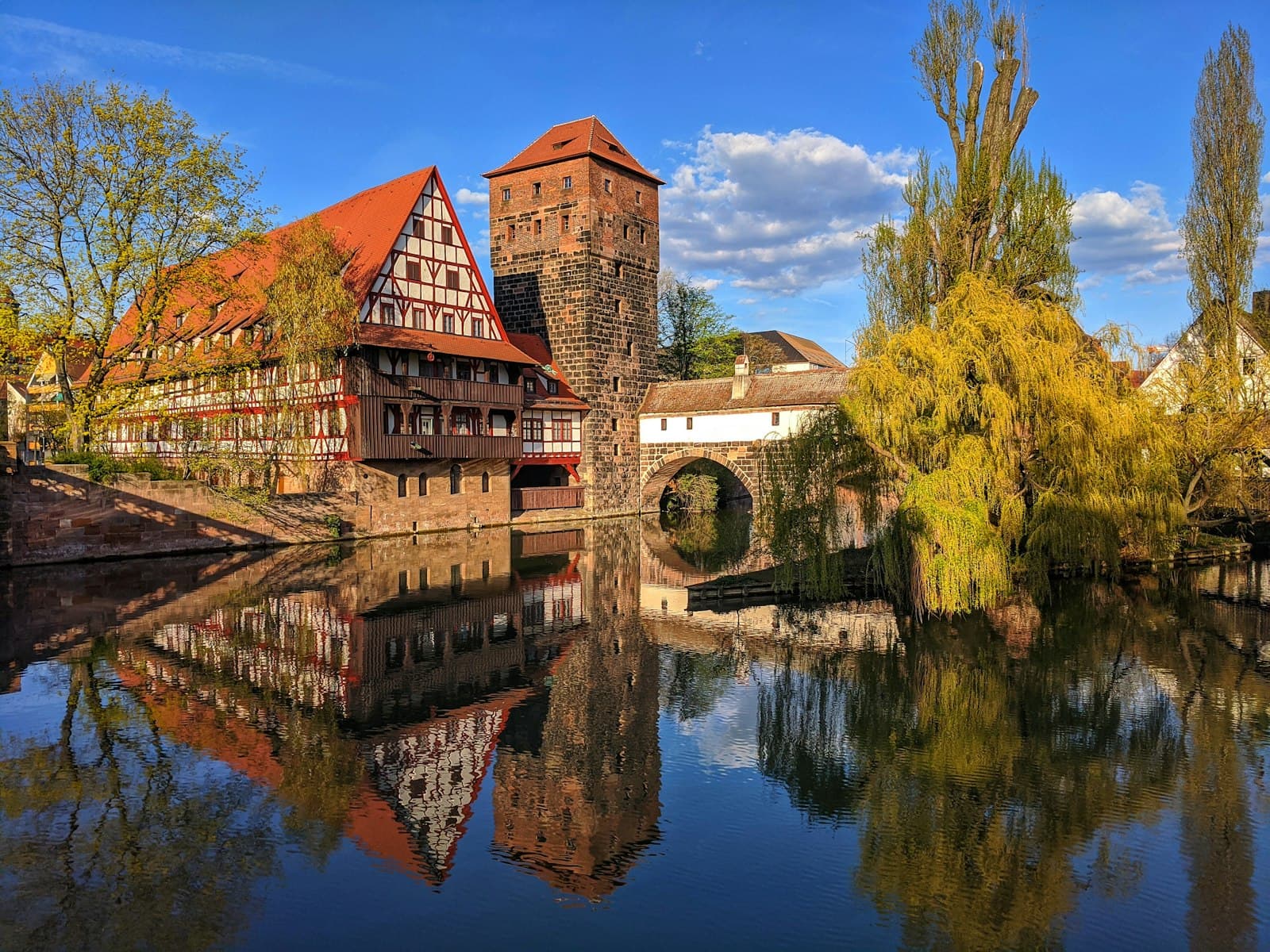
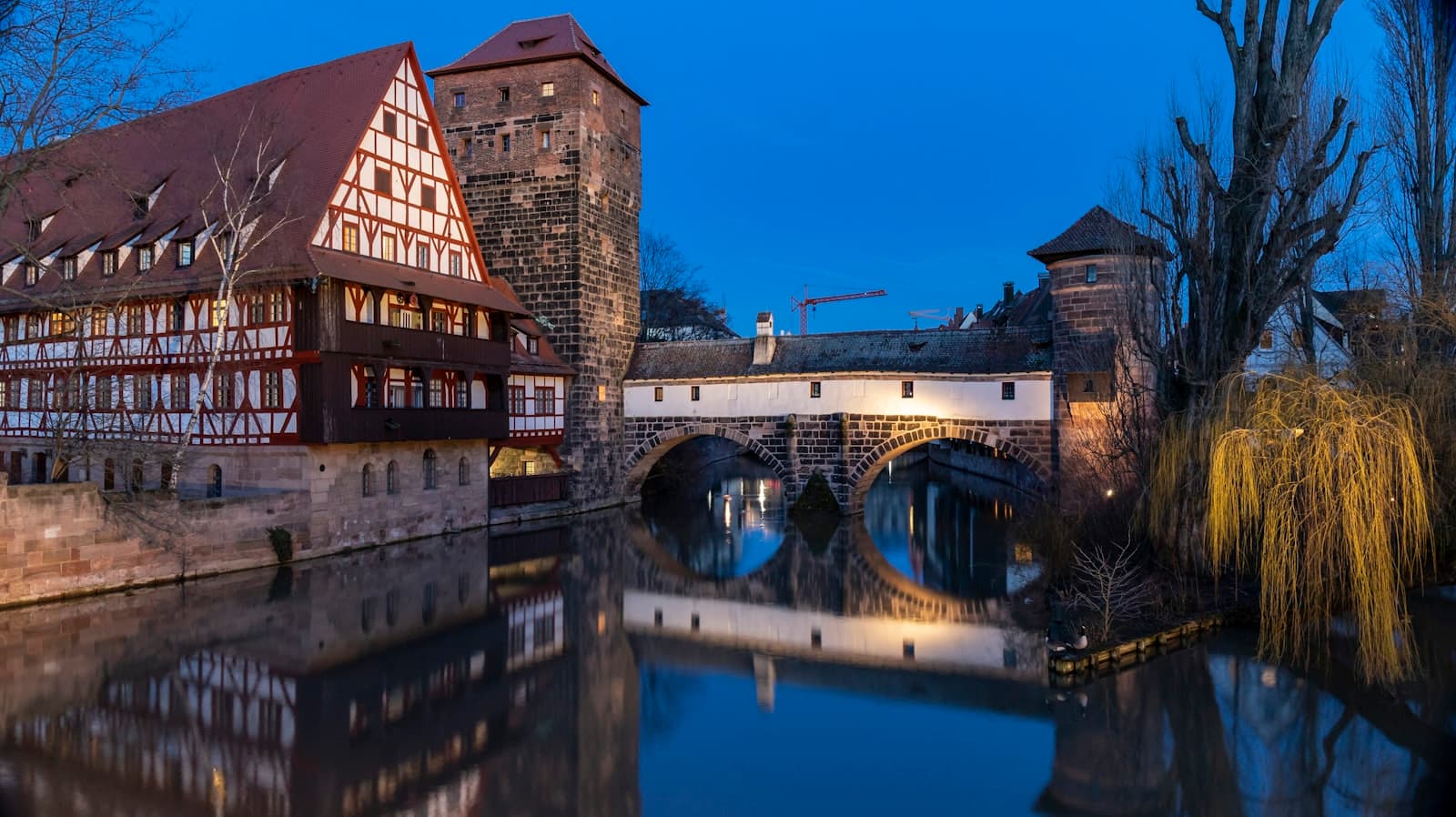
Jenseits der Hauptsehenswürdigkeiten schlendern Sie die Weißgerbergasse mit ihren charmanten Fachwerkhäusern entlang oder erkunden den Handwerkerhof, eine kleine Ansammlung von Handwerksläden. Für einen Vorgeschmack auf lokale Spezialitäten suchen Sie einen Stand auf, der "Drei im Weggla" anbietet – drei Nürnberger Würste in einem Brötchen.
Nürnberg bietet das ganze Jahr über unterschiedliche Erlebnisse, wobei das späte Frühjahr (Mai) und der frühe Herbst (September) oft als ideal für angenehmes Wetter und weniger Andrang gelten. Die Temperaturen im Mai liegen um die 19°C, während der September immer noch milde Bedingungen bietet. Der Sommer (Juni bis August) bringt warme Temperaturen, häufig im niedrigen bis mittleren 20er-Celsius-Bereich, und eine lebhafte Atmosphäre im Freien mit Festivals. Allerdings sind die Unterkunftspreise in dieser Hauptsaison höher. Der Dezember ist bezaubernd für den Christkindlesmarkt, obwohl es kalt ist (ca. 2-3°C) und aufgrund der hohen Nachfrage und gestiegenen Hotelpreise eine frühzeitige Buchung erforderlich ist. Januar und Februar sind die ruhigsten und günstigsten Monate und bieten ein charmantes, verschneites Erlebnis, wenn Ihnen die Kälte nichts ausmacht.
Der Flughafen Nürnberg (NUE) liegt günstig etwa 8 Kilometer nördlich des Stadtzentrums. Der einfachste und schnellste Weg ins Stadtzentrum ist die U-Bahn-Linie U2, die den Flughafen direkt mit dem Hauptbahnhof (Nürnberg Hauptbahnhof) in etwa 13 Minuten verbindet. Vom Hauptbahnhof aus können Sie in die U1 umsteigen, um zentrale Bereiche wie die Lorenzkirche zu erreichen. Taxis sind ebenfalls leicht verfügbar, eine Fahrt ins Stadtzentrum kostet etwa 20 €.
Innerhalb der Stadt verfügt Nürnberg über ein ausgedehntes und effizientes öffentliches Nahverkehrsnetz, das Busse, Straßenbahnen und eine U-Bahn umfasst. Fahrkarten können an Automaten, Verkaufsstellen oder online erworben werden. Eine Einzelfahrkarte ist 90 Minuten gültig und erlaubt Umstiege. Für unbegrenzte Fahrten und kostenlosen Eintritt zu vielen Museen und Sehenswürdigkeiten sollten Sie die Nürnberg Card + Fürth in Betracht ziehen, die zwei Tage gültig ist. Die Altstadt ist weitgehend fußgängerfreundlich, sodass das Gehen eine angenehme Art der Erkundung ist.
Nürnberg — Koreanisch, Chinesisch, Hebräisch und 29 weitere Sprachen, jede Station von einer muttersprachlichen Stimme erzählt. Die größte Sprachauswahl aller selbstgeführten Audiotouren.
Verfügbar auf: