Руины замка Фунаи
Под цветущей сакурой и мирными рвами замка Фунаи скрывается тайна его строительства.
Полная история открывается в туре
 663highland / CC BY 2.5, via Wikimedia Commons
Самостоятельная аудиопрогулка по Оита — GPS-маршрут, офлайн-воспроизведение, увлекательное повествование на 32 языках.
“Где древние традиции встречаются с геотермальными чудесами и современным дизайном.”
Не открытки. Истории, которые не знают даже местные жители — шепотом в вашем ухе, прямо там, где они произошли.
Под цветущей сакурой и мирными рвами замка Фунаи скрывается тайна его строительства.
Камфорное дерево в этой древней святыне является безмолвным свидетелем тысячелетий истории.
В тихом уголке Юфуина обычные на вид надгробия скрывают тайное прошлое.
Откройте для себя каждый секрет Оита
Каждый адрес, каждое полное раскрытие — в вашем ухе, прямо там, где это произошло.
Вы выбираете остановки. Вы гуляете. Голос раскрывает то, что упускают другие.


Ваш самостоятельный аудиотур по Оита готов — выберите свои достопримечательности, выберите свой язык и начните в момент прибытия.
КупитьВ Lume встроен гид дополненной реальности. Поднимите телефон: камера показывает улицу перед вами, а поверх реального изображения светится стрелка, всегда указывающая на вашу следующую остановку — не нужно разбираться с картой и сворачивать не туда. Как и всё в Lume, это работает полностью офлайн.
Оита, столица префектуры Оита на японском острове Кюсю, предлагает убедительное сочетание исторической глубины, художественного чутья и природного великолепия. Расположенный в заливе Беппу, город является воротами в регион, известный своими обильными горячими источниками, что принесло ему прозвище «Префектура Онсэн». В то время как его сосед Беппу часто привлекает внимание своими драматическими геотермальными ландшафтами, сам город Оита предлагает более сдержанный, но столь же полезный опыт, уравновешивая свое промышленное значение с приверженностью к развитию «зеленых» городов.
За современным фасадом города Оита раскрывает слои истории, от его происхождения как древней земли Бунго до его ключевой роли в ранней международной торговле и культурном обмене. Это место, где вы можете прогуляться по безмятежным руинам замка, увидеть древние святыни и исследовать современные художественные музеи, спроектированные всемирно известными архитекторами. Город служит идеальной базой для изучения разнообразных достопримечательностей префектуры, от вулканических ландшафтов и безмятежных горных храмов до живописных побережий и очаровательных самурайских городов.
Оита, первоначально известная как Фунаи, имеет историю, восходящую к IV веку как Земля Бунго. Ее стратегическое положение на северо-востоке острова Кюсю, напротив удобного залива, сделало ее естественным центром морской торговли. Город по-настоящему расцвел в период Сэнгоку (XV-XVI века) под властью могущественного клана Отамо, став столицей провинции Бунго.
Ключевой фигурой прошлого Оиты был Отамо Сорин, 21-й феодальный правитель, который превратил Фунаи в процветающий центр власти и культуры в XVI веке. Он активно способствовал торговле с Португалией и Китаем династии Мин, принося огромное богатство и способствуя быстрому росту города. Открытость Сорина западному влиянию была глубокой; он принял христианство в 1578 году после встречи со Святым Франциском Ксаверием и покровительствовал европейским миссионерам и купцам. В эту эпоху Фунаи стал уникальным центром «нанбанской культуры» (культуры южных варваров), познакомив Японию с западной медициной, музыкой и драмой, а также основав первую в стране больницу и хор европейского образца. Статуи Отамо Сорина и Святого Франциска Ксаверия стоят бок о бок у северного выхода станции Оита, напоминая об этих исторических связях.
После падения клана Отамо в конце XVI века и последующего введения политики изоляции Японии в период Эдо (1603-1868 гг.) Оита утратила свое значение как международный порт, превратившись в более тихий замковый город. Замок Фунаи, построенный в 1599 году, служил административным и военным центром региона на протяжении веков, хотя большая его часть сгорела в 1743 году. Реставрация Мэйдзи в 1871 году ознаменовала новую главу, когда Оита стала административным центром одноименной префектуры. Город сильно пострадал во время бомбардировок Второй мировой войны в 1945 году, что привело к обширной послевоенной реконструкции, сформировавшей его современный городской ландшафт. В последующие десятилетия Оита расширялась за счет слияний с соседними муниципалитетами и была признана новым промышленным городом японским правительством в 1964 году, а в 1997 году — центральным городом, укрепив свою роль как крупный центр Восточного Кюсю.
Сегодня Оита продолжает свою традицию международного обмена, поддерживая побратимские отношения с Авейру, Португалия (связь, восходящая к эпохе Отамо Сорина), и Остином, США, а также отношения города-побратима с Уханем, Китай.
Оита предлагает сочетание исторических мест, природного великолепия и современных достопримечательностей. Начните с руин замка Фунаи, где вы можете исследовать остатки крепости XVI века, включая ров и каменные стены. Весной здесь цветет более 70 вишневых деревьев, что делает это место популярным для любования цветами. Неподалеку в парке Юхо представлены работы ведущих скульпторов Оиты.
Для любителей искусства и архитектуры Художественный музей префектуры Оита (OPAM), спроектированный Сигэру Баном, отличается открытой конструкцией из дерева и стекла и проводит региональные и временные выставки. Арт-плаза, расположенная в здании бывшей префектурной библиотеки Оиты, спроектированном местным архитектором Аратой Исодзаки, является местом проведения различных культурных мероприятий.
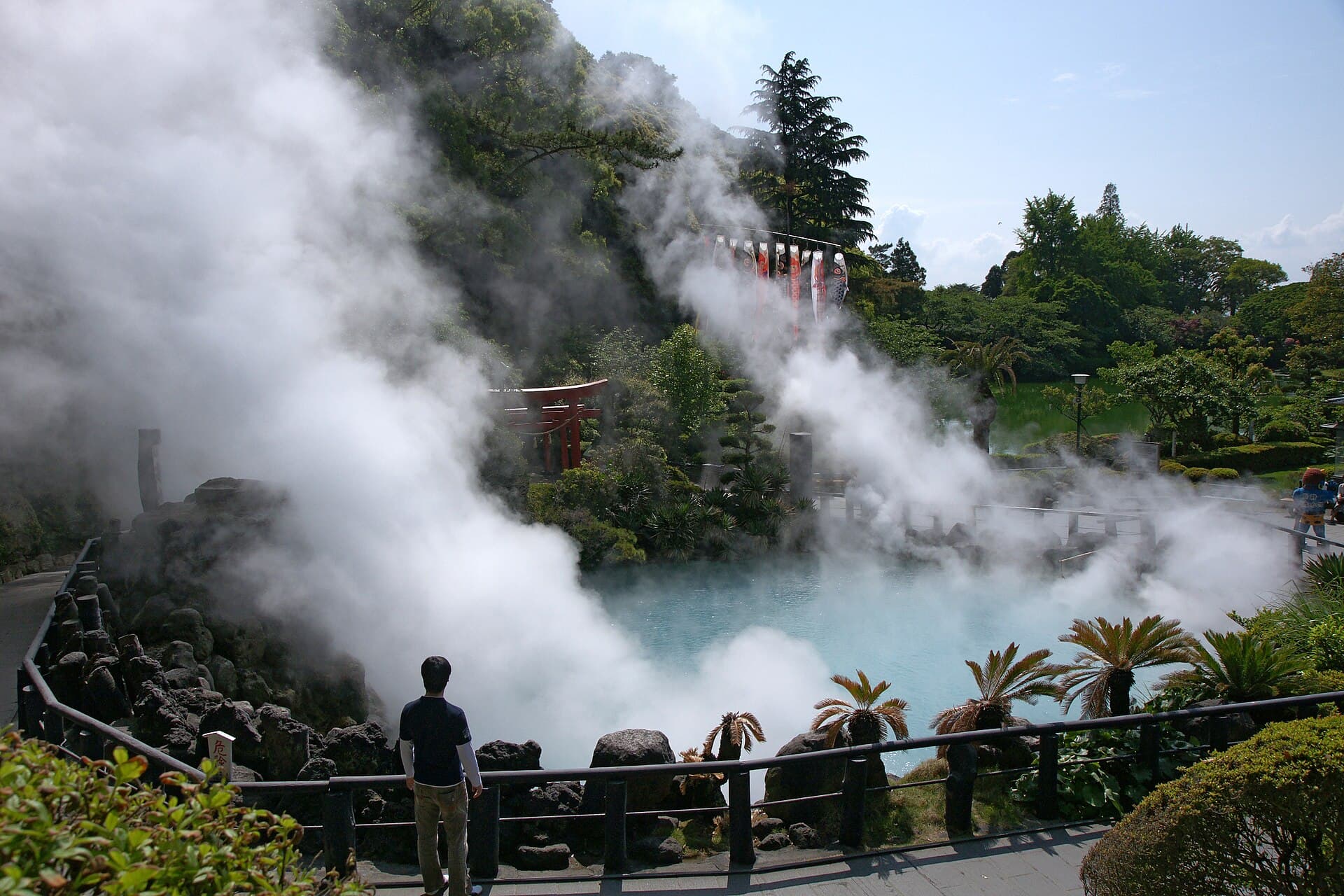
Хотя в самом городе Оита меньше горячих источников, чем в соседнем Беппу, префектура известна как главное направление горячих источников Японии. Совершите короткую поездку в Беппу, всего в 15 минутах езды на поезде, чтобы увидеть знаменитые «Восемь Адов» (Дзигоку Мэгури) — зрелищные, красочные горячие источники для осмотра. Вы также можете посетить гору Такасаки, где обитает около 1500 японских макак, или аквариум Умитамаго с разнообразной морской жизнью.
Дальше, на полуострове Кунисаки, расположены древние буддийские храмы, такие как Футаго-дзи, сочетающие буддийское, синтоистское и горное поклонение. Каменные Будды Усуки, искусно вырезанные статуи возрастом более 800 лет, являются национальным достоянием.
Оита — круглогодичное направление, но весна (март-май) и осень (сентябрь-ноябрь) обычно считаются самыми приятными. Весна приносит мягкие температуры (10-20°C / 50-68°F) и зрелище цветения сакуры, особенно красивое у руин замка Фунаи. Осень предлагает комфортные температуры (15-25°C / 59-77°F) и яркую листву, особенно с конца октября до конца ноября, что делает ее идеальной для пеших прогулок и наслаждения природными пейзажами. Хотя лето (июнь-август) может быть жарким и влажным, оно подходит для пляжного отдыха, а зима (декабрь-февраль) идеально подходит для наслаждения онсэнами, с более прохладными, часто мягкими температурами.
Город Оита хорошо связан и легко доступен. Из Токио прямые внутренние рейсы в аэропорт Оита занимают около двух часов, за которыми следует 70-минутная поездка на автобусе до города Оита. Путешественники из Осаки или Киото могут сесть на Синкансэн до станции Кокура, а затем пересесть на экспресс «Соник» до станции Оита, что займет примерно 3 часа 45 минут от Осаки. Из Фукуоки экспресс «Соник» обеспечивает прямой маршрут от станции Хаката до станции Оита.
Передвижение по городу Оита удобно на местных автобусах, такси или арендованных автомобилях. Для изучения префектуры, особенно таких районов, как Беппу и Юфуин, рекомендуется комбинация общественного транспорта и арендованных автомобилей. Местная автобусная система соединяет многие достопримечательности, а железнодорожная сеть Кюсю упрощает передвижение между крупными городами. Для тех, кто отправляется дальше, чтобы открыть для себя менее туристические места, арендованный автомобиль предлагает большую гибкость.
Оита: корейский, китайский, иврит и ещё 29 языков — каждую остановку озвучивает носитель языка. Самый широкий выбор языков среди аудиоэкскурсий без гида.
Доступные языки: