Piazza Regina Margherita
Социальное сердце Ольбии каждый вечер бьется в уникальном ритме.
Полная история открывается в туре
 Japs 88 / CC BY-SA 4.0, via Wikimedia Commons
Самостоятельная аудиопрогулка по Ольбия — GPS-маршрут, офлайн-воспроизведение, увлекательное повествование на 32 языках.
“Где древние камни встречаются с залитым солнцем морем.”
Не открытки. Истории, которые не знают даже местные жители — шепотом в вашем ухе, прямо там, где они произошли.
Социальное сердце Ольбии каждый вечер бьется в уникальном ритме.
Этот музей хранит секрет, который удивительным образом раскрывает глубокое морское прошлое Ольбии.
Присмотритесь в жилых районах, и вы можете найти древние укрепления, защищенные современной архитектурой.
Откройте для себя каждый секрет Ольбия
Каждый адрес, каждое полное раскрытие — в вашем ухе, прямо там, где это произошло.
Вы выбираете остановки. Вы гуляете. Голос раскрывает то, что упускают другие.
Ваш самостоятельный аудиотур по Ольбия готов — выберите свои достопримечательности, выберите свой язык и начните в момент прибытия.
КупитьВ Lume встроен гид дополненной реальности. Поднимите телефон: камера показывает улицу перед вами, а поверх реального изображения светится стрелка, всегда указывающая на вашу следующую остановку — не нужно разбираться с картой и сворачивать не туда. Как и всё в Lume, это работает полностью офлайн.
Ольбия, город на северо-восточном побережье Сардинии, служит порталом к знаменитым пляжам острова и гламурной Коста Смеральда. Тем не менее, сама Ольбия предлагает сочетание древней истории и оживленной местной атмосферы, часто упускаемое из виду теми, кто спешит в более известные прибрежные курорты. Имея естественную гавань, имевшую стратегическое значение на протяжении тысячелетий, название города, происходящее от греческого слова "Olbios", переводится как "счастливый" или "процветающий", отражая его непреходящее значение.
Город балансирует энергию оживленного коммерческого центра с непринужденным очарованием средиземноморского прибрежного города, где проживает около 60 000 жителей. Посетители могут исследовать его исторический центр, отдохнуть на близлежащих берегах или использовать его как удобную базу для более широких сардинских приключений. Ольбия предлагает подлинный взгляд на сардинскую жизнь, часто по более доступным ценам, чем ее более ориентированные на туристов соседи.
От древних руин до оживленной вечерней passeggiata, Ольбия приглашает к более медленному исследованию, вознаграждая тех, кто заглядывает глубже первоначальных впечатлений. Ее стратегическое расположение и глубокое прошлое делают ее убедительной отправной точкой для открытия разнообразных ландшафтов и культур Сардинии.
История Ольбии уходит корнями в глубокую древность, что делает ее одним из старейших городов Сардинии. Хотя ее название имеет греческое происхождение, археологические находки предполагают, что эта территория впервые была заселена нурагами или финикийцами. Пунийцы (карфагеняне) основали укрепленное поселение примерно в 4 веке до нашей эры, которое служило важным стратегическим пунктом, связывающим остров с более широким Средиземноморьем.
В 259 г. до н. э. во время Первой Пунической войны Ольбия стала местом римской победы над карфагенским полководцем Ганноном. В конечном итоге город перешел под римское управление после того, как римляне захватили Сардинию в 238 г. до н. э. Под римским правлением Ольбия процветала как важнейший порт для экспорта сардинского зерна. В эту эпоху произошло значительное городское развитие, включая мощеные улицы, форум, термальные бани и акведук, следы которых видны и сегодня. Римский акведук Ольбии считается самым целым на всей Сардинии, он использовался для доставки воды с горы Кабу Аббас к баням.
После вторжения вандалов в 455 г. н. э., которое ознаменовало временный упадок, Сардиния вернулась под византийское правление в 534 г. н. э., и Ольбия сохранила свое административное значение. К 11 веку под названием Civita она стала столицей Джудиката Галлура, одного из четырех независимых государств средневековой Сардинии. Пизанская романская церковь Сан-Симпличио, в значительной степени перестроенная в 1198 году, является свидетельством этого средневекового периода и примечательным архитектурным памятником, построенным из местного гранита. Город был известен как Terranova Pausania до 1939 года, когда его официальное название было возвращено к Ольбии.
Начните свое исследование с исторического центра Ольбии, особенно вечером, когда Корсо Умберто I закрывается для транспорта и оживает. Здесь вы можете полюбоваться Базиликой Сан-Симпличио, пизанской романской церковью 11 века, построенной из местного гранита, которая считается одной из самых важных романских построек Сардинии. Неподалеку приходская церковь С. Паоло Апостоло имеет характерный цветной купол.
Для более глубокого погружения в прошлое посетите Археологический музей Ольбии, уникально расположенный на небольшом острове в гавани. Здесь представлены древние римские корабли и артефакты, включая редкие римские мачты и рули. Исследуйте Пунические стены, оборонительные валы, датируемые 330 г. до н. э., и Римский акведук, считающийся лучшим образцом сохранения на Сардинии. Также доступна Гробница гигантов Су Монт'е с'Абе, массивное погребальное место нурагической эпохи.
За пределами города Ольбия является воротами к привлекательным прибрежным районам. Заповедная морская зона вокруг островов Таволара и Молара предлагает исключительные возможности для снорклинга с богатой морской жизнью и чистыми природными бассейнами. Для любителей пляжного отдыха пляж Питтулонгу предлагает белый песок и чистые воды с видом на остров Таволара. Другие известные пляжи включают Порто Истана, известный водными видами спорта, и Кала Мореска, с его нетронутыми песками и изумрудными водами.
Лучшее время для посещения Ольбии — весна (апрель-июнь) и осень (сентябрь-октябрь). В эти месяцы погода мягкая и солнечная, идеально подходит для осмотра достопримечательностей и активного отдыха, а посетителей меньше. Средняя температура колеблется от 18°C до 30°C. Хотя июль и август — пик сезона с более жаркой температурой (средняя дневная температура 30-31°C) и более теплой водой (до 26°C), они также самые многолюдные. Зимы мягкие, средняя дневная температура около 13-14°C, хотя с ноября по февраль может быть прохладнее и дождливее.
Официальная валюта в Ольбии и по всей Италии — евро (€). Кредитные и дебетовые карты широко принимаются в отелях, ресторанах и крупных магазинах, но рекомендуется иметь при себе немного наличных для мелких покупок на местных рынках или в кафе. Банкоматы легко доступны. Чаевые не обязательны, так как плата за обслуживание (coperto) часто включена, но небольшая благодарность за хорошее обслуживание приветствуется.
Ольбия в целом считается очень безопасным городом для туристов, включая одиноких женщин, с низким уровнем преступности. Всегда рекомендуется соблюдать обычные меры предосторожности, особенно в толпе или ночью. Основной язык — итальянский, но английский широко распространен в туристических районах. Знание нескольких основных итальянских фраз может улучшить ваш опыт.
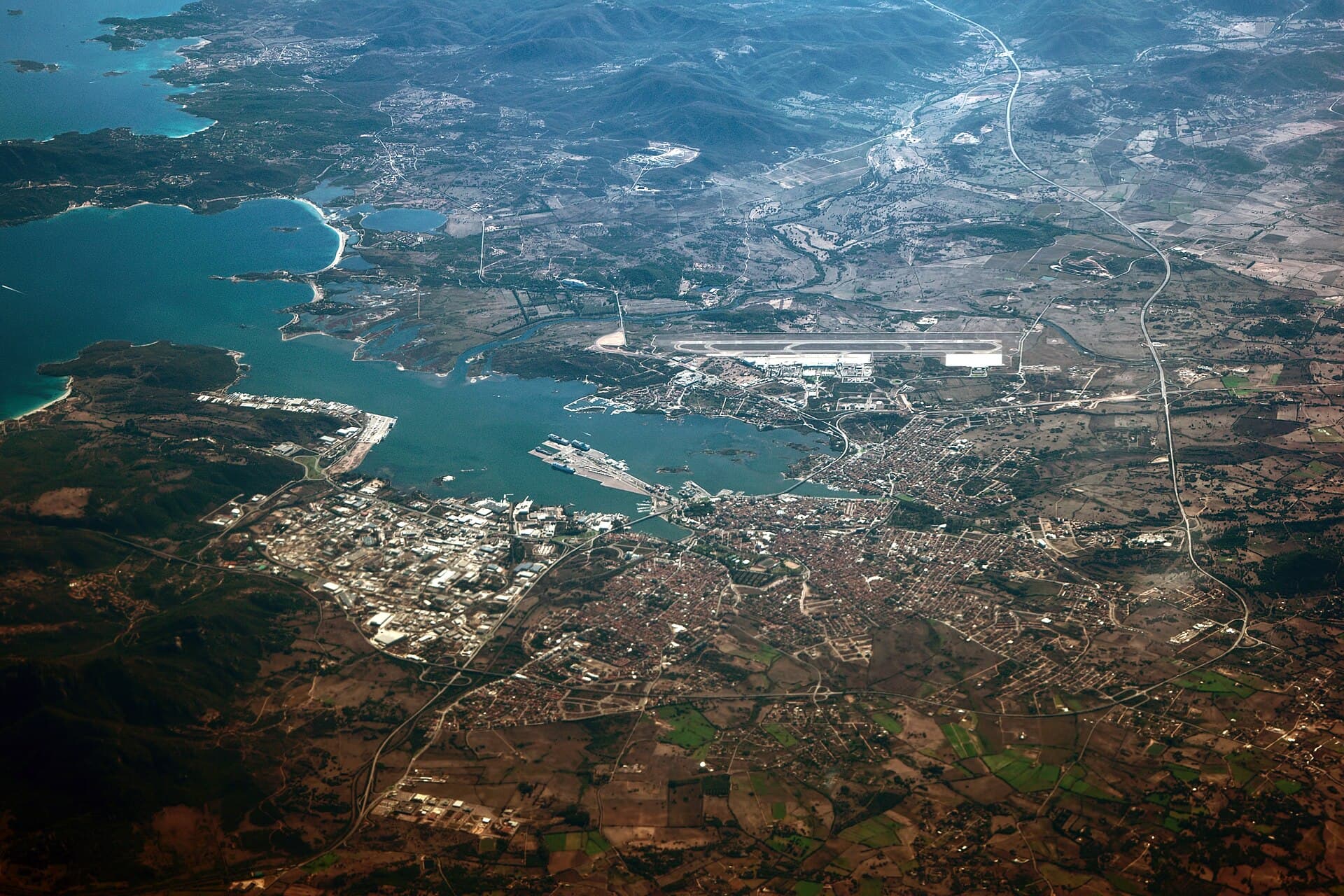
Аэропорт Ольбия Коста Смеральда (OLB) удобно расположен примерно в 4 километрах от центра города. Автобусные маршруты 2 и 10 соединяют аэропорт с центром города и железнодорожным вокзалом примерно за 15 минут. Хотя центр города удобен для пеших прогулок, аренда автомобиля настоятельно рекомендуется для изучения окрестных пляжей и достопримечательностей северной Сардинии. Общественный транспорт в виде автобусов и такси доступен для передвижения по Ольбии и близлежащим городам. Имейте в виду традиционный итальянский riposo (сиеста), когда многие магазины закрываются примерно с 13:00 до 16:30.
Ольбия: корейский, китайский, иврит и ещё 29 языков — каждую остановку озвучивает носитель языка. Самый широкий выбор языков среди аудиоэкскурсий без гида.
Доступные языки: