Alto da Sé
Vanaf het hoogste punt van Olinda kun je meer zien dan alleen de naburige stad Recife.
Volledig verhaal ontgrendeld in de tour
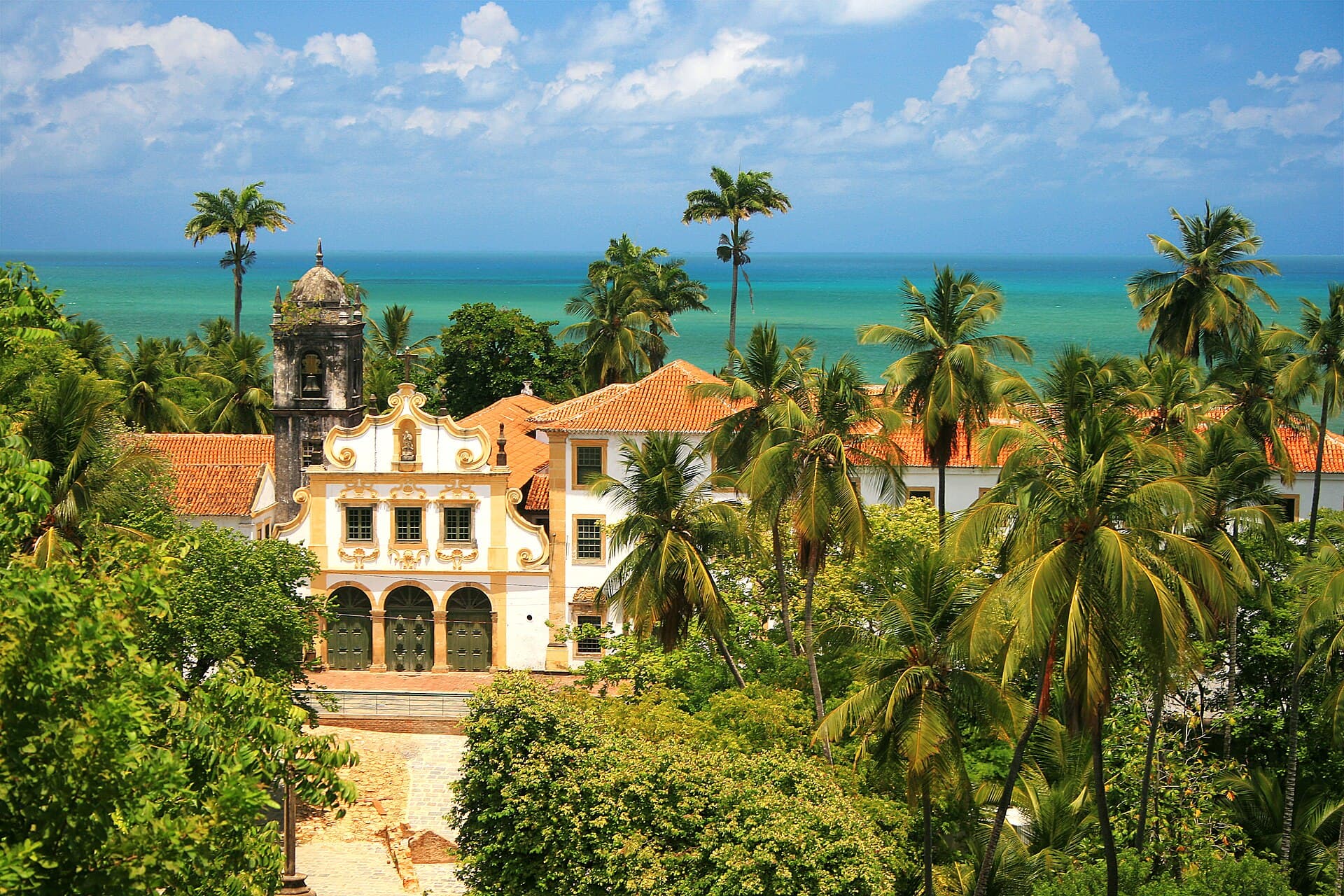 Valdiney Pimenta / CC BY 2.0, via Wikimedia Commons
Zelfgeleide audiowandeling door Olinda — GPS-route, offline afspelen, meeslepende vertelling in 32 talen.
“Olinda: waar felle kleuren eeuwenoude verhalen ontmoeten op zonovergoten heuvels.”
Niet de ansichtkaarten. De verhalen die zelfs locals niet kennen — gefluisterd in je oor, precies waar ze gebeurden.
Vanaf het hoogste punt van Olinda kun je meer zien dan alleen de naburige stad Recife.
De levendige straatfeesten van het Carnaval van Olinda staan bekend om hun gigantische poppen, maar er is een speciaal figuur dat de hele viering aftrapt.
Deze aantrekkelijke straat is een centrum voor lokale kunstenaars, maar sommige van de kleurrijke huizen herbergen een verrassend geheim over hun artistieke gevels.
Ontdek elk geheim van Olinda
Elk adres, elke onthulling volledig — in je oor, precies waar het gebeurde.
Jij kiest je stops. Jij wandelt. De stem onthult wat de anderen missen.


Je zelfgeleide audiotour van Olinda is klaar — kies je bezienswaardigheden, kies je taal en start zodra je aankomt.
KopenLume heeft een ingebouwde augmented-reality-gids. Houd je telefoon omhoog: de camera toont de straat voor je, met een oplichtende pijl over het echte beeld die altijd naar je volgende stop wijst — geen kaart om uit te puzzelen, geen verkeerde afslagen. Zoals alles in Lume werkt het volledig offline.
Olinda, een stad in de noordoostelijke Braziliaanse deelstaat Pernambuco, is een plek waar geschiedenis ademt door kleurrijke koloniale architectuur en versleten stenen straten. Het ligt op een lage heuvel met uitzicht op de Atlantische Oceaan, net ten noorden van Recife, en biedt brede vergezichten die reiken tot de moderne skyline van zijn grotere buurman. Erkend als UNESCO Werelderfgoed in 1982, wordt Olinda geëerd voor zijn goed bewaarde 16e- en 17e-eeuwse gebouwen, een bewijs van zijn verleden als een belangrijke koloniale hoofdstad.
De naam van de stad, afgeleid van de Portugese uitdrukking "Ó, linda!" wat "Oh, mooi!" betekent, hint naar het boeiende karakter dat bezoekers wacht. Naast zijn visuele aantrekkingskracht is Olinda een levendig cultureel centrum, bekend om zijn actieve kunstscene, talrijke barokke kerken en een van de meest oprechte en energieke Carnavals van Brazilië. De mix van historisch belang, artistieke expressie en blijvende tradities maakt het een boeiende bestemming voor diegenen die een diepere band met het erfgoed van Brazilië zoeken.
Het verhaal van Olinda begon op 12 maart 1535, toen het werd gesticht door de Portugese edelman Duarte Coelho Pereira. Slechts twee jaar later, in 1537, kreeg het stadsrechten en werd het de hoofdstad van de bloeiende Kapiteinschap Pernambuco. De strategische ligging op een hoge heuvel, met natuurlijke verdediging en uitzicht op de kust, bleek cruciaal voor de controle over het grondgebied en de ontwikkelende haven.
De 16e en vroege 17e eeuw markeerden het "Gouden Tijdperk" van Olinda, gevoed door de winstgevende suikerrietindustrie. De vruchtbare gronden rond de stad waren ideaal voor suikerrietverbouw, waardoor de regio een van de rijkste in koloniaal Brazilië werd. Deze welvaart maakte de bouw mogelijk van grandioze herenhuizen, kloosters en barokke kerken, waardoor Olinda veranderde in een belangrijk economisch, religieus en cultureel centrum, en zelfs diende als zetel van koloniaal Brazilië tussen 1624 en 1625.
Dit tijdperk van rijkdom werd echter abrupt onderbroken in 1630–1631 door de Nederlandse invasie. De Nederlandse troepen veroverden, plunderden en brandden Olinda plat, en vestigden vervolgens hun eigen hoofdstad in wat nu Recife is. Na de verdrijving van de Nederlanders in 1654 begonnen de Portugezen aan de moeizame taak om Olinda te herbouwen. Hoewel de stad enige tijd haar status als hoofdkwartier van de kapiteinschap terugkreeg, herwon ze nooit volledig haar economische en politieke primaat, dat was verschoven naar Recife. Het grootste deel van het bestaande historische weefsel van Olinda, inclusief veel van zijn meer dan 20 barokke kerken, dateert grotendeels uit deze reconstructie in de 18e eeuw.
In 1827 werd Recife officieel de hoofdstad van Pernambuco. Desondanks behield Olinda haar culturele belang en ontwikkelde zich tot een charmant, artistiek en kleurrijk stadje. In 1980 werd Olinda aangewezen als nationaal monument, en in 1982 werd het erkend als een ecologische stad van Brazilië, voordat het op 14 december van dat jaar werd uitgeroepen tot UNESCO Werelderfgoed, een bewijs van zijn unieke mix van architectuur, natuurlijk landschap en levende cultuur. Vandaag de dag blijft het een actief centrum voor kunstenaars, ambachtslieden en muzikanten, een waar cultureel hart van Brazilië.
Olinda kan het best te voet worden verkend, zodat u door de smalle, versleten stenen straten kunt dwalen en de sfeer kunt opsnuiven. Het hoogste punt van de stad, Alto da Sé, biedt een spectaculair weids uitzicht over de rood-getegelde daken van Olinda, de kerktorens en de uitgestrekte stad Recife, met de uitgestrekte Atlantische Oceaan daarachter. Hier vindt u ook de Catedral da Sé, de hoofdkerk van Olinda, met maniëristische en barokke elementen.
Een andere belangrijke religieuze site is het Convento de São Francisco, het eerste Franciscaanse klooster in Brazilië, gesticht in 1585. Het staat bekend om zijn Portugese tegelpanelen die Bijbelse scènes uitbeelden. Het Mosteiro de São Bento, gebouwd in 1582, herbergt een met bladgoud versierd altaar en biedt op zondagochtend Gregoriaanse gezangen. Voor een glimp van de unieke carnavals tradities van de stad, bezoek de Casa dos Bonecos Gigantes, een museum dat de indrukwekkende gigantische papier-maché poppen toont die door de straten paraderen. De Mercado da Ribeira is een gerestaureerde koloniale markt die nu ambachtelijke galeries en werkplaatsen voor lokale ambachtslieden herbergt.
Naast de belangrijkste bezienswaardigheden, onthult een wandeling langs straten zoals Rua do Amparo een actieve artistieke cultuur met talrijke galeries, restaurants en winkels in felgekleurde koloniale huizen.
Olinda geniet het hele jaar door van een warm, vochtig tropisch klimaat met constant aangename temperaturen. De beste tijd om te bezoeken is over het algemeen tussen september en maart, wat het drogere seizoen van augustus tot februari omvat. Hoewel het Carnaval in februari een grote attractie is en tot twee miljoen mensen trekt, is het ook de drukste en duurste tijd. Het regenseizoen, van maart/april tot juli, kent zwaardere regenval, vooral in de late namiddag en avond. Echter, zelfs gedurende deze periode dalen de accommodatieprijzen en blijven de culturele attracties van de stad toegankelijk, waardoor het een haalbare optie is voor degenen die prioriteit geven aan cultuur boven strandtijd.
Olinda ligt op slechts 6 kilometer ten noorden van Recife, de hoofdstad van de deelstaat Pernambuco, waardoor het gemakkelijk bereikbaar is. De handigste manier om aan te komen is via de internationale luchthaven Recife/Guararapes–Gilberto Freyre (REC), het grootste transportknooppunt van de regio. Vanuit Recife zijn taxi's of ritdeel diensten zoals Uber snel, gemakkelijk en voordelig om naar Olinda te komen. Eenmaal in Olinda kan het historische centrum het best te voet worden verkend, aangezien de smalle, versleten stenen straten zijn ontworpen om te wandelen.
Hoewel over het algemeen veilig, is het raadzaam om voorzichtig te zijn in minder drukke gebieden, vooral 's nachts. Veel kerken zijn dagelijks geopend, meestal van 8.00 tot 17.00 uur, met een sluiting van twee uur voor de lunch tussen 12.00 en 14.00 uur. Zondag en maandag zijn doorgaans rustiger, terwijl vrijdag en zaterdag een levendigere sfeer bieden. Voor degenen die geïnteresseerd zijn in dagtochten, behoren nabijgelegen bestemmingen tot de stranden van Porto de Galinhas en de historische suikerplantages in het binnenland.
Olinda — Koreaans, Chinees, Hebreeuws en nog 29 talen, elke stop verteld door een moedertaalspreker. Het grootste taalaanbod van alle zelfgeleide audiotours.
Beschikbaar in: