Coluna da Santíssima Trindade
A Coluna da Santíssima Trindade é um testemunho de fé e arte, mas sua construção foi marcada por uma série de eventos infelizes para seus criadores.
História completa desbloqueada no tour
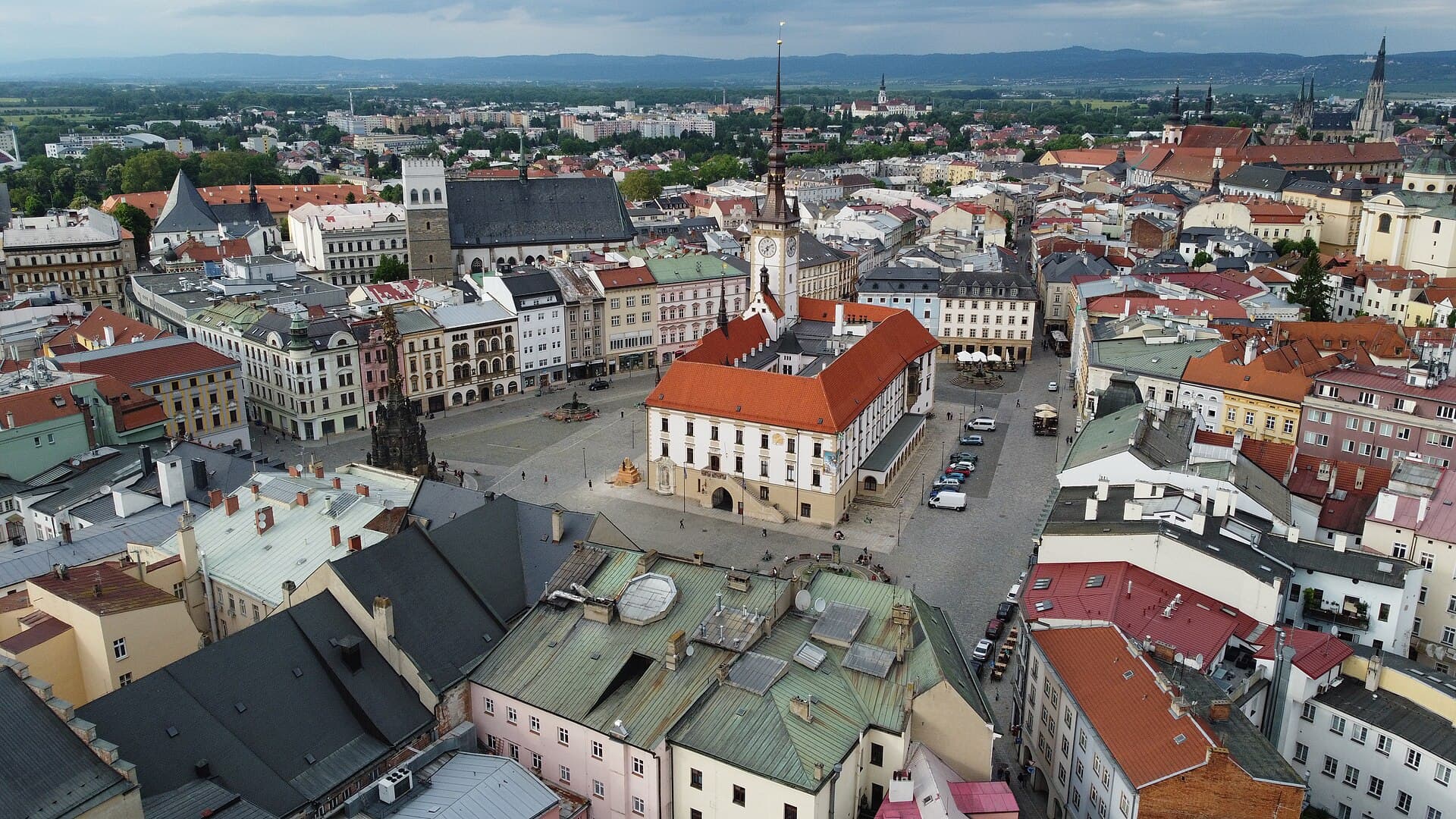 Lehky.cz / CC BY-SA 4.0, via Wikimedia Commons
Tour de áudio autoguiado por Olomouc — rota GPS a pé, reprodução offline, narração envolvente em 32 idiomas.
“Olomouc: Onde a Grandiosidade Barroca Encontra a Alma Boêmia.”
Não os postais. As histórias que nem os locais conhecem — sussurradas ao seu ouvido, exatamente onde aconteceram.
A Coluna da Santíssima Trindade é um testemunho de fé e arte, mas sua construção foi marcada por uma série de eventos infelizes para seus criadores.
O relógio astronômico de Olomouc conta mais do que apenas as horas; seus figuras refletem uma mudança dramática no cenário político da cidade.
Este queijo tcheco único, famoso por seu aroma pungente, tem uma história entrelaçada com os mercados da cidade, embora nem sempre tenha sido produzido dentro da própria Olomouc.
Descubra cada segredo de Olomouc
Cada endereço, cada revelação na íntegra — no seu ouvido, exatamente onde aconteceu.
Você escolhe as suas paragens. Você caminha. A voz revela o que os outros perdem.
O seu tour áudio autoguiado de Olomouc está pronto — escolha os seus pontos de interesse, selecione o seu idioma e comece no momento em que chegar.
ComprarA Lume inclui um guia de realidade aumentada. Levante o telemóvel: a câmara mostra a rua à sua frente, com uma seta luminosa sobreposta à imagem real que aponta sempre para a sua próxima paragem — sem mapa para decifrar, sem voltas erradas. Como tudo na Lume, funciona totalmente offline.
Olomouc, uma cidade na parte leste da República Tcheca, oferece uma mistura atraente de arquitetura grandiosa e uma atmosfera relaxada, um lugar às vezes comparado a Praga sem as multidões. Situada ao longo do rio Morava, serve como centro regional da Morávia Central e do Norte. O centro histórico da cidade é a segunda maior reserva de monumentos históricos da República Tcheca, depois de Praga, convidando os visitantes a passear por suas praças e charmosas vielas.
Com uma história que remonta a pelo menos o século VII, e achados arqueológicos sugerindo assentamentos ainda mais antigos em tempos romanos, Olomouc tem sido um importante reduto e centro de poder. Hoje, é também uma cidade universitária, sede da Palacký University, a segunda universidade mais antiga da República Tcheca, contribuindo para uma cena acadêmica e cultural vibrante sem as multidões avassaladoras de destinos maiores.
O patrimônio barroco da cidade é particularmente impressionante, evidente em sua Coluna da Santíssima Trindade, listada pela UNESCO, e em uma coleção de impressionantes fontes barrocas. Olomouc apresenta uma experiência cativante para aqueles interessados em história, cultura e arquitetura, oferecendo um vislumbre genuíno da vida morávia.
As origens de Olomouc remontam a pelo menos o século VII, com evidências arqueológicas apontando para assentamentos romanos na área ainda mais cedo. A lenda sugere que o imperador romano Júlio César fundou a cidade, e embora ele provavelmente nunca a tenha visitado, um acampamento militar romano conhecido como Julii Mons (Colina de Júlio) é creditado como sua origem. No século IX, Olomouc já era um importante reduto, e um bispado foi estabelecido ali em 1063, mais tarde elevado a arcebispado em 1777.
Olomouc floresceu como cidade real a partir de meados do século XIII, estrategicamente posicionada em rios e rotas comerciais. Serviu como capital da Morávia de 1187 a 1641, embora essa posição fosse frequentemente contestada por Brno. A cidade ganhou uma vantagem significativa como sede do bispado morávio e, posteriormente, de uma universidade. O século XIV viu Olomouc oficialmente designada como capital da Marca da Morávia pelo Rei João da Boêmia.
A prosperidade da cidade foi interrompida pela Guerra dos Trinta Anos (1618-1648), durante a qual Olomouc foi ocupada e saqueada pelos suecos em 1642 devido às suas muralhas mal conservadas. Este período devastador levou a uma drástica redução da população e à sua substituição por Brno como a principal cidade da Morávia após 1640. Apesar dos danos, Olomouc manteve sua importância como fortaleza militar e foi fortificada com massivas fortificações de bastiões, que enfrentaram um exército prussiano durante a Guerra dos Sete Anos em 1758.
A era pós-Guerra dos Trinta Anos viu um magnífico renascimento barroco. Edifícios seculares e eclesiásticos foram reconstruídos e glorificados no estilo barroco. A Coluna da Santíssima Trindade, Patrimônio Mundial da UNESCO, é o exemplo mais proeminente deste período, construída entre 1716 e 1754 como um testemunho de fé e gratidão pelo fim de uma epidemia de praga. As fortificações da cidade foram eventualmente demolidas no final do século XIX.
Em 1848, o Imperador Fernando I da Áustria abdicou em Olomouc, levando à ascensão de Francisco José I. A universidade da cidade, originalmente fundada em 1573, foi suprimida em 1854, mas revivida após a Segunda Guerra Mundial em 1946 e nomeada Palacký University. Hoje, Olomouc prospera como uma cidade universitária, com mais de vinte mil estudantes contribuindo para sua atmosfera dinâmica. O compromisso da cidade em preservar seu patrimônio é evidente em sua Cidade Velha bem conservada, a segunda maior reserva de monumentos históricos da República Tcheca, oferecendo uma jornada cativante através de séculos de história morávia.
Comece sua exploração na Praça Superior (Horní Náměstí), o coração da histórica Olomouc e a segunda maior praça pública da República Tcheca. Aqui, você encontrará a majestosa Coluna da Santíssima Trindade, um Patrimônio Mundial da UNESCO e o maior grupo escultural barroco da Europa Central, construído entre 1716 e 1754. Seus detalhes intrincados e estátuas de cobre dourado são um testemunho da grandeza barroca da cidade.
Dominando a praça está a Prefeitura, um edifício gótico-renascentista com uma torre de 70 metros oferecendo vistas panorâmicas da cidade. Em sua fachada norte, observe o único Relógio Astronômico de Olomouc. Originalmente do século XV, seu design atual em Realismo Socialista, apresentando trabalhadores e agricultores, é uma relíquia fascinante da era comunista.
Além da Praça Superior, encontra-se a Praça Inferior (Dolní Náměstí), lar de várias fontes barrocas, incluindo a significativa Fonte de Netuno, datada de 1683. Olomouc é conhecida por sua coleção de fontes barrocas, muitas retratando temas mitológicos como Hércules, Mercúrio, César e Júpiter. Não perca a moderna Fonte de Arion, encomendada em 2002, que conta o antigo mito grego de Arion e o golfinho.
Visite a Catedral de São Venceslau, um símbolo da cidade com raízes no século XII, reconstruída em estilo gótico após vários incêndios e ostentando a segunda torre de igreja mais alta da República Tcheca. Outras igrejas impressionantes incluem a Igreja de Nossa Senhora da Neve do século XVIII e a Igreja de São Miguel reconstruída no século XVII, ambas oferecendo interiores intrincados. Para entusiastas da arte, o Museu Arquidiocesano e o Museu de Arte Moderna valem a pena explorar.
Olomouc é mais agradável de maio a setembro, com temperaturas confortáveis variando de 20°C a 25°C. A primavera e o outono são considerados ideais para visitar. Junho oferece dias longos e ensolarados e é um ponto ideal antes das multidões de pico de julho e agosto. Setembro é perfeito para desfrutar do Festival Internacional de Órgão e da bela luz de outono nas fachadas de pedra da cidade.
Se você aprecia as diferentes estações, Olomouc oferece encantos únicos durante todo o ano. O mercado de Natal da cidade, de final de novembro a 24 de dezembro, é amplamente considerado um dos mais bonitos da República Tcheca, ambientado contra o pano de fundo da Coluna da Santíssima Trindade, Patrimônio Mundial da UNESCO.
Olomouc é facilmente acessível de trem, com conexões frequentes e baratas de Praga (aproximadamente 2,5 horas) e Brno (cerca de 1 hora). O centro da cidade é caminhável, mas uma rede densa de transporte público de bondes e ônibus está disponível. As passagens podem ser compradas em máquinas de venda automática, bancas de tabaco ou com o motorista (embora a um preço mais alto). Uma passagem de 40 minutos em dia de semana custa cerca de 20 CZK, enquanto uma passagem de 24 horas custa aproximadamente 70 CZK. A linha de bonde 2 conecta a estação principal de trem ao centro da cidade em cerca de 5-7 minutos.
A moeda local é a Coroa Tcheca (CZK). Casas de câmbio e caixas eletrônicos estão prontamente disponíveis, e os principais cartões de crédito são amplamente aceitos. Olomouc é considerada uma cidade muito segura com uma baixa taxa de criminalidade, tornando-a um destino confortável para todos os viajantes. No entanto, precauções padrão contra pequenos furtos em áreas turísticas movimentadas são sempre aconselháveis. As lojas geralmente abrem por volta das 9:00 e fecham às 18:00 durante a semana, com horários mais curtos aos sábados.
Olomouc — coreano, chinês, hebraico e mais 29 idiomas, cada parada narrada por uma voz nativa. A maior variedade de idiomas entre os passeios de áudio autoguiados.
Disponível em: