La Tregua Olimpica (Ekecheiria)
Prima dei Giochi, veniva dichiarata una tregua sacra in tutta la Grecia.
La storia completa si sblocca nel tour
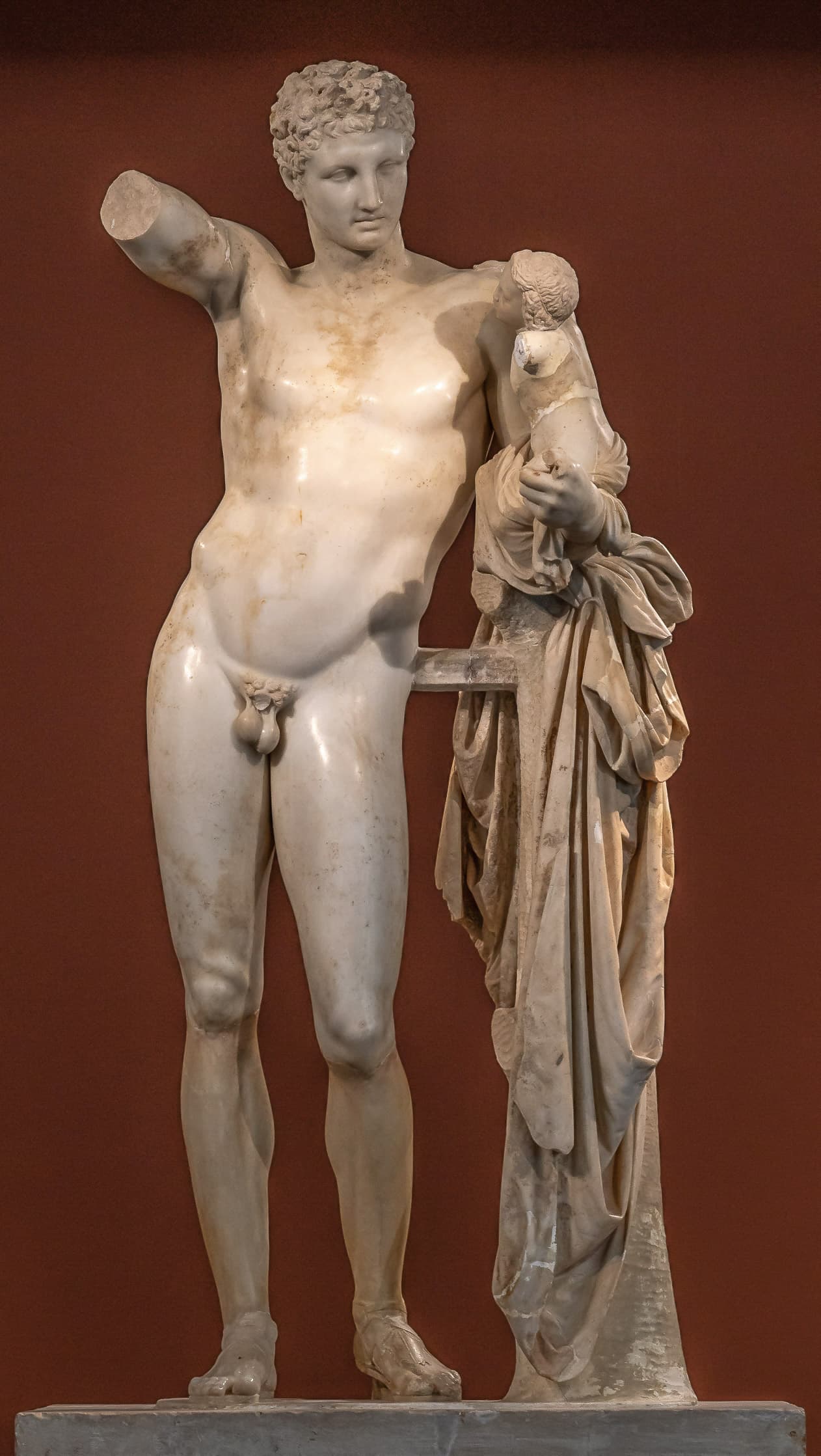 Dwaisman / cc by-sa 4.0, via Wikimedia Commons
Tour audio autoguidato di Olimpia — percorso GPS a piedi, riproduzione offline, narrazione coinvolgente in 32 lingue.
“Dove gli echi dell'antica gloria ispirano ancora il mondo moderno.”
Non le cartoline. Le storie che nemmeno i locali conoscono — sussurrate nel tuo orecchio, proprio dove sono accadute.
Prima dei Giochi, veniva dichiarata una tregua sacra in tutta la Grecia.
Uno dei templi più antichi di Olympia nasconde un segreto sui suoi materiali di costruzione.
L'antico stadio olimpico non era solo per le gare di corsa.
Scopri ogni segreto di Olimpia
Ogni indirizzo, ogni rivelazione completa — nel tuo orecchio, proprio dove è accaduta.
Scegli le tue tappe. Cammini. La voce rivela ciò che gli altri perdono.


Lume include una guida in realtà aumentata. Alza il telefono: la fotocamera mostra la strada davanti a te, con una freccia luminosa sovrapposta all'immagine reale che punta sempre verso la tua prossima tappa — nessuna mappa da decifrare, nessuna svolta sbagliata. Come tutto in Lume, funziona completamente offline.
Olympia, nella regione del Peloponneso occidentale in Grecia, è un nome che risuona con uno spirito duraturo. Non era semplicemente una città, ma un santuario sacro dedicato a Zeus, il re degli dei, e la culla degli antichi Giochi Olimpici. Per oltre un millennio, dal 776 a.C. al 393 d.C., Olympia attirò atleti, pellegrini e spettatori da tutto il mondo greco, promuovendo un'identità condivisa e una rara pace temporanea in mezzo a frequenti conflitti.
Oggi, il sito archeologico, patrimonio mondiale dell'UNESCO dal 1989, permette ai visitatori di camminare tra le colonne cadute e le antiche pietre, sperimentando l'aura potente di un luogo dove sono state create leggende. Le rovine raccontano storie di prodezze atletiche, devozione religiosa e cerimonie che hanno plasmato la civiltà occidentale. L'accensione simbolica della fiamma olimpica qui ogni quattro anni per i Giochi moderni continua a collegare il presente a tradizioni iniziate quasi 3.000 anni fa.
Le origini di Olympia sono radicate sia nel mito che nei primi insediamenti umani, con prove di attività risalenti al IV millennio a.C. Già nel 1000 a.C., il sito era emerso come un importante centro religioso dedicato al culto di Zeus. I primi Giochi Olimpici registrati ebbero luogo nel 776 a.C., segnando l'inizio di una tradizione quadriennale che sarebbe durata quasi 12 secoli. Questi giochi erano più che semplici competizioni atletiche; erano profonde feste religiose tenute in onore di Zeus, che attiravano partecipanti e spettatori da tutto il Mediterraneo.
Inizialmente, la vicina città di Pisa controllava il santuario, ma una vittoria decisiva di Elide nel 471 a.C. spostò il controllo, portando a significativi miglioramenti del sito. Olympia raggiunse il suo apice durante il periodo classico, un'epoca in cui furono costruite molte delle sue strutture più imponenti, tra cui il colossale Tempio di Zeus. Questo tempio ospitava un tempo una delle Sette Meraviglie del Mondo Antico: una statua di Zeus in oro e avorio alta 12 metri, scolpita da Fidia. Altre strutture notevoli di quest'epoca includono il Tempio di Hera, uno dei templi più antichi del sito, e lo stadio, capace di ospitare circa 45.000 spettatori.
I giochi continuarono a prosperare anche sotto il dominio romano, con gli imperatori che contribuirono all'espansione del sito. Tuttavia, la loro lunga serie giunse al termine nel 393 d.C. quando l'imperatore romano Teodosio I, considerandoli un "culto pagano", abolì i giochi. Teodosio II ordinò in seguito la distruzione dei templi nel 426 d.C., e successivi terremoti e inondazioni seppellirono ulteriormente il sito sotto strati di limo. Olympia rimase indisturbata per secoli fino all'inizio degli scavi moderni nel 1875, riportando alla luce le sue antiche meraviglie e ispirando la rinascita dei Giochi Olimpici nel 1896.
Il sito archeologico di Olympia offre un viaggio tentacolare attraverso la storia antica. Inizia dal Museo Archeologico di Olympia, che fornisce un contesto essenziale prima di esplorare le rovine. Ospita un'importante collezione di manufatti, tra cui la celebre statua di Hermes di Prassitele e la Nike di Paionios, insieme alle sculture del Tempio di Zeus.
All'interno del recinto sacro, noto come Altis, troverai i resti del Tempio di Zeus, una struttura monumentale che un tempo ospitava una delle Sette Meraviglie del Mondo Antico. Nelle vicinanze si erge il Tempio di Hera, uno dei templi più antichi di Olympia, dove viene accesa la fiamma olimpica per i giochi moderni.
Cammina attraverso il Philippeion, un memoriale circolare dedicato a Filippo II di Macedonia e alla sua famiglia, incluso Alessandro Magno. Esplora la Palestra e il Ginnasio, dove gli antichi atleti si allenavano in lotta, pugilato e altre discipline. Infine, immagina il ruggito della folla entrando nello stadio antico, dove si tenevano i Giochi Olimpici, capace di ospitare decine di migliaia di spettatori.
I periodi ideali per visitare Olympia sono la primavera (aprile-maggio) e l'autunno (settembre-ottobre). Durante questi mesi, il clima è mite e la folla è generalmente minore, consentendo un'esplorazione più tranquilla dell'ampio sito archeologico. L'estate (luglio-agosto) porta un caldo intenso, spesso superiore ai 35°C (95°F), e una folla più numerosa, soprattutto quando le navi da crociera attraccano al porto di Katakolon. L'inverno (novembre-marzo) offre solitudine e prezzi dei biglietti ridotti, anche se può essere piovoso con ore di luce più brevi.
Olympia si trova nel Peloponneso occidentale, a circa 320 chilometri (3,5 ore in auto) da Atene. È raggiungibile anche in autobus da Atene, con un tempo di percorrenza di circa 4-4,5 ore. Se si arriva in crociera, il porto di Katakolon è a circa 34 km di distanza, con taxi, autobus pubblici e tour organizzati disponibili per il trasferimento.
Il sito archeologico e i musei sono aperti tutti i giorni, con orari più lunghi in estate (aprile-ottobre, 8:00-20:00) e orari più brevi in inverno (novembre-marzo, 8:30-15:30). Un biglietto combinato include l'accesso sia al sito archeologico che ai musei. Prevedi almeno 3-4 ore per un'esplorazione approfondita. Indossa scarpe comode, porta acqua e considera una visita al mattino presto o nel tardo pomeriggio per evitare folla e caldo. Le aree principali del sito hanno sentieri lastricati e il Museo Archeologico è accessibile alle sedie a rotelle.
Olimpia — coreano, cinese, ebraico e altre 29 lingue, ogni tappa narrata da una voce madrelingua. La più ampia scelta di lingue tra i tour audio autoguidati.
Disponibile in: