Stazione Biblioteka Puškina della Metropolitana di Omsk
Omsk costruì una stazione della metropolitana, ma nessun treno vi transitò mai.
La storia completa si sblocca nel tour
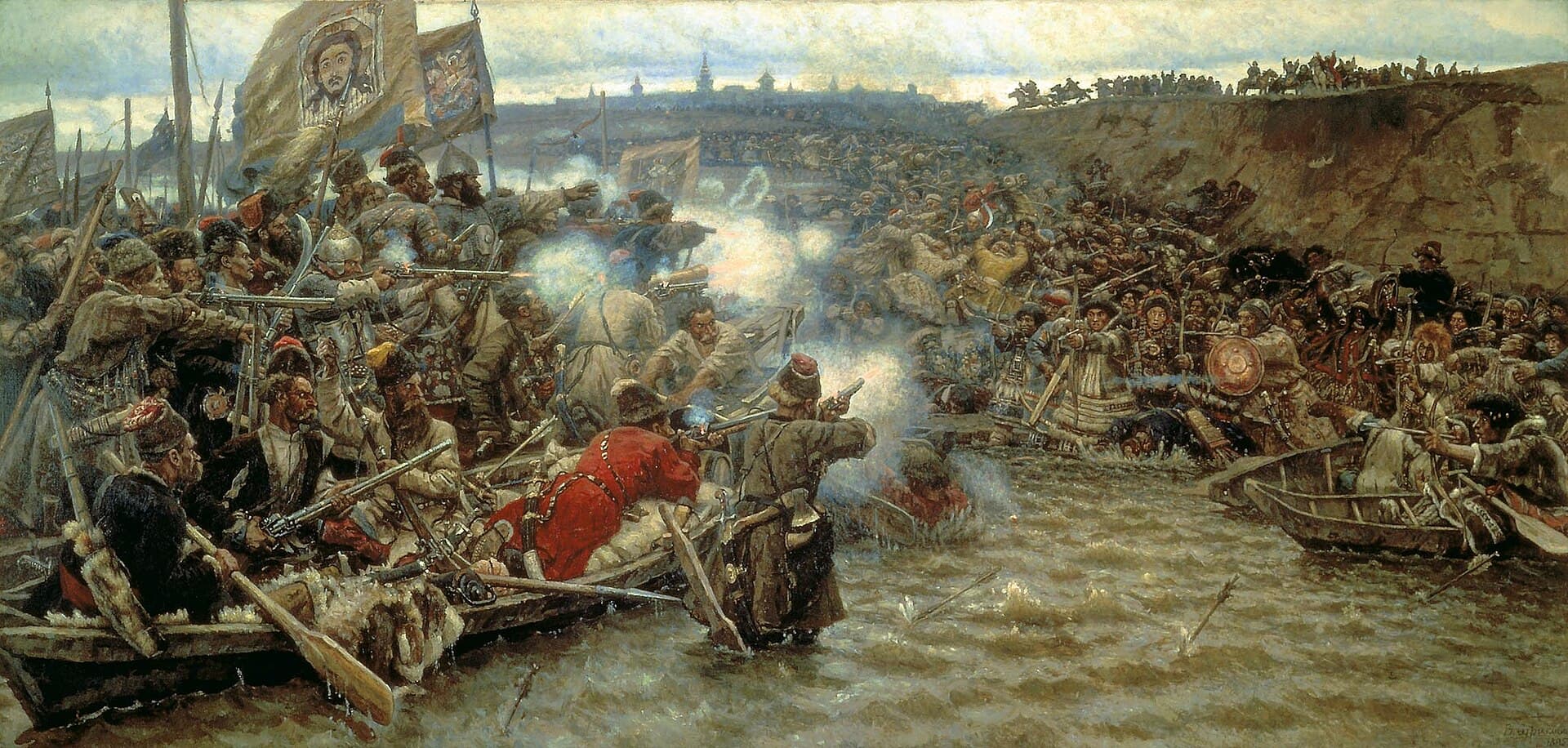 Vasiliy Surikov / public domain, via Wikimedia Commons
Tour audio autoguidato di Omsk — percorso GPS a piedi, riproduzione offline, narrazione coinvolgente in 32 lingue.
“Dove la resilienza siberiana incontra l'ambizione imperiale.”
Non le cartoline. Le storie che nemmeno i locali conoscono — sussurrate nel tuo orecchio, proprio dove sono accadute.
Omsk costruì una stazione della metropolitana, ma nessun treno vi transitò mai.
Per sperimentare veramente i sapori di Omsk, evita le vie principali e cerca un particolare rituale della domenica mattina.
Un'usanza locale a Omsk, che coinvolge una figura di bronzo e un gesto specifico, si ritiene porti fortuna.
Scopri ogni segreto di Omsk
Ogni indirizzo, ogni rivelazione completa — nel tuo orecchio, proprio dove è accaduta.
Scegli le tue tappe. Cammini. La voce rivela ciò che gli altri perdono.


Il tuo tour audio autoguidato di Omsk è pronto — scegli i tuoi punti di interesse, seleziona la tua lingua e inizia nel momento in cui arrivi.
AcquistaLume include una guida in realtà aumentata. Alza il telefono: la fotocamera mostra la strada davanti a te, con una freccia luminosa sovrapposta all'immagine reale che punta sempre verso la tua prossima tappa — nessuna mappa da decifrare, nessuna svolta sbagliata. Come tutto in Lume, funziona completamente offline.
Omsk, una città significativa nella Siberia sud-occidentale, si trova alla confluenza dei fiumi Irtyš e Om. Con una popolazione che supera il milione di abitanti, funziona come un vitale centro culturale e industriale in Russia. Le radici della città risalgono a oltre 14.000 anni fa, con antiche tribù che abitavano la terra, sebbene la sua fondazione ufficiale come fortezza risalga al 1716.
La posizione strategica di Omsk la rese un cruciale snodo di trasporto e commercio, in particolare con l'arrivo della Ferrovia Transiberiana alla fine del 1890. Questa ferrovia catalizzò una rapida espansione, contribuendo all'identità di Omsk come la 'Chicago della Siberia' dopo aver ospitato l'Esposizione Siberiana di Agricoltura e Industria nel 1910. Oggi, Omsk intreccia i suoi strati storici con il dinamismo contemporaneo, presentando un distinto incontro siberiano.
## Dalla Fortezza alla Capitale Imperiale La genesi di Omsk risale al 2 agosto 1716, quando il tenente colonnello Ivan Bukholts eresse una fortezza di legno dove si incontrano i fiumi Om e Irtyš. Questa fortificazione faceva parte di uno sforzo più ampio per salvaguardare la crescente frontiera meridionale della Russia e assicurare il dominio sul bacino del fiume Irtyš. La fortezza guadagnò rapidamente importanza, evolvendosi nel baluardo più formidabile dell'est entro il XIX secolo. Nel 1782, a Omsk fu concesso lo status di città.
Entro il 1822, Omsk era ascesa a capitale amministrativa della Siberia occidentale e, successivamente, nel 1882, al nucleo dell'ampia regione delle steppe, che ora comprende parti del Kazakistan settentrionale. Quest'epoca vide la costruzione di numerose chiese, moschee, una sinagoga, la residenza del governatore generale e un'accademia militare, riflettendo la sua crescente statura. Tuttavia, con l'arretramento della frontiera, l'importanza militare di Omsk diminuì, e si trasformò in un centro primario per l'esilio siberiano.
## L'Esilio di Dostoevskij e la 'Chicago della Siberia' Uno degli abitanti più rinomati, sebbene non voluti, di Omsk fu Fëdor Dostoevskij, che subì quattro anni di duro lavoro in un katorga (prigione) di Omsk dal 1850 al 1854 a causa del suo coinvolgimento nel Circolo Petrasevskij. Le sue esperienze durante questo periodo plasmarono profondamente il suo romanzo, Memorie dalla casa dei morti. Nonostante il suo arduo soggiorno, il legame di Dostoevskij con Omsk è onorato con un museo, una biblioteca e strade a lui intitolate.
La fine del XIX secolo inaugurò una nuova epoca di prosperità con la costruzione della Ferrovia Transiberiana negli anni '90 dell'Ottocento. Questo trasformò Omsk in un cruciale snodo logistico e commerciale, attirando imprese straniere e stimolando un ampio sviluppo urbano. L'apice pre-rivoluzionario della città fu l'Esposizione Siberiana di Agricoltura e Industria del 1910, che consolidò la sua reputazione di 'Chicago della Siberia'.
## Capitale della Guerra Civile e Industrializzazione Sovietica Durante la Guerra Civile Russa (1918–1920), Omsk svolse un ruolo centrale, fungendo da capitale dello Stato Russo anti-bolscevico sotto l'Ammiraglio Aleksandr Kolčak. La città protesse persino le riserve auree dell'ex Impero Russo, protette da prigionieri di guerra cecoslovacchi. Tuttavia, il dominio dell'Armata Bianca fu breve, e le forze bolsceviche catturarono la città nel 1919.
Sotto il governo sovietico, Omsk subì una sostanziale industrializzazione. Durante la Seconda Guerra Mondiale, la sua distanza dalle linee del fronte e le infrastrutture sviluppate la resero un rifugio per industrie e istituti di ricerca evacuati, diventando un importante centro del fronte interno. Ciò pose le basi per la sua espansione post-bellica, con Omsk che emerse come leader nella produzione militare sovietica e un hub centrale per le industrie di raffinazione del petrolio e petrolchimiche in Siberia entro la metà degli anni '50. La città continuò la sua rapida crescita negli anni '70 e '80, con la sua popolazione che raggiunse un milione nel 1975.
Inizia la tua esplorazione dalla Fortezza di Omsk, il nucleo storico della città. Sebbene gran parte della fortificazione originale sia scomparsa, le ricostruite Porta di Tara e Porta di Tobolsk resistono, offrendo uno sguardo sul suo passato. Nelle vicinanze, la Cattedrale dell'Assunzione si erge come un prominente punto di riferimento con le sue suggestive cupole turchesi e dorate, una testimonianza dell'architettura ortodossa russa. L'area circostante la cattedrale presenta imponenti strutture dell'era sovietica e invitanti viali per piacevoli passeggiate.
Per coloro attratti dall'arte, il Museo Regionale d'Arte di Omsk M.A. Vrubel ospita la più vasta collezione d'arte della Siberia, includendo creazioni di maestri europei e russi, e opere del pittore simbolista di Omsk Mikhail Vrubel. Per approfondire la narrazione più ampia della regione, visita il Museo Statale di Storia Regionale di Omsk, uno dei più antichi musei della Siberia, con esposizioni che spaziano dall'archeologia, all'etnografia e alla storia naturale, inclusi resti di mammut.
Fai una rilassante passeggiata lungo l'argine del fiume Irtyš, un luogo di ritrovo amato dalla gente del posto. Assicurati di trovare l'inconfondibile monumento al Calzolaio Stepanich in via Lenin, una scultura in bronzo che sbuca da un tombino, un luogo popolare per le fotografie. Per un singolare incontro con la natura urbana, Birds' Harbor è un parco naturale entro i limiti della città, che funge da vitale luogo di sosta per gli uccelli migratori.
Il periodo più favorevole per visitare Omsk per attività all'aperto con clima caldo va da metà giugno a metà agosto. Durante questi mesi, le temperature sono gradevoli, con una media di circa +20°C, spesso salendo a +25°C o più durante le ore diurne. Sebbene l'estate registri le maggiori precipitazioni, il volume totale rimane relativamente modesto, creando condizioni piacevoli per l'esplorazione all'aperto. Gli inverni sono lunghi e freddi, con temperature medie di gennaio intorno a -20°C, potenzialmente scendendo a -45°C. La primavera e l'autunno sono stagioni di transizione, caratterizzate da temperature fluttuanti.
Omsk si trova a circa 2.555 km a est di Mosca. La valuta locale è il Rublo Russo (RUB). Le banche operano solitamente dalle 10:00 alle 19:00 dal lunedì al venerdì, con alcune aperte il sabato mattina per il cambio valuta e l'accesso ai bancomat. Il russo è la lingua ufficiale e si consiglia di procurarsi un interprete se non si è proficienti.
Il trasporto pubblico, che comprende autobus, filobus e tram, opera dalle 6:00 alle 23:00. I biglietti possono essere acquistati in contanti o con carte Visa a bordo, oppure si può utilizzare una carta di trasporto 'Omka' per una tariffa ridotta, disponibile presso le edicole. Le app di ride-sharing come Yandex Go offrono servizi taxi affidabili. L'assistenza medica di emergenza è gratuita; componi lo 03 da un telefono fisso o il 112 da un telefono cellulare. La maggior parte dei musei osserva chiusure il lunedì.
Omsk — coreano, cinese, ebraico e altre 29 lingue, ogni tappa narrata da una voce madrelingua. La più ampia scelta di lingue tra i tour audio autoguidati.
Disponibile in: