Ram Raja Tempel
Orchhas Ram Raja Tempel ist in Indien einzigartig, nicht nur wegen seiner verehrten Figur, sondern auch wegen der außergewöhnlichen Ehrfurcht, die ihm entgegengebracht wird.
Die ganze Geschichte wird in der Tour freigeschaltet
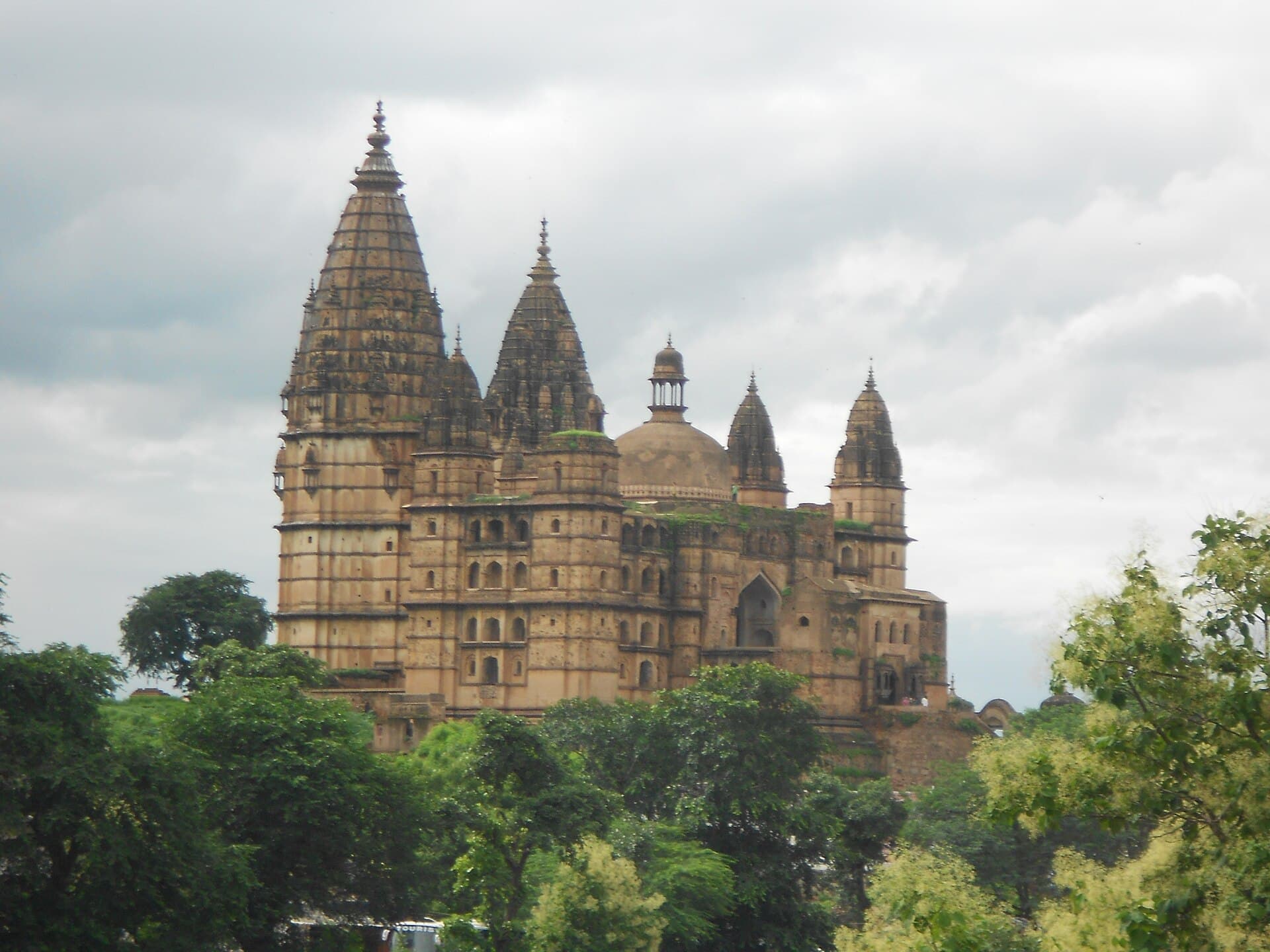 Yann (talk) / CC BY-SA 4.0, via Wikimedia Commons
Selbstgeführte Audio-Walking-Tour durch Orchha — GPS-Route, Offline-Wiedergabe, erzählerische Narration in 32 Sprachen.
“Wo alte Steine Sagen erzählen und eine Gottheit eine Krone trägt.”
Nicht die Postkarten. Die Geschichten, die selbst Einheimische nicht kennen – dir ins Ohr geflüstert, genau dort, wo sie geschahen.
Orchhas Ram Raja Tempel ist in Indien einzigartig, nicht nur wegen seiner verehrten Figur, sondern auch wegen der außergewöhnlichen Ehrfurcht, die ihm entgegengebracht wird.
Der hoch aufragende Chaturbhuj Tempel wurde für einen bestimmten Zweck erbaut, doch sein prächtiges Heiligtum bleibt von seinem beabsichtigten Bewohner unbesetzt.
Dieser prächtige Palast wurde zu Ehren eines mächtigen Kaisers erbaut, doch er verbrachte nur eine einzige Nacht in seinen Mauern.
Entdecke jedes Geheimnis von Orchha
Jede Adresse, jede Enthüllung vollständig – in deinem Ohr, genau dort, wo es geschah.
Du wählst deine Stationen. Du gehst. Die Stimme enthüllt, was andere übersehen.


Deine selbstgeführte Audio-Tour durch Orchha ist bereit – wähle deine Sehenswürdigkeiten, deine Sprache und starte, sobald du ankommst.
KaufenLume enthält einen integrierten Augmented-Reality-Guide. Halten Sie Ihr Handy hoch: Die Kamera zeigt die Straße vor Ihnen, mit einem leuchtenden Pfeil über dem echten Bild, der immer auf Ihren nächsten Stopp zeigt — keine Karte zum Rätseln, keine falschen Abzweigungen. Wie alles bei Lume funktioniert es komplett offline.
Orchha, ein Name, der 'verborgen' bedeutet, macht seinem Namen als ruhige Stadt am Betwa-Fluss in Madhya Pradesh, Indien, alle Ehre. Dieser ehemalige Fürstenstaat, der im 16. Jahrhundert gegründet wurde, bietet mit seinen gut erhaltenen Palästen, Tempeln und Kenotaphen einen Einblick in eine vergangene Ära. Im Gegensatz zu den geschäftigen städtischen Zentren Indiens bewahrt Orchha eine ruhige, ländliche Atmosphäre und lädt Besucher ein, seine architektonischen Wunder in einem entspannten Tempo zu erkunden.
Die ausgeprägte Verschmelzung von Rajput- und Mogul-Architektur, oft als Bundeli-Architektur bezeichnet, zeigt sich in den prächtigen Bauwerken. Orchhas Reiz reicht über seine Monumente hinaus bis zum ruhigen Flusslauf der Betwa, die die Stadt zu einer saisonalen Insel formt. Es ist ein Ort, an dem Geschichte mit lokaler Überlieferung verwoben ist und ein fesselndes Erlebnis für diejenigen schafft, die seine alten Pfade erkunden.
Orchhas Geschichte beginnt im Jahr 1531, als Rudra Pratap Singh, ein Bundela-Rajput-Häuptling, es zur Hauptstadt seines Herrschaftsgebiets machte. Er wählte diesen strategischen Ort an einer Biegung des Betwa-Flusses, der natürlichen Schutz bot. Rudra Pratap Singh begann mit dem Bau des Orchha-Forts, starb jedoch im selben Jahr seiner Gründung. Seine Nachfolger bauten seine Vision weiter aus und formten Orchha zu einem mächtigen Königreich in Zentralindien.
Die Bundela-Herrscher waren produktive Baumeister und hinterließen eine bemerkenswerte Sammlung von Palästen und Tempeln. Raja Madhukar Shah, der von 1554 bis 1591 regierte, spielte eine bedeutende Rolle bei der architektonischen Entwicklung der Stadt, einschließlich der Fertigstellung des Raj Mandir und des Beginns des Chaturbhuj-Tempels. Seine Frau, Königin Ganesh Kunwar, soll die Inspiration für den Chaturbhuj-Tempel gewesen sein.
Orchha erreichte im frühen 17. Jahrhundert unter Raja Bir Singh Deo seinen Höhepunkt an politischem Einfluss und architektonischer Pracht. Er ist besonders für den Bau des exquisiten Jahangir Mahal bekannt, eines mehrstöckigen Palastes, der mit anmutigen Chhatris geschmückt ist und zu Ehren von Kaiser Jahangir errichtet wurde. Die Architektur der Stadt zeigt eine ausgeprägte Mischung aus Rajput- und Mogul-Stilen, ein Zeugnis des kulturellen Austauschs der damaligen Zeit.
Trotz seiner Pracht sah sich Orchha Herausforderungen gegenüber. Im Jahr 1635 eroberten kaiserliche Truppen der Mogularmee unter der Führung von Prinz Aurangzeb Orchha. Später, im Jahr 1783, wurde die Hauptstadt des Bundela-Staates nach Tehri (später Tikamgarh) verlegt. Während der britischen Herrschaft wurde Orchha Teil der Bundelkhand Agency. Nach der Unabhängigkeit Indiens im Jahr 1947 trat es 1950 der Union von Indien bei und wurde Teil von Madhya Pradesh. Heute sind Orchhas mittelalterliche Bauwerke bemerkenswert gut erhalten und bieten eine greifbare Verbindung zu seiner komplexen Vergangenheit.
Der Orchha Fort Complex bildet den Kern der historischen Sehenswürdigkeiten der Stadt, ein weitläufiges Gebiet, das mehrere prächtige Bauwerke umfasst. Innerhalb des Komplexes finden Sie den Raja Mahal, einen klassischen Palast im Rajput-Stil, der mit kunstvollen Wandmalereien geschmückt ist, die hinduistische Epen und Gottheiten darstellen. Der Jahangir Mahal ist ein Denkmal der indo-islamischen Architektur, das zu Ehren von Kaiser Jahangir erbaut wurde. Der Sheesh Mahal oder 'Palast der Spiegel' fungiert heute als Heritage-Hotel.
Etwas außerhalb des Fort-Komplexes befindet sich der Ram Raja Tempel, ein einzigartiger Ort, an dem Lord Rama als regierender König von Orchha verehrt wird. In der Nähe bietet der hoch aufragende Chaturbhuj Tempel, der Lord Vishnu gewidmet ist, ein beeindruckendes architektonisches Wunderwerk mit kreuzförmigem Grundriss und hohen Gewölbedecken. Verpassen Sie nicht die Chhatris von Orchha, eine Sammlung von 14 königlichen Kenotaphen am Betwa-Fluss, die sich am besten in der Dämmerung vom gegenüberliegenden Ufer aus betrachten lassen.
Weitere bemerkenswerte Orte sind der Lakshminarayan Tempel, der für seine gut erhaltenen Wandmalereien bekannt ist, und der Rai Praveen Mahal, ein Palast mit einer romantischen Geschichte, der einer begabten Kurtisane gewidmet ist. Für Naturliebhaber bieten der Orchha Wildlife Sanctuary und Rafting auf dem Betwa-Fluss Möglichkeiten, die natürliche Schönheit der Region zu genießen.
Die angenehmste Zeit für eine Reise nach Orchha sind die kühleren Monate von Oktober bis März. In dieser Zeit liegen die Temperaturen zwischen angenehmen 10 und 25 Grad Celsius, ideal für die Erkundung der historischen Stätten der Stadt und die Teilnahme an Outdoor-Aktivitäten wie River Rafting. Die Monsunzeit von Juli bis September bietet ebenfalls eine üppige Landschaft, obwohl es zu gelegentlichen Regenfällen kommen kann. Die Sommer von April bis Juni sind normalerweise heiß, mit Temperaturen, die bis zu 45 Grad Celsius erreichen, und sind im Allgemeinen für Reisen weniger empfehlenswert.
Orchha ist gut angebunden, der nächste größere Bahnhof befindet sich in Jhansi, etwa 18 Kilometer entfernt. Von Jhansi aus können Sie ein Auto-Rikscha oder ein Taxi nach Orchha nehmen. Der nächstgelegene Inlandsflughafen ist Gwalior, etwa 126 Kilometer von Orchha entfernt, mit begrenzten Flugoptionen. Für internationale Reisende ist der nächstgelegene internationale Flughafen weiter entfernt, etwa 300 Kilometer.
Innerhalb von Orchha sind die wichtigsten historischen Stätten relativ nah beieinander, sodass die Erkundung zu Fuß oder mit einer lokalen Auto-Rikscha bequem ist. Der Eintritt zum Orchha Fort Komplex kostet 250 INR für internationale Besucher und 10 INR für indische Touristen, mit zusätzlichen Gebühren für Kameras. Viele Hotels und Pensionen sind verfügbar, darunter auch historische Unterkünfte wie der Sheesh Mahal. Erwägen Sie den Besuch der abendlichen Ton- und Lichtshow im Fort, um einen Überblick über Orchhas Vergangenheit zu erhalten.
Orchha — Koreanisch, Chinesisch, Hebräisch und 29 weitere Sprachen, jede Station von einer muttersprachlichen Stimme erzählt. Die größte Sprachauswahl aller selbstgeführten Audiotouren.
Verfügbar auf: