Lake Eola Park
Este lago icônico do centro não é bem o que parece.
História completa desbloqueada no tour
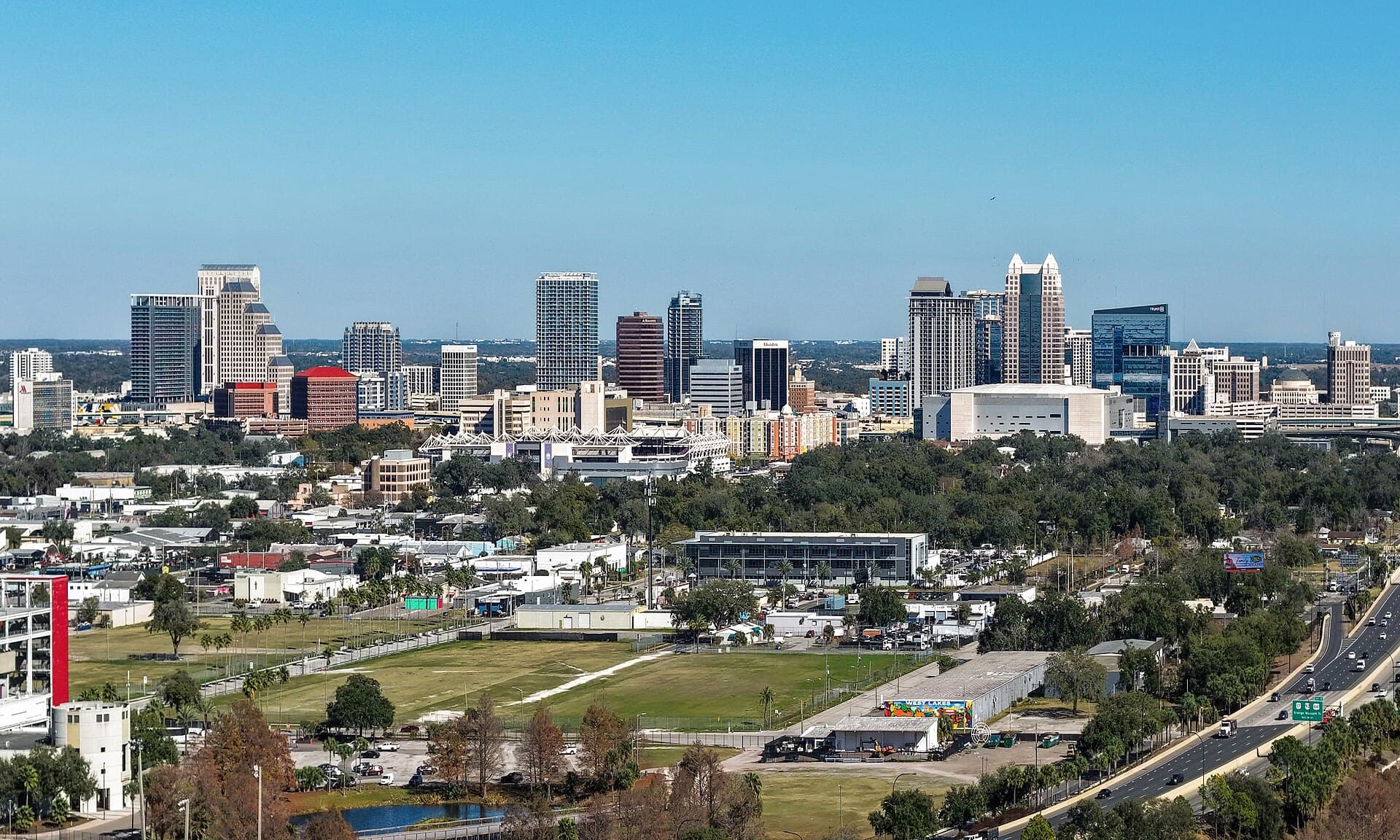 Quintin Soloviev / CC BY 4.0, via Wikimedia Commons
Tour de áudio autoguiado por Orlando — rota GPS a pé, reprodução offline, narração envolvente em 32 idiomas.
“Além dos castelos, uma cidade de profundezas inesperadas.”
Não os postais. As histórias que nem os locais conhecem — sussurradas ao seu ouvido, exatamente onde aconteceram.
Este lago icônico do centro não é bem o que parece.
Um pedaço do passado de Orlando foi sacrificado pelo ganho de Hollywood.
Antes de ser 'Orange County', esta área tinha um nome bastante espinhoso.
Descubra cada segredo de Orlando
Cada endereço, cada revelação na íntegra — no seu ouvido, exatamente onde aconteceu.
Você escolhe as suas paragens. Você caminha. A voz revela o que os outros perdem.

O seu tour áudio autoguiado de Orlando está pronto — escolha os seus pontos de interesse, selecione o seu idioma e comece no momento em que chegar.
ComprarA Lume inclui um guia de realidade aumentada. Levante o telemóvel: a câmara mostra a rua à sua frente, com uma seta luminosa sobreposta à imagem real que aponta sempre para a sua próxima paragem — sem mapa para decifrar, sem voltas erradas. Como tudo na Lume, funciona totalmente offline.
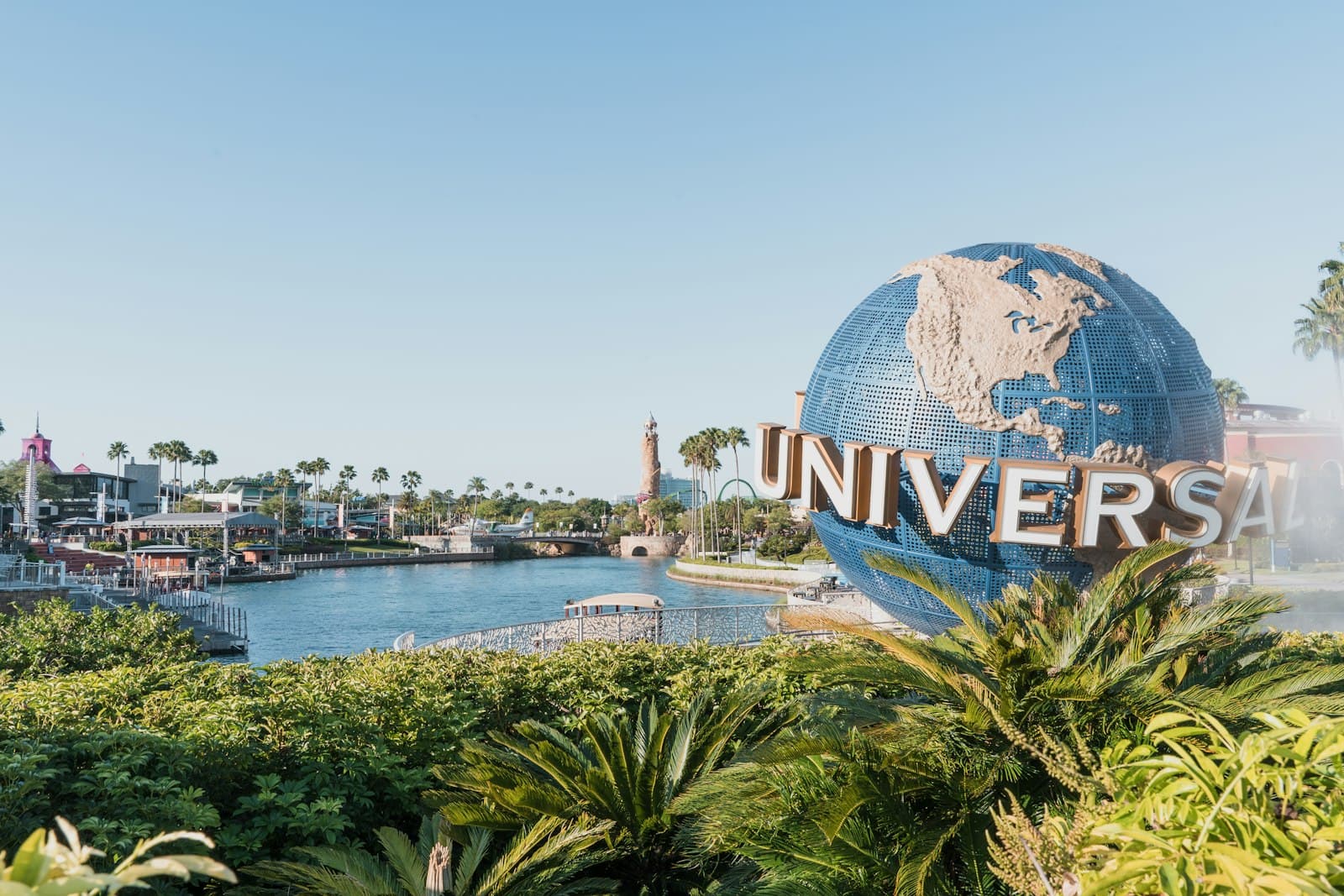
Orlando, Flórida, muitas vezes evoca aventuras em parques temáticos e personagens animados, e de fato, é mundialmente reconhecida como a "Capital Mundial dos Parques Temáticos". Milhões chegam aqui anualmente para vivenciar o encanto do Walt Disney World, Universal Orlando Resort e SeaWorld Orlando. No entanto, além dos reinos fantásticos, um Orlando diferente se revela — uma cidade com uma história surpreendente, um centro vibrante e uma paisagem pontilhada por mais de 100 lagos.
Conhecida oficialmente como "A Cidade Mais Bonita" desde 1908, Orlando oferece uma gama diversificada de experiências que vão muito além de suas atrações celebradas. Desde explorar distritos históricos e jardins tranquilos até interagir com as artes locais e desfrutar de cenas culinárias variadas, há um ritmo mais calmo e autêntico a ser descoberto. É um lugar onde você pode remar um barco de cisne em um lago do centro, mergulhar na história militar ou até mesmo colher sua própria fruta cítrica, revelando camadas de caráter muitas vezes negligenciadas pelo visitante casual.
A evolução de Orlando, de um centro da indústria de frutas cítricas a um destino turístico global, fala de sua adaptabilidade e apelo duradouro. Embora os parques temáticos sejam um atrativo significativo, o charme da cidade reside em sua capacidade de oferecer entretenimento de classe mundial e um senso genuíno de lugar, convidando os visitantes a explorar suas facetas menos conhecidas e descobrir sua verdadeira beleza.
As origens de Orlando remontam a 1838, durante o auge das Guerras Seminole, quando o Exército dos EUA estabeleceu o Fort Gatlin ao sul dos limites atuais da cidade para proteger os colonos. Uma pequena comunidade, inicialmente chamada Jernigan em homenagem aos primeiros colonos permanentes, Isaac e Aaron Jernigan, cresceu ao redor do forte em 1840. O correio de Jernigan foi estabelecido em 30 de maio de 1850. No entanto, em 1857, a comunidade mudou oficialmente seu nome para Orlando.
A origem exata do nome "Orlando" está envolta em lendas locais, sem documentação oficial. Várias teorias persistem: uma sugere que foi nomeada em homenagem a um soldado, Orlando Reeves (ou Jennings), que supostamente morreu durante as Guerras Seminole perto do Lago Eola. Outra teoria postula que o juiz James Speer, fundamental para tornar Orlando a sede do condado, a nomeou em homenagem a um personagem da peça As You Like It de Shakespeare. A presença da Rosalind Avenue, nomeada em homenagem à heroína da peça, confere algum apoio circunstancial a essa ideia.
Orlando foi incorporada como cidade em 1875 com 85 habitantes. O período entre 1875 e 1895 é frequentemente referido como a "Era de Ouro" de Orlando, quando se tornou o principal centro da crescente indústria de frutas cítricas da Flórida. O solo fértil, o clima quente e o acesso a ferrovias tornaram a região ideal para o cultivo de laranjas e outras frutas cítricas, com mais de um milhão de caixas enviadas anualmente na década de 1890. No entanto, esse boom foi abruptamente interrompido pelo catastrófico Grande Congelamento de 1894-1895, que dizimou os pomares de frutas cítricas e forçou muitos agricultores a se mudarem para o sul.
Após o declínio da indústria de frutas cítricas, Orlando se tornou um popular destino de férias entre a Guerra Hispano-Americana e a Primeira Guerra Mundial. A década de 1920 viu um boom imobiliário significativo, embora isso tenha sido interrompido por furacões e pela Grande Depressão. Durante a Segunda Guerra Mundial, a presença de bases aéreas militares contribuiu para o crescimento da área. O verdadeiro ponto de virada, no entanto, chegou na década de 1960 com o desenvolvimento do Walt Disney World, que abriu em 1971. Isso transformou Orlando em um destino turístico internacional, levando ao estabelecimento de outras grandes atrações como a Universal Studios e a SeaWorld, e diversificando sua economia para indústrias de alta tecnologia.
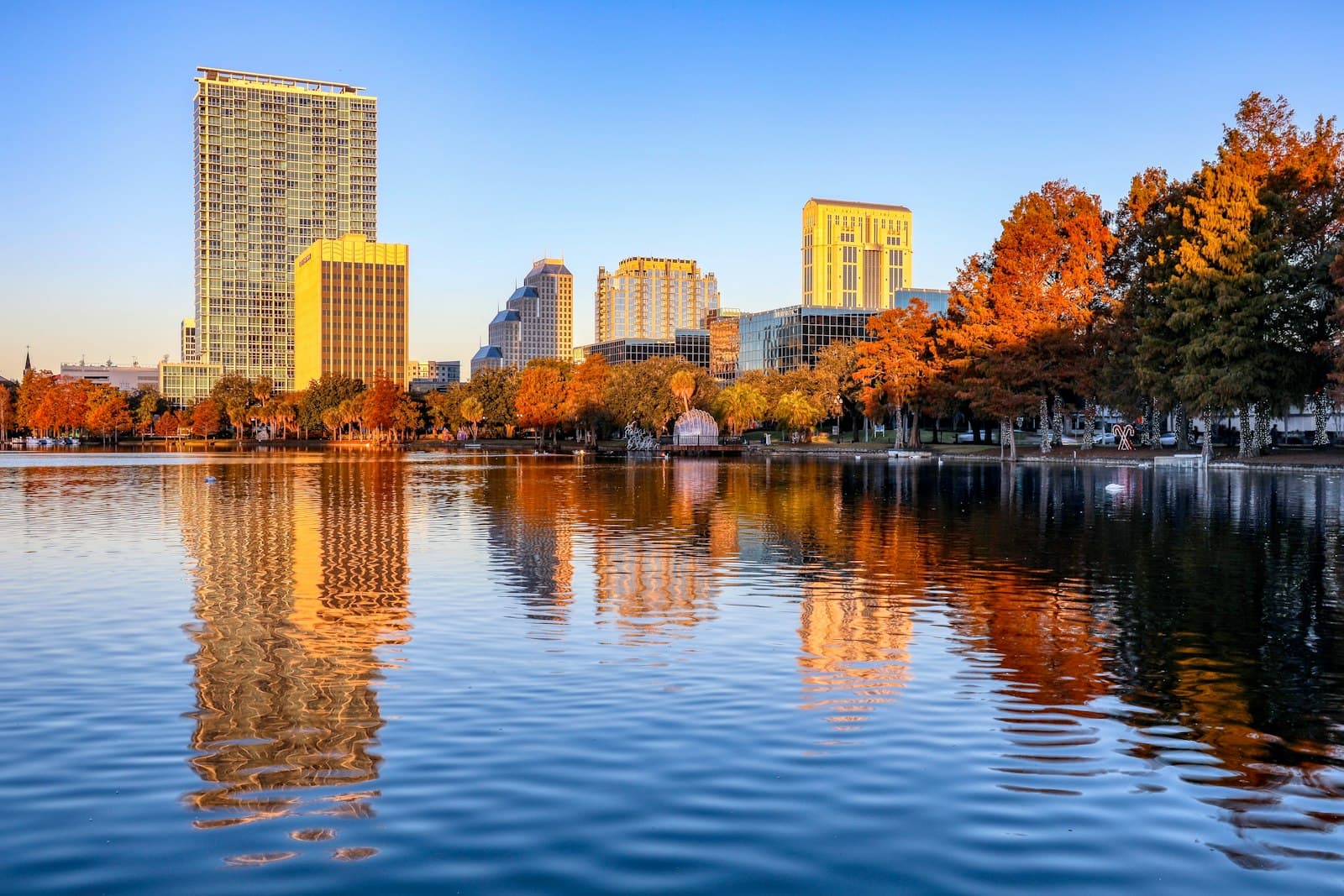
Embora os parques temáticos sejam um grande atrativo, Orlando oferece uma variedade de experiências além das montanhas-russas. Explore o Lake Eola Park no centro de Orlando, onde você pode alugar pedalinhos em forma de cisne, caminhar pela trilha de 1,4 km e apreciar a diversidade de aves. O parque também abriga um mercado de agricultores aos domingos. Para um mergulho mais profundo na história local, visite o Orange County Regional History Center, que oferece insights sobre o passado da cidade. Perto dali, na beira do Lago Eola, você encontrará o Battle of the Bulge Memorial.
Descubra os espaços verdes da cidade no Harry P. Leu Gardens, um oásis botânico de 20 hectares com diversas coleções de plantas. Para uma experiência natural única, considere andar de caiaque pelo Rock Springs Run, conhecido por suas águas claras e azul-turquesa, ou explorar os pântanos de ciprestes do Shingle Creek. O Museum of Military History em Kissimmee, a uma curta distância de carro de Orlando, oferece exposições sobre várias guerras americanas, com um foco significativo na Segunda Guerra Mundial. Para provar o passado agrícola de Orlando, visite o Showcase of Citrus, um pomar em funcionamento onde você pode colher sua própria fruta. A cidade também tem uma cena crescente de cervejarias artesanais, oferecendo inúmeras opções para quem busca sabores locais.
A época ideal para visitar Orlando é durante o final do inverno e início da primavera (fevereiro a abril) ou no final do outono (outubro a novembro). Durante esses meses, as temperaturas são agradáveis, geralmente variando entre 24°C e 28°C, tornando as atividades ao ar livre e as visitas aos parques temáticos mais confortáveis. As multidões são geralmente menores do que durante o pico do verão e os períodos de feriados, e você pode frequentemente encontrar um melhor valor em acomodações. Embora o verão ofereça os dias mais quentes, ideais para parques aquáticos, ele também traz alta umidade e tempestades à tarde. A temporada de furacões vai de junho a novembro, com o maior risco em agosto e setembro.
O Aeroporto Internacional de Orlando (MCO) é o principal portal de entrada, localizado a cerca de 15 minutos de carro do distrito do Orange County Convention Center. Embora alugar um carro seja uma opção popular para flexibilidade, Orlando oferece várias alternativas. O sistema de ônibus LYNX fornece cobertura extensa pela cidade e seus subúrbios, com tarifas acessíveis e passes diários. O trem suburbano SunRail percorre o centro de Orlando, conectando áreas como o centro da cidade, Winter Park e Sanford. Para viagens ao longo da International Drive, o I-Ride Trolley é uma opção conveniente, parando nas principais atrações e lojas.
Serviços de transporte por aplicativo como Uber e Lyft estão amplamente disponíveis e oferecem uma maneira conveniente de se locomover, especialmente para os parques temáticos. Muitos hotéis também oferecem serviços de transporte para as principais atrações, o que pode ajudar a economizar nas taxas de estacionamento. Se você planeja visitar vários parques temáticos, considere as opções de transporte interno que eles oferecem, como monotrilhos, ônibus e bondes. Para aqueles interessados em explorar sobre duas rodas, aluguel de bicicletas e patinetes estão disponíveis, especialmente nas áreas centrais e parques como o Lake Eola.
Orlando — coreano, chinês, hebraico e mais 29 idiomas, cada parada narrada por uma voz nativa. A maior variedade de idiomas entre os passeios de áudio autoguiados.
Disponível em: