Под Площадью Мартой
Под оживленной Площадью Мартой скрывается средневековая тайна, свидетельство многослойного прошлого Орлеана.
Полная история открывается в туре
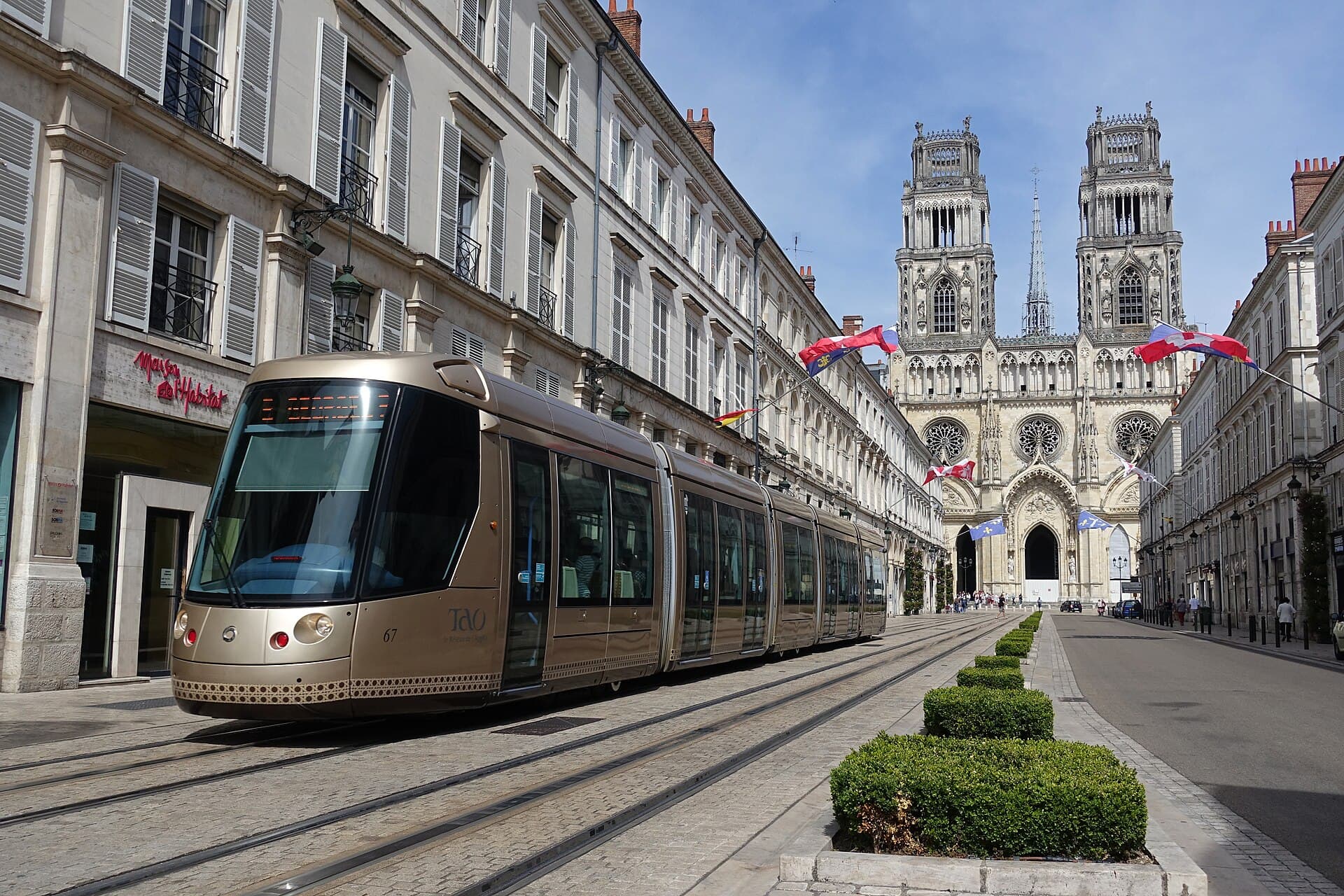 Bmazerolles / CC BY-SA 4.0, via Wikimedia Commons
Самостоятельная аудиопрогулка по Орлеан — GPS-маршрут, офлайн-воспроизведение, увлекательное повествование на 32 языках.
“Где история отзывается шагами легендарной героини и нежным течением Луары.”
Не открытки. Истории, которые не знают даже местные жители — шепотом в вашем ухе, прямо там, где они произошли.
Под оживленной Площадью Мартой скрывается средневековая тайна, свидетельство многослойного прошлого Орлеана.
Орлеан обладает современной арт-сценой, но одна конкретная улица предлагает неожиданный холст для творчества.
Разрушительный пожар в 989 году почти стер Орлеан с лица земли, и, согласно местной легенде, его причиной стал необычный виновник.
Откройте для себя каждый секрет Орлеан
Каждый адрес, каждое полное раскрытие — в вашем ухе, прямо там, где это произошло.
Вы выбираете остановки. Вы гуляете. Голос раскрывает то, что упускают другие.

В Lume встроен гид дополненной реальности. Поднимите телефон: камера показывает улицу перед вами, а поверх реального изображения светится стрелка, всегда указывающая на вашу следующую остановку — не нужно разбираться с картой и сворачивать не туда. Как и всё в Lume, это работает полностью офлайн.
Орлеан, город на Луаре, несет в себе груз веков в своих камнях и водных путях. Это место, где прошлое не просто вспоминается, а ощущается, особенно благодаря неукротимому духу Жанны д'Арк. Ее присутствие, вплетенное в ткань города, приглашает к размышлениям о мужестве и поворотных моментах.
Архитектура города говорит о его эволюции: от средневековых укреплений до элегантности эпохи Возрождения и далее. Река, постоянный спутник, сформировала его торговлю, его оборону и его характер. Прогулка по Орлеану — это прослеживание пути сквозь время, где каждая площадь и переулок хранит фрагмент более масштабного повествования.
## Средневековые основы и римские отголоски Орлеан начинался как Кенаб, поселение карнутов, галльского племени. Его стратегическое положение на реке Луаре сделало его важным торговым центром. Римляне под предводительством Юлия Цезаря завоевали его и переименовали в Аурелианум, установив там мощное присутствие. Признаки римского городского планирования все еще можно различить в планировке города, особенно вблизи берегов реки.
## Эпоха Жанны д'Арк XV век оказался поворотным в истории Орлеана. Во время Столетней войны город выдержал длительную осаду англичан. В 1429 году прибыла молодая крестьянская девушка Жанна д'Арк, заявившая о божественном руководстве. Ее лидерство вдохновило французские войска, что привело к снятию осады. Это событие стало поворотным моментом в войне и закрепило место Жанны д'Арк в истории как национальной героини. Орлеан ежегодно отмечает ее триумф грандиозными празднованиями, сохраняя ее память живой.
## Возрождение и королевские связи После Столетней войны Орлеан пережил период восстановления и процветания. Город стал центром торговли и обучения, привлекая ученых и художников. Короли Франции из династии Валуа часто посещали его, оставляя свой архитектурный след. Многие элегантные отели particuliers (частные особняки), которые выстилают старые улицы, датируются этим периодом, демонстрируя богатство и утонченный вкус города.
## Современные трансформации XIX и XX века принесли Орлеану значительные изменения, включая индустриализацию и последствия двух мировых войн. Хотя части города пострадали, особенно во время Второй мировой войны, тщательные усилия по реконструкции сохранили его исторический облик. Сегодня Орлеан сочетает свое историческое наследие с дальновидным подходом, принимая современное развитие и одновременно оберегая свое наследие. Город продолжает оставаться важным административным и экономическим центром в долине Луары.
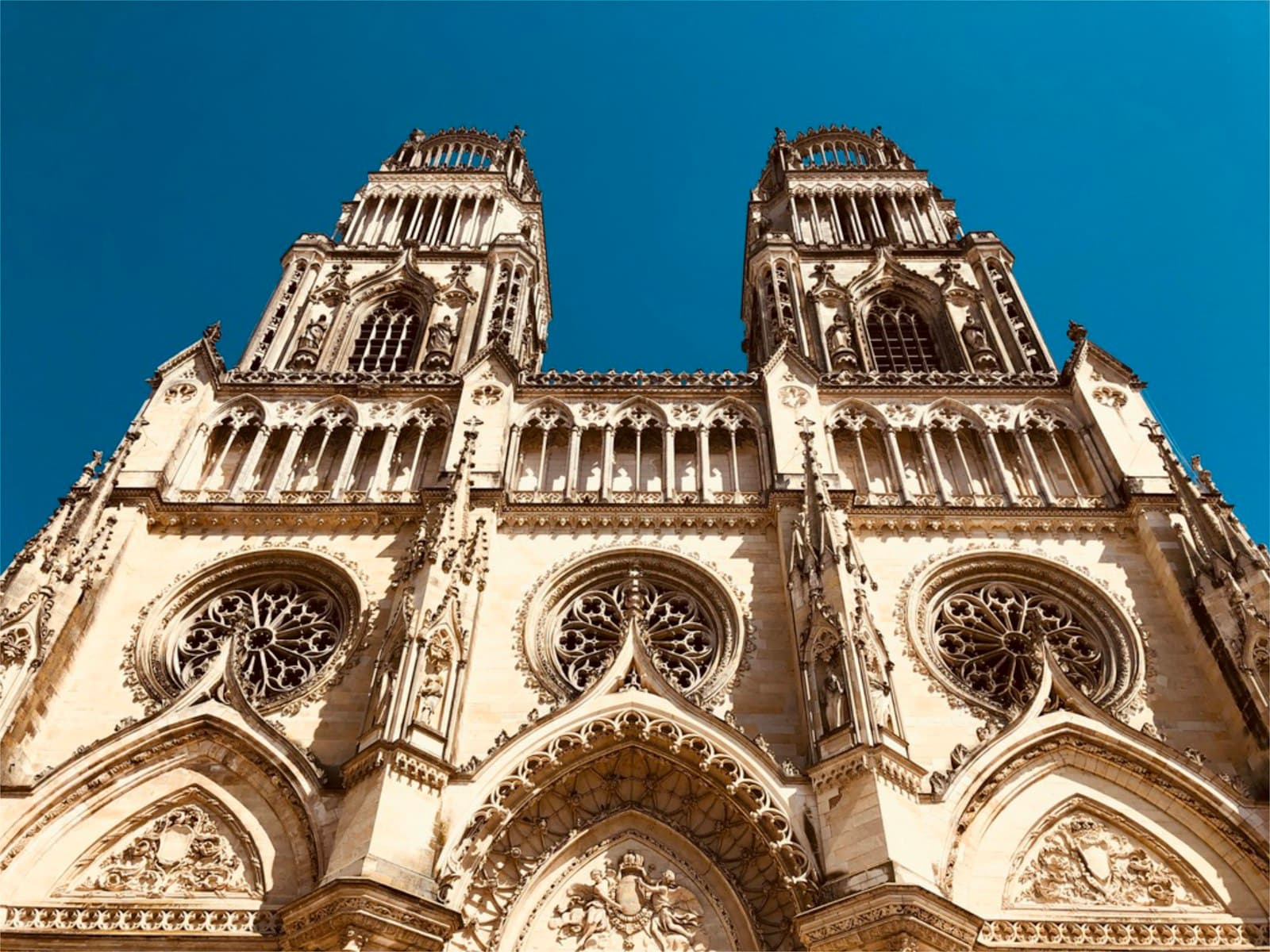
Начните с Площади Мартой (Place du Martroi), центральной площади города, где возвышается конная статуя Жанны д'Арк. Отсюда прогуляйтесь к Собору Святой Креста (Cathédrale Sainte-Croix), внушительному готическому сооружению с многовековой историей. Его замысловатые витражи изображают сцены из жизни Жанны д'Арк.
Исследуйте Отель Гросло (Hôtel Groslot), великолепный особняк эпохи Возрождения, который когда-то служил ратушей. Его богато украшенные интерьеры и сады дают представление о процветающем прошлом Орлеана. Прогуляйтесь по Дому Жанны д'Арк (Maison de Jeanne d'Arc), реконструированному средневековому дому, который дает представление о времени пребывания героини в городе.
Пройдитесь по берегам реки Луары, где вы можете полюбоваться историческими мостами и насладиться видами на воду. Посетите Музей изящных искусств (Musée des Beaux-Arts), где хранится коллекция европейской живописи, скульптуры и декоративного искусства. Для момента тихого размышления исследуйте Цветочный парк Источника (Parc Floral de la Source), ботанический сад недалеко от центра города, предлагающий разнообразные коллекции растений и дом бабочек.
Весна и ранняя осень предлагают самую приятную погоду для изучения Орлеана. С апреля по июнь город оживает цветущими цветами и комфортной температурой, идеально подходящей для прогулок и активного отдыха. Сентябрь и октябрь приносят свежий воздух и меньше толп, а виноградники долины Луары демонстрируют свои осенние краски. Лето теплое и может быть многолюдным, а зимы прохладнее и тише.
Орлеан хорошо связан поездами, с регулярными рейсами из Парижа (путешествие около часа). Центр города компактен и легко проходим пешком, но трамвайная система обеспечивает удобный доступ к окраинам. Рассмотрите возможность покупки Orléans City Pass для скидок на достопримечательности и общественный транспорт. Многие рестораны предлагают традиционную кухню долины Луары со свежими продуктами и речной рыбой. Чаевые являются обычным делом, но не обязательны; несколько евро за хорошее обслуживание будут оценены. Большинство магазинов и ресторанов принимают основные кредитные карты, но всегда разумно иметь при себе немного наличных для мелких покупок.
Орлеан: корейский, китайский, иврит и ещё 29 языков — каждую остановку озвучивает носитель языка. Самый широкий выбор языков среди аудиоэкскурсий без гида.
Доступные языки: