Museo Socavón
Nelle profondità delle strade di Oruro, una figura conosciuta come 'El Tío' tiene corte nelle vecchie gallerie minerarie.
La storia completa si sblocca nel tour
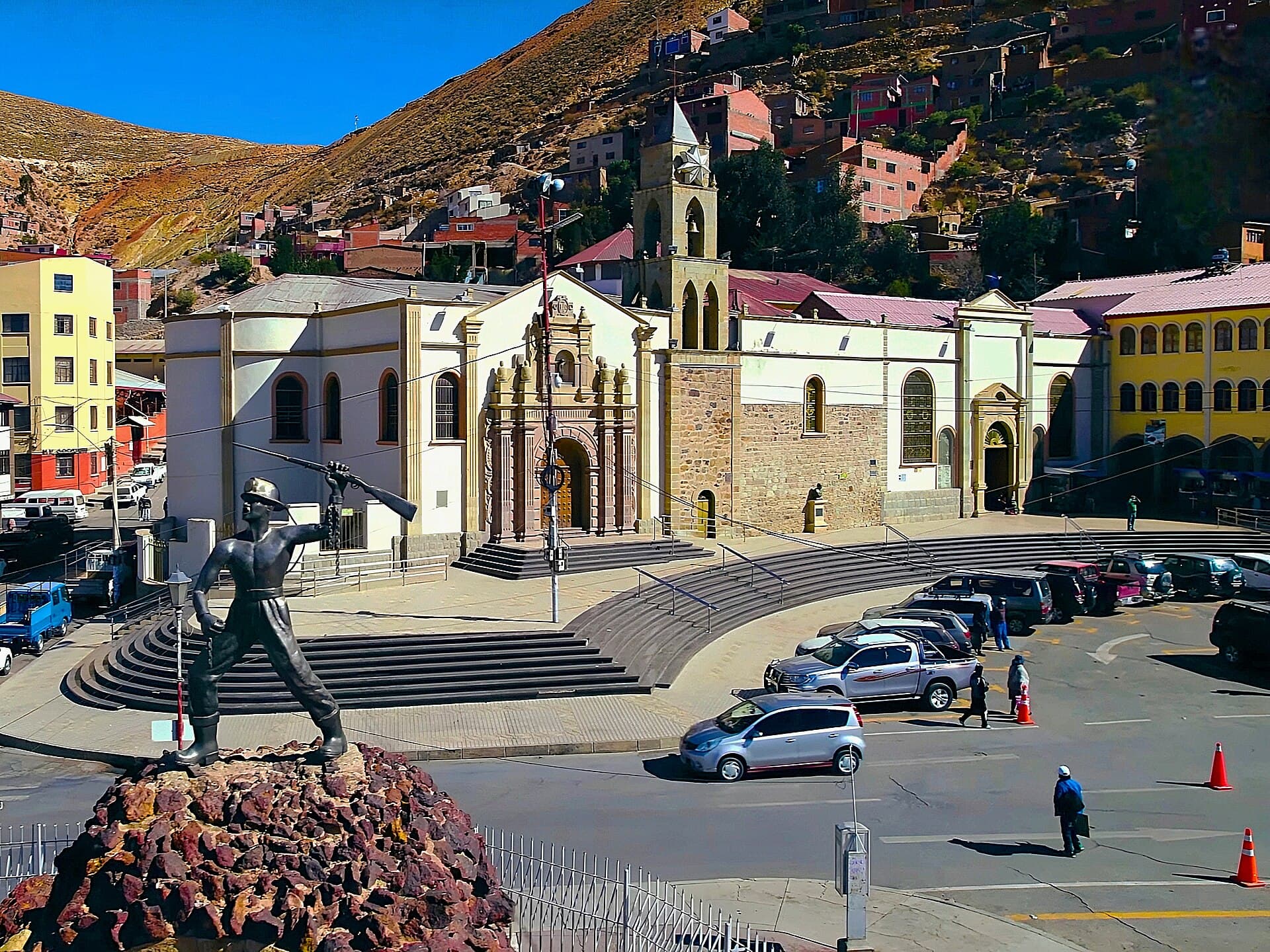 Parallelepiped09 / CC BY-SA 4.0, via Wikimedia Commons
Tour audio autoguidato di Oruro — percorso GPS a piedi, riproduzione offline, narrazione coinvolgente in 32 lingue.
“Dove antichi rituali danzano con la storia mineraria sull'alto Altiplano.”
Non le cartoline. Le storie che nemmeno i locali conoscono — sussurrate nel tuo orecchio, proprio dove sono accadute.
Nelle profondità delle strade di Oruro, una figura conosciuta come 'El Tío' tiene corte nelle vecchie gallerie minerarie.
Durante il famoso Carnevale di Oruro, l'elaborata danza 'Diablada' racconta una storia ben più antica del suo strato cristiano.
Tra le bancarelle animate del Mercado Campero, potresti incontrare un venditore che vende pesce liofilizzato.
Scopri ogni segreto di Oruro
Ogni indirizzo, ogni rivelazione completa — nel tuo orecchio, proprio dove è accaduta.
Scegli le tue tappe. Cammini. La voce rivela ciò che gli altri perdono.


Il tuo tour audio autoguidato di Oruro è pronto — scegli i tuoi punti di interesse, seleziona la tua lingua e inizia nel momento in cui arrivi.
AcquistaLume include una guida in realtà aumentata. Alza il telefono: la fotocamera mostra la strada davanti a te, con una freccia luminosa sovrapposta all'immagine reale che punta sempre verso la tua prossima tappa — nessuna mappa da decifrare, nessuna svolta sbagliata. Come tutto in Lume, funziona completamente offline.
Oruro, una città sull'alto Altiplano boliviano a circa 3.700 metri (12.139 piedi), offre un'immersione schietta nella cultura andina. Riconosciuta come la capitale del folklore della Bolivia, presenta una miscela avvincente di tradizioni indigene e un profondo patrimonio minerario. Sebbene il suo Carnevale di fama mondiale catturi spesso i riflettori, i paesaggi aspri e bellissimi di Oruro e la sincerità della sua gente offrono un'esperienza di viaggio distintiva durante tutto l'anno.
Il carattere della città è profondamente radicato nel suo passato industriale, essendo stato un importante centro per l'estrazione di argento e stagno che un tempo alimentava l'economia del continente. Oltre alle vivaci festività, Oruro rivela una narrazione di ricchezza mineraria, resistenza culturale e un unico ritmo di vita ad alta quota. I visitatori possono esplorare i suoi siti storici, i mercati attivi e le meraviglie naturali circostanti, inclusi parchi nazionali con vulcani innevati e sorgenti termali.
## Dai Rituali Precolombiani alle Miniere Coloniali La storia di Oruro è una testimonianza della presenza duratura delle culture indigene e del profondo impatto dello sfruttamento coloniale. Molto prima dell'arrivo degli spagnoli, la regione era abitata da vari popoli, in particolare gli Uru, che vi mantenevano importanti siti cerimoniali. I conquistadores spagnoli, attratti dalla promessa di ricchezza mineraria, fondarono ufficialmente la città il 1° novembre 1606, chiamandola Real Villa de San Felipe de Austria in onore del re Filippo III. Questa trasformazione da un accampamento minerario spontaneo a un centro amministrativo pose le basi per il suo impianto urbano a griglia.
Durante il periodo coloniale, Oruro fiorì come un importante centro di estrazione dell'argento. Le popolazioni indigene Aymara e Quechua furono costrette a lavorare in queste miniere, e i sacerdoti spagnoli introdussero il cristianesimo, incoraggiando spesso l'esecuzione di danze e canti tradizionali per le feste cattoliche. Questo sincretismo è evidente nella celebrazione più famosa della città, il Carnevale, che si è evoluto da antichi festival indigeni come "Ito" dedicati alle divinità locali, per poi fondersi con i rituali cristiani attorno alla Vergine di Socavón. La città ha vissuto cicli di prosperità e declino, con un calo nel XIX secolo al diminuire della produzione di argento, per poi riguadagnare importanza con lo sviluppo dell'estrazione dello stagno nel XX secolo.
Oruro giocò anche un ruolo fondamentale nel movimento di indipendenza della Bolivia. Il 10 febbraio 1781, fu teatro di una significativa ribellione contro la Corona spagnola, guidata da figure come Sebastián Pagador. Dopo che la Bolivia ottenne l'indipendenza nel 1825, la città di Oruro fu istituita come capoluogo dipartimentale il 5 settembre 1826. Nel XX secolo, la città continuò la sua eredità mineraria, con la miniera di stagno La Salvadora che fu leader mondiale per un periodo. Oggi, Oruro rimane un vitale centro culturale e di trasporto, con la sua storia incisa nei suoi monumenti e nelle sue tradizioni.
Oruro offre un avvincente mix di monumenti culturali e splendore naturale. Il Santuario della Vergine di Socavón è un sito spirituale centrale, particolarmente significativo durante il Carnevale, e il suo imponente monumento offre ampie viste sulla città. Per uno sguardo al passato minerario di Oruro, il Museo Socavón, situato sottoterra in un'ex miniera, espone attrezzature d'epoca e la figura venerata di 'El Tío'. Il Faro di Conchupata è un monumento di orgoglio nazionale, che segna il luogo in cui fu issata per la prima volta la bandiera boliviana.
Oltre la città, il Parco Nazionale Sajama si distingue per i suoi vulcani innevati, le sorgenti termali geotermiche e gli antichi boschi di queñua, dimora di vigogne e condor. Il Salar de Coipasa, sebbene meno conosciuto di Uyuni, offre un'esperienza di vasto salar. Per un assaggio della vita locale, esplora il Mercado Campero o il Mercado Fermín López, labirinti attivi di prodotti freschi, formaggi locali e articoli per la casa. Il mercoledì e il sabato, la Super Feria vicino ai binari del treno si trasforma in un ampio bazar all'aperto.
Il momento più effervescente per visitare Oruro è durante il Carnevale di Oruro, che si tiene tipicamente a febbraio o all'inizio di marzo, un festival riconosciuto dall'UNESCO di sfarzose parate e danze tradizionali. Per un clima più fresco e secco, ideale per attività all'aperto e visite turistiche, la stagione secca da maggio a ottobre è preferibile, con cieli limpidi e meno piogge. Preparatevi al freddo notturno durante questo periodo, specialmente da maggio a inizio luglio, quando le temperature possono scendere sotto lo zero. La stagione delle piogge, da novembre a marzo, porta precipitazioni frequenti e maggiore umidità.
Oruro si trova ad un'altitudine di circa 3.700 metri, quindi il mal di montagna (soroche) è un rischio reale. Prenditi con calma il primo giorno, rimani idratato e considera il tè di coca. Il clima è generalmente freddo, soprattutto dopo il tramonto, quindi porta strati termici, una giacca calda antivento, un cappello e occhiali da sole per l'intenso sole ad alta quota.
Il contante (Boliviano Boliviano, BOB) è essenziale, soprattutto nei mercati e nelle piccole trattorie, anche se alcuni hotel e ristoranti di lusso accettano carte. Gli sportelli bancomat sono disponibili, soprattutto vicino a Plaza 10 de Febrero. Evita di bere acqua del rubinetto; opta sempre per acqua in bottiglia. Per i trasporti, i "Radio Taxis" sono raccomandati per la sicurezza, specialmente di notte. Se visiti durante il Carnevale, prenota l'alloggio diversi mesi in anticipo, poiché i prezzi possono quadruplicare. Oruro è generalmente sicura per i turisti, ma usa cautela nelle aree affollate ed evita di camminare da solo di notte.
Oruro — coreano, cinese, ebraico e altre 29 lingue, ogni tappa narrata da una voce madrelingua. La più ampia scelta di lingue tra i tour audio autoguidati.
Disponibile in: