Археологический памятник Пилауко
До прибытия испанских или немецких поселенцев в Осорно жил более древний обитатель, оставивший уникальный след на земле.
Полная история открывается в туре
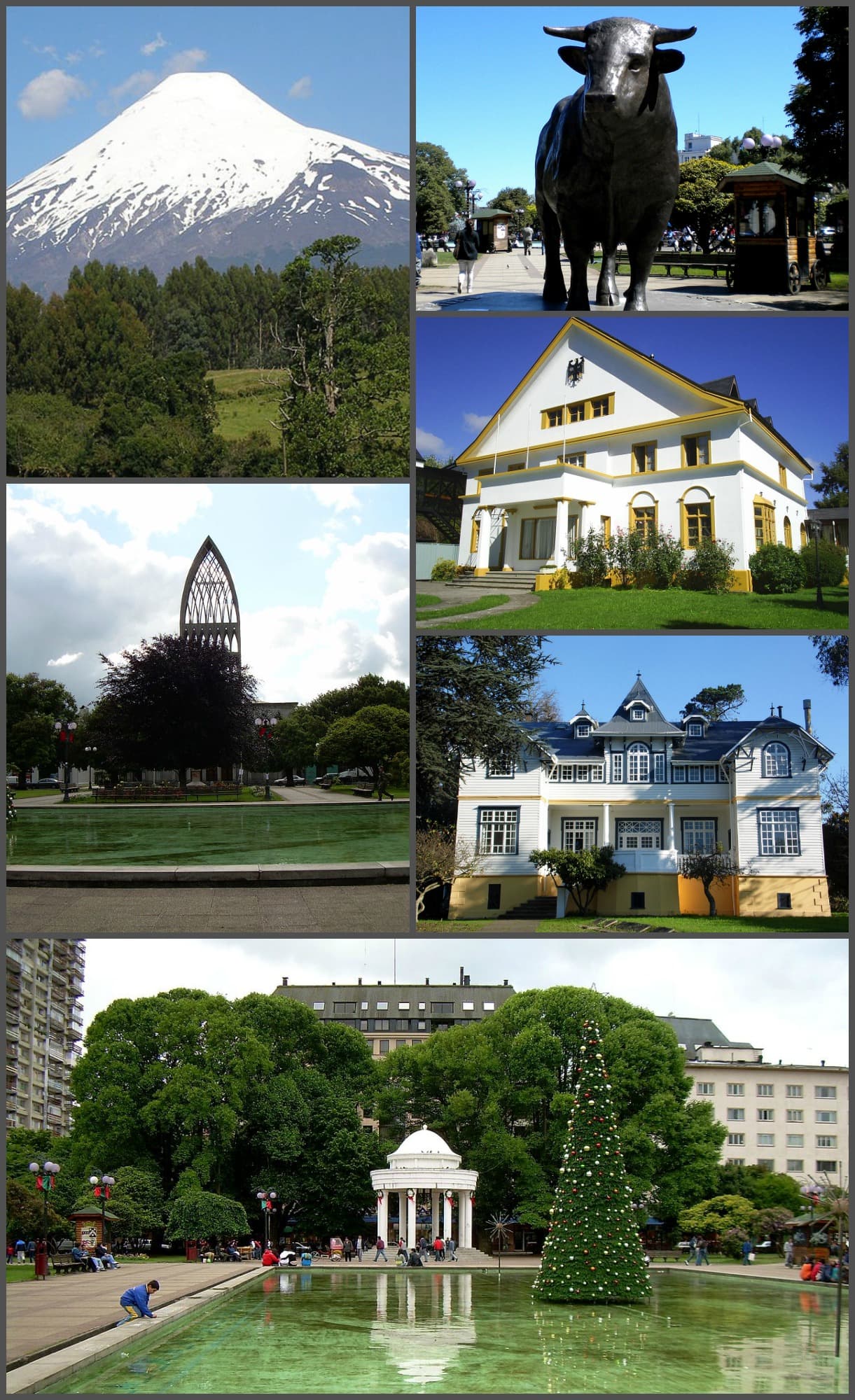 Montaje realizado por Açipni-Lovrij. / CC BY-SA 4.0, via Wikimedia Commons
Самостоятельная аудиопрогулка по Осорно — GPS-маршрут, офлайн-воспроизведение, увлекательное повествование на 32 языках.
“Где немецкое наследие встречается с чилийской природой, разворачивается южная история.”
Не открытки. Истории, которые не знают даже местные жители — шепотом в вашем ухе, прямо там, где они произошли.
До прибытия испанских или немецких поселенцев в Осорно жил более древний обитатель, оставивший уникальный след на земле.
Несмотря на историю, уходящую корнями в скотоводство, Осорно культивирует неожиданный новый урожай для оживления своей экономики.
Главный собор города выделяется дизайном, который некоторые считают весьма необычным для места поклонения.
Откройте для себя каждый секрет Осорно
Каждый адрес, каждое полное раскрытие — в вашем ухе, прямо там, где это произошло.
Вы выбираете остановки. Вы гуляете. Голос раскрывает то, что упускают другие.


Ваш самостоятельный аудиотур по Осорно готов — выберите свои достопримечательности, выберите свой язык и начните в момент прибытия.
КупитьВ Lume встроен гид дополненной реальности. Поднимите телефон: камера показывает улицу перед вами, а поверх реального изображения светится стрелка, всегда указывающая на вашу следующую остановку — не нужно разбираться с картой и сворачивать не туда. Как и всё в Lume, это работает полностью офлайн.
Осорно, столица провинции Осорно в чилийском регионе Лос-Лагос, находится в месте слияния рек Рауэ и Дамас. Этот южно-чилийский город с населением около 147 000 человек является значительным коммерческим и сельскохозяйственным центром, известным своим молочным животноводством и исключительным мясом. Его культурный ландшафт представляет собой уникальное сочетание наследия коренных народов Уиличе, испанского колониального влияния и сильного немецкого наследия, что проявляется в архитектуре и гастрономии.
Осорно, часто считающийся воротами в Патагонию, стратегически расположен и открывает доступ к множеству природных достопримечательностей. Он находится примерно в 945 километрах к югу от Сантьяго и хорошо связан с другими регионами, такими как Пуэрто-Монт и Вальдивия, через чилийскую Руту 5. Город предлагает баланс городских удобств и близость к вулканам, чистым озерам и национальным паркам, что делает его привлекательным местом для тех, кто ищет как культурные исследования, так и приключения на свежем воздухе.
## Город, рожденный дважды История Осорно отмечена двумя различными основаниями. Город был впервые основан 27 марта 1558 года испанским губернатором Гарсией Уртадо де Мендосой, который назвал его Вилья-де-Сан-Матео-де-Осорно в честь своего деда. Однако это раннее испанское поселение столкнулось со значительными трудностями. В декабре 1575 года произошло сильное землетрясение, а в следующем году враждебность между испанцами и коренным народом Мапуче, которая началась севернее, достигла Осорно. В конечном итоге город был разрушен в октябре 1602 года народом Уиличе, подгруппой Мапуче, и оставался в руинах почти два столетия.
## Немецкое влияние Второе рождение Осорно началось 22 ноября 1792 года, когда Томас де Фигероа вступил во владение руинами. По указанию Амбросио О'Хиггинса город был восстановлен Хуаном Маккенной и официально заселен в 1796 году, а О'Хиггинс получил титул маркиза Осорно от испанской короны. Поворотным моментом в развитии Осорно стало прибытие немецких поселенцев около 1850 года. Чилийское правительство активно приглашало этих иммигрантов для содействия росту региона, и немцы находили климат и географию Осорно схожими с их родиной. Этот приток преобразил архитектурный облик города, привнеся технологии деревянного строительства и адаптировав европейские стили, такие как неоклассицизм и югендстиль, к местным материалам. Это породило уникальную «немецкую колониальную архитектуру», характеризующуюся использованием местного дерева, высокими потолками, замысловатой резьбой по дереву и крутыми скатными крышами.
## Современное развитие и вызовы Немецкая колонизация также значительно укрепила региональную экономику, сделав Осорно домом для Национального скотоводческого хозяйства Чили и принеся ему неофициальный титул «мясной столицы» страны. Завершение строительства железнодорожной линии в 1895 году еще больше связало Осорно с центральной частью Чили, обеспечив мощный экономический подъем. Однако город столкнулся с еще одним серьезным ударом — Великим чилийским землетрясением 1960 года, которое вызвало обширные разрушения и потребовало масштабной реконструкции. Сегодня культурная среда Осорно отражает это богатое разнообразие коренных традиций, испанского наследия и отчетливой немецкой упорядоченности, видимое в его исторических деревянных зданиях и местной гастрономии.
Начните свое исследование с Пласа-де-Армас, центральной площади, где вы найдете Кафедральный собор Сан-Матео, современное сооружение с отличительным нео-готическим дизайном. Неподалеку Музей и муниципальный исторический архив Осорно предлагают более глубокое погружение в древнее коренное и колониальное прошлое города, с бесплатным входом в будние дни.
Чтобы заглянуть в доисторические времена, посетите Парк Плейстоцена в парке Чуйяка. Этот музей под открытым небом демонстрирует скульптуры плейстоценовой фауны в натуральную величину, включая гомфотерия и милодона, а также небольшой музей, рассказывающий о древней флоре и фауне региона. Парк Чуйяка также служит зоной отдыха с скейт-парками и местами для пикника. Еще одно зеленое пространство — Парк Четвертого столетия, предлагающий живописные прогулочные дорожки.
За пределами города Осорно служит проходом к природным чудесам региона Лос-Лагос. Национальный парк Пуйеуэ, примерно в часе езды, предлагает леса, озера и горячие источники, такие как Агуас-Кальентес, с тропами для пеших прогулок и возможностями для наблюдения за птицами. Знаменитый вулкан Осорно, хотя и не находится в самом Осорно, но виден из таких мест, как Пуэрто-Варас, является выдающимся стратовулканом, предлагающим катание на лыжах зимой и треккинг летом. Близлежащие озера, такие как Пуйеуэ и Рупанко, идеально подходят для спортивной рыбалки и каякинга.
Лучшее время для посещения Осорно для занятий в теплую погоду — с конца декабря по начало марта, когда в Чили лето. В эти месяцы средняя дневная температура комфортна, часто составляет от 21 до 23°C, причем январь является самым теплым месяцем. Этот период также самый сухой, с меньшим количеством дождливых дней, что делает его идеальным для исследований на свежем воздухе. Если вы планируете посетить зимой (с июня по август) для катания на лыжах на курортах, таких как Антилланка, будьте готовы к более низким температурам и частым дождям или снегу в горах.
До Осорно можно добраться по воздуху через аэропорт Каньяль-Бахо Карлос Хотт Сиберт (ZOS), который имеет прямые рейсы из Сантьяго. Аэропорт находится всего в нескольких километрах от центра города, с доступными шаттлами, такси и пунктами проката автомобилей. Для наземного транспорта Осорно хорошо связан автобусным сообщением по чилийской Руте 5 (Панамериканское шоссе) из таких городов, как Сантьяго, Пуэрто-Монт и Вальдивия. Путешествие из Сантьяго на автобусе занимает примерно 10-12 часов. Хотя вождение предлагает гибкость, некоторые сельские дороги к природным достопримечательностям могут быть гравийными.
В черте города распространены и доступны по цене «коллективос» (общие такси с фиксированными маршрутами) и местные автобусы (микро). Для поездок к вулканам или озерам рекомендуется арендовать автомобиль из-за менее частого общественного транспорта. Местная валюта — чилийское песо (CLP). Хотя в целом считается безопасным, будьте осторожны с личными вещами, особенно ночью, и избегайте оставлять ценности без присмотра. Землетрясения случаются часто, поэтому рекомендуется ознакомиться с основными процедурами безопасности.
Осорно: корейский, китайский, иврит и ещё 29 языков — каждую остановку озвучивает носитель языка. Самый широкий выбор языков среди аудиоэкскурсий без гида.
Доступные языки: