La Domus di Diana
Immagina di risiedere in un condominio romano, uno spazio ben diverso dai tuguri angusti e rumorosi talvolta raffigurati.
La storia completa si sblocca nel tour
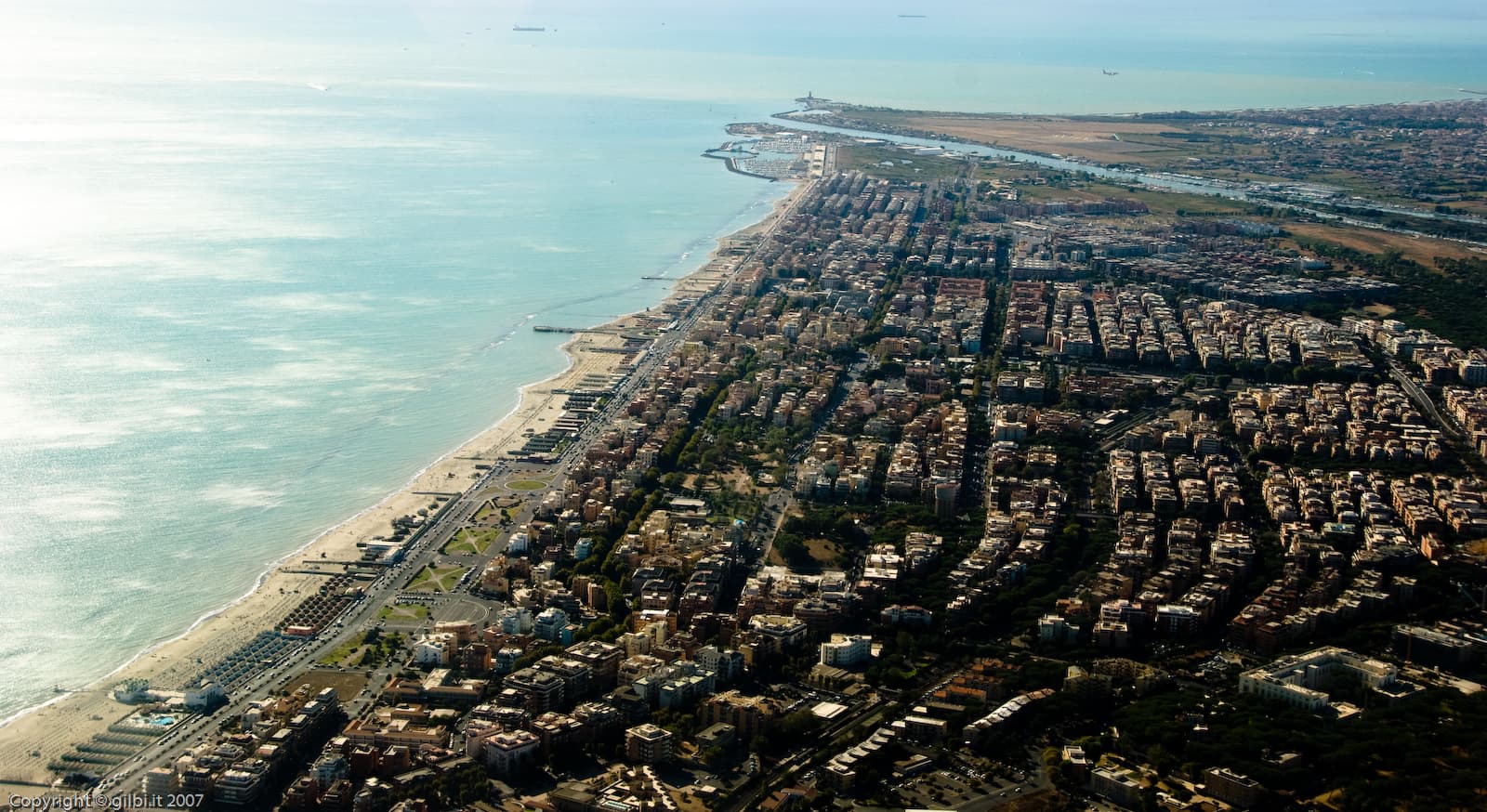 Gilberto Gaudio from Rome, Italy / CC BY 2.0, via Wikimedia Commons
Tour audio autoguidato di Ostia — percorso GPS a piedi, riproduzione offline, narrazione coinvolgente in 32 lingue.
“Percorri le silenziose strade dell'antico porto di Roma, dove gli echi dell'impero risuonano ancora.”
Non le cartoline. Le storie che nemmeno i locali conoscono — sussurrate nel tuo orecchio, proprio dove sono accadute.
Immagina di risiedere in un condominio romano, uno spazio ben diverso dai tuguri angusti e rumorosi talvolta raffigurati.
Prima del fast food moderno, gli antichi romani si godevano la loro versione di pasti veloci e pronti da mangiare.
I bagni comuni nell'antica Roma andavano oltre la semplice necessità.
Scopri ogni segreto di Ostia
Ogni indirizzo, ogni rivelazione completa — nel tuo orecchio, proprio dove è accaduta.
Scegli le tue tappe. Cammini. La voce rivela ciò che gli altri perdono.


Il tuo tour audio autoguidato di Ostia è pronto — scegli i tuoi punti di interesse, seleziona la tua lingua e inizia nel momento in cui arrivi.
AcquistaLume include una guida in realtà aumentata. Alza il telefono: la fotocamera mostra la strada davanti a te, con una freccia luminosa sovrapposta all'immagine reale che punta sempre verso la tua prossima tappa — nessuna mappa da decifrare, nessuna svolta sbagliata. Come tutto in Lume, funziona completamente offline.
A soli 30 minuti da Roma in treno, Ostia Antica offre una finestra straordinariamente conservata sulla vita quotidiana di un'antica città portuale romana. A differenza di Pompei, sepolta all'improvviso dalla cenere vulcanica, Ostia Antica declinò lentamente nel corso dei secoli, lasciando i suoi edifici, strade e spazi pubblici sorprendentemente intatti. Questo vasto parco archeologico, un tempo un vivace centro commerciale con una popolazione che raggiunse i 100.000 abitanti, fungeva da vitale porta di Roma verso il Mediterraneo, facilitando l'importazione e l'esportazione di merci e culture da tutto l'impero.
Passeggiando oggi per Ostia Antica, puoi ripercorrere le orme degli antichi romani sulle sue strade acciottolate, esplorare edifici residenziali a più piani, visitare taverne e immaginare la vivace attività che un tempo animava le sue piazze. Il sito offre un'esperienza più intima e immersiva rispetto ad alcune rovine centrali di Roma, permettendo ai visitatori di entrare direttamente nelle case e nei mercati. È un luogo dove la grandezza dell'urbanistica romana incontra le realtà tangibili della vita quotidiana, rendendola una visita essenziale per chiunque sia curioso del mondo antico.
Le origini di Ostia risalgono al 620 a.C. circa, fondata alla foce (latino: ostium) del fiume Tevere. Il suo fascino iniziale era l'abbondante sale dalle vicine saline, un conservante cruciale per la carne. Intorno al 400 a.C., Roma ne affermò il controllo, trasformando Ostia in una base navale con un forte. Nel 267 a.C., durante la Prima Guerra Punica, servì come sede del questore Ostiensis, che supervisionava la flotta romana. Tuttavia, con la crescente necessità di approvvigionamenti di Roma, il ruolo di Ostia cambiò, diventando un importante porto commerciale, in particolare per le importazioni di grano.
Intorno al 150 d.C., con il dominio di Roma sul Mediterraneo, Ostia era un fiorente centro commerciale. Imperatori come Giulio Cesare e Tiberio contribuirono al suo sviluppo, portando a un'area urbana in espansione. La città crebbe con imponenti templi, come il Campidoglio dedicato a Giove, Giunone e Minerva, e un Teatro Romano ben conservato che poteva ospitare fino a 4.000 spettatori. La popolazione cosmopolita di Ostia si rifletteva nei suoi diversi siti religiosi, tra cui una sinagoga ebraica (la più antica d'Europa, risalente al I secolo d.C.), una Basilica cristiana e 18 templi dedicati al dio persiano Mitra. L'architettura della città mostrava una sofisticata pianificazione urbana, con edifici residenziali a più piani (insulae) per la popolazione generale e domus più elaborate per i ricchi.
La prosperità di Ostia iniziò a diminuire nel IV secolo d.C. L'insabbiamento del fiume Tevere la rese meno navigabile per le grandi navi, ostacolando le sue attività marittime. Contemporaneamente, l'instabilità politica ed economica all'interno dell'Impero Romano interruppe le rotte commerciali. Le epidemie di malaria contribuirono ulteriormente al declino della città, portando molti abitanti alla fuga. Alla fine, Ostia fu abbandonata e, nel corso dei secoli, fu coperta da fango e dune di sabbia. Questa sepoltura naturale, tuttavia, si rivelò la sua salvezza, proteggendo le rovine dalle devastazioni del tempo e dal saccheggio di pietre, preservandola in uno stato paragonabile a Pompei ed Ercolano.
Ostia Antica è un sito vasto, da esplorare al meglio con almeno tre o quattro ore. Inizia il tuo viaggio sul Decumanus Maximus, la via principale un tempo brulicante di attività, fiancheggiata dai resti di negozi e case. Il Teatro di Ostia, originariamente costruito durante il regno di Augusto e successivamente ampliato, è un punto culminante, ancora oggi utilizzato per spettacoli estivi.
Adiacente al teatro si trova la Piazza delle Corporazioni, dove le pubblicità a mosaico sul marciapiede indicano gli uffici di vari armatori e commercianti provenienti da tutto il mondo romano. Esplora le Terme di Nettuno, rinomate per i loro impressionanti mosaici in bianco e nero raffiguranti il dio del mare. Prenditi del tempo per vedere il Termopolio, un antico fast food romano con il suo bancone originale e il menu dipinto.
Per uno sguardo alla vita residenziale romana, visita la Domus di Diana, un complesso di appartamenti a più piani (insulae), e le più lussuose domus con i loro intricati affreschi e mosaici. Il Capitolium, un grande tempio dedicato a Giove, Giunone e Minerva, testimonia la vita civica e religiosa della città. Infine, le latrine pubbliche offrono uno spaccato affascinante sull'igiene e le abitudini comunitarie romane.
Ostia Antica è aperta dal martedì alla domenica, con orari prolungati in primavera e estate. Per evitare la folla, considera una visita subito dopo l'apertura il martedì, mercoledì o giovedì. Il sito è prevalentemente all'aperto, quindi scarpe comode, acqua e protezione solare sono consigliate, soprattutto durante i mesi più caldi. Mentre l'inverno offre un'esperienza più tranquilla, le temperature possono essere fredde e ventose.
Ostia Antica è facilmente raggiungibile da Roma con i mezzi pubblici. Prendi la Metro Linea B fino a Piramide o Basilica San Paolo, poi trasferisciti sul treno pendolare Roma Lido, scendendo alla stazione Ostia Antica. Il parco archeologico si trova a soli 10 minuti a piedi dalla stazione. Il biglietto del treno costa quanto una normale corsa in metropolitana.
Prevedi almeno 2-3 ore per la visita; gli appassionati di storia potrebbero volere un'intera giornata. Il terreno può essere irregolare, quindi indossa scarpe robuste. C'è una caffetteria all'interno dell'area archeologica per rinfrescarsi. I picnic sono vietati all'interno dell'area archeologica stessa. Per una comprensione più approfondita, considera un'audioguida o un tour guidato, poiché la segnaletica in loco può essere limitata.
Ostia — coreano, cinese, ebraico e altre 29 lingue, ogni tappa narrata da una voce madrelingua. La più ampia scelta di lingue tra i tour audio autoguidati.
Disponibile in: