Colegiata de Santa María de la Asunción
Observeer de 'Puerta del Sol' op de Collegiale Kerk, en u kunt een subtiel detail uit vervlogen eeuwen ontdekken.
Volledig verhaal ontgrendeld in de tour
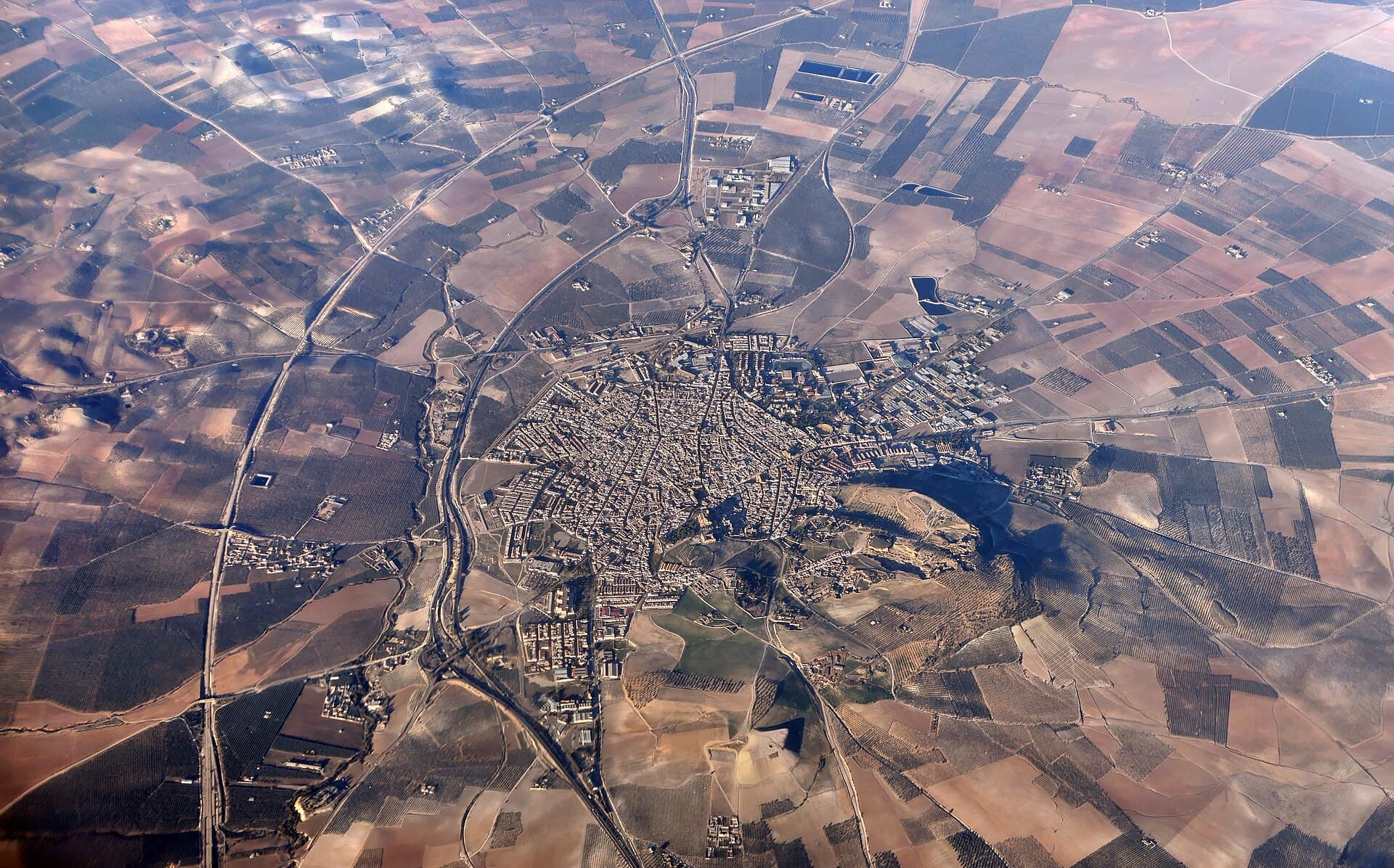 Adam Cli / CC BY-SA 4.0, via Wikimedia Commons
Zelfgeleide audiowandeling door Osuna — GPS-route, offline afspelen, meeslepende vertelling in 32 talen.
“Barokke grandeur en oude echo's in het hart van Andalusië.”
Niet de ansichtkaarten. De verhalen die zelfs locals niet kennen — gefluisterd in je oor, precies waar ze gebeurden.
Observeer de 'Puerta del Sol' op de Collegiale Kerk, en u kunt een subtiel detail uit vervlogen eeuwen ontdekken.
De eerbiedwaardige Universiteit van Osuna herbergt meer dan alleen academische archieven binnen haar muren.
Dit grandioze barokke paleis, nu een hotel, deelt een onverwachte connectie met een moderne fantasy-epos.
Ontdek elk geheim van Osuna
Elk adres, elke onthulling volledig — in je oor, precies waar het gebeurde.
Jij kiest je stops. Jij wandelt. De stem onthult wat de anderen missen.

Je zelfgeleide audiotour van Osuna is klaar — kies je bezienswaardigheden, kies je taal en start zodra je aankomt.
KopenLume heeft een ingebouwde augmented-reality-gids. Houd je telefoon omhoog: de camera toont de straat voor je, met een oplichtende pijl over het echte beeld die altijd naar je volgende stop wijst — geen kaart om uit te puzzelen, geen verkeerde afslagen. Zoals alles in Lume werkt het volledig offline.
Osuna, een hertogelijke stad in het hart van Andalusië, nodigt uit tot een reis door de tijd, met zijn monumentale architectuur en authentieke sfeer. De stad, die in 1967 werd uitgeroepen tot Historisch-Artistiek Monument, rust op een heuvel en biedt een weids uitzicht op de omliggende olijfgaarden en graanvelden van het Sevilliaanse platteland. Op slechts een uur rijden van Sevilla beloont Osuna degenen die op zoek zijn naar een rustiger tempo van verkenning, en onthult het lagen van geschiedenis, van zijn Iberische oorsprong tot zijn barokke pracht.
Van zijn oude Romeinse verleden als Urso tot zijn prominentie in de Gouden Eeuw onder de Hertogen van Osuna, de straten van de stad vormen een levend museum. U zult renaissancepaleizen, grootse barokke façades en de blijvende erfenis van adellijke families tegenkomen die zijn kenmerkende karakter hebben gevormd. Naast zijn architectonische schatten biedt Osuna een voorproefje van het traditionele Andalusische leven, van de lokale keuken tot de levendige festivals.
De oorsprong van Osuna gaat ongeveer drieduizend jaar terug, toen de Turdetani het gebied bewoonden, toen bekend als Urso. Bewijs van dit oude verleden omvat de "stieren van Osuna" en bas-reliëfs, nu gehuisvest in het Nationaal Archeologisch Museum in Madrid, die getuigen van een Iberische beschaving beïnvloed door mediterrane tradities.
Met de komst van de Romeinen werd Urso een belangrijk centrum. Na de Slag bij Munda in 45 v.Chr., een cruciaal conflict tussen de legers van Caesar en Pompeius, werd de stad door Marcus Antonius gesticht als Colonia Genetiva Iulia, een kolonie van Romeinse burgers. De "Osuna Bronzes", uitzonderlijke juridische documenten uit deze periode, getuigen van het belang ervan als een ontwikkeld centrum in Romeins Baetica. Overblijfselen van het Romeinse forum, theater en necropolis kunnen vandaag de dag nog steeds worden verkend.
Na de Romeinse tijd werd de stad, bekend als Oxona onder Moorse heerschappij, in 1239 veroverd door de Castiliaanse legers van Fernando III. In 1264 werd het geschonken aan de Orde van Calatrava, en diende het als een cruciaal verdedigingspunt op de grens met het Nasrid Koninkrijk Granada. De 15e eeuw markeerde een belangrijk keerpunt toen Pedro Téllez de Girón Osuna in bezit nam, waardoor het de hoofdstad van zijn adellijke staat werd.
Osuna bereikte zijn hoogtepunt halverwege de 16e eeuw onder Juan Téllez Girón, de 4e Graaf van Ureña. Hij was verantwoordelijk voor het creëren van het meest spectaculaire monumentale complex van de Sevilliaanse renaissance, en gaf opdracht tot dertien kerken en kloosters, een ziekenhuis, de Universiteit en de Collegiale Kerk. In 1562 kreeg de 5e Graaf van Ureña de titel Hertog van Osuna, wat de invloed en rijkdom van de familie verder verstevigde, die het kenmerkende barokke karakter van de stad in de eeuwen daarna vormgaf.
Begin uw verkenning bij de Colegiata de Santa María de la Asunción, een renaissancistische kerk gebouwd in de 16e eeuw die boven de skyline van de stad uittorent. Bewonder binnen gouden altaarstukken, Vlaamse wandtapijten en schilderijen van José de Ribera. Verwaarloos de crypte niet, een belangrijk artistiek juweel. Naast de Collegiale Kerk staat het Klooster van La Encarnación, dat een museum voor heilige kunst herbergt en een kapel in Mudéjar-stijl en prachtige Sevilliaanse tegels uit de 18e eeuw heeft.
Loop door de Calle San Pedro, vaak erkend als een van de mooiste straten van Europa, bekleed met barokke en renaissancistische paleizen, waaronder het indrukwekkende Paleis van de Markiezen van La Gomera. De Universiteit van Osuna, opgericht in 1548, is een ander architectonisch hoogtepunt met zijn renaissancistische kloostergangen en historische kapel. De Plaza Mayor dient als het sociale hart van Osuna, omringd door adellijke gebouwen en een ideale plek voor een pauze.
Bezoek buiten het stadscentrum El Coto de las Canteras, een oude steengroeve die bekend staat als het "Petra van Andalusië" vanwege zijn indrukwekkende uitgehouwen zandsteenmuren en grotachtige interieur, nu een culturele locatie. De Romeinse Necropolis biedt een glimp van het oude verleden van Osuna met zijn in de rotsen uitgehouwen tombes. Ten slotte kreeg de Plaza de Toros, de stierenvechtersarena van Osuna, internationale erkenning als filmlocatie voor Game of Thrones.
Osuna verwelkomt het hele jaar door bezoekers, hoewel de meest aangename periodes voor buitenactiviteiten van begin mei tot begin juli en van begin september tot half oktober zijn, wanneer de temperaturen aangenaam zijn. De lente (maart tot mei) biedt mild weer en bloeiende landschappen, ideaal voor sightseeing. De herfst (september tot november) brengt koelere temperaturen en minder toeristen. De zomers (juni tot augustus) zijn warm, met temperaturen die oplopen tot 40°C, maar zijn goed voor lokale festivals. De winters (december tot februari) zijn mild en bieden een minder drukke ervaring om musea en lokale cultuur te verkennen.
Osuna ligt ongeveer even ver van Sevilla, Malaga, Cordoba en Granada, waardoor het een handige stop is voor wie Andalusië verkent. De beste manier om Osuna te ervaren is door de straten en monumentale gebieden te voet te verkennen. Voor degenen die met de auto aankomen, is er openbare parkeergelegenheid in het monumentale gebied, met parkeermeters in het stadscentrum. Osuna biedt ook een taxidienst en een stadsbus, die is aangepast voor mindervaliden en van maandag tot vrijdag rijdt.
Het Gemeentelijk Toeristenbureau, gevestigd in het Osuna Museum, biedt gidsen, brochures en informatie over routes en reisschema's. Ze kunnen helpen bij het kanaliseren van toeristenstromen en het promoten van lokale bedrijven. Het kantoor heeft wisselende openingstijden afhankelijk van het seizoen, meestal geopend van dinsdag tot zondag.
Osuna — Koreaans, Chinees, Hebreeuws en nog 29 talen, elke stop verteld door een moedertaalspreker. Het grootste taalaanbod van alle zelfgeleide audiotours.
Beschikbaar in: