Mercato di Otavalo, Plaza de los Ponchos
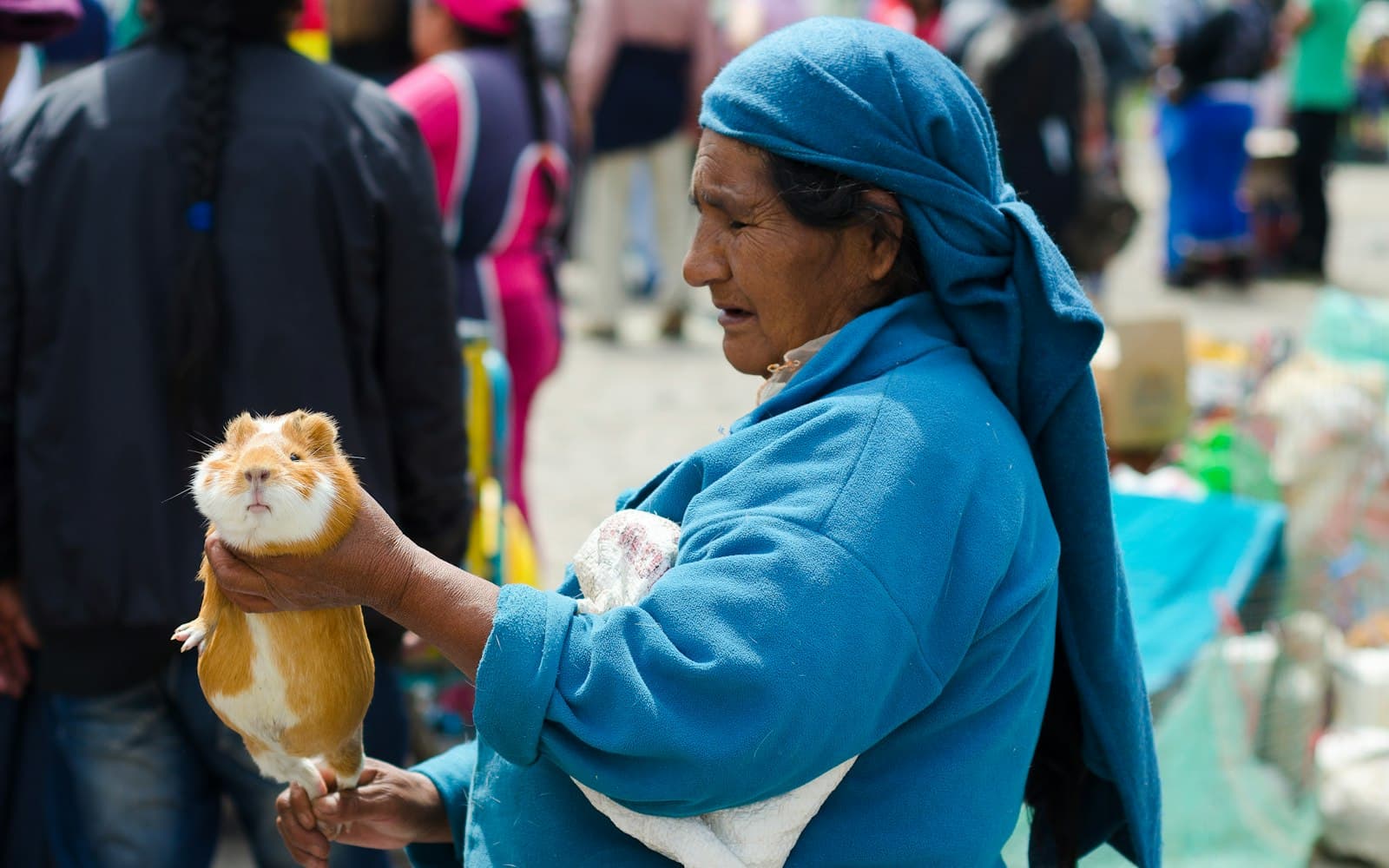
Il rinomato Mercato di Otavalo è un'esplosione sensoriale, eppure molti visitatori trascurano il tranquillo rituale che precede la folla del sabato.
La storia completa si sblocca nel tour
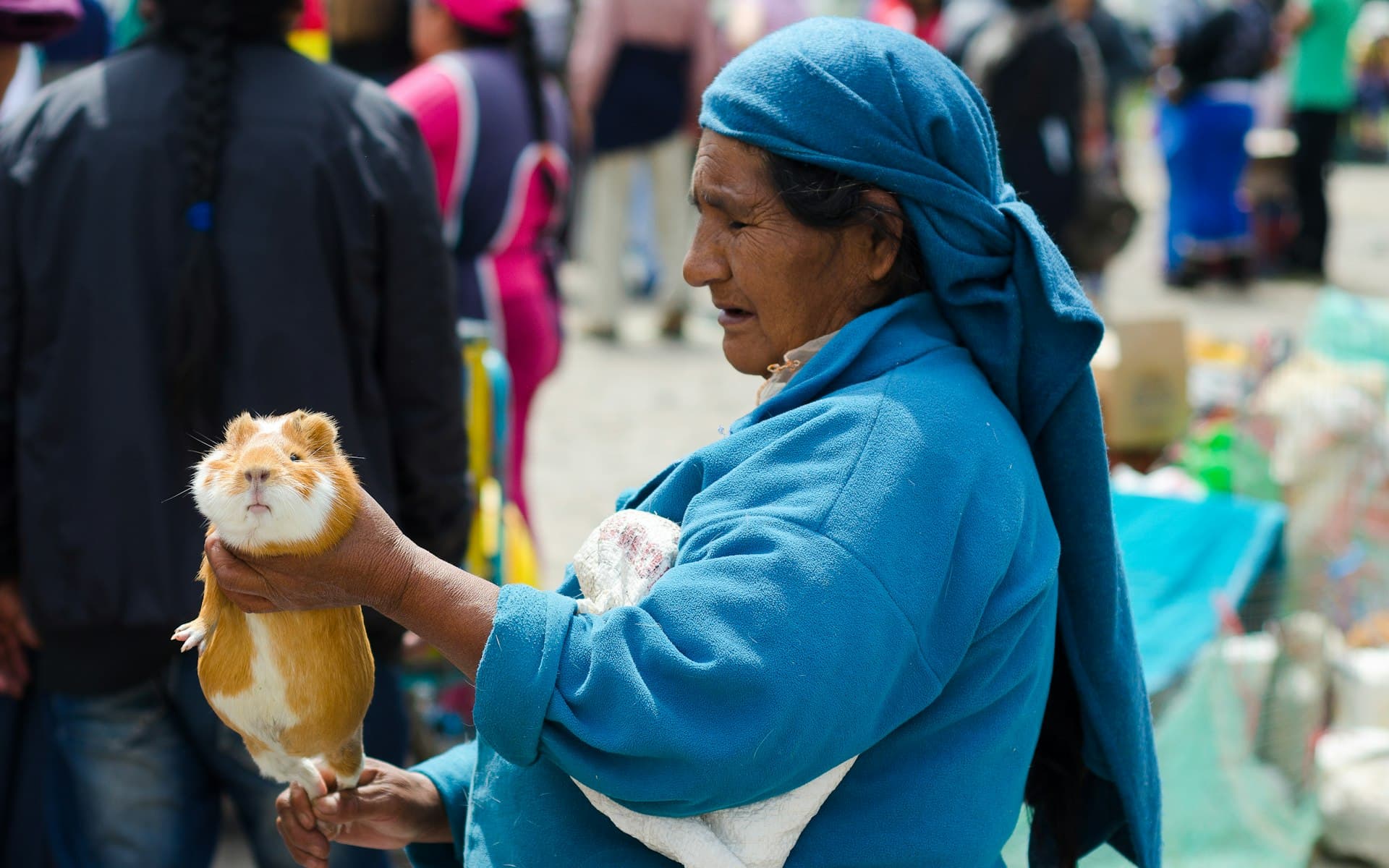 Photo: Kylli Kittus / Unsplash
Tour audio autoguidato di Otavalo — percorso GPS a piedi, riproduzione offline, narrazione coinvolgente in 32 lingue.
“Dove le tradizioni andine sono intessute nella vita quotidiana.”
Non le cartoline. Le storie che nemmeno i locali conoscono — sussurrate nel tuo orecchio, proprio dove sono accadute.
Il rinomato Mercato di Otavalo è un'esplosione sensoriale, eppure molti visitatori trascurano il tranquillo rituale che precede la folla del sabato.
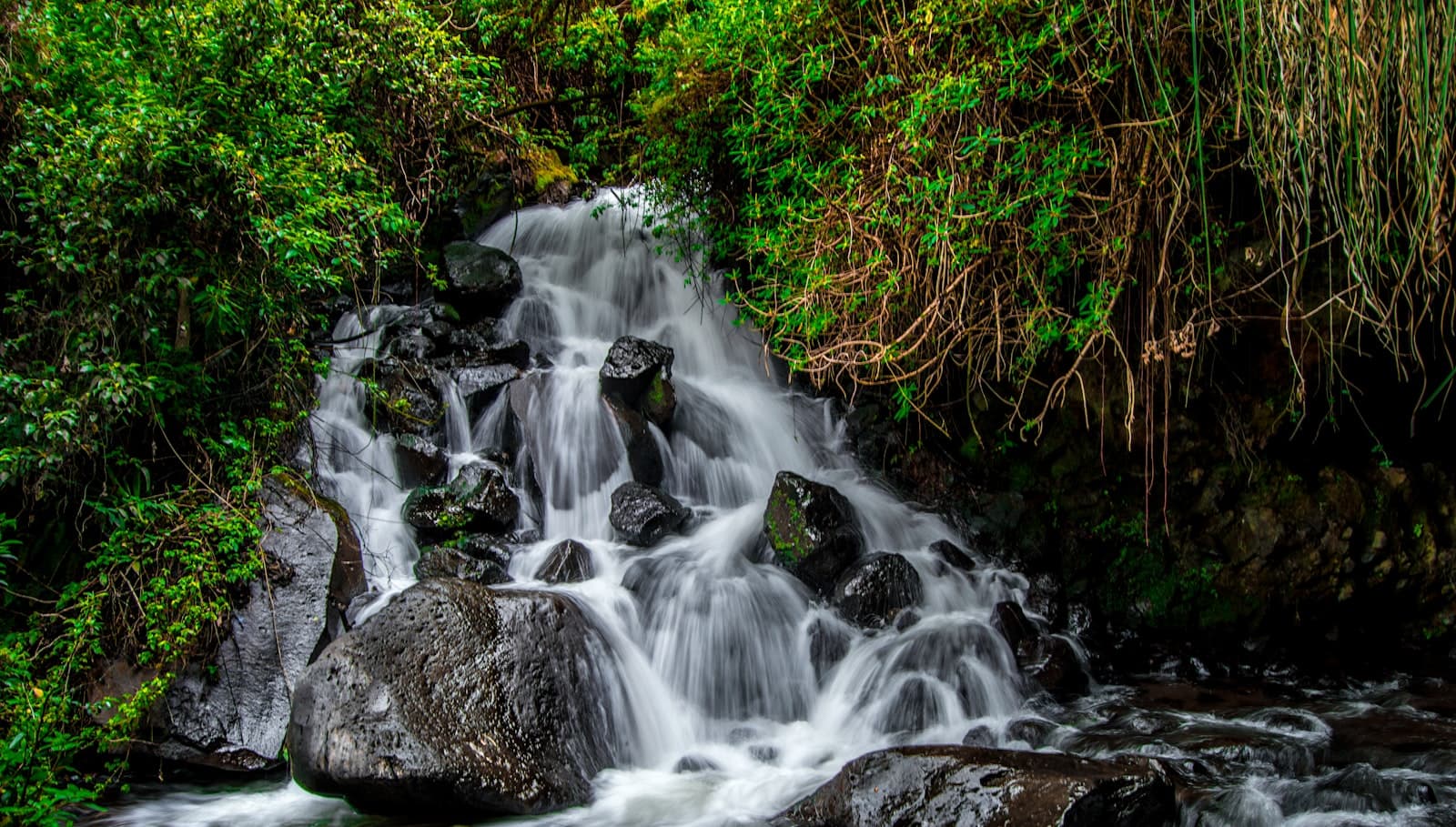
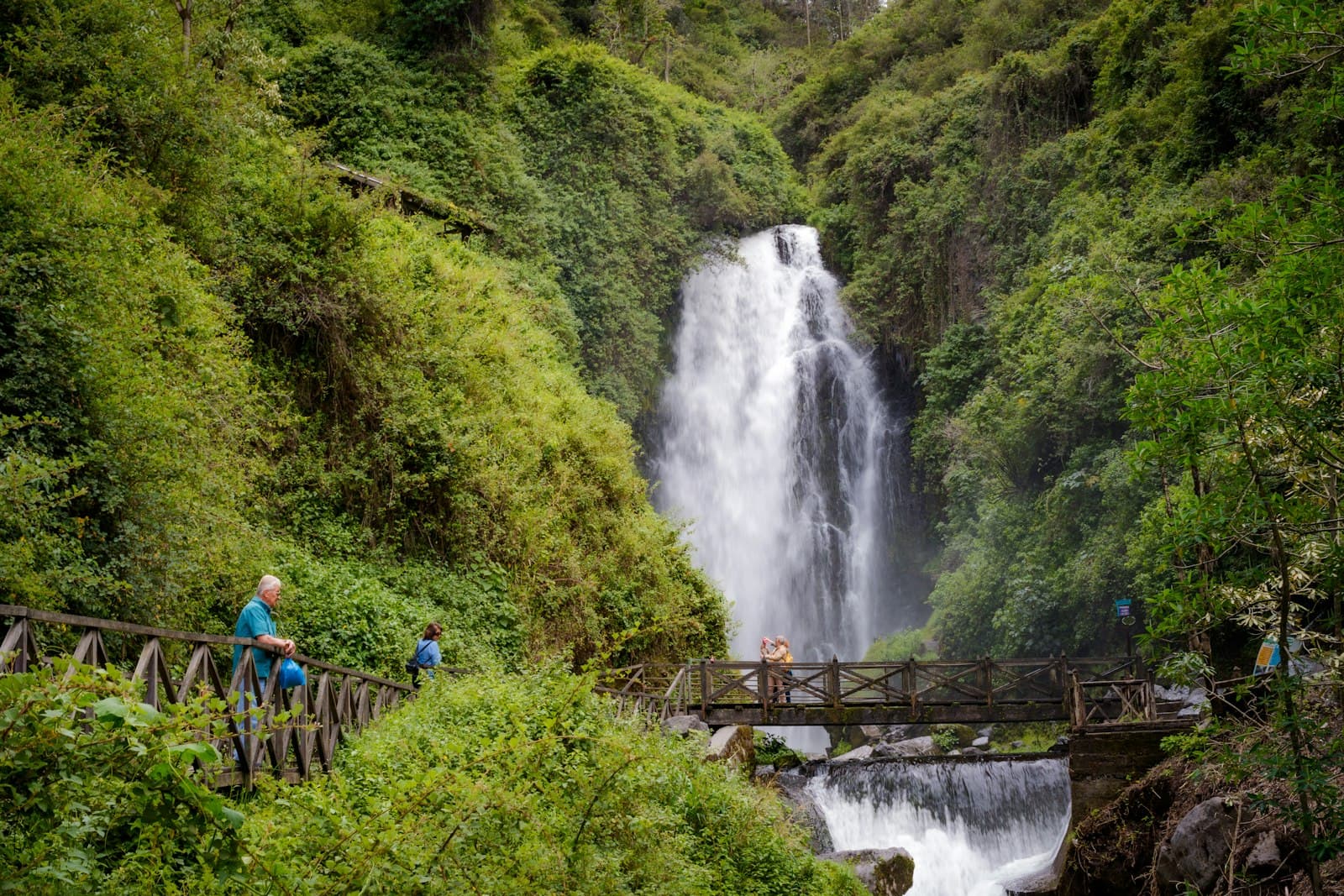
Questa tranquilla cascata, appena fuori Otavalo, porta un significato ben oltre il suo splendore naturale, in particolare durante una stagione specifica.
L'abbigliamento distintivo del popolo Otavalo è più di un semplice vestito; racconta una storia di identità e prosperità.
Scopri ogni segreto di Otavalo
Ogni indirizzo, ogni rivelazione completa — nel tuo orecchio, proprio dove è accaduta.
Scegli le tue tappe. Cammini. La voce rivela ciò che gli altri perdono.
Il tuo tour audio autoguidato di Otavalo è pronto — scegli i tuoi punti di interesse, seleziona la tua lingua e inizia nel momento in cui arrivi.
AcquistaLume include una guida in realtà aumentata. Alza il telefono: la fotocamera mostra la strada davanti a te, con una freccia luminosa sovrapposta all'immagine reale che punta sempre verso la tua prossima tappa — nessuna mappa da decifrare, nessuna svolta sbagliata. Come tutto in Lume, funziona completamente offline.
Otavalo, una città negli altopiani andini settentrionali dell'Ecuador, si trova a un'altitudine di circa 2.532 metri (8.307 piedi), abbracciata da cime vulcaniche come Imbabura, Cotacachi e Mojanda. È ampiamente riconosciuta per il suo vivace mercato indigeno, considerato una delle più grandi fiere artigianali all'aperto del Sud America. La popolazione della città, di circa 41.718 abitanti (al 2022), è in gran parte composta dal gruppo indigeno Kichwa Otavalo, che ha preservato le proprie tradizioni culturali, inclusi i loro distintivi abiti e le rinomate abilità tessili.
Oltre al famoso mercato, Otavalo offre un mix di bellezze naturali ed esperienze culturali. I viaggiatori possono esplorare laghi craterici, cascate e villaggi indigeni circostanti noti per i loro artigianati specializzati. La città funge da importante centro per sperimentare la cultura indigena andina dell'Ecuador, con la sua economia in gran parte trainata dalla produzione artigianale, dal turismo e dal commercio. Il popolo Otavalo è ammirato per il suo spirito imprenditoriale e ha esportato con successo i propri tessuti e la propria cultura a livello globale, contribuendo a un tenore di vita più elevato rispetto a molti altri gruppi indigeni in Ecuador.
La storia di Otavalo è una ricca narrazione tessuta attraverso civiltà pre-incaiche, conquiste imperiali e un'endurante resilienza indigena. L'area era densamente popolata dagli indiani Otavalo molto prima dell'arrivo degli Inca. Questi primi gruppi indigeni, tra cui i Caranqui e gli Otavalo, erano già abili nella filatura e tessitura di tessuti utilizzando fibre naturali come cotone e lana, stabilendo una reputazione per la loro maestria artigianale.
Alla fine del XV o all'inizio del XVI secolo, la regione di Otavalo fu incorporata nell'Impero Inca. Durante questo periodo, Otavalo divenne un importante centro amministrativo e furono introdotti nuovi raccolti e animali. La conquista Inca, tuttavia, non alterò significativamente la cultura Otavalo e, a differenza delle pratiche comuni Inca, pochi reinsediamenti forzati (mitma) si verificarono nella regione. Il popolo Otavalo praticava anche l'agricoltura irrigua e costruiva campi rialzati, noti come camelones o waru waru, per gestire l'acqua per i loro raccolti.
La conquista spagnola seguì rapidamente nel 1534, con la regione che cadde sotto il controllo spagnolo nel XVI secolo. Le terre furono suddivise tra coloni spagnoli e furono stabiliti grandi laboratori di tessitura, chiamati obrajes. Un notevole obraje fu istituito da Rodrigo de Salazar a Otavalo, impiegando centinaia di lavoratori entro la metà del 1500 e producendo una quota significativa di tessuti per il Sud America coloniale. Gli spagnoli introdussero nuovi strumenti e fibre, sviluppando ulteriormente l'industria tessile, sebbene le tessitrici indigene fossero spesso costrette alla produzione per i mercati europei. La città stessa subì una significativa distruzione in un terremoto nel 1868, ma fu successivamente ricostruita.
Il XX secolo portò cambiamenti significativi. La Legge sulla Riforma Agraria del 1964 pose fine alle pratiche lavorative di sfruttamento, consentendo al popolo Otavalo di perseguire i propri sforzi economici più liberamente. L'industria tessile conobbe un boom all'inizio degli anni '60 con l'introduzione di tecniche di tessitura scozzesi, portando alla creazione del 'cashmere Otavaleño'. Questo, unito al crescente turismo negli anni '70 e '80, ha proiettato Otavalo in un centro riconosciuto a livello mondiale per i tessuti indigeni. Oggi, il popolo Otavalo continua a preservare i propri metodi ancestrali adattandosi ai design moderni, garantendo che il proprio mestiere rimanga una parte vitale della propria identità e un significativo motore economico per la regione.
Il cuore di Otavalo è senza dubbio la Plaza de los Ponchos, un vasto mercato indigeno che trasforma la città, specialmente il sabato e il mercoledì. Qui, un caleidoscopio di tessuti fatti a mano, tra cui poncho, coperte, sciarpe e arazzi, realizzati in lana di alpaca o pecora, sono in mostra. Oltre ai tessuti, troverai articoli in pelle, gioielli intricati, strumenti musicali e sculture in legno. Mentre il mercato artigianale principale occupa la Plaza de los Ponchos, non trascurare il Mercato degli Animali di Otavalo il sabato mattina, un'autentica esperienza locale dove si scambiano bestiame.
Oltre alla vivace atmosfera del mercato, i dintorni naturali offrono escursioni avvincenti. La Laguna Cuicocha, uno splendido lago craterico formato da un'eruzione vulcanica, è ideale per l'escursionismo, con un sentiero che la circonda, e le escursioni in barca offrono viste uniche delle sue isole. La Cascata di Peguche, un sito sacro per il popolo Otavaleño, è un luogo tranquillo per il relax e una breve passeggiata dalla città. Per coloro che cercano escursioni più impegnative e viste panoramiche, i Laghi di Mojanda, alla base della montagna Fuya Fuya, offrono numerosi sentieri. Puoi anche visitare laboratori di tessitura locali nei villaggi vicini come Peguche per vedere gli artigiani al lavoro e comprendere il mestiere di prima mano.
Otavalo gode di un clima piacevole, simile alla primavera, tutto l'anno grazie alla sua vicinanza all'equatore e all'alta quota. Le temperature variano tipicamente tra 19°C e 20°C (66°F e 68°F) durante il giorno e scendono a 8°C e 9°C (46°F e 48°F) di notte. Il periodo più secco e soleggiato, ideale per attività all'aperto come l'escursionismo, va da giugno a settembre, con un picco all'inizio di agosto. Sebbene le piogge possano verificarsi tutto l'anno, la stagione umida va generalmente da ottobre a maggio, con aprile che è il mese più piovoso. Per un'esperienza di mercato completa, pianifica la tua visita per un sabato, quando la Plaza de los Ponchos e le strade circostanti sono più attive.
Otavalo è facilmente accessibile, situata a circa 90 chilometri (56 miglia) a nord di Quito. Gli autobus partono regolarmente dal terminal degli autobus di Carcelén a Quito e, sebbene i biglietti in anticipo non siano solitamente necessari, è consigliabile verificare la disponibilità per i giorni di mercato di punta. Una volta a Otavalo, i taxi sono facilmente disponibili ed economici per spostarsi in città o verso le attrazioni vicine. Sebbene una gita di un giorno da Quito sia fattibile, soggiornare una o due notti consente un'esperienza più immersiva, inclusa l'esplorazione dei laghi e dei villaggi circostanti.
Quando visiti il mercato, porta banconote di piccolo taglio per gli acquisti e ricorda che i prezzi sono spesso negoziabili. È consuetudine chiedere il permesso prima di fotografare persone o le loro merci. La città offre una vasta gamma di alloggi, da hotel a ostelli. Preparati a condizioni meteorologiche variabili, poiché i climi di montagna possono cambiare rapidamente; si consigliano strati di abbigliamento.
Otavalo — coreano, cinese, ebraico e altre 29 lingue, ogni tappa narrata da una voce madrelingua. La più ampia scelta di lingue tra i tour audio autoguidati.
Disponibile in: