Diefenbunker: Canada's Cold War Museum
Unter einem Bauernfeld bleibt ein Geheimnis aus einer angespannten Zeit eingefroren.
Die ganze Geschichte wird in der Tour freigeschaltet
 No machine-readable author provided. Arctic.gnome assumed (based on copyright claims). / CC BY 2.5, via Wikimedia Commons
Selbstgeführte Audio-Walking-Tour durch Ottawa — GPS-Route, Offline-Wiedergabe, erzählerische Narration in 32 Sprachen.
“Größe aus einer anderen Zeit trifft auf den Puls einer modernen Stadt, am Rideau-Kanal.”
Nicht die Postkarten. Die Geschichten, die selbst Einheimische nicht kennen – dir ins Ohr geflüstert, genau dort, wo sie geschahen.
Unter einem Bauernfeld bleibt ein Geheimnis aus einer angespannten Zeit eingefroren.
Ein Weltführer hinterließ einst seine Spuren in einer lokalen Bäckerei, und Sie können sie immer noch schmecken.
Erleben Sie ein Fragment der Arktis, überraschend nah am Stadtzentrum.
Entdecke jedes Geheimnis von Ottawa
Jede Adresse, jede Enthüllung vollständig – in deinem Ohr, genau dort, wo es geschah.
Du wählst deine Stationen. Du gehst. Die Stimme enthüllt, was andere übersehen.


Deine selbstgeführte Audio-Tour durch Ottawa ist bereit – wähle deine Sehenswürdigkeiten, deine Sprache und starte, sobald du ankommst.
KaufenLume enthält einen integrierten Augmented-Reality-Guide. Halten Sie Ihr Handy hoch: Die Kamera zeigt die Straße vor Ihnen, mit einem leuchtenden Pfeil über dem echten Bild, der immer auf Ihren nächsten Stopp zeigt — keine Karte zum Rätseln, keine falschen Abzweigungen. Wie alles bei Lume funktioniert es komplett offline.
Ottawa, Kanadas Hauptstadt, bietet eine überzeugende Mischung aus staatspolitischer Bedeutung und kultureller Tiefe. Die Stadt entfaltet sich entlang des Rideau-Kanals, einem UNESCO-Weltkulturerbe, das sich mit den Jahreszeiten verändert – von einer Bootsroute in den wärmeren Monaten bis zur größten natürlich gefrorenen Eisbahn der Welt im Winter.
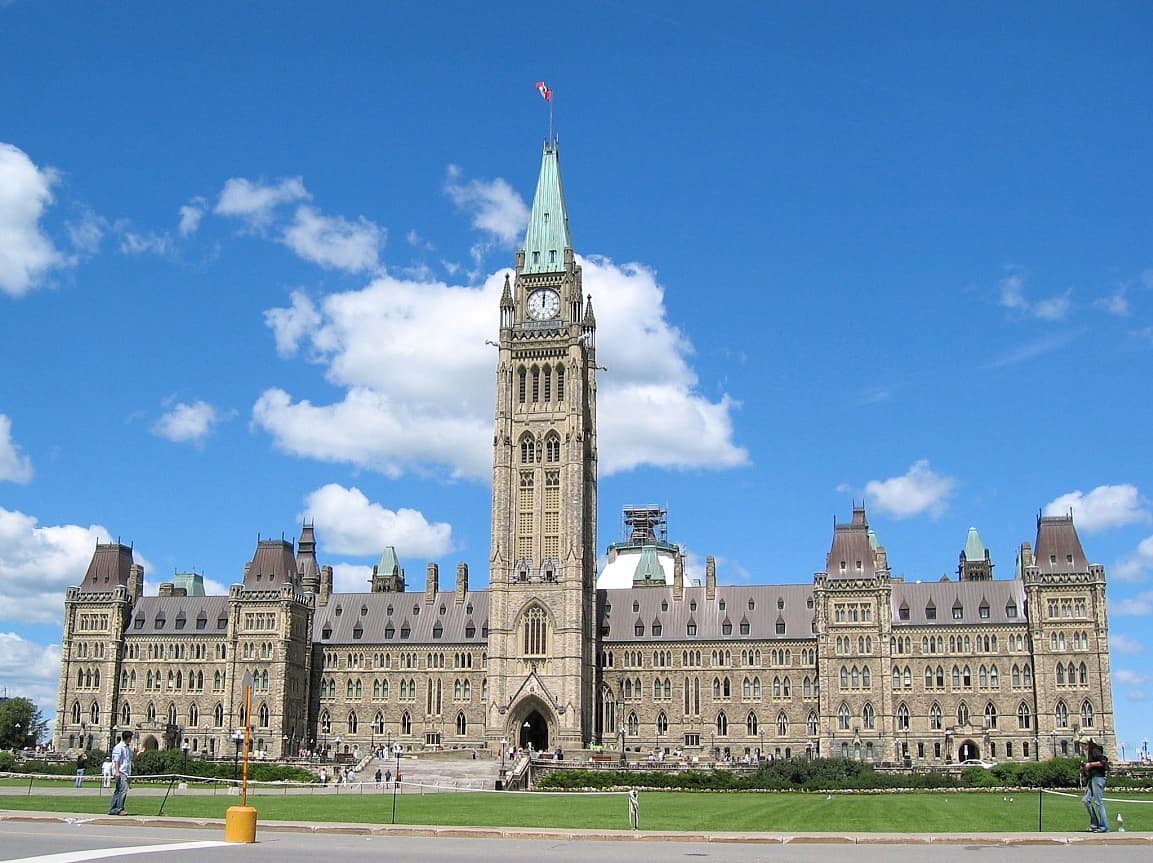
Spazieren Sie durch Viertel, in denen die neugotische Architektur des Parliament Hill Aufmerksamkeit erregt, und schlendern Sie dann durch Nachbarschaften, die lebendig sind mit vielfältigen kulinarischen Erlebnissen und künstlerischen Ausdrucksformen. Die Grünflächen der Stadt bieten ruhige Erholungsorte, während ihre vielen Museen und Galerien Einblicke in die kanadische Identität und globale Erzählungen bieten. Ottawa bietet ein Erlebnis, das sowohl stattlich als auch zugänglich ist und die Nation widerspiegelt, die es repräsentiert.
Vor der europäischen Besiedlung war das Land, das heute als Ottawa bekannt ist, das traditionelle Territorium des Algonquin-Anishinaabeg-Volkes. Tausende von Jahren lang diente der Ottawa River als wichtige Transportroute und Handelskorridor für indigene Gemeinschaften. Ihre Präsenz und Verbindung zu diesem Land prägten seinen frühen Charakter.
Die europäischen Ursprünge der Stadt reichen bis ins Jahr 1826 mit der Gründung von Bytown zurück, das als Baulager für den Rideau-Kanal errichtet wurde. Lieutenant-Colonel John By beaufsichtigte die Schaffung des Kanals, eine monumentale Ingenieurleistung, die dazu diente, eine sichere Versorgungsroute zwischen Montreal und Kingston zu schaffen und den verwundbaren Sankt-Lorenz-Strom zu umgehen. Die Fertigstellung des Kanals im Jahr 1832 brachte wirtschaftliche Aktivität, hauptsächlich Holz, das zu einer dominierenden Industrie wurde. Holzfäller schickten riesige Holzflöße den Ottawa River hinunter, was das Wachstum von Sägewerken und einer aufstrebenden Gemeinschaft befeuerte.
1855 wurde Bytown in Ottawa umbenannt. Nur zwei Jahre später, 1857, traf Königin Victoria die entscheidende Entscheidung, Ottawa zur Hauptstadt der Provinz Kanada zu ernennen. Diese Wahl war strategisch, da sie die Hauptstadt von der amerikanischen Grenze fernhielt und zwischen den rivalisierenden Städten Toronto und Montreal positionierte. Kurz darauf begann der Bau der ikonischen Gebäude des Parliament Hill, was Ottawas neue Rolle festigte.
Im späten 19. und frühen 20. Jahrhundert entwickelte sich Ottawa von einer Holzfällerstadt zu einem Regierungszentrum. Große öffentliche Gebäude entstanden, und die Infrastruktur der Stadt entwickelte sich, um ihre wachsende Bevölkerung und Verwaltungsfunktionen zu unterstützen. Große Brände, insbesondere der Große Brand von 1900, gestalteten Teile der Stadt neu und führten zu neuen Stadtplanungsbemühungen. Im Laufe des 20. Jahrhunderts expandierte Ottawa weiter und umfasste seine doppelte Identität als Regierungssitz und kulturelles Zentrum. Heute ist es ein Zeugnis seiner vielfältigen Vergangenheit, von indigenen Ländereien über einen Kolonialaußenposten bis hin zu einer modernen Hauptstadt.
Beginnen Sie Ihre Erkundung auf dem Parliament Hill, dem symbolischen Herzen der kanadischen Demokratie. Nehmen Sie an einer kostenlosen Führung teil, um den Senat und das Unterhaus zu sehen, und erleben Sie im Sommer die Zeremonie des Wachwechsels. Direkt gegenüber präsentiert die National Gallery of Canada umfangreiche Sammlungen kanadischer und indigener Kunst sowie internationale Werke.
Spazieren Sie entlang des Rideau-Kanals, einem UNESCO-Weltkulturerbe. In den wärmeren Monaten fahren Boote auf seinen Gewässern; im Winter verwandelt er sich in die größte natürlich gefrorene Eisbahn der Welt. In der Nähe ist der ByWard Market einer der ältesten und größten öffentlichen Märkte Kanadas, der frische Produkte, handwerkliche Waren und eine lebhafte Atmosphäre bietet.
Für einen tieferen Einblick in die Geschichte besuchen Sie das Canadian Museum of History in Gatineau, Quebec (direkt auf der anderen Seite des Flusses), das die menschliche Geschichte Kanadas dokumentiert. Das Canadian War Museum bietet bewegende Einblicke in die Militärgeschichte Kanadas. Entfliehen Sie in die Natur im Gatineau Park, der ausgedehnte Wander- und Radwege sowie malerische Aussichtspunkte bietet.
Ottawa bietet das ganze Jahr über besondere Erlebnisse. Der Frühling (April-Mai) bringt das Canadian Tulip Festival, das die Stadt mit Farbe bemalt. Der Sommer (Juni-August) bietet warmes Wetter, ideal für Kanalfahrten, Radtouren und Festivals im Freien. Der Herbst (September-Oktober) verwandelt die umliegenden Landschaften in eine Leinwand aus Herbstlaub. Der Winter (November-März) ist kalt, aber magisch, mit der Eröffnung der Rideau Canal Skateway und verschiedenen Winterfestivals.
Das öffentliche Nahverkehrssystem von Ottawa, OC Transpo, umfasst Busse und die Stadtbahn O-Train und bietet eine gute Abdeckung in der ganzen Stadt. Erwägen Sie den Kauf eines DayPass oder einer Presto-Karte für mehr Komfort. Viele zentrale Attraktionen sind zu Fuß erreichbar, insbesondere rund um den Parliament Hill und den ByWard Market. Taxis und Fahrdienste sind ebenfalls leicht verfügbar. Die Amtssprachen sind Englisch und Französisch, und beide werden weit verbreitet gesprochen. Trinkgeldgebräuche ähneln denen im übrigen Nordamerika, wobei 15-20 % für guten Service in Restaurants und für andere Dienstleistungen üblich sind.
Ottawa — Koreanisch, Chinesisch, Hebräisch und 29 weitere Sprachen, jede Station von einer muttersprachlichen Stimme erzählt. Die größte Sprachauswahl aller selbstgeführten Audiotouren.
Verfügbar auf: