Igreja Matriz de Nossa Senhora do Pilar
Una chiesa a Ouro Preto custodisce una quantità sbalorditiva di foglie d'oro, ma non fu l'unica costruita per mostrare ricchezza.
La storia completa si sblocca nel tour
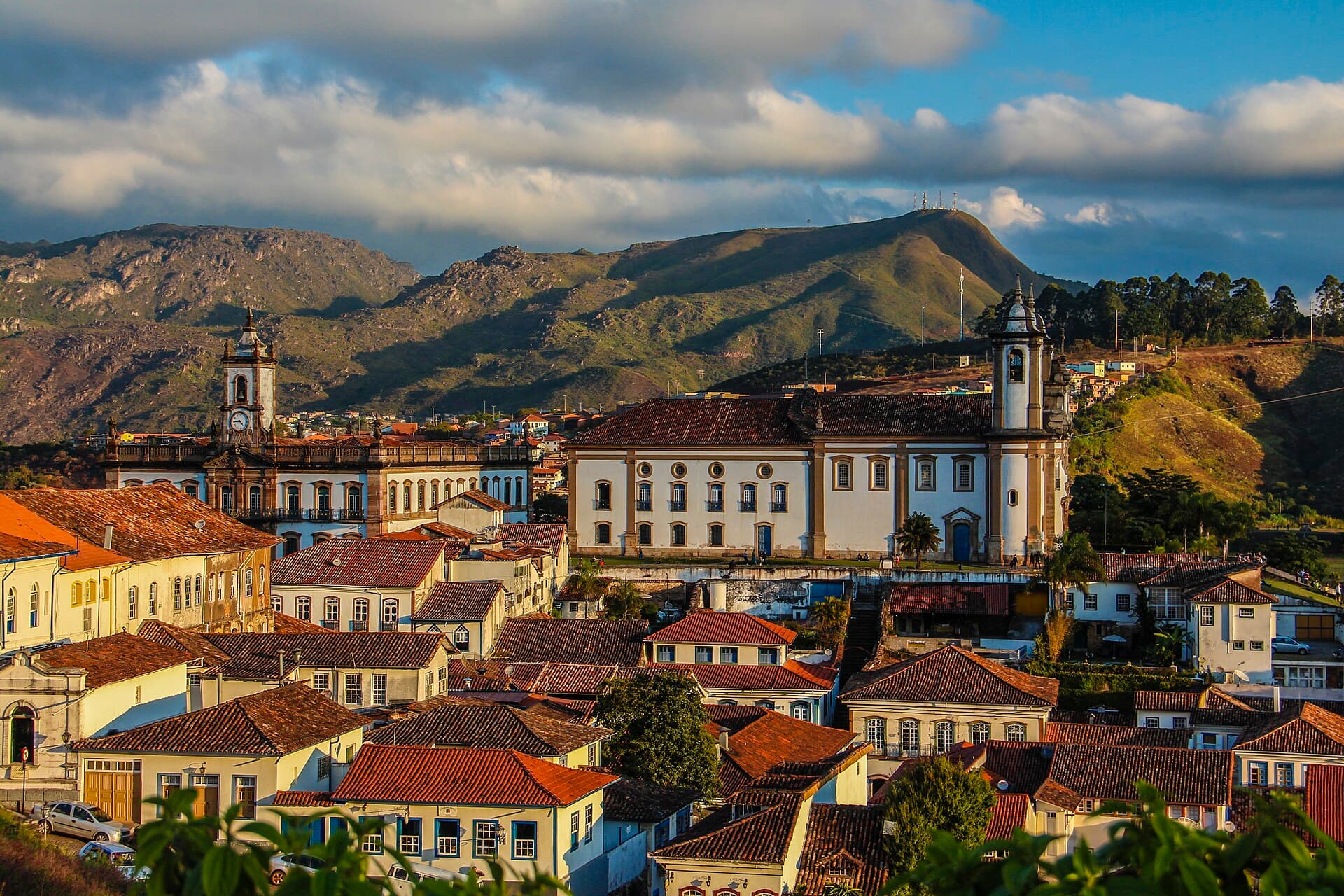 Raquel Mendes Silva / CC BY-SA 4.0, via Wikimedia Commons
Tour audio autoguidato di Ouro Preto — percorso GPS a piedi, riproduzione offline, narrazione coinvolgente in 32 lingue.
“Dove echi dorati incontrano la brillantezza barocca su colline di ciottoli.”
Non le cartoline. Le storie che nemmeno i locali conoscono — sussurrate nel tuo orecchio, proprio dove sono accadute.
Una chiesa a Ouro Preto custodisce una quantità sbalorditiva di foglie d'oro, ma non fu l'unica costruita per mostrare ricchezza.
Sotto la superficie affascinante della città, alcune miniere d'oro raccontano la storia di un re che un tempo era schiavo.
Oltre alle chiese storiche, prospera una struttura sociale unica, dove le identità sono spesso celate giocosamente.
Scopri ogni segreto di Ouro Preto
Ogni indirizzo, ogni rivelazione completa — nel tuo orecchio, proprio dove è accaduta.
Scegli le tue tappe. Cammini. La voce rivela ciò che gli altri perdono.


Il tuo tour audio autoguidato di Ouro Preto è pronto — scegli i tuoi punti di interesse, seleziona la tua lingua e inizia nel momento in cui arrivi.
AcquistaLume include una guida in realtà aumentata. Alza il telefono: la fotocamera mostra la strada davanti a te, con una freccia luminosa sovrapposta all'immagine reale che punta sempre verso la tua prossima tappa — nessuna mappa da decifrare, nessuna svolta sbagliata. Come tutto in Lume, funziona completamente offline.
Ouro Preto, che significa 'Oro Nero', è una città nello stato di Minas Gerais, Brasile, che si erge come una testimonianza vivente della ricca corsa all'oro del paese nel XVIII secolo. Dichiarato Patrimonio dell'Umanità dall'UNESCO, la sua architettura coloniale portoghese ben conservata, le tortuose strade lastricate e le numerose chiese barocche offrono un affascinante viaggio indietro nel tempo.
Immersa tra le dolci colline verdi delle montagne della Serra do Espinhaço, la topografia drammatica di Ouro Preto implica che l'esplorazione a piedi comporti la navigazione di ripide salite, premiando i visitatori con viste panoramiche sulle sue case dai tetti rossi e sulle ornate guglie delle chiese. Oltre alla sua grandezza architettonica, la città pulsa di un'energia unica, in parte dovuta alla sua significativa popolazione studentesca universitaria, che aggiunge uno strato contemporaneo al suo carattere storico.
La storia di Ouro Preto iniziò alla fine del XVII secolo con la scoperta di significativi giacimenti d'oro nella regione. Originariamente conosciuta come Vila Rica, o 'Città Ricca', divenne rapidamente l'epicentro della corsa all'oro brasiliana, attirando cercatori di fortuna da tutto il mondo, tra cui oltre 400.000 portoghesi e 500.000 africani schiavizzati. A metà del XVIII secolo, Ouro Preto era una delle città più popolose delle Americhe, con alcune stime che collocavano la sua popolazione a oltre 100.000 abitanti, superando persino New York City all'epoca.
L'immensa ricchezza generata dalle miniere alimentò un periodo straordinario di fioritura artistica e architettonica. Le chiese, gli edifici pubblici e le dimore della città furono adornati con elaborati disegni barocchi, spesso caratterizzati dalle intricate opere scultoree di Antônio Francisco Lisboa, noto come Aleijadinho, e dai dipinti di Manuel da Costa Athaíde. Quest'epoca di prosperità vide anche Ouro Preto diventare la capitale di Minas Gerais nel 1720, posizione che mantenne fino al 1897.
Tuttavia, le riserve d'oro iniziarono a diminuire verso la fine del XVIII secolo, portando al declino economico. Questo periodo di fortune in calo coincise anche con un crescente malcontento contro il dominio coloniale portoghese. Nel 1789, Ouro Preto divenne la culla dell'Inconfidência Mineira, un movimento di indipendenza cruciale, sebbene fallito, guidato da figure come Joaquim José da Silva Xavier, noto come Tiradentes, che fu giustiziato nella piazza principale della città. Nonostante il fallimento del movimento, esso consolidò la reputazione di Ouro Preto come città orgogliosa e radicale e simbolo dell'indipendenza brasiliana. Nel 1980, l'intera città fu riconosciuta come il primo sito Patrimonio dell'Umanità del Brasile dall'UNESCO, preservando la sua unica eredità architettonica e storica.
Ouro Preto invita all'esplorazione a piedi, con le sue strade ripide e tortuose che rivelano tesori ad ogni angolo. Inizia da Praça Tiradentes, la piazza centrale della città, intitolata all'eroe dell'indipendenza. Qui troverai il Museu da Inconfidência, ospitato nell'ex municipio e prigione, che narra il movimento di indipendenza del Brasile. Sempre sulla piazza si trova il Museo di Mineralogia, parte dell'Escola de Minas, che espone una ricca collezione di minerali.
La città è celebrata per le sue numerose chiese barocche, ognuna un capolavoro di arte e architettura coloniale. Assicurati di visitare la Igreja de São Francisco de Assis, considerata una delle opere più belle di Aleijadinho, e la Basílica Nossa Senhora do Pilar, ammirata per il suo opulento interno adornato di foglie d'oro. Altre chiese degne di nota includono Nossa Senhora do Carmo e Nossa Senhora da Conceição, che ospita anche un museo dedicato ad Aleijadinho. Per comprendere le origini della città, visita un'antica miniera d'oro come Mina da Passagem, una delle più grandi aperte ai turisti, o Mina do Chico Rei. Considera una gita di un giorno nella vicina città coloniale di Mariana, collegata da un panoramico viaggio in treno, per ulteriori approfondimenti storici.
Ouro Preto è una destinazione che può essere apprezzata tutto l'anno, sebbene mesi specifici offrano vantaggi diversi. La stagione secca, da aprile a settembre, è spesso raccomandata per un'esplorazione confortevole delle strade collinari e delle attrazioni all'aperto della città, con temperature miti. I mesi invernali più freschi e secchi (da giugno ad agosto) sono anch'essi piacevoli, e luglio ospita il Festival d'Inverno, un evento culturale con attività artistiche e musicali.
La stagione più calda e umida va da ottobre a marzo, con maggiore umidità e piogge frequenti, in particolare da dicembre a febbraio. Tuttavia, questo periodo porta una vegetazione lussureggiante e l'atmosfera festosa del Carnevale e delle celebrazioni pasquali.
Ouro Preto si trova a circa 100 chilometri da Belo Horizonte, la capitale di Minas Gerais, e a circa 400-475 chilometri da Rio de Janeiro. Servizi regolari di autobus collegano Ouro Preto a Belo Horizonte (circa 2 ore), Rio de Janeiro (7 ore) e San Paolo (11 ore). Per chi guida, le strade in questa parte del Brasile sono generalmente in buone condizioni.
Navigare le ripide strade lastricate di Ouro Preto richiede scarpe comode. Molte attrazioni sono chiuse il lunedì, quindi pianifica il tuo itinerario di conseguenza. Sebbene siano disponibili guide che parlano inglese, molte guide locali parlano principalmente portoghese. La valuta locale è il Real brasiliano e gli sportelli bancomat sono disponibili, anche se potrebbero avere limiti di prelievo.
Ouro Preto — coreano, cinese, ebraico e altre 29 lingue, ogni tappa narrata da una voce madrelingua. La più ampia scelta di lingue tra i tour audio autoguidati.
Disponibile in: