Ponte Coperto
Il Ponte Coperto di Pavia ha una drammatica storia d'origine, che coinvolge una nebbia di Vigilia di Natale e un'offerta allettante.
La storia completa si sblocca nel tour
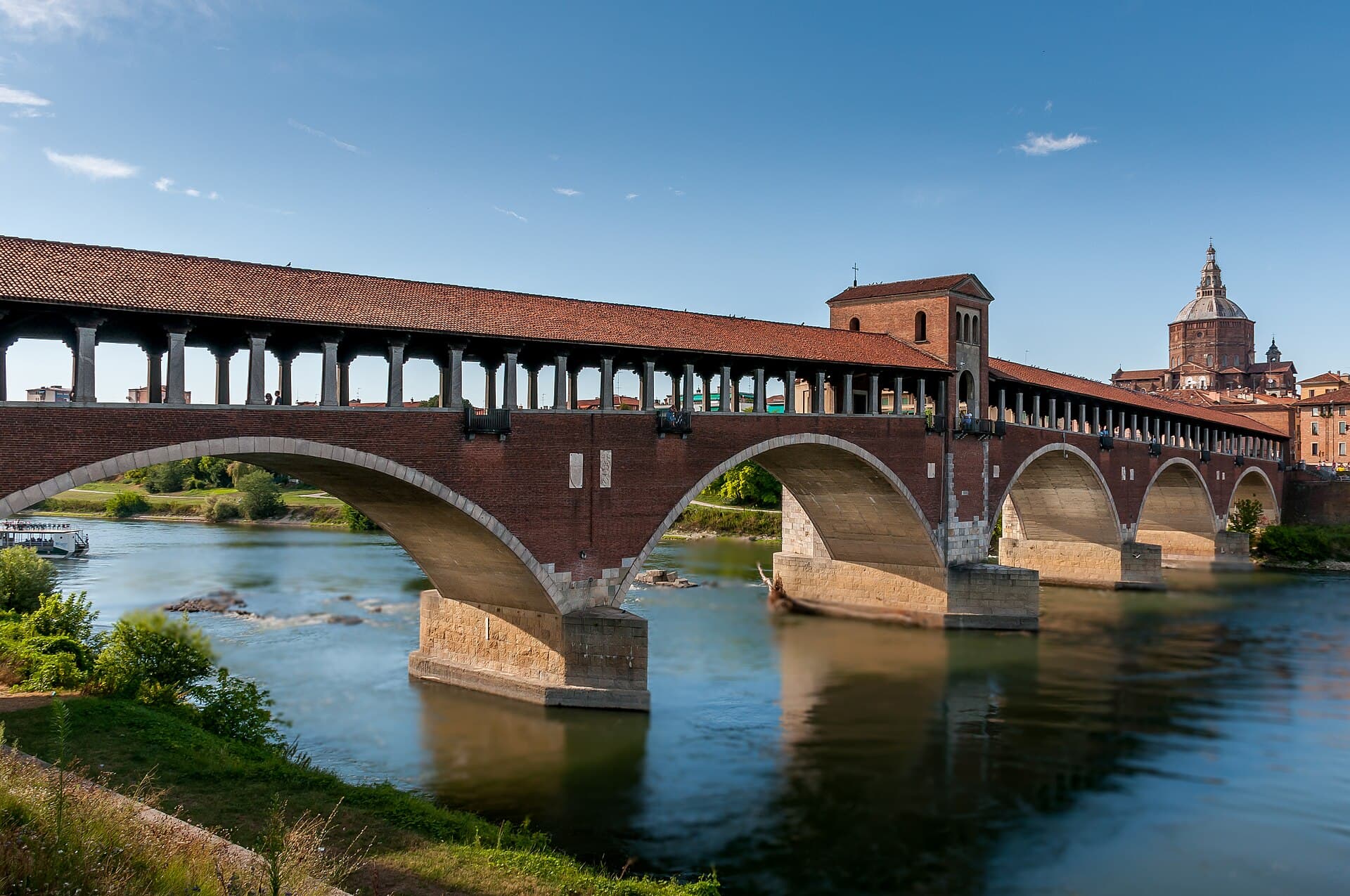 Konki / CC BY-SA 4.0, via Wikimedia Commons
Tour audio autoguidato di Pavia — percorso GPS a piedi, riproduzione offline, narrazione coinvolgente in 32 lingue.
“Pavia: dove antichi echi incontrano la vivace vita universitaria sul Ticino.”
Non le cartoline. Le storie che nemmeno i locali conoscono — sussurrate nel tuo orecchio, proprio dove sono accadute.
Il Ponte Coperto di Pavia ha una drammatica storia d'origine, che coinvolge una nebbia di Vigilia di Natale e un'offerta allettante.
Questo magnifico monastero, a breve distanza dalla città, nasconde una sorprendente segreto sul suo vero scopo.
Tra i molti illustri ex allievi dell'Università di Pavia, un nome spicca per una scoperta che ha cambiato il mondo, anche se non in un'aula.
Scopri ogni segreto di Pavia
Ogni indirizzo, ogni rivelazione completa — nel tuo orecchio, proprio dove è accaduta.
Scegli le tue tappe. Cammini. La voce rivela ciò che gli altri perdono.


Il tuo tour audio autoguidato di Pavia è pronto — scegli i tuoi punti di interesse, seleziona la tua lingua e inizia nel momento in cui arrivi.
AcquistaLume include una guida in realtà aumentata. Alza il telefono: la fotocamera mostra la strada davanti a te, con una freccia luminosa sovrapposta all'immagine reale che punta sempre verso la tua prossima tappa — nessuna mappa da decifrare, nessuna svolta sbagliata. Come tutto in Lume, funziona completamente offline.
Pavia, una città nella regione Lombardia in Italia, si trova lungo il fiume Ticino, con fondamenta che risalgono all'epoca romana. È stata la capitale del Regno Longobardo per secoli, un periodo che ha plasmato il suo carattere e lasciato un'eredità tangibile nella sua architettura e nel tessuto urbano. Oggi, la città è un vivace centro accademico, sede di una delle università più antiche d'Europa, che attira studenti da tutto il mondo. Questo afflusso di giovani menti infonde un'energia contemporanea nell'ambiente antico, creando un contrasto avvincente.
Il ritmo della città è dettato sia dalle sue attività scolastiche sia dal dolce scorrere del Ticino. Passeggiate costeggiano le rive del fiume, invitando a tranquille passeggiate, mentre il centro storico svela una collezione di torri medievali, piazze maestose e cortili silenziosi. Pavia offre un viaggio nel tempo, dove gli echi di imperatori e studiosi si mescolano ai suoni quotidiani della vita moderna.
La storia di Pavia inizia come Ticinum, un municipio romano. La sua posizione strategica sul fiume Ticino la rese un importante crocevia per il commercio e i movimenti militari. La città raggiunse la sua vera importanza, tuttavia, con l'arrivo dei Longobardi nel VI secolo. Stabilirono Pavia come capitale del loro regno, trasformandola in un epicentro politico e culturale dell'Italia altomedievale. Per oltre due secoli, fu la sede dei re longobardi, un periodo che vide la costruzione di numerose chiese e fortificazioni, molte delle quali ancora oggi presenti, seppur in forme alterate.
Dopo la sconfitta dei Longobardi da parte di Carlo Magno, Pavia mantenne la sua importanza, evolvendosi in un libero comune. Il XIV secolo segnò un'era cruciale con la fondazione dell'Università di Pavia nel 1361 da parte dell'imperatore Carlo IV. Questa istituzione divenne rapidamente uno dei principali centri di apprendimento d'Europa, attirando studiosi e studenti che avrebbero plasmato il discorso intellettuale per secoli. Contemporaneamente, la potente famiglia Visconti di Milano estese la sua influenza su Pavia, commissionando grandi opere architettoniche che arricchirono ulteriormente la città, inclusa la magnifica Certosa di Pavia appena fuori dalle sue mura.
Attraverso i secoli successivi, Pavia conobbe varie dominazioni, da quella spagnola a quella austriaca, ognuna lasciando il proprio segno sul paesaggio urbano e sull'identità culturale. Nonostante questi cambiamenti, l'università rimase una costante, un faro di conoscenza che continuò ad attrarre talenti e a promuovere l'innovazione. In tempi più recenti, Pavia ha bilanciato il suo impegno per l'istruzione con un'attenta conservazione del suo vasto patrimonio. La città oggi è una testimonianza del suo passato stratificato, dove l'antico e l'accademico coesistono, offrendo una finestra unica sull'evoluzione storica e intellettuale dell'Italia.
Inizia la tua esplorazione dal Duomo di Pavia, la cui grande cupola è una caratteristica prominente dello skyline. Nelle vicinanze, le torri medievali, resti di un'epoca in cui le famiglie facoltose gareggiavano in sfoggi architettonici, offrono uno sguardo sul passato della città. Attraversa il Ponte Coperto, che attraversa il fiume Ticino, offrendo viste pittoresche sull'acqua e sulla città oltre. Esplora i cortili storici dell'Università di Pavia, sentendo l'atmosfera accademica che ha permeato questi terreni per secoli. Appena fuori città, la Certosa di Pavia, un monastero certosino, espone squisita architettura rinascimentale e intricati lavori in marmo, una vera meraviglia artistica. Per un momento più tranquillo, passeggia per l'orto botanico, uno spazio verde sereno collegato all'università.
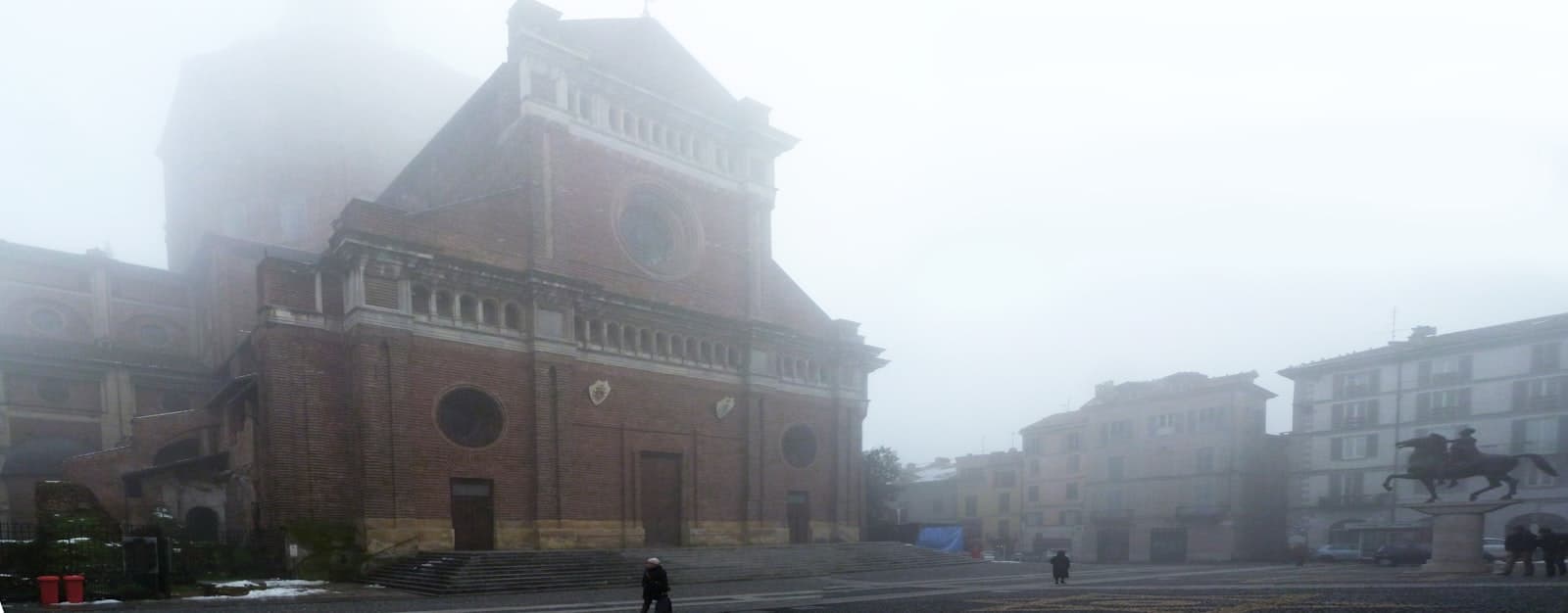
La primavera, da aprile a giugno, offre temperature piacevoli e giardini fioriti, ideali per esplorare a piedi. L'autunno, in particolare settembre e ottobre, porta un clima mite e meno folla, con le foglie che cambiano colore che aggiungono un tocco di calore al paesaggio. Le estati possono essere calde, mentre gli inverni sono generalmente freschi e talvolta nebbiosi, sebbene la città mantenga un fascino tranquillo.
Pavia è facilmente raggiungibile in treno da Milano, con servizi frequenti che la rendono una comoda gita di un giorno o un soggiorno più lungo. Il centro città è compatto e si esplora meglio a piedi, permettendoti di scoprire le sue numerose piazze e stradine. Gli autobus locali forniscono collegamenti con aree al di fuori del nucleo storico immediato, inclusa la Certosa di Pavia. Considera l'acquisto di una Pavia Card per sconti su musei e trasporti pubblici. Molti ristoranti offrono cucina tradizionale lombarda, e la zona universitaria offre una varietà di caffè e opzioni per pasti informali. L'inglese è compreso negli esercizi commerciali orientati al turismo, ma imparare alcune frasi italiane di base migliorerà la tua esperienza.
Pavia — coreano, cinese, ebraico e altre 29 lingue, ogni tappa narrata da una voce madrelingua. La più ampia scelta di lingue tra i tour audio autoguidati.
Disponibile in: