Small Heath
The Peaky Blinders were real, but their timeline often causes surprise.
Full story unlocks in the tour
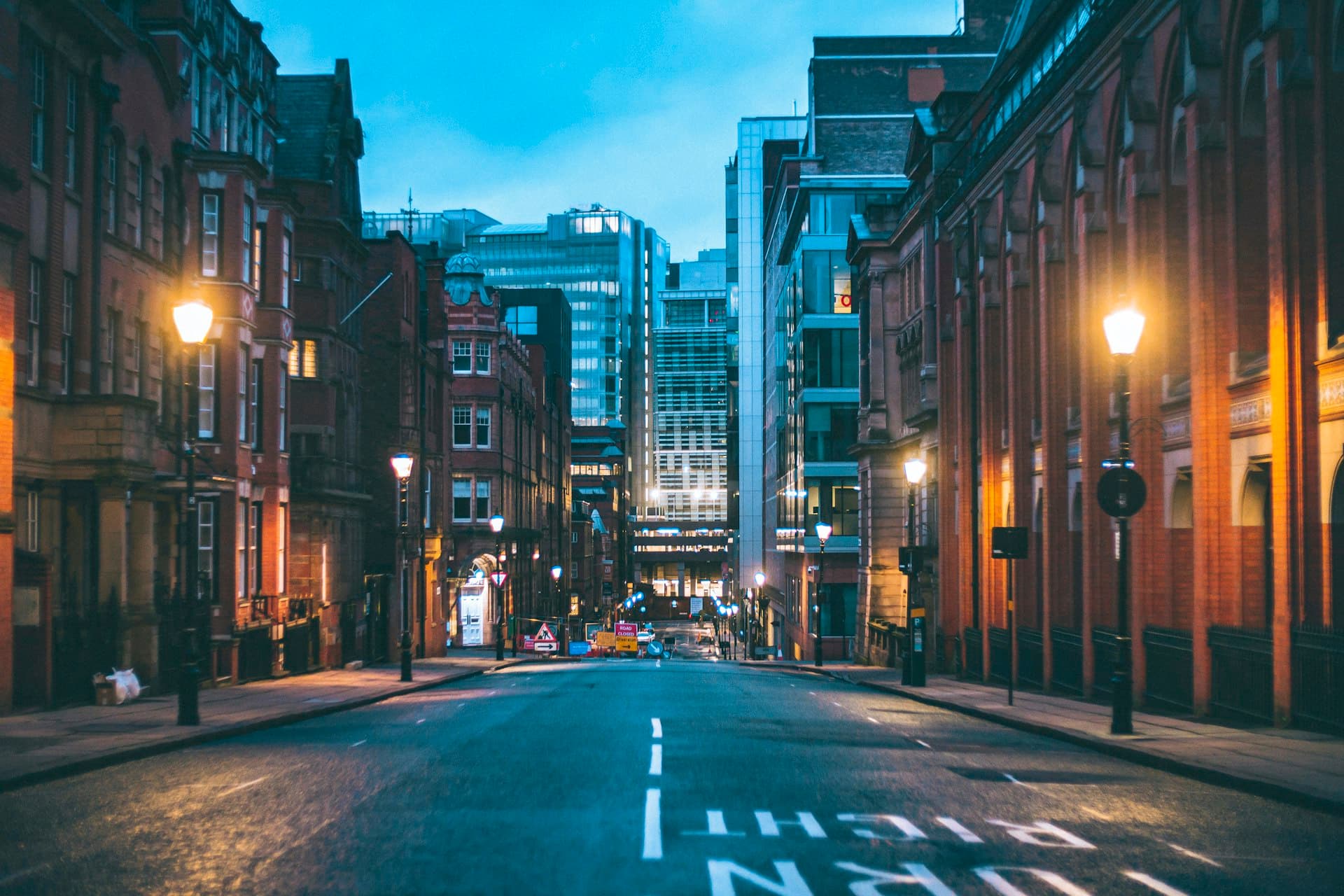 Photo: Tom W / Unsplash
Self-guided audio walking tour of Peaky Blinders' Birmingham — GPS route, offline playback, story-driven narration in 32 languages.
“Uncover the authentic streets and untold stories that shaped Birmingham's most infamous gang.”
Not the postcards. The stories even locals don't know — whispered in your ear, right where they happened.
The Peaky Blinders were real, but their timeline often causes surprise.
The well-known Garrison Pub was a genuine establishment, though its on-screen depiction blends fact with artistic interpretation.
The razor blades in their caps? It's a compelling image, but likely a fabrication.
Discover every secret of Peaky Blinders' Birmingham
Every address, every reveal in full — in your ear, right where it happened.
You pick your stops. You walk. The voice reveals what the others miss.
Your self-guided audio tour of Peaky Blinders' Birmingham is ready — pick your landmarks, choose your language, and start the moment you arrive.
BuyLume has a built-in augmented-reality guide. Hold your phone up and its camera shows the street ahead of you, with a glowing arrow laid over the real view that always points to your next stop — no map to puzzle over, no wrong turns. Like everything in Lume, it works fully offline.
Enter the gritty, smoke-filled world of early 20th-century Birmingham, the forge that shaped the legends of the Peaky Blinders. This is not a tour of film sets, but an immersive journey through the very streets, canals, and industrial landscapes that inspired the iconic television series. You will walk in the footsteps of the genuine gangs, not merely the fictional Shelby family, and uncover the harsh realities and surprising truths of a city grappling with rapid industrialization and widespread poverty.
From the working-class heartland of Small Heath to the animated Bull Ring markets and the intricate Digbeth canals, this walk peels back the layers of time. Discover the authentic backdrops to narratives of illicit gambling, territorial disputes, and the distinctive style that defined an era. Prepare to perceive Birmingham through a new perspective, understanding how its singular character molded the lives and legends of those who traversed its soot-darkened backstreets.
By the late 19th and early 20th centuries, Birmingham had earned its designation as the 'Workshop of the World.' It was a powerhouse of industry, fabricating everything from intricate jewelry in the Jewellery Quarter to firearms in Aston and heavy metalwork across the Black Country. This swift industrialization, while bringing prosperity to some, also created a challenging environment for many working-class communities. The city's population expanded, leading to densely populated neighborhoods and widespread deprivation.
It was within this intense environment that street gangs, including the actual Peaky Blinders, appeared. These were primarily groups of young men, often as young as 12, from lower to working-class backgrounds, who resorted to petty crime, pickpocketing, and violence as a means of survival and establishing a sense of identity. They operated in areas like Small Heath and around the Bull Ring, engaging in robbery, illegal bookmaking, and territorial disputes with rival groups, such as the 'Sloggers.'
The television series Peaky Blinders captures the atmosphere of lawlessness and industrial grime, but it takes considerable creative liberty with the historical timeline and the nature of the gang. The real Peaky Blinders were most active from the 1880s until the early 1900s, not primarily in the 1920s as depicted in the show. By the 1920s, their dominance had lessened, largely due to increased policing and the rise of other, more organized groups like the Birmingham Boys, led by figures such as Billy Kimber.
While the Shelby family is a fictional creation, the show's originator drew inspiration from real Birmingham families and the narratives of the era's criminal underworld. The distinctive attire, including tailored jackets, silk scarves, and flat caps, was an authentic aspect of the gangs' identity, a method to project an image of striking appearance amidst the poverty.
Begin your journey in Small Heath, the historical core of the real Peaky Blinders. While much of the original architecture has transformed, standing here allows you to connect with the gang's beginnings. Proceed towards Garrison Lane, where the actual Garrison Tavern once stood, a known gathering place for the historical Peaky Blinders. Though the pub itself is now closed, the building remains a tangible link to the past.
Next, explore the Digbeth canals and warehouses. These waterways were Birmingham's industrial arteries, and their surrounding warehouses formed the backdrop for countless real-life transactions. The area's industrial character still evokes the period. Do not overlook the Custard Factory, a remarkable example of Victorian industrial architecture that has been reimagined into a creative hub, yet retains its original essence.
Journey to St Paul's Square in the Jewellery Quarter, a more prosperous area that offers a striking contrast to the working-class districts. Its Georgian architecture provides a glimpse into a different facet of Birmingham life during the period. Continue to Gas Street Basin and the canal network, a scenic area today, but once a bustling center of trade and industry that would have been integral to the city's commerce and, by extension, its underworld. Finally, immerse yourself in the lively atmosphere of the Bull Ring markets, a place that has served as a commercial center for centuries and would have been a hive of activity, both legitimate and illicit, in the 1920s.
Birmingham is a city that experiences all four seasons. Spring (April-May) and Autumn (September-October) offer milder temperatures and fewer crowds, creating comfortable walking conditions. Summer (June-August) can be warm and lively, but also brings the possibility of rain. Winters (November-March) are colder and can be damp, so dress appropriately. Weekdays generally provide a better opportunity to experience the city's historical sites without the larger weekend crowds.
This walking tour encompasses a significant portion of central Birmingham, so comfortable walking shoes are essential. The city center is generally considered safe and pedestrian-friendly, with well-maintained pavements. However, as with any urban exploration, remain aware of your surroundings, especially in busier areas like the Bullring where minor crime can occur. Public transport, including buses and the West Midlands Metro tram system, is readily available if you wish to shorten parts of the walk or travel between districts. Consider checking bus or tram schedules in advance. Birmingham's weather can be unpredictable, so an umbrella or waterproof jacket is advisable, regardless of the season.
Peaky Blinders' Birmingham in Korean, in Chinese or in Hebrew — and 29 more languages, every stop narrated by a native voice. The widest language range of any self-guided audio tour.
Available in: