Beijing Time
China operates on a single time zone, "Beijing Time," but it isn't truly the local time in Beijing.
Full story unlocks in the tour
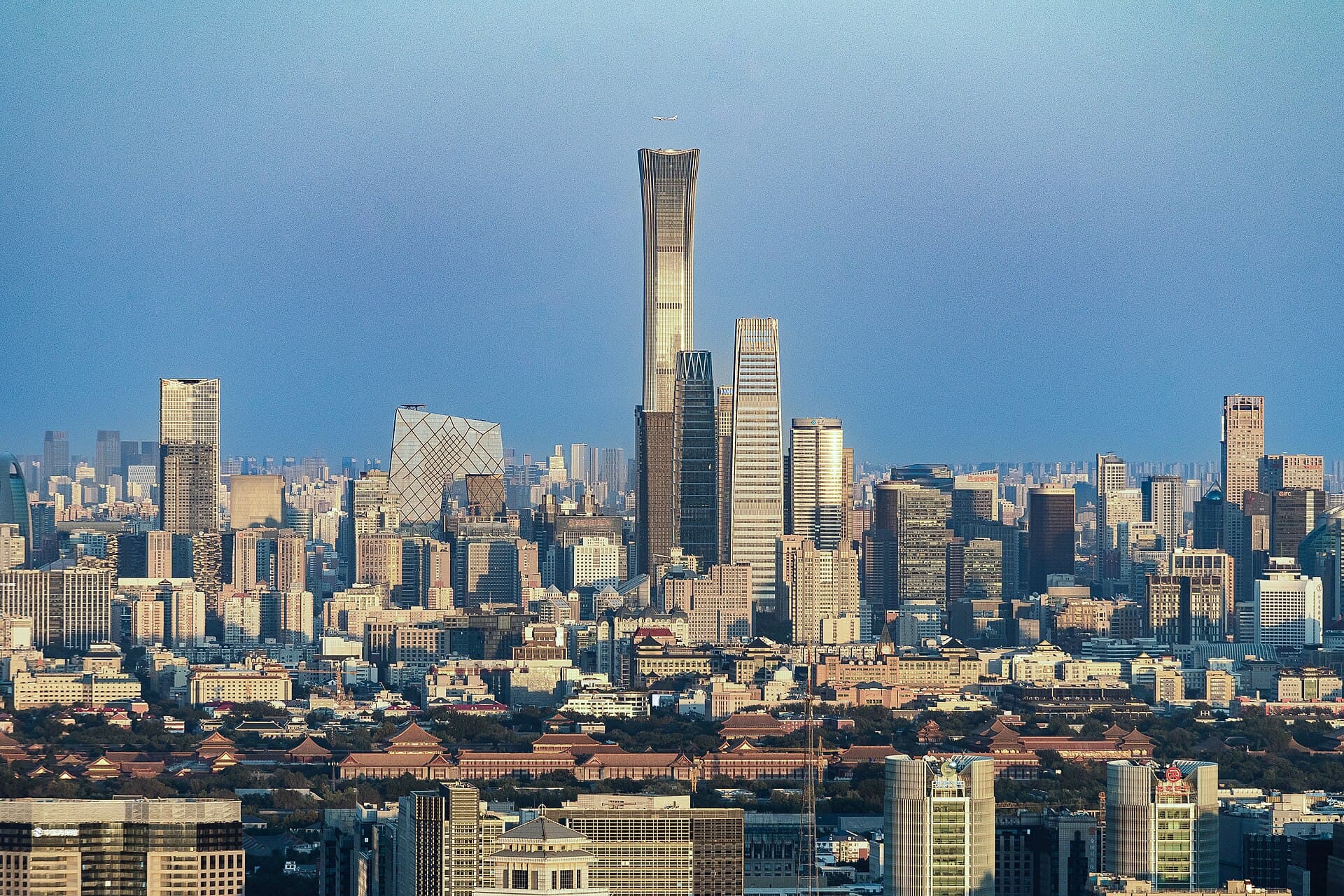 N509FZ / CC BY 4.0, via Wikimedia Commons
“Where imperial grandeur meets modern dynamism.”
Not the postcards. The stories even locals don't know — whispered in your ear, right where they happened.
China operates on a single time zone, "Beijing Time," but it isn't truly the local time in Beijing.
Navigating Beijing's immense scale can feel overwhelming, but the city's street signs offer a subtle, color-coded guide.
A persistent story about the Great Wall claims it's visible from space with the unaided eye.
Discover every secret of Beijing
Every address, every reveal in full — in your ear, right where it happened.
You pick your stops. You walk. The voice reveals what the others miss.
No tours available yet. Check back soon — we're preparing them.
Beijing, a city with over 3,000 years of documented existence, serves as China's capital and its second-largest urban area. It is a sprawling metropolis, home to approximately 22 million people, where ancient dynasties converge with cutting-edge modernity. From the expansive Forbidden City, once the imperial residence for 24 emperors, to the tranquil landscapes of the Summer Palace, Beijing offers a journey through time.
The city's urban structure is defined by concentric "ring roads," which are actually rectangular, mirroring the layout of the Forbidden City at its core. This design reflects Beijing's historical significance as the political and cultural center of China for much of its past. Today, Beijing gracefully blends its profound heritage with contemporary developments, showcasing towering skyscrapers beside traditional hutong alleyways.
Beijing holds a unique position with seven UNESCO World Heritage Sites, more than any other city globally. The newest addition, the Beijing Central Axis, stretches 7.8 kilometers through the city's heart, connecting iconic landmarks like the Forbidden City, Tiananmen Square, and the Temple of Heaven. This blend of historical depth and modern vitality makes Beijing an unparalleled travel experience.
Beijing's story spans over three millennia, making it one of the world's oldest continuously inhabited cities. Archaeological evidence suggests early human species lived in the area between 770,000 and 230,000 years ago. The city has been an important center since the Qin Dynasty (221–206 BCE) and has served as the capital for six notable dynasties, including the Yuan, Ming, and Qing. Throughout these periods, Beijing was known by various names such as Ji, Yan, Dadu, and Beiping.
The Imperial Era saw Beijing grow as a center of power, with each dynasty leaving its architectural mark. The Forbidden City, the largest ancient palace complex on Earth, served as the imperial residence for 24 emperors during the Ming and Qing dynasties, functioning as a political hub for over 500 years. Its design, constructed along Beijing's central axis with important buildings facing south, reflected the emperor's perceived position at the center of China and the universe.
The Temple of Heaven, a masterpiece of Chinese architecture, was where emperors offered prayers for bountiful harvests. The Summer Palace, a lavish pleasure garden, served as an imperial retreat. These sites, along with others like the Ming Tombs, stand as enduring testaments to Beijing's royal past and the artistry of ancient builders.
Following the end of imperial rule in 1911, Beijing became the capital of the Republic of China in 1912. The city has undergone significant transformations in the 20th and 21st centuries, evolving into a modern, continuously developing metropolis. While preserving its historical core, Beijing has also embraced modernity with soaring skyscrapers and a world-class subway system. Efforts to combat pollution, which was once a significant concern, have led to notable improvements in air quality since 2014. Today, Beijing continues to be a dynamic hub where ancient traditions and contemporary life coexist.
Begin your exploration at Tiananmen Square, one of the world's largest public squares, which serves as the gateway to the Forbidden City. Dedicate ample time to the Forbidden City, the former imperial palace, marveling at its vast courtyards and intricate architecture. For sweeping views of the Forbidden City, ascend Jingshan Park, located directly north.
No visit to Beijing is complete without experiencing the Great Wall of China. The Mutianyu section is highly recommended for its well-preserved state, fewer crowds compared to Badaling, and options for a cable car ride up and a toboggan ride down. Explore the tranquil Temple of Heaven, a complex where emperors once performed rituals for good harvests. Wander through the expansive imperial gardens of the Summer Palace, an oasis with lakes, pavilions, and bridges.
For a glimpse into traditional Beijing life, delve into the hutongs, ancient alleyways that offer a sense of community and history. Consider a self-guided audio tour to uncover their stories. Do not miss the Lama Temple (Yonghe Temple), a functioning Tibetan Buddhist monastery with a unique blend of Tibetan and Han Chinese architectural styles. Finally, for a taste of modern Beijing, explore areas like Wangfujing Street for shopping and local snacks, or the 798 Art Zone for contemporary art.
Beijing is suitable for travel year-round, but the most pleasant times to visit are from April to early November. Spring (March to May) offers mild temperatures and blooming flowers, with daily averages around 15°C. Autumn (September to November) also provides comfortable weather and clear skies. These shoulder seasons generally see fewer tourists compared to peak periods.
It's advisable to avoid major Chinese holidays, such as the Spring Festival (January or February), Labor Day (May 1-5), and National Day (October 1-7), as attractions can become extremely crowded with domestic travelers. July and August can be very hot, making sightseeing less comfortable.
Before your trip, ensure you have a Chinese visa or check if you qualify for the 240-hour transit policy. Download essential apps like Alipay and DiDi (China's Uber equivalent) before you arrive, as Beijing is largely a cashless society. A reliable VPN is crucial for accessing many international apps and websites. Always carry your passport, as it's required for metro stations, attractions, and hotel check-ins.
Beijing's subway system is extensive, efficient, and affordable, making it the best way to navigate the city. For attractions, book tickets online in advance, especially for popular sites like the Forbidden City. Tipping is not customary in China. Drink only bottled water, as tap water is generally unsafe. Learning a few basic Mandarin phrases or having a translation app will greatly enhance your experience. Be aware that personal space is less common in crowded areas, and dishes may arrive at different times in restaurants.