SS Sicamous
Questa grande imbarcazione, arenata permanentemente sul lago Okanagan, custodisce un segreto dei suoi giorni di lavoro.
La storia completa si sblocca nel tour
 Fawcett5 / Public domain, via Wikimedia Commons
Tour audio autoguidato di Penticton — percorso GPS a piedi, riproduzione offline, narrazione coinvolgente in 32 lingue.
“Dove due laghi convergono e il vino scorre liberamente.”
Non le cartoline. Le storie che nemmeno i locali conoscono — sussurrate nel tuo orecchio, proprio dove sono accadute.
Questa grande imbarcazione, arenata permanentemente sul lago Okanagan, custodisce un segreto dei suoi giorni di lavoro.
L'iconico cartello 'PENTICTON' che domina la città ha una sorprendente composizione materiale.
Una delle spiagge di Penticton offre un'opzione unica per coloro che cercano un tipo diverso di esperienza di abbronzatura.
Scopri ogni segreto di Penticton
Ogni indirizzo, ogni rivelazione completa — nel tuo orecchio, proprio dove è accaduta.
Scegli le tue tappe. Cammini. La voce rivela ciò che gli altri perdono.
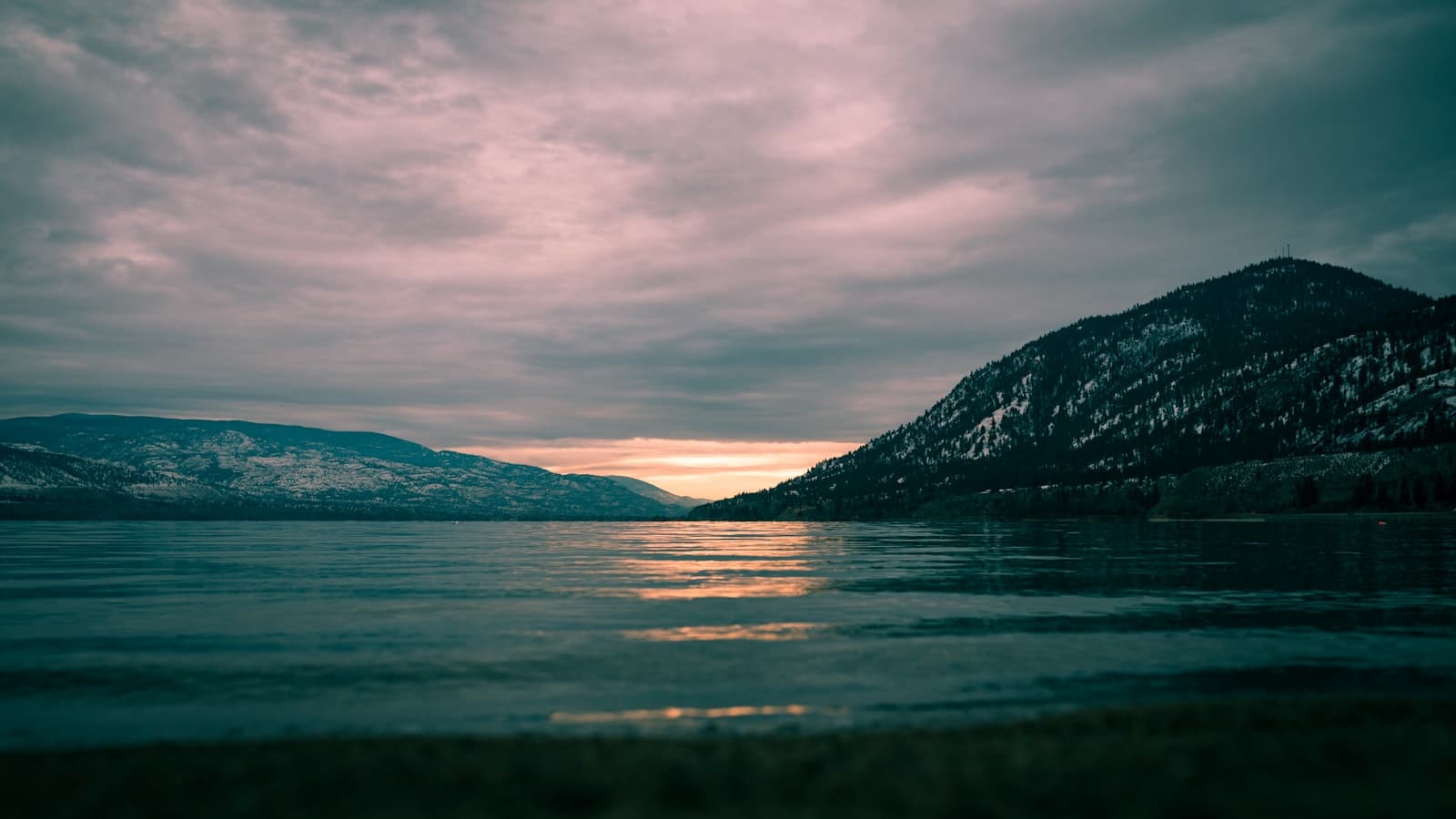
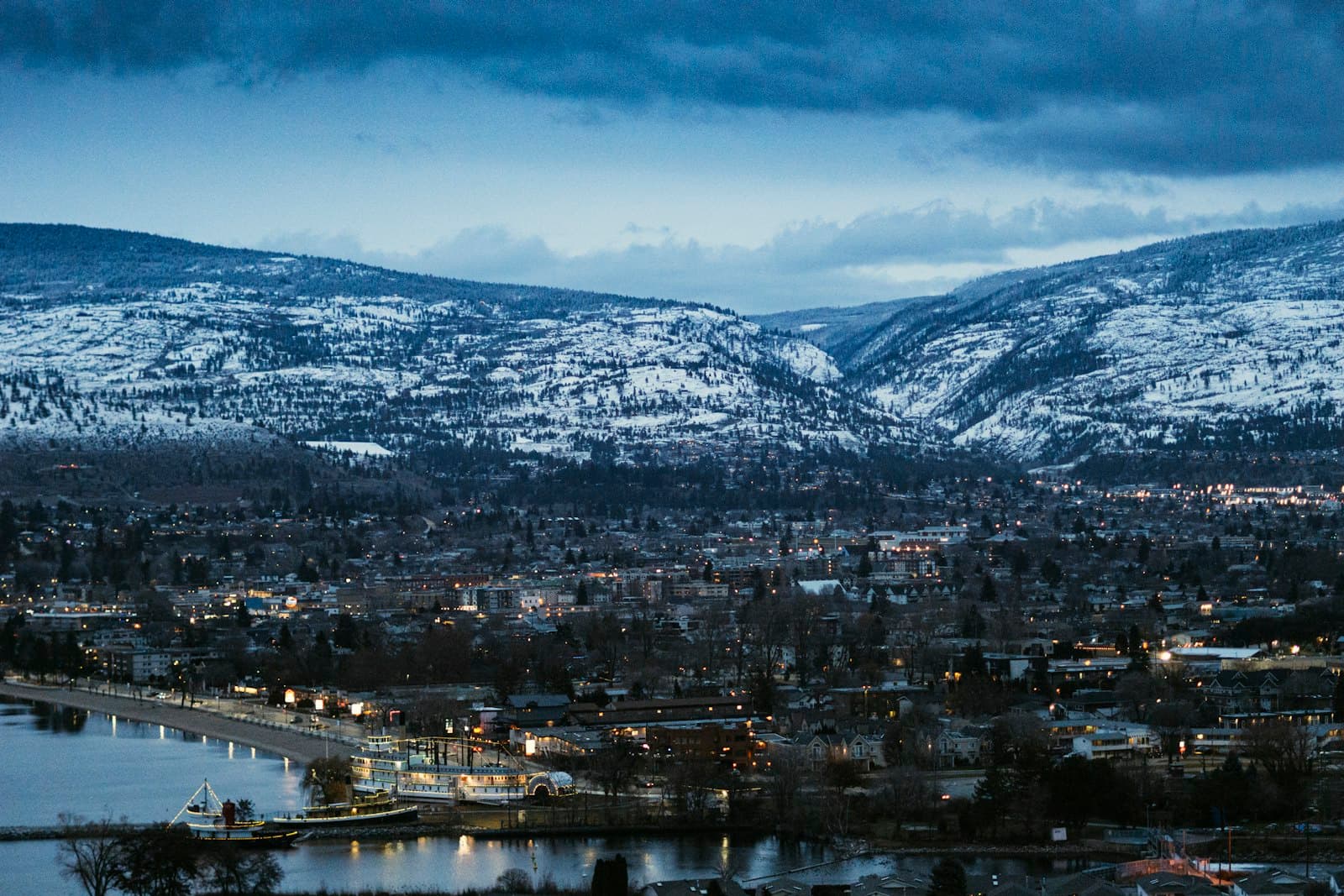
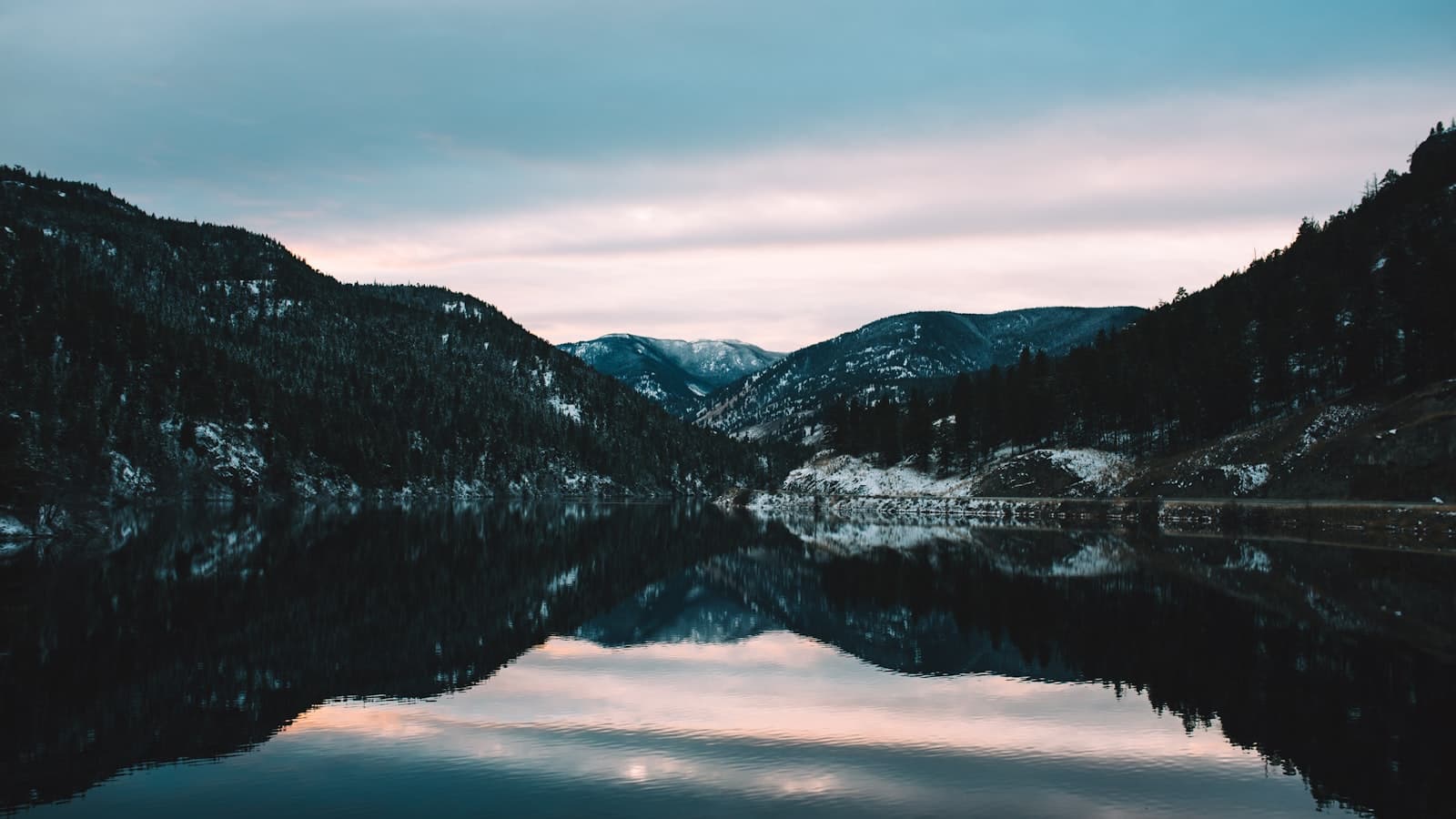
Il tuo tour audio autoguidato di Penticton è pronto — scegli i tuoi punti di interesse, seleziona la tua lingua e inizia nel momento in cui arrivi.
AcquistaLume include una guida in realtà aumentata. Alza il telefono: la fotocamera mostra la strada davanti a te, con una freccia luminosa sovrapposta all'immagine reale che punta sempre verso la tua prossima tappa — nessuna mappa da decifrare, nessuna svolta sbagliata. Come tutto in Lume, funziona completamente offline.
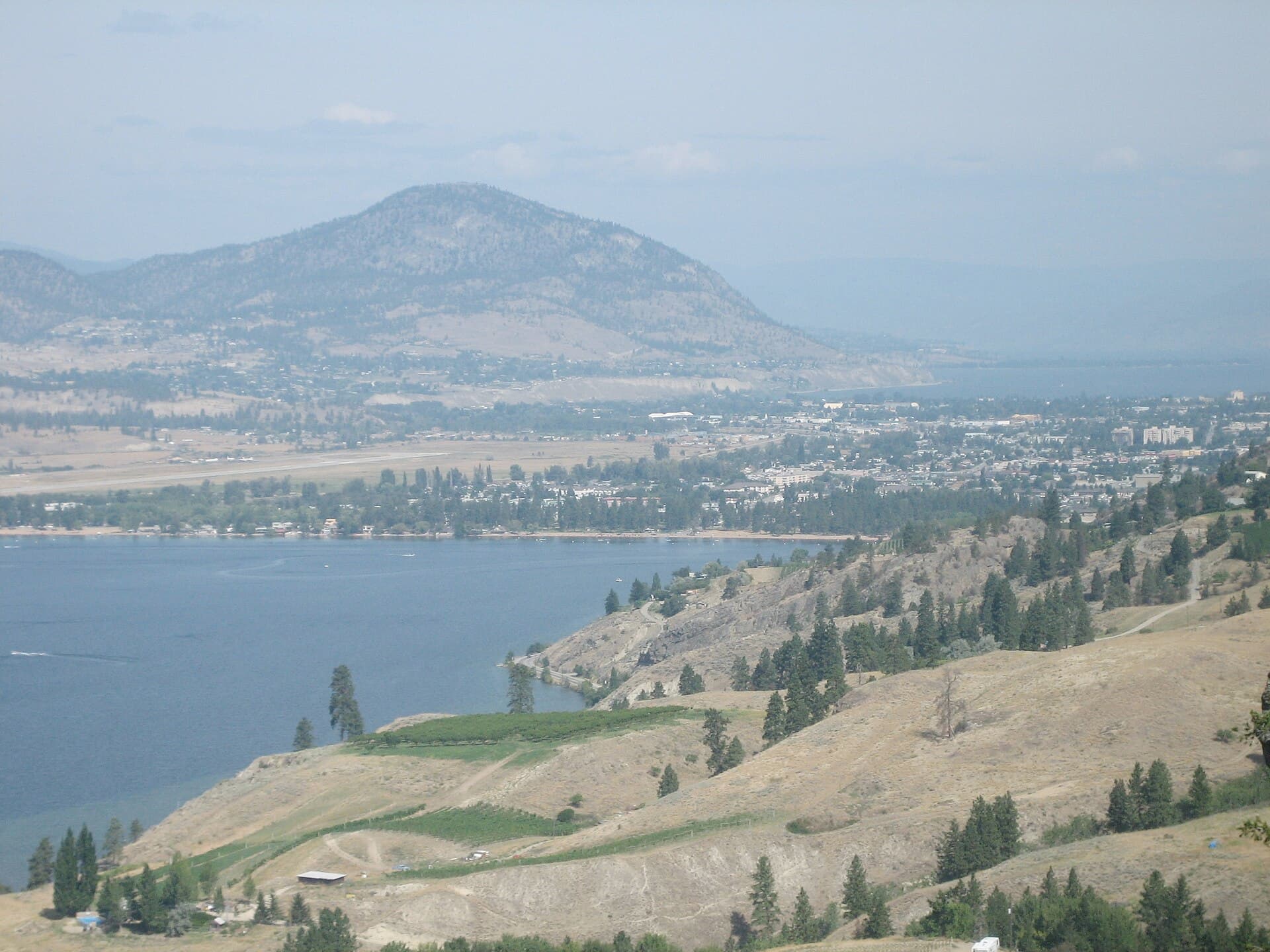
Penticton, British Columbia, è una città definita dalla sua geografia unica, situata tra due vasti laghi d'acqua dolce: il lago Okanagan a nord e il lago Skaha a sud. Questa posizione privilegiata nella Okanagan Valley ha plasmato la sua identità, offrendo sia un clima mite e semi-arido che un'abbondanza di attrazioni naturali. Conosciuta come la 'Peach City' (Città delle Pesche) per la sua lunga storia di frutticoltura, Penticton si è evoluta in una destinazione celebrata per le sue cantine di livello mondiale, la fiorente scena della birra artigianale e le abbondanti opportunità di svago all'aperto.
Il nome stesso della città, derivato dalla parola Salish interna 'snpintktn', si traduce in 'un posto dove stare per sempre', o più accuratamente, 'un posto dove la gente vive tutto l'anno', riflettendo l'appeal duraturo dell'area e le abbondanti risorse per i popoli delle Prime Nazioni Syilx che hanno abitato queste terre per oltre 7.000 anni. Oggi, Penticton bilancia il suo patrimonio con uno stile di vita moderno e rilassato, invitando i visitatori a esplorare il suo fascino lacustre, le delizie culinarie e lo spirito avventuroso.
La storia di Penticton risale a oltre 7.000 anni fa, con il popolo Syilx (Okanagan), del gruppo linguistico Salish interno, come primi abitanti della terra. Inizialmente chiamarono l'area 'Phthauntac', che significa 'il luogo d'incontro ideale', e in seguito 'Penticton', che significa 'un posto dove stare per sempre' o 'un posto dove la gente vive tutto l'anno', una testimonianza del clima favorevole e delle abbondanti risorse della regione. Il popolo Syilx si stabilì intorno ai due laghi, Okanagan e Skaha (originariamente conosciuto come Dog Lake), e i loro discendenti formano oggi la Penticton Indian Band.
Il primo colono europeo arrivò nel 1865 quando l'immigrato irlandese Thomas Ellis stabilì un ranch di bestiame che alla fine si estendeva da Naramata al confine americano. Nel 1892, Ellis si ritirò e vendette una parte della sua terra, portando allo sviluppo di un sito urbano, con Front Street che divenne la sua prima strada. I primi marciapiedi erano fatti di legno e lampade a petrolio illuminavano la strada.
Penticton fu incorporata come municipalità distrettuale il 31 dicembre 1908, con una popolazione di 600 abitanti. La fiorente industria orticola, in particolare delle mele, iniziò a prosperare, con i residenti che imballavano la frutta per la distribuzione mondiale. Il trasporto inizialmente dipendeva dall'acqua, con piroscafi come la SS Sicamous, conosciuta come la 'Regina del Lago', che giocavano un ruolo cruciale nel collegare le comunità lungo il lago Okanagan.
Un punto di svolta significativo arrivò nel 1910 con l'annuncio che Penticton sarebbe stata la sede della nuova Kettle Valley Railway. La ferrovia, completata nel 1915, collegava la costa alle Kootenays, portando posti di lavoro e aumentando la popolazione della città, che più che raddoppiò. La ferrovia forniva anche un trasporto efficiente per i prodotti locali, aiutando ulteriormente l'industria della frutta. Tuttavia, la strada provinciale che aprì nel 1948 tra Hope e Princeton portò concorrenza, e la sede della ferrovia a Penticton bruciò nel 1964. Gran parte del percorso originale della ferrovia è stato da allora convertito nel Kettle Valley Rail Trail multiuso, parte della Trans Canada Trail.
Penticton fu ufficialmente incorporata come città il 10 maggio 1948, a seguito di un boom demografico del dopoguerra. La metà del XX secolo vide significative costruzioni, tra cui un nuovo municipio e la canalizzazione del fiume Okanagan. Nel 1955, la città ottenne riconoscimenti internazionali quando la squadra di hockey dei Penticton Vees vinse la Coppa del Mondo. Oggi, Penticton continua a prosperare, riconosciuta come una delle principali regioni vinicole del Canada e una destinazione popolare per la sua agricoltura, il turismo e le attrazioni culturali.
Inizia la tua esplorazione al SS Sicamous Inland Marine Museum, un grande sternwheeler permanentemente arenato sul lago Okanagan. È la più grande nave sopravvissuta del suo genere in Canada e offre uno sguardo sulla storia dei trasporti della regione con cabine restaurate, una sala da pranzo e il timone del capitano. Per ampie vedute della città, del lago Okanagan e dei vigneti circostanti, dirigiti verso il Munson Mountain Lookout, sede dell'iconico cartello 'PENTICTON'.
Passeggia lungo la Okanagan Lake Promenade su Lakeshore Drive, un sentiero lastricato che si estende per diversi chilometri, offrendo viste sul lago e sul cartello di Munson Mountain. Lungo questa passeggiata, scopri il tranquillo Ikeda Japanese Garden, uno spazio sereno con sentieri tortuosi, uno stagno di carpe koi e un paesaggio giapponese tradizionale, che simboleggia la relazione di città gemellate tra Penticton e Ikeda, Giappone.
Gli appassionati di attività all'aperto possono esplorare una sezione del Kettle Valley Rail Trail, un percorso multiuso costruito su una linea ferroviaria dismessa, che offre viste panoramiche sul lago, sui frutteti e sui vigneti. Per un'esperienza estiva unica, galleggia lungo il 'Channel' di 7 km tra il lago Okanagan e il lago Skaha. Penticton è anche rinomata per le sue cantine, con oltre 80 nel raggio di 20 minuti di guida, e per una fiorente scena della birra artigianale, che le è valso il titolo di Capitale della Birra Artigianale del Canada nel 2020.
Penticton sperimenta quattro stagioni distinte, con un clima semi-arido che offre estati calde e secche e inverni miti. Il periodo migliore per le attività all'aperto è da metà luglio a metà agosto, quando le temperature medie giornaliere massime possono raggiungere circa 29°C e le precipitazioni sono minime, perfette per spiagge e sport acquatici. Anche la primavera (marzo-maggio) e l'autunno (settembre-ottobre) sono eccellenti, con temperature piacevoli, meno folla e paesaggi naturali con i vigneti in fiore o in preparazione per la vendemmia. L'inverno offre opportunità per sciare e ciaspolare presso l'Apex Mountain Resort nelle vicinanze, con temperature miti per una città canadese non costiera.
Penticton è facilmente raggiungibile, con la Highway 97 che funge da principale arteria nord-sud attraverso la città. I tempi di percorrenza sono di circa 4 ore da Vancouver e 40 minuti a sud di Kelowna. L'Aeroporto Regionale di Penticton (YYF) offre anche opzioni di viaggio aereo. Una volta a Penticton, molte attrazioni, in particolare lungo il lungomare del lago Okanagan e il centro, sono raggiungibili a piedi.
Per spostarsi, considera il trasporto pubblico locale o il noleggio di un'auto per esplorare la più ampia Okanagan Valley, comprese le numerose cantine. Il Kettle Valley Rail Trail è ideale per andare in bicicletta o a piedi. Le sistemazioni vanno dai resort sul lungolago agli affascinanti agriturismi nella zona di Naramata Bench. Controlla sempre DriveBC per le condizioni stradali attuali, specialmente durante l'inverno o dopo forti piogge, poiché le chiusure stradali possono verificarsi.
Penticton — coreano, cinese, ebraico e altre 29 lingue, ogni tappa narrata da una voce madrelingua. La più ampia scelta di lingue tra i tour audio autoguidati.
Disponibile in: