Арка Скалы Персе
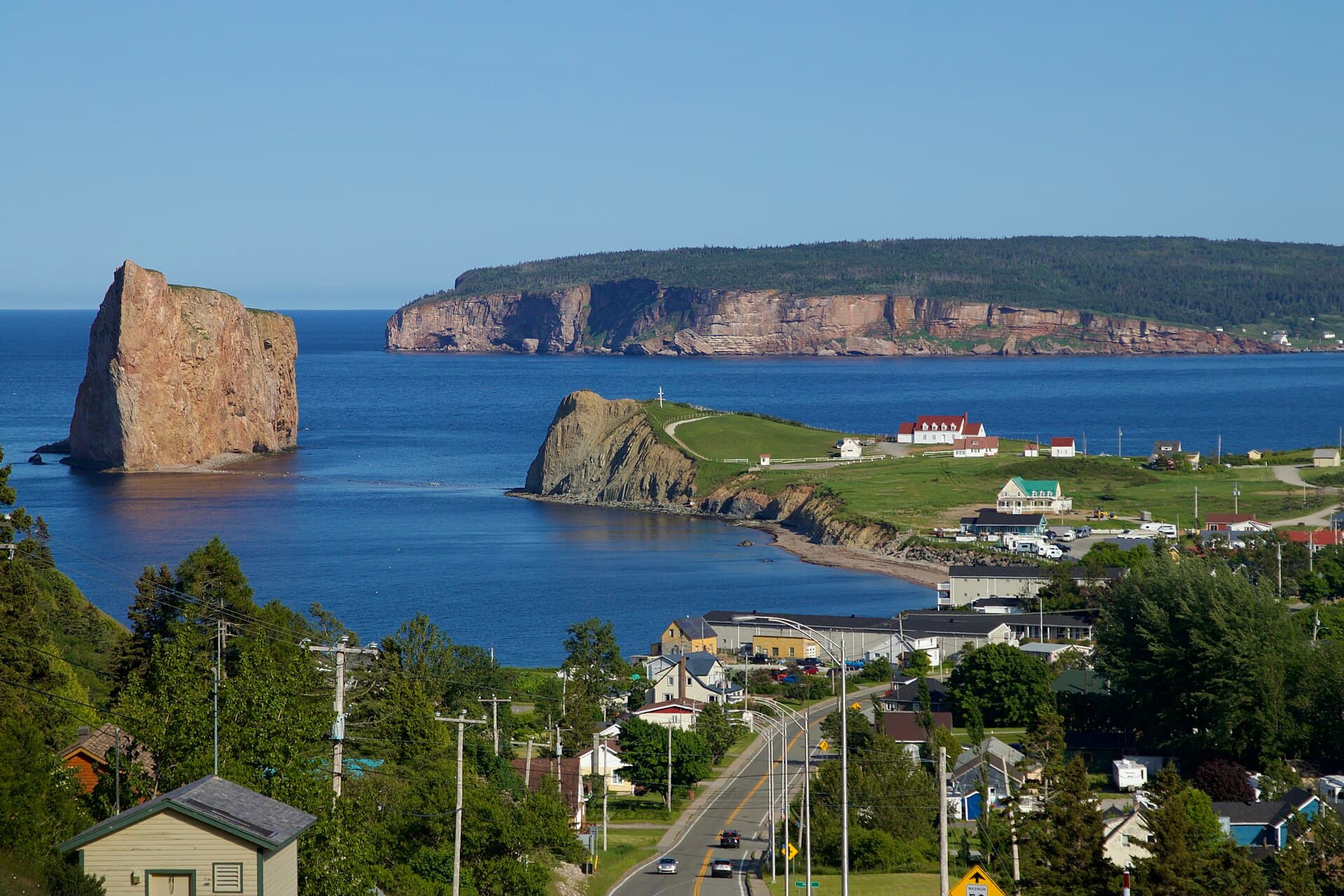
Знаменитая арка Скалы Персе, природное чудо, не всегда выглядела так, как сегодня.
Полная история открывается в туре
 Hayden Soloviev / CC BY 4.0, via Wikimedia Commons
Самостоятельная аудиопрогулка по Персе — GPS-маршрут, офлайн-воспроизведение, увлекательное повествование на 32 языках.
“Где земля заканчивается и начинаются легенды, высеченные морем.”
Не открытки. Истории, которые не знают даже местные жители — шепотом в вашем ухе, прямо там, где они произошли.
Знаменитая арка Скалы Персе, природное чудо, не всегда выглядела так, как сегодня.
Помимо своих пернатых обитателей, остров Бонавантюр хранит более тихий, человеческий рассказ, который часто упускают из виду.
Хотя Персе славится своими прибрежными видами, местный секрет предлагает освежающий побег вглубь страны.
Откройте для себя каждый секрет Персе
Каждый адрес, каждое полное раскрытие — в вашем ухе, прямо там, где это произошло.
Вы выбираете остановки. Вы гуляете. Голос раскрывает то, что упускают другие.


Ваш самостоятельный аудиотур по Персе готов — выберите свои достопримечательности, выберите свой язык и начните в момент прибытия.
КупитьВ Lume встроен гид дополненной реальности. Поднимите телефон: камера показывает улицу перед вами, а поверх реального изображения светится стрелка, всегда указывающая на вашу следующую остановку — не нужно разбираться с картой и сворачивать не туда. Как и всё в Lume, это работает полностью офлайн.
Percé, город на самом краю полуострова Гаспе в Квебеке, — это место, где твердая земля и океанские воды встречаются в драматическом объятии. Его название, означающее «пронзенный» по-французски, напрямую отсылает к его самому узнаваемому ориентиру — Скале Персе. Это колоссальное известняковое образование, возвышающееся над заливом Святого Лаврентия, издалека напоминает парусное судно и является геологической и исторической эмблемой Квебека.
С населением около 3000 человек Персе сохраняет гостеприимную, интимную атмосферу, где повседневная жизнь разворачивается в ритме волн и криков морских птиц. Город является значимым туристическим направлением, привлекающим более 500 000 посетителей ежегодно, которые приезжают сюда ради его живописных пейзажей, чистого морского воздуха и возможности отключиться от городской суеты. Персе и его окрестности представляют собой сочетание природных чудес, культурных встреч и непринужденного темпа, что делает его уникальным канадским убежищем.
История Персе уходит далеко в прошлое, до европейского заселения, когда коренные народы микмаки сделали эти земли своим домом. Они назвали эту местность Sigsôg, что означает «крутые скалы» или «утесы», и Pelseg, «рыболовное место». Европейская история в регионе официально началась в 1534 году, когда Жак Картье ступил на полуостров Гаспе и объявил территорию владением французской короны. В 1603 году Самюэль де Шамплен посетил этот район и назвал знаменитую скалу «Isle Percée» (Пронзенный остров), имя, которое в конечном итоге было принято самим поселением.
На протяжении XVII века Персе функционировал в основном как сезонный рыболовный центр и место остановки кораблей, направлявшихся в Квебек. Обилие трески в прибрежных водах сделало его одним из важнейших рыболовных пунктов в заливе Святого Лаврентия. Береговая линия и климат были идеальны для сушки рыбы, основного метода консервации того времени. Постоянное заселение началось в начале XIX века с прибытием ирландцев, франкоканадцев и жителей Джерси. Приход Сен-Мишель-де-Персе был основан в 1801 году.
Рыболовная промышленность Персе значительно выросла с основанием компании Charles Robin, возглавляемой предпринимателями с острова Джерси. Их мощная торговая инфраструктура привнесла элементы британских и нормандских традиций, смешавшись с существующей франкоканадской культурой. К концу XIX века, хотя рыболовство оставалось важным, регион начал привлекать путешественников. Этот сдвиг ознаменовал новую экономическую главу для Персе, и туризм постепенно стал основной экономической деятельностью города. Природное великолепие города и очарование Скалы Персе с тех пор укрепили его репутацию ведущего туристического направления в Квебеке и Канаде.
Бесспорным центром внимания в Персе является Скала Персе (Rocher Percé), колоссальное известняковое образование, доминирующее над морским пейзажем. Во время отлива песчаная коса соединяет скалу с материком, позволяя посетителям подойти к ней, хотя приближаться к стенам не рекомендуется из-за опасности падения камней. Для другого ракурса предлагаются морские прогулки вокруг Скалы Персе и на остров Бонавантюр (Île Bonaventure), птичий заповедник, где обитает самая доступная и крупнейшая в мире колония северных олуш, насчитывающая более 100 000 птиц. На острове также есть пешеходные тропы и исторические рыбацкие коттеджи.
Геопарк ЮНЕСКО Персе предлагает более 18 км пешеходных троп, включая подвесную стеклянную смотровую площадку, с которой открываются захватывающие виды на город и побережье. Экспериментальный павильон Геопарка «Tektonik» исследует геологическую историю Скалы Персе. Вернувшись в город, прогуляйтесь по главной улице (Rue Principale), где расположены художественные галереи, студии и магазины, продающие местные ремесла и сувениры из агата. Исторический генеральный магазин L'Anse-à-Beaufils, построенный в 1928 году, функционирует как музей живой истории, демонстрируя старинные сухие товары и сельскохозяйственное оборудование.
Самое приятное время для посещения Персе — летние месяцы, с июня по август, когда температура комфортная, в среднем около 18-21°C. Этот период является самым оживленным сезоном, с оживленной атмосферой и широким спектром доступных мероприятий, включая наблюдение за китами, которое длится с мая по октябрь. Конец лета и начало осени (сентябрь — середина октября) также предлагают приятную погоду и меньше толп, хотя некоторые услуги могут работать по сокращенному графику. Зимы холодные и долгие, с температурами, опускающимися до -5°C в феврале.
Персе расположен на Провинциальной трассе 132, примерно в 750 км к востоку от города Квебек, поездка занимает около восьми часов. Хотя поездка на автомобиле является наиболее распространенным способом прибытия, автобусное сообщение также доступно из различных городов Квебека. Сам город легко обойти пешком, и многие достопримечательности легко доступны. Билеты на морские экскурсии на остров Бонавантюр и вокруг Скалы Персе можно приобрести непосредственно у операторов в Туристическом порту. Рекомендуется заранее бронировать жилье и популярные экскурсии, особенно в пик сезона. Погода на побережье Атлантики может быть непредсказуемой, даже летом, поэтому возьмите с собой многослойную одежду, включая ветрозащитную куртку и дождевик. По состоянию на май 2022 года в Персе введен сбор в размере 1 доллара для нерезидентов за транзакции свыше 10 долларов в ресторанах, туристических достопримечательностях и сувенирных магазинах, а также дополнительный сбор в размере 1 доллара за ночь проживания в отеле для поддержания туристической инфраструктуры.
Персе: корейский, китайский, иврит и ещё 29 языков — каждую остановку озвучивает носитель языка. Самый широкий выбор языков среди аудиоэкскурсий без гида.
Доступные языки: