Plaza Bolívar
Na praça central da cidade, a estátua de um renomado libertador adota uma pose inesperadamente franca.
História completa desbloqueada no tour
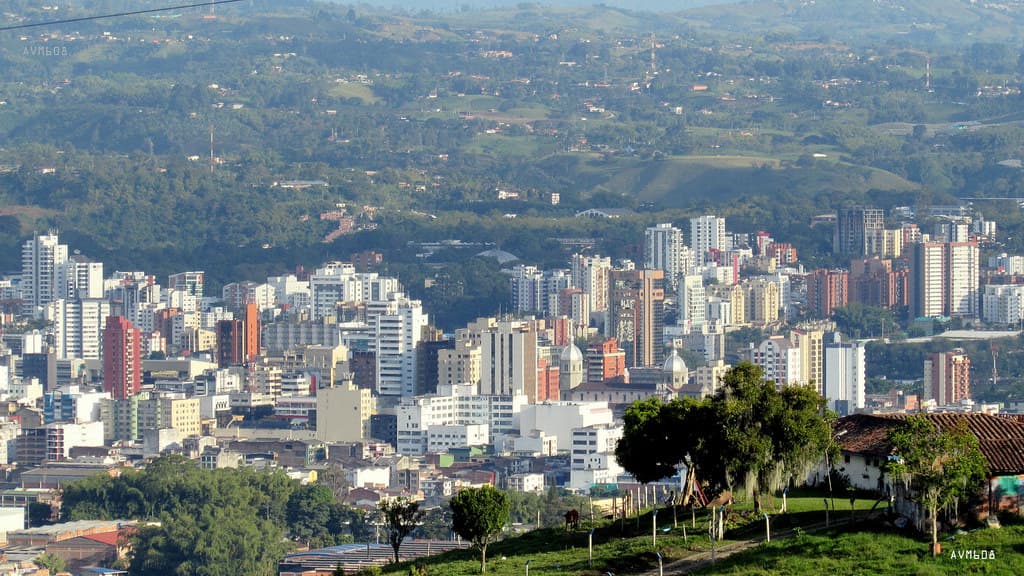 SebastianJPereira / CC BY-SA 4.0, via Wikimedia Commons
Tour de áudio autoguiado por Pereira — rota GPS a pé, reprodução offline, narração envolvente em 32 idiomas.
“Pereira: A Cidade Sem Portões, onde o aroma do café flutua pelas montanhas andinas.”
Não os postais. As histórias que nem os locais conhecem — sussurradas ao seu ouvido, exatamente onde aconteceram.
Na praça central da cidade, a estátua de um renomado libertador adota uma pose inesperadamente franca.
O aeroporto de Pereira já abrigou uma atração única que atraía visitantes por mais do que apenas voos.
Embora movimentado durante o dia, certas áreas do centro de Pereira se transformam após o pôr do sol, tornando-se menos convidativas.
Descubra cada segredo de Pereira
Cada endereço, cada revelação na íntegra — no seu ouvido, exatamente onde aconteceu.
Você escolhe as suas paragens. Você caminha. A voz revela o que os outros perdem.
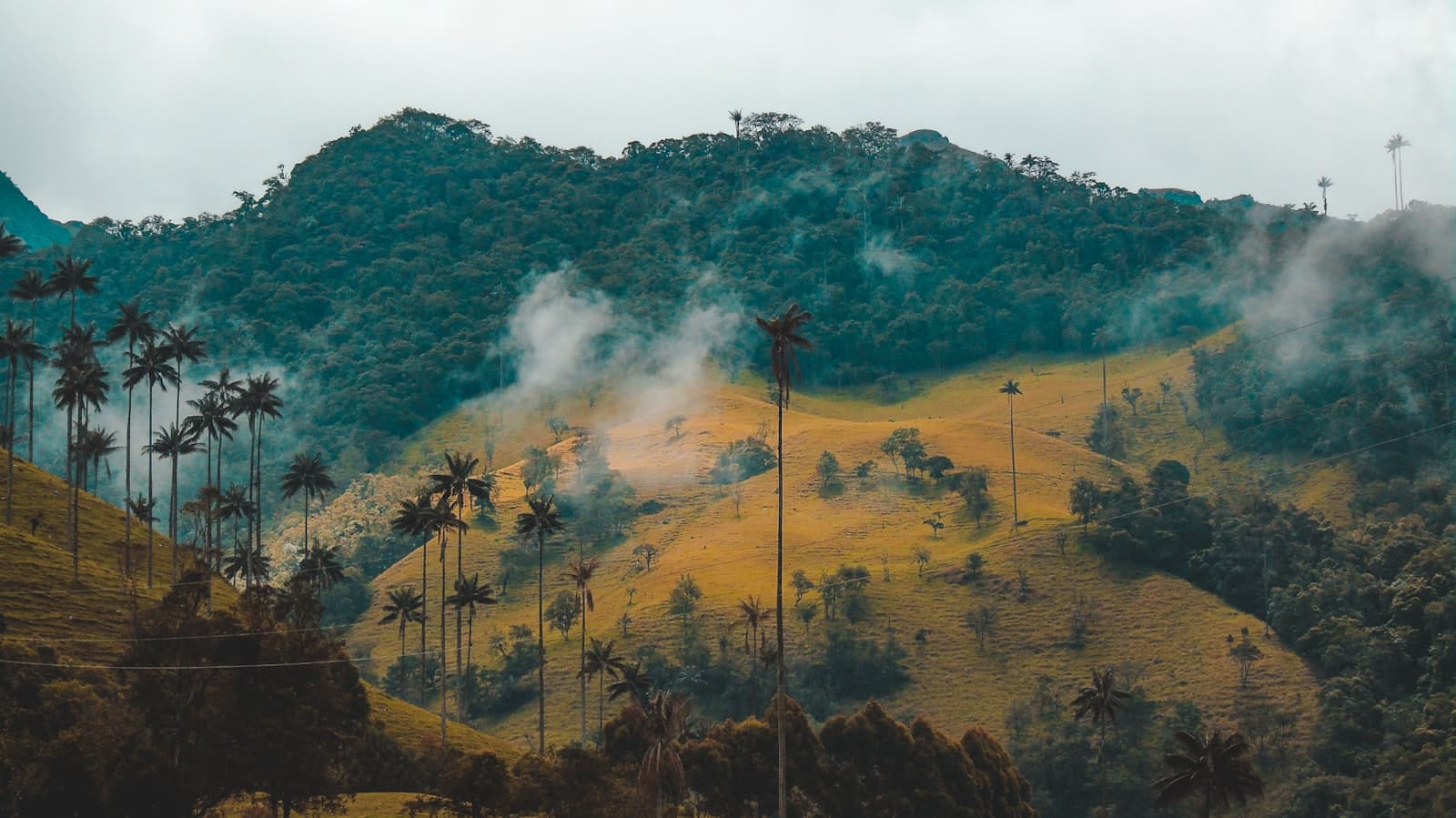
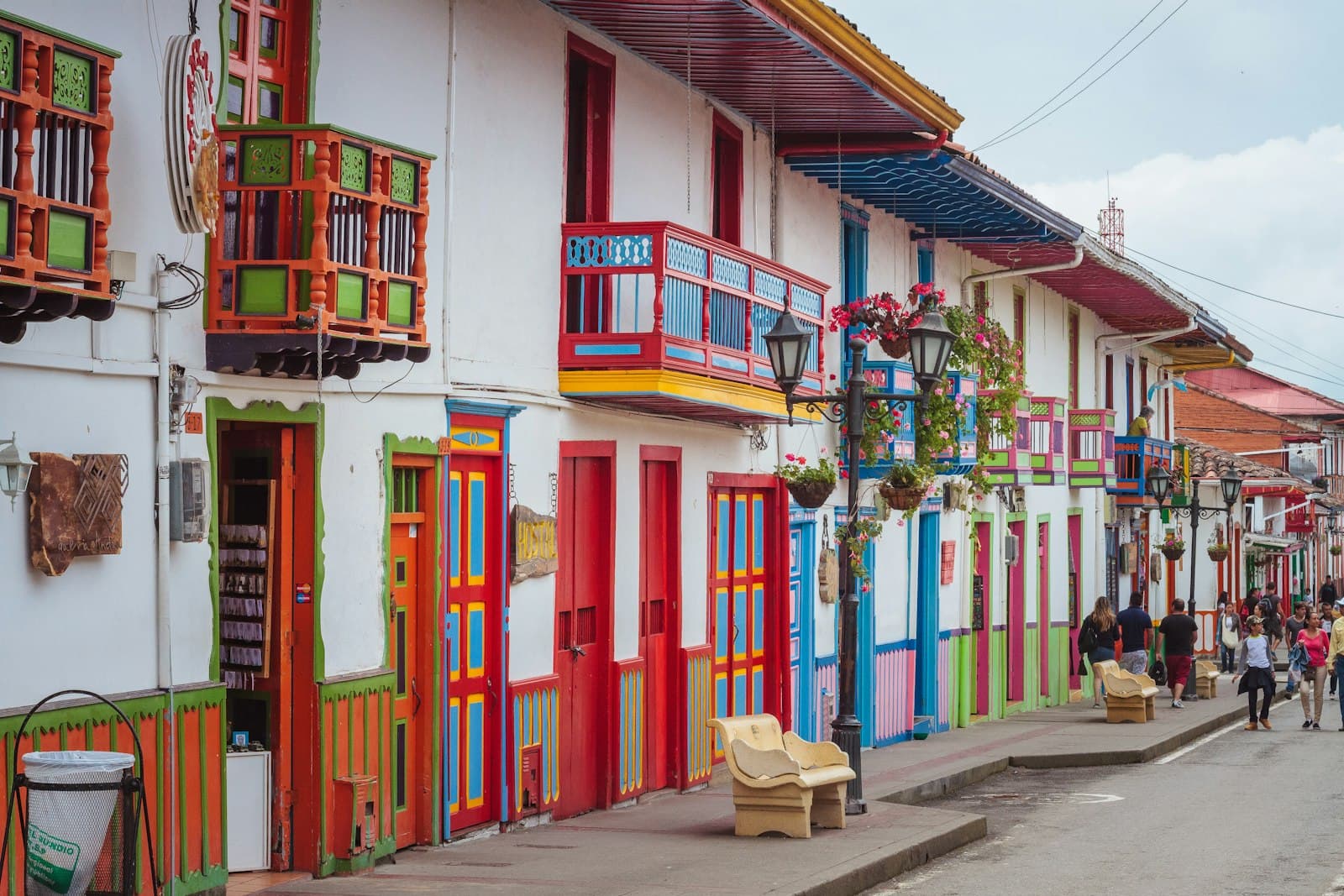
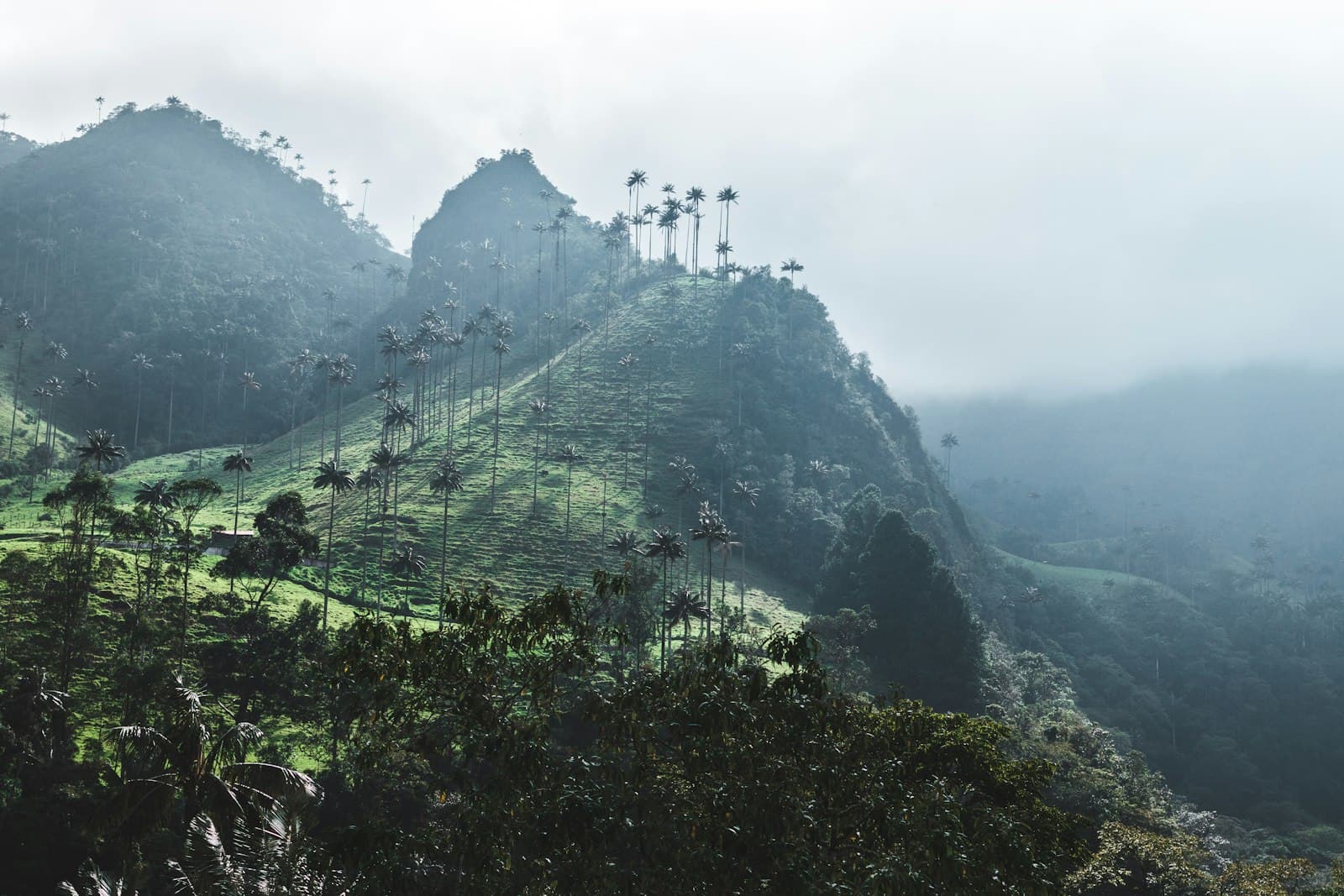
O seu tour áudio autoguiado de Pereira está pronto — escolha os seus pontos de interesse, selecione o seu idioma e comece no momento em que chegar.
ComprarA Lume inclui um guia de realidade aumentada. Levante o telemóvel: a câmara mostra a rua à sua frente, com uma seta luminosa sobreposta à imagem real que aponta sempre para a sua próxima paragem — sem mapa para decifrar, sem voltas erradas. Como tudo na Lume, funciona totalmente offline.
Pereira, a capital do departamento de Risaralda, é uma cidade dinâmica no centro-oeste da Colômbia, situada nas estribações andinas. É um centro urbano significativo dentro da Paisagem Cultural do Café, Patrimônio Mundial da UNESCO, servindo como um centro primário para a produção de café e comércio regional. Conhecida como 'A Cidade Sem Portas', Pereira incorpora um espírito aberto e acolhedor, tornando-a uma base estratégica para explorar a região cafeeira mais ampla.
Com uma população de aproximadamente 482.000 habitantes, Pereira é uma das cidades de médio porte da Colômbia, formando parte da Área Metropolitana Centro-Oeste com as vizinhas Dosquebradas e La Virginia. A cidade oferece uma mistura de energia urbana e acesso a ambientes naturais verdejantes, desde florestas nubladas a fontes termais. Seu clima agradável durante todo o ano, com temperaturas médias entre 18°C e 28°C (64-82°F), contribui para seu apelo como um destino habitável e explorável.
A identidade de Pereira está profundamente entrelaçada com o café, influenciando sua cultura, vida diária e economia. Os visitantes podem experimentar o turismo de café em primeira mão, explorando plantações e aprendendo sobre o processo de produção. Além do café, a cidade oferece uma porta de entrada para aventuras ao ar livre, locais culturais e uma atmosfera relaxada e amigável que atrai tanto visitantes de curto prazo quanto aqueles que buscam um estilo de vida equilibrado.
O território que hoje é Pereira foi originalmente habitado pelo povo Quimbaya durante o período pré-colonial. Este grupo indígena era conhecido por seu avançado trabalho em ouro, cerâmica e práticas agrícolas nas estribações andinas do vale do Rio Cauca Médio. Eles mantinham rotas comerciais de sal e ouro, mas viviam em aldeias dispersas em vez de grandes assentamentos permanentes.
Em 1540, conquistadores espanhóis estabeleceram a cidade de Cartago neste local, que se tornou um ponto importante nas rotas coloniais. No entanto, ataques constantes de comunidades indígenas levaram os residentes a realocar Cartago em 1691, deixando o assentamento original em ruínas. A área ficou em grande parte abandonada até 1816, quando o combatente pela independência Francisco Pereira Martínez buscou refúgio entre as ruínas durante as guerras de libertação.
A fundação da cidade moderna começou em 30 de agosto de 1863, quando o Padre Antonio Remigo Cañarte e um grupo de colonos estabeleceram uma nova comunidade chamada Cartago Viejo (Velha Cartago) no local anterior. Apenas seis anos depois, em 1869, o assentamento foi renomeado para Pereira em homenagem a Francisco Pereira Martínez, que havia comprado as terras públicas com a visão de criar uma nova cidade.
O final do século XIX marcou o início do boom do café, um período crucial que transformou Pereira e toda a região em um centro de produção de café colombiano de alta qualidade. Essa mudança econômica atraiu milhares de migrantes, particularmente da região de Antioquia, contribuindo para o rápido desenvolvimento de Pereira e sua mistura cultural única. A localização estratégica da cidade no vale do Rio Otún, com seus solos vulcânicos férteis, provou ser ideal para o cultivo de café.
Pereira continuou a crescer, com a Universidade Tecnológica de Pereira fundada em 1958, estabelecendo-a como um importante centro educacional e científico. Em 1966, Pereira tornou-se a capital administrativa do recém-criado Departamento de Risaralda. A cidade também enfrentou desafios, incluindo um poderoso terremoto em 1999 que causou danos significativos, levando a extensas reconstruções e modernização de sua infraestrutura urbana. Apesar desses contratempos, Pereira evoluiu para um importante centro econômico e cultural, com sua Paisagem Cultural do Café reconhecida como Patrimônio Mundial da UNESCO em 2011.
Pereira oferece uma variedade de experiências, desde marcos urbanos a refúgios naturais. Em seu coração fica a Plaza Bolívar, uma praça movimentada com a icônica estátua 'Bolívar Desnudo' (Bolívar Nu), uma escultura em bronze de Simón Bolívar a cavalo nu. Perto dali, a Catedral Nuestra Señora de la Pobreza remonta à fundação da cidade em 1863, embora tenha sido reconstruída após o terremoto de 1999.
Para um vislumbre do passado, a Casa Ochoa (Carrera 7, Calle 22), construída em 1893, é o edifício mais antigo da cidade e um belo exemplo da arquitetura bahareque, caracterizada por sua estrutura de argila e bambu e cores vibrantes. O Viaduto César Gaviria Trujillo, concluído em 1997, conecta Pereira a Dosquebradas e é uma das pontes estaiadas mais longas da América do Sul, oferecendo engenharia impressionante e vistas panorâmicas.
Entusiastas da natureza podem explorar o Jardim Botânico da Universidade Tecnológica de Pereira, conhecido por sua flora e fauna diversificadas, e por sediar o Festival de Aves de Risaralda. A poucos quilômetros da cidade, o Santuário de Vida Selvagem Otún Quimbaya é uma reserva protegida ideal para observação de pássaros e macacos bugios. Para um banho relaxante, as Fontes Termais de Santa Rosa de Cabal são um local popular a uma curta distância de carro.
Nenhuma visita a Pereira está completa sem se envolver com sua cultura cafeeira. Numerosas fazendas de café na região circundante oferecem passeios para aprender sobre cultivo, processamento e degustação. A cidade também serve como porta de entrada para o famoso Vale do Cocora, lar de imponentes palmeiras de cera, e cidades coloniais atraentes como Salento e Filandia.
Pereira mantém um clima ameno e consistente durante todo o ano, com temperaturas médias entre 18°C e 28°C (64-82°F). Embora a chuva seja frequente, os meses mais secos, geralmente considerados os melhores para atividades ao ar livre, são de dezembro a março e de meados de junho a início de setembro. Janeiro é particularmente favorável, com menor precipitação e céu limpo, ideal para passeios de um dia a lugares como o Vale do Cocora. A maior celebração da cidade, as Festas da Colheita (Fiestas de la Cosecha), acontece por duas semanas a partir de meados de agosto, oferecendo desfiles, música ao vivo e um desfile de Jeep Willys. Durante as altas temporadas de viagem (dezembro-janeiro, julho-agosto e Semana Santa), espere preços de acomodação mais altos.
O Aeroporto Internacional Matecaña de Pereira (PEI) é o principal ponto de acesso, oferecendo conexões nacionais e internacionais e localizado a uma curta viagem de táxi de 10-15 minutos do centro da cidade. Dentro da cidade, os ônibus públicos são uma forma acessível e conveniente de se locomover, com táxis facilmente disponíveis por meio de aplicativos como Beat ou DiDi para transparência. O centro da cidade é caminhável, permitindo a exploração a pé.
Embora geralmente seguro, é aconselhável estar ciente de seus arredores, especialmente à noite em certas áreas de El Centro. Evite exibir objetos de valor e use transporte confiável. Compreender frases básicas em espanhol pode aprimorar sua experiência, pois os colombianos apreciam o esforço. A culinária local apresenta pratos fartos como a bandeja paisa, e vendedores de rua oferecem arepas e buñuelos. Grãos de café locais de alta qualidade estão disponíveis para compra em toda a cidade.
Pereira — coreano, chinês, hebraico e mais 29 idiomas, cada parada narrada por uma voz nativa. A maior variedade de idiomas entre os passeios de áudio autoguiados.
Disponível em: