Piazza del Popolo
Величественный фонтан на главной площади Пезаро, Пьяцца дель Пополо, кажется шедевром XVII века, но его история имеет удивительный современный поворот.
Полная история открывается в туре
 Alessandro Vecchi / CC BY-SA 3.0, via Wikimedia Commons
Самостоятельная аудиопрогулка по Пезаро — GPS-маршрут, офлайн-воспроизведение, увлекательное повествование на 32 языках.
“Где эхо Ренессанса встречается с адриатическим бризом.”
Не открытки. Истории, которые не знают даже местные жители — шепотом в вашем ухе, прямо там, где они произошли.
Величественный фонтан на главной площади Пезаро, Пьяцца дель Пополо, кажется шедевром XVII века, но его история имеет удивительный современный поворот.
Джоакино Россини, прославленный композитор «Севильского цирюльника», родился в Пезаро, но не провел там большую часть своей жизни.
Пезаро известен своими обширными песчаными пляжами, но есть уникальный местный деликатес, который вы можете встретить на пицце, сочетающей неожиданные ингредиенты.
Откройте для себя каждый секрет Пезаро
Каждый адрес, каждое полное раскрытие — в вашем ухе, прямо там, где это произошло.
Вы выбираете остановки. Вы гуляете. Голос раскрывает то, что упускают другие.


Ваш самостоятельный аудиотур по Пезаро готов — выберите свои достопримечательности, выберите свой язык и начните в момент прибытия.
КупитьВ Lume встроен гид дополненной реальности. Поднимите телефон: камера показывает улицу перед вами, а поверх реального изображения светится стрелка, всегда указывающая на вашу следующую остановку — не нужно разбираться с картой и сворачивать не туда. Как и всё в Lume, это работает полностью офлайн.
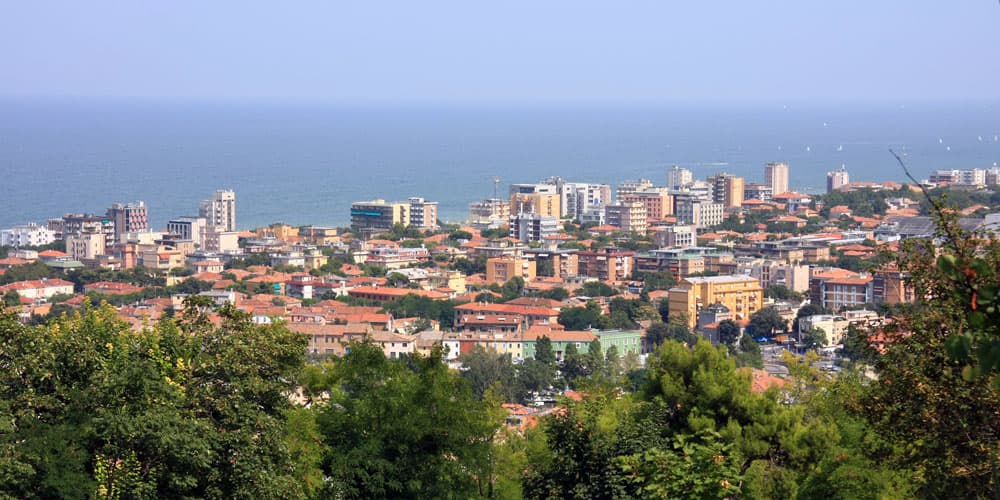
Пезаро, прибрежный город в итальянском регионе Марке, предлагает сочетание пляжного отдыха и глубокого культурного наследия. Он расположен на Адриатическом море, по бокам которого возвышаются холмы Монте-Ардицио и Монте-Сан-Бартоло; последний дал название природному парку. Пезаро, признанный культурной столицей Италии в 2024 году и городом музыки ЮНЕСКО в 2017 году, неразрывно связан со своим самым известным сыном, композитором оперы Джоакино Россини.
Город обладает двойным очарованием: оживленная набережная с семикилометровыми песчаными пляжами и исторический центр, наполненный архитектурой эпохи Возрождения и оживленными площадями. Пезаро также известен как «Город велосипедов» благодаря обширной сети велосипедных дорожек «bicipolitana», соединяющих различные части города и побережья. Этот экологичный подход делает исследование города и его природных окрестностей легким и приятным.
История Пезаро уходит корнями в древние времена: археологические данные свидетельствуют о том, что этот район был заселен пиценами в Железном веке. Город был официально основан римлянами как Пизарум в 184 г. до н. э., первоначально служил консилиабулумом, а затем развился в римскую колонию. После падения Западной Римской империи Пезаро был разрушен остготами в 536 г. н. э. Однако он был быстро восстановлен и укреплен византийским полководцем Велизарием, став стратегическим опорным пунктом и частью византийской Пентаполии (состоящей из Анконы, Синигалии, Фано, Пезаро и Римини).
На протяжении Средневековья Пезаро был спорной территорией, находился под властью лангобардов, а затем был передан Папскому государству в 774 г. н. э. Город по-настоящему расцвел в эпоху Возрождения под последовательным правлением могущественных итальянских дворянских семей. Примерно с 1285 года им управляло семейство Малатеста, которое заказало первоначальную структуру Палаццо Дукале. В 1445 году Пезаро был продан семье Сфорца, которая продолжила развитие города, построив нынешний фасад Герцогского дворца в XV веке и крепость Рокка-Костанца. Позже, в 1512 году, город попал под влияние семьи Делла Ровере, которая сделала Пезаро столицей своего герцогства, отметив период значительного художественного и архитектурного роста строительством многочисленных общественных и частных дворцов и новых городских стен. Город вернулся в состав Папского государства в 1631 году. Во время Второй мировой войны Пезаро, ключевой пункт на Адриатическом конце Готической линии, понес значительный ущерб во время наступления союзников в 1944 году, хотя многие исторические здания пострадали незначительно.
Начните свое исследование с Исторического центра (Centro Storico), очаровательной области с большими открытыми площадями и узкими боковыми улочками. Сердце города — Пьяцца дель Пополо (Piazza del Popolo), где находится Палаццо Дукале (Palazzo Ducale), дворец эпохи Возрождения, чей нынешний фасад датируется XV веком. На площади также находится впечатляющий фонтан, реконструкция 1960-х годов оригинального фонтана XVII века. Недалеко находится Кафедральный собор Санта-Мария-Ассунта (Duomo – Cattedrale di Santa Maria Assunta), собор V века, известный своей романо-готической архитектурой и впечатляющими мозаичными полами.
Любителям музыки стоит посетить Дом Россини (Casa Rossini), место рождения композитора Джоакино Россини, где сейчас хранятся памятные вещи, связанные с его жизнью. Национальный музей Россини (Museo Nazionale Rossini), расположенный в Палаццо Монтани-Антальди XVI века, предлагает мультимедийное путешествие по его жизни и творчеству. Посетите представление в Театре Россини (Teatro Rossini), прекрасно сохранившемся театре. Для любителей искусства и истории Городские музеи (Musei Civici) в Палаццо Моска демонстрируют керамику эпохи Возрождения и полиптих Джованни Беллини «Коронация Девы». Археологический музей Оливериано (Museo Archeologico Oliveriano) представляет римские останки и находки Железного века.
За пределами центра города находится Вилла Руджери (Villino Ruggeri) — примечательное здание в стиле модерн. Для прикосновения к природе исследуйте Природный парк Монте-Сан-Бартоло (Monte San Bartolo Natural Park), предлагающий панорамные тропы и виды на Адриатику. На набережной не пропустите Пьяццале делла Либерта (Piazzale della Libertà) и монументальную бронзовую скульптуру «Большая сфера» (La Grande Sfera) Арнальдо Помодоро.
Пезаро имеет средиземноморский климат с жарким летом и мягкой зимой. Лучшее время для пляжного отдыха — с конца июня до конца августа, когда дни длинные, солнечные, а Адриатическое море теплое для купания, со средней температурой от 26°C до 31°C (79°F–88°F). Для осмотра достопримечательностей и активного отдыха без летних толп рассмотрите возможность посещения с середины апреля до середины июня или с начала сентября до начала октября. В эти периоды температура приятно теплая, колеблется от 17°C до 24°C (63°F–75°F) весной и от 18°C до 26°C (64°F–79°F) осенью. Оперный фестиваль Россини обычно проходит в августе.
До Пезаро легко добраться на поезде из крупных итальянских городов, таких как Болонья, Римини или Флоренция. Ближайшие аэропорты — Анкона (Раффаэлло Санцио) и Болонья (Гульельмо Маркони), оба предлагают прямые рейсы и услуги трансфера. В Пезаро город известен как «Город велосипедов», с обширной сетью велосипедных дорожек, что делает передвижение по городу легким. Прокат велосипедов доступен вдоль набережной.
Для проживания Пезаро предлагает широкий выбор от пляжных отелей до апартаментов, многие из которых подходят для семей. Рестораны Пезаро предлагают попробовать кулинарные традиции региона Марке: свежие морепродукты, блюда с трюфелями и местные деликатесы, такие как пастиччата алла пезарезе (кусочки телятины в насыщенном соусе) и прошутто ди Карпенья. Не забудьте попробовать уникальную «Пиццу Россини». Местная валюта — евро. Может взиматься туристический налог, обычно около 2 евро с человека за ночь максимум на 7 ночей, с освобождением для несовершеннолетних до 14 лет.
Пезаро: корейский, китайский, иврит и ещё 29 языков — каждую остановку озвучивает носитель языка. Самый широкий выбор языков среди аудиоэкскурсий без гида.
Доступные языки: