A antiga barbearia de Gély
Molière, o estimado dramaturgo francês, não apenas se apresentou em Pézenas; ele coletou inspiração para seus memoráveis personagens em um cenário bastante inesperado.
História completa desbloqueada no tour
 Christian Ferrer / CC BY-SA 3.0, via Wikimedia Commons
Tour de áudio autoguiado por Pézenas — rota GPS a pé, reprodução offline, narração envolvente em 32 idiomas.
“Onde Molière encontrou sua musa e a história se desenrola por vielas antigas.”
Não os postais. As histórias que nem os locais conhecem — sussurradas ao seu ouvido, exatamente onde aconteceram.
Molière, o estimado dramaturgo francês, não apenas se apresentou em Pézenas; ele coletou inspiração para seus memoráveis personagens em um cenário bastante inesperado.
Além das grandiosas mansões e narrativas teatrais, Pézenas guarda um passado mais tranquilo e muitas vezes esquecido em suas vielas medievais.
Pézenas oferece um distinto pastel doce e salgado, o 'Petit Pâté de Pézenas', cujas origens são bastante distantes da região.
Descubra cada segredo de Pézenas
Cada endereço, cada revelação na íntegra — no seu ouvido, exatamente onde aconteceu.
Você escolhe as suas paragens. Você caminha. A voz revela o que os outros perdem.


O seu tour áudio autoguiado de Pézenas está pronto — escolha os seus pontos de interesse, selecione o seu idioma e comece no momento em que chegar.
ComprarA Lume inclui um guia de realidade aumentada. Levante o telemóvel: a câmara mostra a rua à sua frente, com uma seta luminosa sobreposta à imagem real que aponta sempre para a sua próxima paragem — sem mapa para decifrar, sem voltas erradas. Como tudo na Lume, funciona totalmente offline.
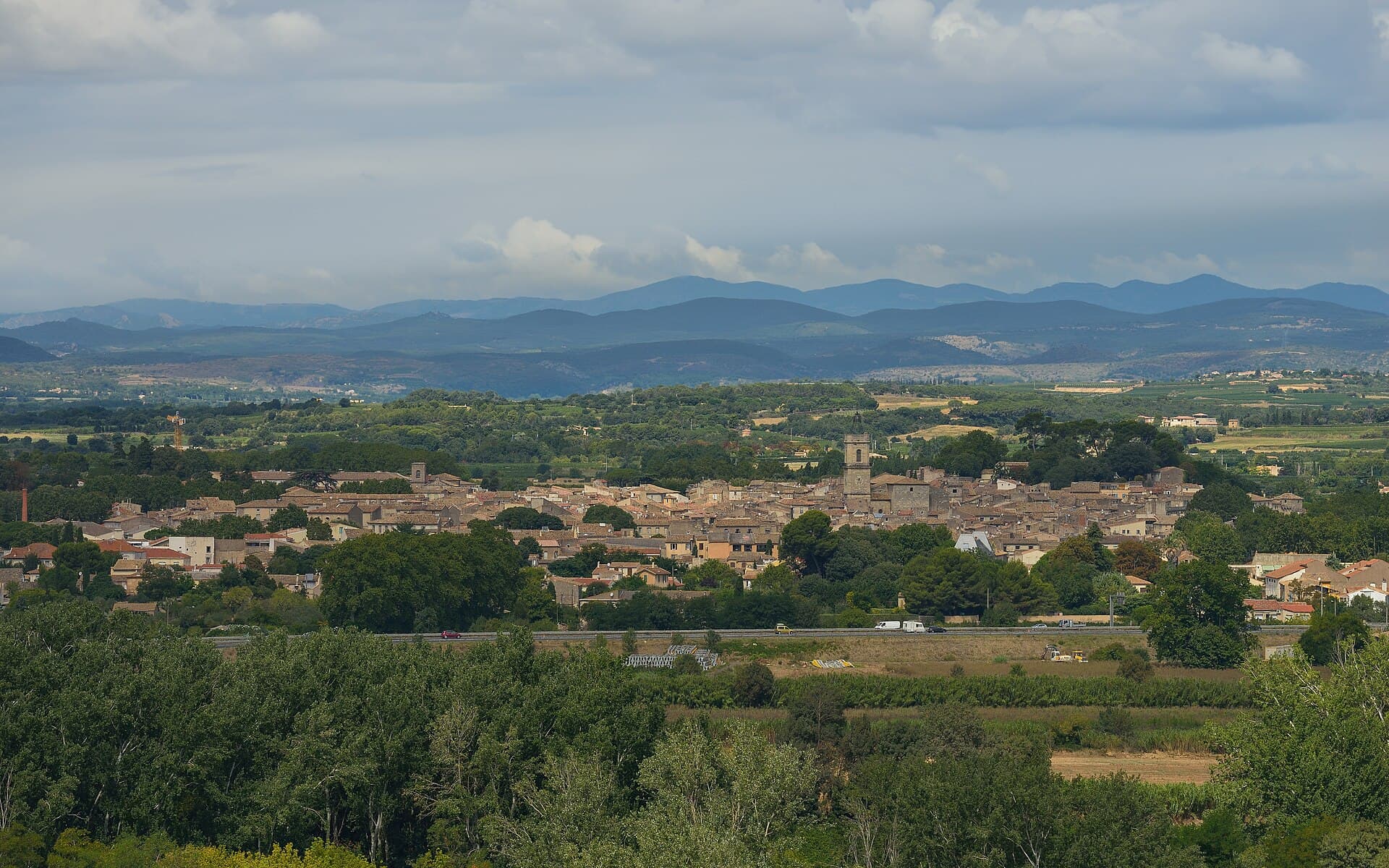
Pézenas, uma cidade no departamento de Hérault, no sul da França, oferece uma passagem por séculos de cultura e eventos. Frequentemente referida como o 'Versalhes de Languedoc', ela apresenta um centro histórico notavelmente preservado, com mais de 30 edifícios designados como Monumentos Históricos. Suas vias de pedestres convidam à exploração, revelando um passado moldado por origens romanas, comércio medieval e seu papel considerável como capital política de Languedoc nos séculos XVI e XVII.
Além de seu esplendor arquitetônico, Pézenas está profundamente entrelaçada com o legado de Molière, o célebre dramaturgo francês, que frequentou a cidade com sua trupe de teatro em meados do século XVII. Hoje, Pézenas continua a cultivar uma vibrante cena artística, com inúmeras oficinas de artesãos, galerias de arte e festivais que celebram seu patrimônio significativo. É um lugar onde a história não é meramente exibida em museus, mas vive e respira dentro da própria estrutura da cidade.
A narrativa de Pézenas começa muito antes de seu período de maior influência, com evidências de ocupação datando do século VII a.C. A era romana viu a cidade mencionada por Plínio, o Velho, que notou a qualidade de sua lã e as propriedades únicas das águas do Rio Peyne para o branqueamento. Os Cavaleiros Templários estabeleceram um recinto fortificado aqui entre 1131 e 1140.
A cidade alcançou status real em 1261, quando o Rei São Luís a adquiriu, tornando-a uma das primeiras cidades do sul da França a pertencer à Coroa. Este patrocínio real trouxe prosperidade, com o rei concedendo a Pézenas sua primeira feira anual em 1271. Essas feiras, juntamente com outras duas, prosperaram ao longo da Idade Média, atraindo mercadores de Pisa, Gênova, Maiorca e Catalunha, e estabelecendo Pézenas como um centro comercial significativo.
Os séculos XVI e XVII marcaram o auge de Pézenas. Tornou-se a capital política de Languedoc, servindo como sede dos Estados Gerais de Languedoc, e a família Montmorency, governadores da província, residiu aqui. Este período viu um crescimento arquitetônico considerável, com novos distritos emergindo e a construção de uma nova muralha da cidade. No entanto, essa prosperidade sofreu um revés em 1632, quando Languedoc se rebelou contra o Rei Luís XIII, levando à captura e decapitação de Henri II de Montmorency e à destruição do Château de Pézenas pelo Cardeal Richelieu.
Apesar disso, Pézenas recuperou sua magnificência a partir de 1650, com os Estados de Languedoc retomando suas reuniões na cidade. Foi durante esse tempo que Molière e sua companhia de teatro, L'Illustre Théâtre, visitaram Pézenas com frequência, apresentando-se para os Estados Gerais e para o Príncipe de Conti, que era o terceiro chefe de estado de maior escalão. O tempo de Molière em Pézenas é considerado crucial para seu desenvolvimento como dramaturgo, com alguns especulando que personagens de suas peças como Dom Juan e Tartuffe foram inspirados por suas observações de figuras locais. A importância política da cidade diminuiu no século XVII, à medida que os governadores se mudavam para Montpellier, mas sua vitalidade econômica continuou através de seus vinhedos e do crescente comércio de vinhos.
Comece sua exploração no centro histórico lindamente preservado, uma zona para pedestres onde mansões francesas dos séculos XVI e XVII margeiam ruas antigas. Observe os detalhes intrincados nos edifícios, incluindo varandas de ferro forjado e adornos de pedra esculpida. Mais de 30 edifícios em Pézenas são registrados como Monumentos Históricos.
As principais atrações arquitetônicas incluem o Hôtel de Lacoste e a Igreja de Saint-Jean-Baptiste. O Hôtel des Consuls, um grandioso edifício do século XVI, reflete a importância política anterior da cidade. Não deixe de visitar a Igreja Colegiada de Saint-Jean, uma impressionante igreja do século XIV com interior românico e um órgão magnífico. Para uma compreensão mais profunda do passado da cidade, visite o Musée de Vulliod Saint-Germain, que abriga artefatos relacionados ao tempo de Molière em Pézenas, incluindo sua famosa poltrona 'observatório'. Você também pode descobrir o distinto Musée de la Porte, um museu dedicado a portas.
Caminhe pela Rue de la Foire, uma rua animada repleta de antiquários, galerias de arte e lojas de artesanato tradicional. A Maison des Métiers d'Art, situada em uma antiga casa consular do século XVII, exibe obras únicas de artesãos locais. Para uma homenagem ao residente mais célebre da cidade, visite o Monumento a Molière na Praça Molière. Você também pode seguir 'Les Pas de Molière', um caminho marcado com pegadas de atores, cantores e dançarinos que se apresentaram em Pézenas. O bairro judeu medieval, com suas ruas estreitas da Rue Juiverie e Rue des Litanies, oferece um vislumbre de outra camada do passado de Pézenas.
A época mais favorável para visitar Pézenas para um clima agradável se estende de abril a outubro, oferecendo temperaturas confortáveis e menos precipitação. Os meses de verão, particularmente julho e agosto, proporcionam condições muito quentes e com brisa, com máximas médias em torno de 28°C (82°F) e mínimas em torno de 18-19°C (64-66°F). Julho também é o mês mais seco, com mais sol.
O verão é também quando Pézenas realmente ganha vida com festivais e eventos. A regular Estivale de sexta-feira à noite, realizada no auge do verão, vê as lojas permanecerem abertas até tarde, vinícolas locais vendendo vinho nas ruas e música ao vivo preenchendo o centro histórico. O Festival Molière celebra a obra do dramaturgo ao longo do ano, com eventos especiais em junho. O mercado semanal de sábado é um destaque durante todo o ano, mas é particularmente animado no verão.
Pézenas é uma pequena cidade de cerca de 8.000 habitantes, localizada a aproximadamente 20 minutos das praias do Mediterrâneo e 30 minutos a oeste de Montpellier. É bem conectada, com quatro aeroportos próximos (Beziers, Montpellier, Carcassonne e Perpignan) e uma estação de trem TGV a cerca de 15 minutos de distância. As autoestradas A9 e A75 também são facilmente acessíveis.
O centro histórico é compacto e fácil de navegar a pé, tornando-o ideal para exploração. Embora o transporte público dentro da cidade seja limitado, trens regionais de Béziers ou Montpellier fornecem acesso a cidades maiores e à costa. A cidade oferece uma cena culinária animada com bistrôs franceses tradicionais e restaurantes gourmet. Você também encontrará supermercados, mercearias, padarias e lojas de alimentos especializados. O Office de Tourisme Cap d'Agde Méditerranée – Bureau de Pézenas, localizado na Praça 14 de Julho, 20, é um excelente recurso para mapas, passeios guiados e informações locais.
Pézenas — coreano, chinês, hebraico e mais 29 idiomas, cada parada narrada por uma voz nativa. A maior variedade de idiomas entre os passeios de áudio autoguiados.
Disponível em: