Parco Storico di Phra Nakhon Khiri (Khao Wang)
La 'Collina del Palazzo' era un tempo un ritiro reale, ma nasconde un segreto sulle ricerche scientifiche di Re Mongkut.
La storia completa si sblocca nel tour
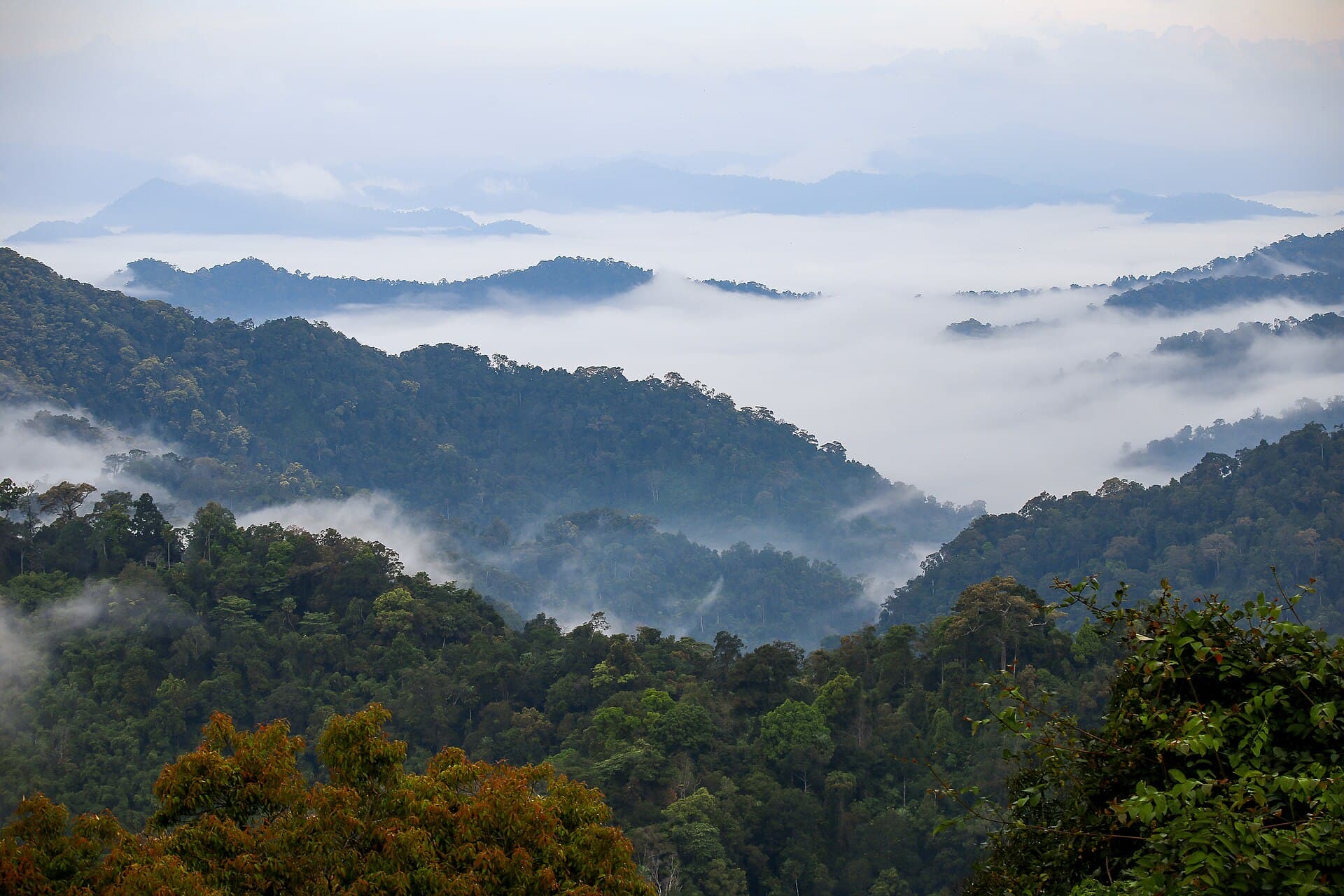 Kriengsak Jirasirirojanakorn / CC BY-SA 4.0, via Wikimedia Commons
Tour audio autoguidato di Phetchaburi — percorso GPS a piedi, riproduzione offline, narrazione coinvolgente in 32 lingue.
“Phetchaburi: Dove antichi palazzi incontrano un'anima culinaria dolce.”
Non le cartoline. Le storie che nemmeno i locali conoscono — sussurrate nel tuo orecchio, proprio dove sono accadute.
La 'Collina del Palazzo' era un tempo un ritiro reale, ma nasconde un segreto sulle ricerche scientifiche di Re Mongkut.
Questo importante tempio di Phetchaburi è noto per i suoi cinque prang bianchi, ma la sua vera età rimane un po' un mistero.
Phetchaburi è celebrata come la 'città dei dolci', eppure la chiave del loro sapore distintivo non è solo lo zucchero.
Scopri ogni segreto di Phetchaburi
Ogni indirizzo, ogni rivelazione completa — nel tuo orecchio, proprio dove è accaduta.
Scegli le tue tappe. Cammini. La voce rivela ciò che gli altri perdono.

Il tuo tour audio autoguidato di Phetchaburi è pronto — scegli i tuoi punti di interesse, seleziona la tua lingua e inizia nel momento in cui arrivi.
AcquistaLume include una guida in realtà aumentata. Alza il telefono: la fotocamera mostra la strada davanti a te, con una freccia luminosa sovrapposta all'immagine reale che punta sempre verso la tua prossima tappa — nessuna mappa da decifrare, nessuna svolta sbagliata. Come tutto in Lume, funziona completamente offline.
Phetchaburi, spesso chiamata 'Città dei Diamanti' (Mueang Phet), è una città provinciale situata a circa 120 chilometri a sud-ovest di Bangkok. Offre uno spaccato dell'antica storia e cultura della Thailandia, lontano dai sentieri turistici più battuti. Il suo nome, derivato dalla parola thailandese 'phet' (diamante) e dal sanscrito 'buri' (città), allude alla sua importanza storica e alla preziosità percepita della sua posizione. Phetchaburi è riconosciuta come Città Creativa UNESCO per la Gastronomia, lodata per le sue distintive tradizioni culinarie che bilanciano sapientemente sapori dolci, acidi e salati.
La provincia funge da collegamento tra la penisola meridionale della Thailandia e la terraferma. Presenta una costa lungo il Golfo di Thailandia a est e giungle montuose che confinano con il Myanmar a ovest. Quasi metà della provincia comprende il Parco Nazionale di Kaeng Krachan, il più grande parco nazionale della Thailandia e Patrimonio dell'Umanità UNESCO, noto per la sua biodiversità. Questa combinazione di siti storici, piaceri culinari e splendore naturale rende Phetchaburi una destinazione affascinante per coloro che cercano un'esperienza thailandese autentica.
Phetchaburi vanta una storia lunga e stratificata, con ritrovamenti archeologici che suggeriscono le sue origini come insediamento Dvaravati già nel VII o VIII secolo. Funzionava come un importante porto sulle antiche rotte commerciali che collegavano India e Cina. Intorno all'XI secolo, passò sotto l'influenza dell'Impero Khmer, lasciando dietro di sé stili architettonici ancora visibili oggi.
Durante i periodi Sukhothai e Ayutthaya, Phetchaburi si sviluppò in un'importante fortezza reale, svolgendo un ruolo vitale come città di frontiera fortificata contro i birmani. La prominenza della città continuò nel periodo Rattanakosin, con diversi re thailandesi che scelsero Phetchaburi per i loro palazzi estivi. Re Mongkut (Rama IV) commissionò la costruzione di Phra Nakhon Khiri, noto anche come Khao Wang (Collina del Palazzo), nel 1860. Questo complesso collinare, un eclettico mix di stili architettonici thailandesi, europei e cinesi, servì come suo ritiro reale e osservatorio.
Suo figlio, Re Chulalongkorn (Rama V), utilizzò e rinnovò anch'egli Phra Nakhon Khiri. Successivamente, Re Rama V iniziò la costruzione di Phra Ram Ratchaniwet (Palazzo Ban Puen) nel 1910, completato da Re Rama VI. Re Rama VI aggiunse ulteriormente il Palazzo Mrigadayavan a Cha-am. Queste residenze reali, insieme a templi antichi come Wat Mahathat Worawihan, con i suoi prang in stile Khmer, e Wat Kamphaeng Laeng, considerato la struttura più antica di Phetchaburi, illuminano l'eredità reale e religiosa duratura della città. L'eredità artistica di Phetchaburi, nota come 'Scuola di Phet', è evidente nelle sue intricate lavorazioni in stucco e intaglio del legno presenti in molti templi.
Inizia la tua esplorazione al Parco Storico di Phra Nakhon Khiri, spesso chiamato Khao Wang o 'Collina del Palazzo'. Questo ex palazzo estivo reale di Re Rama IV si estende su tre cime, offrendo ampie viste su Phetchaburi. Puoi salire in cima tramite una funivia. All'interno del parco, scoprirai una fusione di stili architettonici thailandesi, cinesi ed europei, tra cui sale reali, templi e l'osservatorio astronomico di Re Mongkut.
Appena sotto la collina del palazzo si trova la Grotta Tham Khao Luang, una caverna naturale piena di statue di Buddha, alcune collocate dai Re Rama IV e Rama V. Nelle mattine soleggiate, in particolare tra le 9 e le 10 del mattino, la luce del sole filtra nella grotta, illuminando le figure in bronzo. Un breve tragitto in tuk-tuk dall'ingresso è solitamente necessario per raggiungere la grotta stessa.
Wat Mahathat Worawihan si erge prominentemente nel centro della città, riconoscibile dai suoi cinque imponenti prang bianchi. Questo tempio reale, che si ritiene risalga a otto o dieci secoli fa, ospita reliquie di Buddha e presenta squisite lavorazioni in stucco. Non trascurare Wat Kamphaeng Laeng, un antico tempio Khmer con prang in laterizio, considerato la struttura più antica di Phetchaburi.
Per un assaggio della vita locale, passeggia per il centro storico di Phetchaburi con i suoi mercati fluviali e le tradizionali botteghe in teak. La città funge anche da porta d'accesso al Parco Nazionale di Kaeng Krachan, il più grande parco nazionale della Thailandia, che offre opportunità per l'osservazione della fauna selvatica e l'escursionismo.
Il periodo ideale per visitare Phetchaburi è durante la stagione fresca e secca, che va da novembre a febbraio. Durante questi mesi, le temperature sono più miti, oscillando tra i 20 e i 30 gradi Celsius, e c'è meno pioggia, rendendo piacevole la visita turistica e le attività all'aperto. Questo periodo porta anche una vegetazione rigogliosa dalle piogge precedenti e una buona qualità dell'aria. Mentre aprile e maggio possono essere piuttosto caldi, e da giugno a ottobre segna la stagione delle piogge, Phetchaburi generalmente sperimenta piogge meno frequenti e intense rispetto ad altre parti della Thailandia, consentendo visite durante questi mesi con un'attenta pianificazione.
Phetchaburi è facilmente raggiungibile da Bangkok, situata a circa 120-135 chilometri a sud-ovest. Autobus e minivan frequenti partono dal Terminal degli Autobus Meridionale di Bangkok, con viaggi della durata di circa due o tre ore. Anche i treni dalla stazione ferroviaria principale di Bangkok (Hualamphong o Bang Sue Grand Station) fermano a Phetchaburi, impiegando circa quattro ore. Per esplorare la regione più ampia, è vantaggioso avere un proprio mezzo di trasporto. All'interno della città di Phetchaburi, tuk-tuk, taxi moto e persino tradizionali risciò a pedali sono disponibili per brevi distanze. Concorda sempre il prezzo prima di iniziare il tuo viaggio. Quando visiti templi e siti reali, vestiti in modo rispettoso, assicurandoti che le spalle siano coperte e gli indumenti inferiori arrivino almeno alle ginocchia. Fai attenzione alle scimmie, in particolare nei pressi di attrazioni come Phra Nakhon Khiri e la Grotta Khao Luang, poiché possono essere dispettose e tentare di rubare cibo o oggetti personali.
Phetchaburi — coreano, cinese, ebraico e altre 29 lingue, ogni tappa narrata da una voce madrelingua. La più ampia scelta di lingue tra i tour audio autoguidati.
Disponibile in: