El Candelabro
Eine kolossale Geoglyphe, die in einen Wüstenhang in Paracas geritzt ist, deutet auf alte Geheimnisse hin, aber ihr Ursprung könnte Sie überraschen.
Die ganze Geschichte wird in der Tour freigeschaltet
 J. Patrick Fischer / cc by 2.5, via Wikimedia Commons
Selbstgeführte Audio-Walking-Tour durch Pisco — GPS-Route, Offline-Wiedergabe, erzählerische Narration in 32 Sprachen.
“Wo die Wüste auf das Meer trifft und ein Geist geboren wird.”
Nicht die Postkarten. Die Geschichten, die selbst Einheimische nicht kennen – dir ins Ohr geflüstert, genau dort, wo sie geschahen.
Eine kolossale Geoglyphe, die in einen Wüstenhang in Paracas geritzt ist, deutet auf alte Geheimnisse hin, aber ihr Ursprung könnte Sie überraschen.
Perus Nationalgetränk, der Pisco Sour, ist ein beliebter Cocktail, aber seine Entstehungsgeschichte ist umstritten.
Der Name der Stadt und der Geist, den sie feiert, haben eine faszinierende doppelte Bedeutung, die in alten Sprachen und lokaler Töpferei verwurzelt ist.
Entdecke jedes Geheimnis von Pisco
Jede Adresse, jede Enthüllung vollständig – in deinem Ohr, genau dort, wo es geschah.
Du wählst deine Stationen. Du gehst. Die Stimme enthüllt, was andere übersehen.


Deine selbstgeführte Audio-Tour durch Pisco ist bereit – wähle deine Sehenswürdigkeiten, deine Sprache und starte, sobald du ankommst.
KaufenLume enthält einen integrierten Augmented-Reality-Guide. Halten Sie Ihr Handy hoch: Die Kamera zeigt die Straße vor Ihnen, mit einem leuchtenden Pfeil über dem echten Bild, der immer auf Ihren nächsten Stopp zeigt — keine Karte zum Rätseln, keine falschen Abzweigungen. Wie alles bei Lume funktioniert es komplett offline.
Pisco, eine Küstenstadt in Perus Ica-Region, bietet eine fesselnde Mischung aus Geschichte, Naturwundern und dem Reiz seines gleichnamigen Geistes. Pisco liegt am Rande der Wüste und dient als Tor zu dramatischen Landschaften, wo weite Dünen auf den Pazifischen Ozean treffen. Während die Stadt selbst die Spuren eines mächtigen Erdbebens von 2007 trägt, sind ihr widerstandsfähiger Geist und die laufenden Wiederaufbaubemühungen offensichtlich.
Über seinen städtischen Kern hinaus ist Pisco ein strategischer Stützpunkt für die Erkundung einiger der bemerkenswertesten Attraktionen Perus, darunter die Tierwelt-reichen Ballestas-Inseln und das weitläufige Paracas Nationalreservat. Es ist ein Ort, an dem Sie in alte Kulturen eintauchen, vielfältiges Meeresleben beobachten und natürlich den ikonischen Traubenschnaps genießen können, der den Namen der Stadt trägt.
Pisco begann sein Leben als bescheidenes Fischerdorf an der Westküste Perus. Seine historische Bedeutung vertiefte sich während der Kolonialzeit, als spanische Siedler im 16. Jahrhundert europäische Weinreben nach Südamerika brachten. Das trockene, sonnige Klima der Täler von Ica und Pisco erwies sich als ideal für den Weinbau, was zu einer florierenden Weinindustrie führte.
Ein Wendepunkt kam jedoch im späten 16. und frühen 17. Jahrhundert. Um die Beschränkungen der spanischen Krone für den Weinexport nach Spanien zu umgehen und ein stabileres, transportableres alkoholisches Getränk zu schaffen, begannen lokale Produzenten, fermentierten Traubensaft zu einem kräftigen Geist zu destillieren. Dieser Traubenschnaps, der ursprünglich als aguardiente de uva bekannt war, übernahm schnell den Namen seines wichtigsten Exportzentrums: Pisco. Der Begriff "Pisco" selbst hat Wurzeln in der Quechua-Sprache und bedeutet "Vogel", und bezog sich auch auf die Tongefäße, die zur Lagerung des Geistes verwendet wurden.
Bis zum 17. Jahrhundert hatte sich die Pisco-Produktion erheblich ausgeweitet und wurde zu einem beliebten lokalen Getränk und einer wertvollen Handelsware für den internationalen Handel, die bis nach Europa und Chile reichte. Die 1572 gegründete Stadt Pisco entwickelte sich zu einem wichtigen Seehafen für diese aufstrebende Industrie. Das Erdbeben von Peru im Jahr 1687 beeinträchtigte die Region, einschließlich der Städte Villa de Pisco und Ica, erheblich, aber die Pisco-Produktion konsolidierte sich weiter. Im 18. Jahrhundert übertraf die Pisco-Produktion in der Region sogar die des Weins.
In der jüngeren Geschichte wurde Pisco durch ein Erdbeben der Stärke 8,0 im Jahr 2007 schwer getroffen, das viele der älteren Gebäude der Stadt zerstörte, darunter einen Großteil der Kathedrale San Clemente aus dem 19. Jahrhundert, von der nur noch zwei Säulen erhalten sind. Trotz der Verwüstung hat sich die Stadt allmählich wieder aufgebaut, wobei der Tourismus eine Rolle bei ihrer Erholung spielt. Heute ist Pisco stolzer Hüter seines flüssigen Goldes, mit strengen Vorschriften seit 1991 zum Schutz des Ursprungs und der Qualität des peruanischen Pisco.
Pisco ist ein ausgezeichneter Ausgangspunkt für die Erkundung der vielfältigen Attraktionen der Region Ica. Eine Hauptattraktion ist das Paracas Nationalreservat, ein Schutzgebiet, das die Halbinsel Paracas und die umliegenden Meeresökosysteme umfasst. Hier können Sie Wüstenlandschaften erleben, die auf den Pazifik treffen, darunter einzigartige geologische Formationen und Strände mit rotem Sand wie Playa Roja.
Ein Highlight im Reservat ist eine Bootstour zu den Ballestas-Inseln, die oft als "Galápagos der Armen" bezeichnet werden. Diese felsigen Inseln sind voller vielfältiger Tierwelt und bieten Nahaufnahmen von Seelöwen, Humboldt-Pinguinen, Pelikanen und verschiedenen anderen Seevögeln. Touren starten normalerweise vom nahegelegenen Ort Paracas.
Östlich von Pisco, etwa 45 Kilometer entfernt, liegt der alte Inka-Außenposten Tambo Colorado. Dieses Verwaltungszentrum zeichnet sich durch seine Adobe-Konstruktion aus, die von der typischen Inka-Steinarchitektur abweicht, und durch Reste von leuchtend bunten Farben, die noch an seinen Mauern sichtbar sind. Ein kleines Museum vor Ort gibt Einblicke in seinen ursprünglichen Glanz.
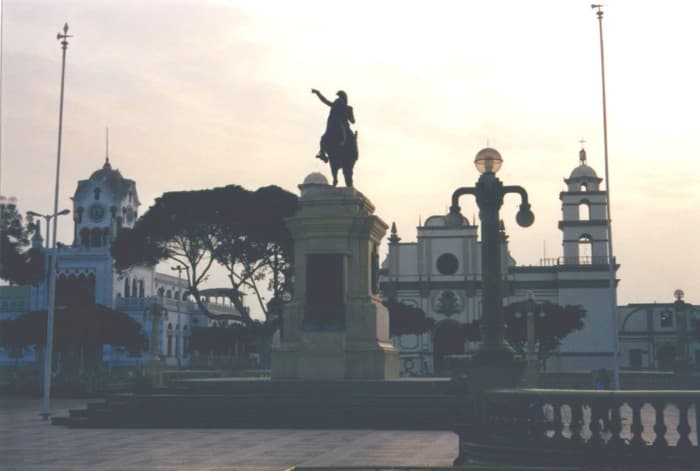
Innerhalb der Stadt Pisco bleibt die Plaza de Armas ein zentraler Treffpunkt. Obwohl vieles vom Erdbeben 2007 beschädigt wurde, finden Sie hier immer noch die Statue des südamerikanischen Befreiers José de San Martín und das Rathaus im maurischen Stil, das 1929 erbaut wurde. Die rekonstruierte Kathedrale von Pisco ist, obwohl modern, ebenfalls einen Besuch wert.
Pisco hat ein subtropisches Wüstenklima, das sich durch Wärme von Dezember bis April und kühlere, bewölktere Bedingungen von Juni bis Oktober auszeichnet. Mai und November sind Übergangsmonate. Die wärmste Zeit ist typischerweise von Januar bis März, wobei Februar der heißeste Monat ist und durchschnittlich etwa 24,6 °C (76,3 °F) erreicht. Der kühlste Monat ist August mit einer Durchschnittstemperatur von 17,2 °C (63,0 °F). Niederschlag ist das ganze Jahr über außergewöhnlich selten. Für allgemeine Outdoor-Aktivitäten ist die beste Zeit für einen Besuch in Pisco von Anfang April bis Ende November, mit einem Höhepunkt Anfang Mai, aufgrund angenehmer Temperaturen und klaren Himmels. Wenn Ihr Hauptinteresse die Traubenernte und die damit verbundenen Feste ist, sind Februar und März ideal.
Pisco gilt im Allgemeinen als sichere Stadt, besonders tagsüber. Wie bei jedem Reiseziel ist es jedoch ratsam, Ihre Umgebung zu beachten, besonders nachts, und teure Gegenstände nicht zur Schau zu stellen, um Kleinkriminalität abzuschrecken. Es wird empfohlen, nach Einbruch der Dunkelheit in Gruppen zu reisen.
Das Erlernen einiger grundlegender Spanischkenntnisse kann Ihre Erfahrung erheblich verbessern und die Kommunikation erleichtern. Beim Essen hilft die Wahl gut bewerteter Restaurants und die Sicherstellung, dass das Essen gekocht und heiß ist, um Magenprobleme zu vermeiden. Leitungswasser ist in Peru im Allgemeinen nicht trinkbar, daher sollten Sie auf Flaschenwasser oder gereinigtes Wasser zurückgreifen und bei Eis in Getränken vorsichtig sein, einschließlich Pisco Sours, die rohe Eier enthalten können.
Der Flughafen Capitán FAP Renán Elías Olivera (PIO) bedient Pisco und verfügt über ein modernes Terminal, das seit 2015 in Betrieb ist. Obwohl er sowohl nationale als auch internationale Flüge abfertigt, ist er besonders als Tor für Besichtigungsflüge zu den Nazca-Linien bekannt. Der nächstgelegene große internationale Flughafen ist Lima (LIM), von wo aus stündlich Busse nach Pisco fahren, was etwa 3 Stunden und 40 Minuten dauert.
Pisco — Koreanisch, Chinesisch, Hebräisch und 29 weitere Sprachen, jede Station von einer muttersprachlichen Stimme erzählt. Die größte Sprachauswahl aller selbstgeführten Audiotouren.
Verfügbar auf: