Ospedale del Ceppo
Il nome dell'Ospedale del Ceppo suggerisce un inizio miracoloso, ma la vera meraviglia si nasconde sotto la sua facciata rinascimentale.
La storia completa si sblocca nel tour
 Spike / CC BY-SA 4.0, via Wikimedia Commons
Tour audio autoguidato di Pistoia — percorso GPS a piedi, riproduzione offline, narrazione coinvolgente in 32 lingue.
“Pistoia: Dove la grandezza medievale incontra un mondo inaspettato sotto le strade.”
Non le cartoline. Le storie che nemmeno i locali conoscono — sussurrate nel tuo orecchio, proprio dove sono accadute.
Il nome dell'Ospedale del Ceppo suggerisce un inizio miracoloso, ma la vera meraviglia si nasconde sotto la sua facciata rinascimentale.
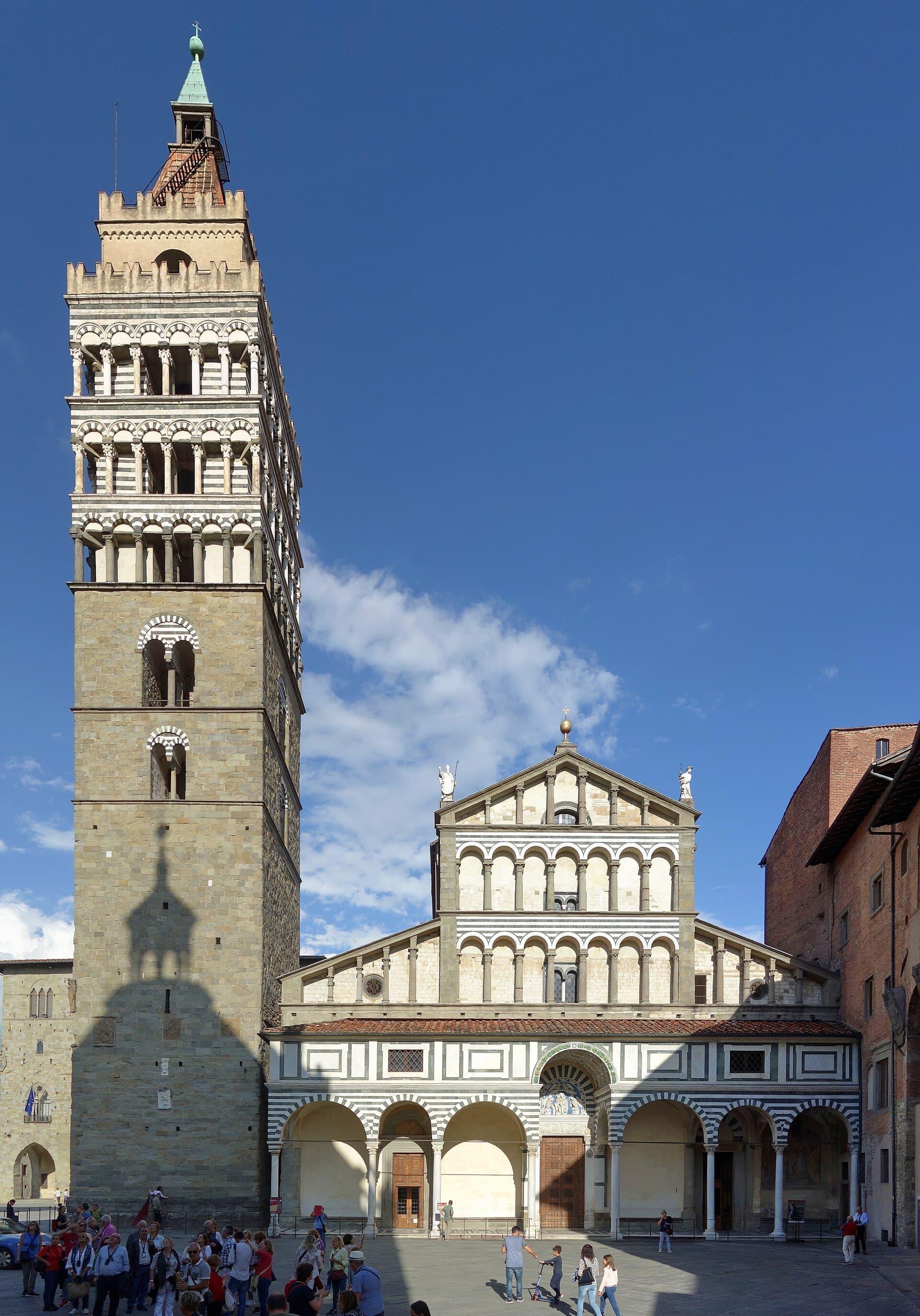
Questa piazza centrale, con il suo distintivo campanile, condivide uno strano legame con una figura romana nota.
Sotto le vie della città, un intricato labirinto racconta una straordinaria storia di pianificazione urbana e salute pubblica.
Scopri ogni segreto di Pistoia
Ogni indirizzo, ogni rivelazione completa — nel tuo orecchio, proprio dove è accaduta.
Scegli le tue tappe. Cammini. La voce rivela ciò che gli altri perdono.


Il tuo tour audio autoguidato di Pistoia è pronto — scegli i tuoi punti di interesse, seleziona la tua lingua e inizia nel momento in cui arrivi.
AcquistaLume include una guida in realtà aumentata. Alza il telefono: la fotocamera mostra la strada davanti a te, con una freccia luminosa sovrapposta all'immagine reale che punta sempre verso la tua prossima tappa — nessuna mappa da decifrare, nessuna svolta sbagliata. Come tutto in Lume, funziona completamente offline.
Pistoia, una città affascinante della Toscana, offre una vera esperienza italiana lontano dai sentieri più battuti dai turisti. Spesso paragonata a "Firenze in miniatura" per la sua profondità culturale, Pistoia incoraggia un ritmo di scoperta deliberato. Il suo nucleo medievale, riconosciuto come Capitale Italiana della Cultura nel 2017, espone una profonda eredità artistica e architettonica. Passeggiando per le sue strade si scopre una città che premia l'esplorazione attenta, dalla sua grande piazza centrale ai suoi angoli più tranquilli.
Posizionata con cura tra Firenze e Lucca, Pistoia serve come eccellente base per esplorare la Toscana settentrionale. La città stessa è in gran parte pianeggiante e invitante per passeggiate, rendendola facile da navigare a piedi. Oltre al suo fascino storico, Pistoia è anche riconosciuta per le sue estese vivai di piante, che riforniscono di verde tutta Europa.
Le origini di Pistoia risalgono al VI secolo a.C. come colonia romana, allora conosciuta come Pistoria, situata lungo la vitale Via Cassia. Prima dell'occupazione romana, l'area era abitata da comunità galliche, liguri ed etrusche. Un evento significativo nella sua cronologia iniziale fu la morte del demagogo romano Catilina in battaglia vicino a Pistoia nel 62 a.C.
Dal V secolo, Pistoia divenne sede vescovile e, durante il regno longobardo, detenne lo status di città regia con particolari privilegi. Il suo periodo più prospero iniziò nel 1177 quando si dichiarò libero comune, evolvendosi in un importante centro politico con nuove mura e numerose strutture pubbliche e religiose. Tuttavia, questa indipendenza fu breve. Nel 1254, la città ghibellina fu conquistata dalla Firenze guelfa, portando a intense lotte civili tra famiglie nobili rivali.
Pistoia alla fine passò sotto il dominio fiorentino nel 1329 e fu formalmente annessa da Firenze nel 1530. La città divenne quindi parte del Granducato Mediceo. Nel 1737, Pistoia, insieme al resto della Toscana, passò sotto il dominio austro-lorena, unendosi infine al neonato regno d'Italia nel 1859. Nonostante le sue mutevoli fortune e i periodi di quiete, Pistoia ha preservato il suo carattere medievale. La sua profonda storia è evidente nell'architettura e nella disposizione delle sue vie, offrendo un legame tangibile con il suo passato.
Il cuore di Pistoia è Piazza del Duomo, una grande piazza che funge da centro politico e religioso della città. Qui si trova la facciata a strisce marmoree del Duomo di San Zeno, risalente al XII secolo, che custodisce il celebre altare d'argento di San Jacopo. Adiacente al duomo si erge l'imponente campanile, costruito su un'antica torre di guardia longobarda, che offre ampie vedute dopo un'ascesa di 200 gradini. Proprio di fronte si erge il Battistero ottagonale di San Giovanni, un suggestivo esempio di architettura gotica toscana con il suo marmo verde e bianco.
A pochi passi dalla piazza si trova l'Ospedale del Ceppo, un ospedale medievale fondato nel 1277, noto per il suo fregio in terracotta invetriata di Santi Buglioni e Giovanni della Robbia raffigurante le Sette Opere di Misericordia. Sotto questo storico ospedale si trova Pistoia Sotterranea, un percorso archeologico sotterraneo che ripercorre gli antichi sistemi idrici della città e la sua storia nascosta. Un altro sito significativo è la Chiesa di San Giovanni Fuorcivitas, riconosciuta per le sue distintive strisce marmoree simili a zebre. Per gli appassionati d'arte, il Museo Marino Marini offre un contrappunto contemporaneo alla pietra medievale della città.
I periodi più favorevoli per visitare Pistoia vanno da metà aprile a metà giugno e per tutto settembre. Questi mesi offrono un clima gradevole con giornate calde e serate fresche, ideali per esplorare la città a piedi. Sebbene possano verificarsi alcuni giorni di pioggia, le condizioni generali sono piacevoli. Anche l'inizio dell'autunno, in particolare settembre e inizio ottobre, offre temperature confortevoli con meno visitatori. Le estati (luglio-agosto) sono calde e soleggiate, con temperature che possono raggiungere i 30°C (oltre 80°F), anche se le montagne vicine offrono rifugi più freschi. Il Pistoia Blues Festival si svolge a luglio.
Il centro di Pistoia è facilmente percorribile a piedi. Per chi arriva in auto, prendere l'autostrada A11 e uscire a 'Pistoia', quindi seguire le indicazioni per 'Pistoia centro' per raggiungere parcheggi gratuiti all'esterno del centro storico. La città è ben collegata in treno, con servizi frequenti da Firenze e Lucca, che impiegano circa 40-50 minuti. La stazione ferroviaria si trova a una breve e pianeggiante passeggiata di 15 minuti dal centro storico. Sono disponibili biciclette pubbliche, anche se una quota di iscrizione le rende più economiche per soggiorni prolungati. Anche gli autobus locali servono la città. Quando si parcheggia, notare che le linee bianche indicano parcheggio gratuito, le linee blu sono a pagamento e le linee gialle sono per i residenti con permesso. È importante ricordare che le auto a noleggio generalmente non sono ammesse nei centri storici delle città italiane.
Pistoia — coreano, cinese, ebraico e altre 29 lingue, ogni tappa narrata da una voce madrelingua. La più ampia scelta di lingue tra i tour audio autoguidati.
Disponibile in: