Cattedrale di Plasencia
Plasencia custodisce non una, ma due cattedrali, che sembrano fondersi in un unico, imponente complesso.
La storia completa si sblocca nel tour
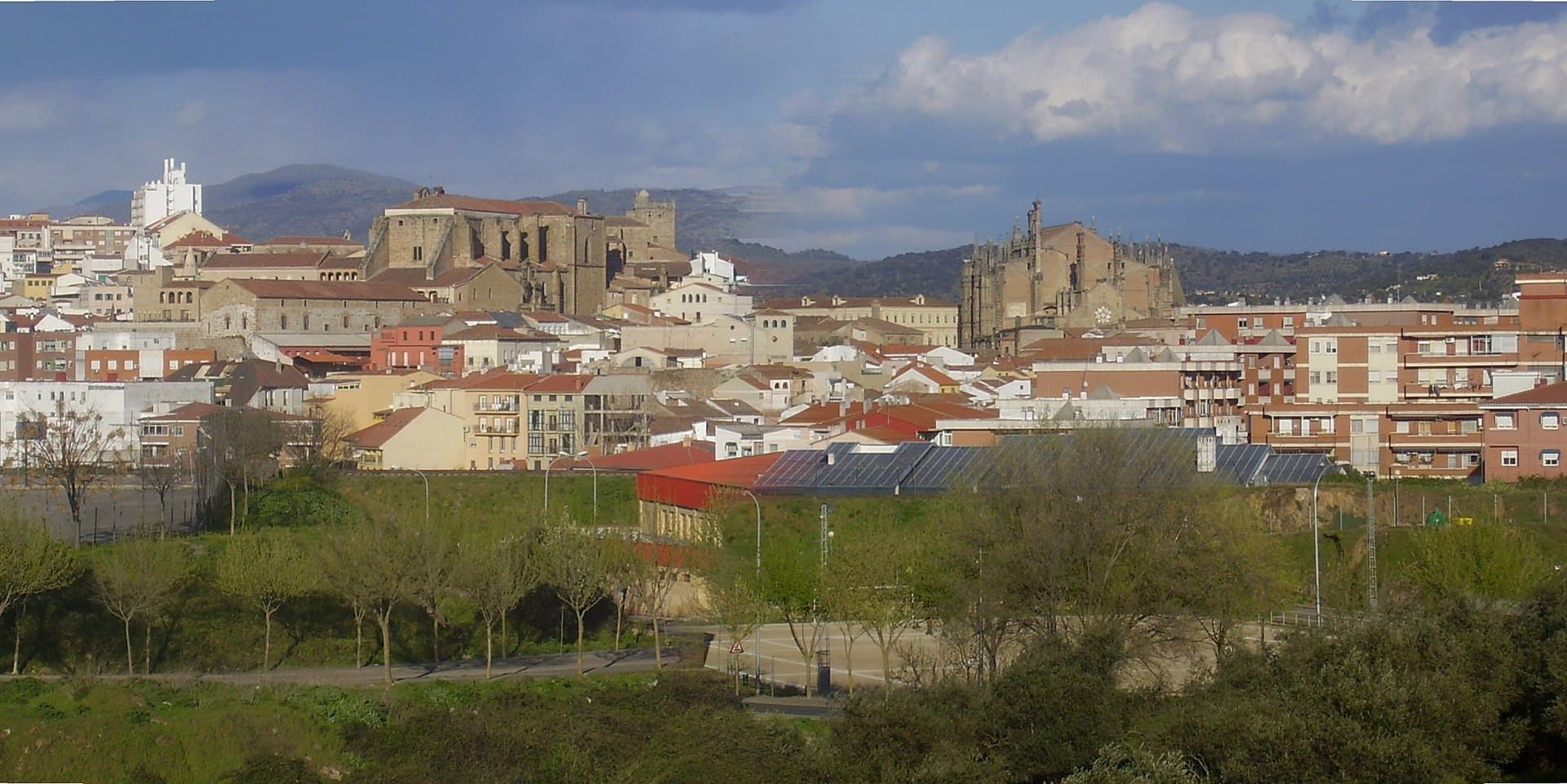 Jose Antonio Cotallo López from Plasencia, España / cc by 2.0, via Wikimedia Commons
Tour audio autoguidato di Plasencia — percorso GPS a piedi, riproduzione offline, narrazione coinvolgente in 32 lingue.
“Mura medievali abbracciano due cattedrali e antichi mercati.”
Non le cartoline. Le storie che nemmeno i locali conoscono — sussurrate nel tuo orecchio, proprio dove sono accadute.
Plasencia custodisce non una, ma due cattedrali, che sembrano fondersi in un unico, imponente complesso.
Osservando il Municipio nella piazza principale di Plasencia, noterai una figura particolare che i locali chiamano affettuosamente 'Nonno Mayorga'.
Il lussuoso Parador de Plasencia, un hotel di gestione statale, occupa un grandioso edificio del XV secolo.
Scopri ogni segreto di Plasencia
Ogni indirizzo, ogni rivelazione completa — nel tuo orecchio, proprio dove è accaduta.
Scegli le tue tappe. Cammini. La voce rivela ciò che gli altri perdono.

Il tuo tour audio autoguidato di Plasencia è pronto — scegli i tuoi punti di interesse, seleziona la tua lingua e inizia nel momento in cui arrivi.
AcquistaLume include una guida in realtà aumentata. Alza il telefono: la fotocamera mostra la strada davanti a te, con una freccia luminosa sovrapposta all'immagine reale che punta sempre verso la tua prossima tappa — nessuna mappa da decifrare, nessuna svolta sbagliata. Come tutto in Lume, funziona completamente offline.
Plasencia, una città fortificata nel nord della regione spagnola dell'Estremadura, invita a un viaggio nel tempo. Fondata nel 1186 dal re Alfonso VIII di Castiglia, la sua posizione strategica lungo l'antica Ruta de la Plata (Via dell'Argento) ne ha forgiato la prosperità e lasciato un nucleo storico notevolmente conservato.
Oggi, con una popolazione di circa 40.000 abitanti, Plasencia funge da cruciale centro amministrativo e di servizi per le aree naturali adiacenti come la Valle del Jerte e il Parco Nazionale di Monfragüe. I viaggiatori possono passeggiare per vie medievali, esplorare grandi palazzi e strutture religiose, e sperimentare una sfaccettatura della Spagna spesso trascurata dai maggiori flussi turistici.
Dalla sua singolare cattedrale doppia alla sua animata Plaza Mayor, Plasencia incoraggia l'esplorazione a piedi, rivelando strati di storia ad ogni angolo. È un luogo dove il passato non è semplicemente ricordato, ma vissuto attivamente, offrendo una fusione di patrimonio culturale e autentico carattere spagnolo.
Il terreno circostante Plasencia mostra prove di occupazione risalenti a epoche preistoriche, con vari popoli, inclusi i Romani, che frequentavano l'area. I Romani stabilirono qui un accampamento militare e, durante la presenza islamica nella penisola iberica (Al-Andalus), si ritiene che una kasbah occupasse l'attuale posizione della città.
Plasencia fu formalmente fondata come città nel 1186 dal re Alfonso VIII di Castiglia. La sua creazione fu una manovra militare strategica durante la Reconquista, posizionata vicino ai confini castigliani con il Regno di León e i territori musulmani a sud. Il motto del re per la città, "Ut placeat Deo et Hominibus" (Per piacere a Dio e agli uomini), si riflette nel suo nome.
La città prosperò notevolmente tra il XII e il XVII secolo, raggiungendo il suo apice nel XVI secolo. Questo periodo vide la costruzione di numerosi edifici civili, militari e religiosi che definiscono il suo nucleo storico odierno. Originariamente una città di realengo, direttamente sotto l'autorità della corona, Plasencia divenne brevemente feudo della famiglia Zúñiga nel 1442 prima di riconquistare il suo status di città libera nel 1488 con il sostegno dei Re Cattolici.
Plasencia ospitò una considerevole comunità ebraica, la più grande dell'Estremadura, la cui presenza risale a poco dopo la fondazione della città. Il quartiere ebraico, inizialmente situato nell'area della Mota attorno alla sinagoga, attraversò periodi sia di tolleranza che di restrizione, in particolare dopo le ordinanze del 1412 che imponevano la segregazione. L'espulsione degli ebrei nel 1492, e successivamente dei moriscos nel 1609, contribuì a un declino della popolazione della città.
Il XVII e XVIII secolo segnarono un periodo di declino per Plasencia, rispecchiando le tendenze di gran parte della Spagna, con la sua popolazione in significativa diminuzione a causa di conflitti, epidemie e carestie. La città svolse anche un ruolo nella Guerra di Successione Spagnola e nella Guerra d'Indipendenza Spagnola, servendo come base militare e subendo occupazioni.
Plasencia iniziò il suo recupero nella seconda metà del XX secolo. Oggi, il suo centro storico attentamente conservato è riconosciuto come sito del patrimonio culturale spagnolo, attirando visitatori che cercano di esplorarne l'eredità architettonica e culturale.
Inizia la tua esplorazione nella Plaza Mayor, il cuore pulsante di Plasencia, dove un mercato settimanale di prodotti agricoli si tiene dal XII secolo. La piazza è delimitata da edifici porticati e dal Municipio, noto per 'el abuelo Mayorga', una figura che segna il tempo dalla sua torre campanaria.
A pochi passi si trova la Catedrales de Plasencia, un complesso singolare composto da due cattedrali: la Cattedrale Vecchia romanica del XIII secolo e la Cattedrale Nuova gotica del XVI secolo. Esplora l'interno per osservare la transizione architettonica e visita il Museo della Cattedrale.
Passeggia lungo le mura medievali della città, originariamente costruite nel 1198 con 70 torri e 8 porte. Visita la Torre Lucía, una delle torri meglio conservate, che ospita una piccola mostra sulla Plasencia medievale e offre ampie vedute della città e della Valle del Jerte. Diverse porte originali della città, come la Puerta de Trujillo e la Puerta del Sol, rimangono intatte.
Altri luoghi degni di nota includono l'Acueducto de San Antón del XVI secolo, una serie di archi che un tempo riforniva la città d'acqua. Il Palazzo del Marchese di Mirabel e il Palazzo Episcopale mostrano l'architettura palaziale della città. Per un momento di tranquillità, visita il Parque de la Isla, un parco lungo il fiume Jerte con sentieri e piscine naturali in estate.
I periodi più favorevoli per visitare Plasencia per un clima piacevole e attività all'aperto vanno da metà maggio a fine luglio e da fine luglio a metà ottobre, con un picco nella terza settimana di settembre. La primavera (marzo, aprile, maggio) e l'autunno (settembre, ottobre) offrono temperature miti e sono ideali per visitare la città, con temperature medie comprese tra 18°C e 30°C.
Le estati (fine giugno a metà settembre) possono essere calde, con luglio che raggiunge medie massime diurne di 34°C, ma è anche quando si svolgono festival come il Martes Mayor. Dicembre e gennaio sono generalmente i mesi più tranquilli per il turismo.
Plasencia è una città pedonale, con la maggior parte dei punti di interesse situati all'interno o vicino al centro storico, rendendo i trasporti pubblici in gran parte non necessari per esplorare le attrazioni principali. Se soggiorni in centro, puoi raggiungere la maggior parte delle attrazioni in circa 20 minuti a piedi. Per coloro che si avventurano più lontano, come al Santuario di Nostra Signora del Porto a pochi chilometri dalla città, è consigliata l'auto.
Plasencia è ben collegata su strada, situata sull'autostrada A-66. La stazione degli autobus si trova a meno di 15 minuti a piedi dalla piazza principale, e la stazione ferroviaria è a circa 17 minuti a piedi. L'Ufficio Informazioni Turistiche, situato in Calle Santa Clara, 4, è aperto dal lunedì al venerdì dalle 9:00 alle 14:00 e dalle 16:00 alle 19:00, e nei fine settimana e festivi dalle 10:00 alle 14:00 e dalle 16:00 alle 19:00. Mentre molte attrazioni come Torre Lucía offrono ingresso gratuito, il complesso della cattedrale doppia ha solitamente un biglietto d'ingresso standard di 8€.
Plasencia — coreano, cinese, ebraico e altre 29 lingue, ogni tappa narrata da una voce madrelingua. La più ampia scelta di lingue tra i tour audio autoguidati.
Disponibile in: