Xaman-Há Ruins
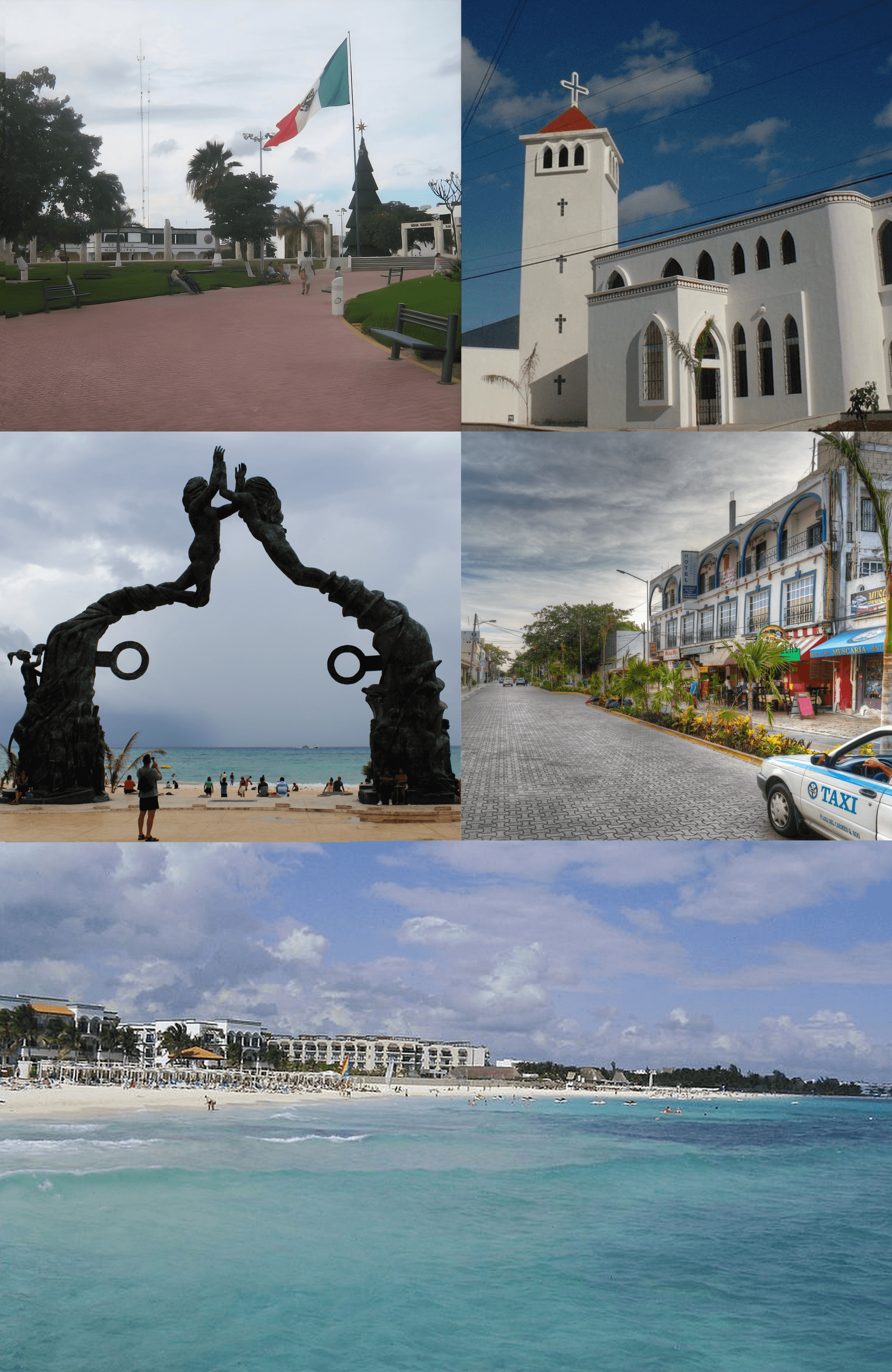
Within the contemporary spread of Playa del Carmen, fragments of an ancient city remain quiet, often passed by hurried visitors.
Full story unlocks in the tour
 Unknown author / CC BY 4.0, via Wikimedia Commons
Self-guided audio walking tour of Playa del Carmen — GPS route, offline playback, story-driven narration in 32 languages.
“Where ancient Mayan echoes meet a lively, modern pulse.”
Not the postcards. The stories even locals don't know — whispered in your ear, right where they happened.
Within the contemporary spread of Playa del Carmen, fragments of an ancient city remain quiet, often passed by hurried visitors.
The city's official administrative building contains an expansive, colorful artwork that narrates a story few travelers pause to consider.
Despite its Mexican location, Playa del Carmen possesses a distinct character many describe as unexpectedly European.
Discover every secret of Playa del Carmen
Every address, every reveal in full — in your ear, right where it happened.
You pick your stops. You walk. The voice reveals what the others miss.
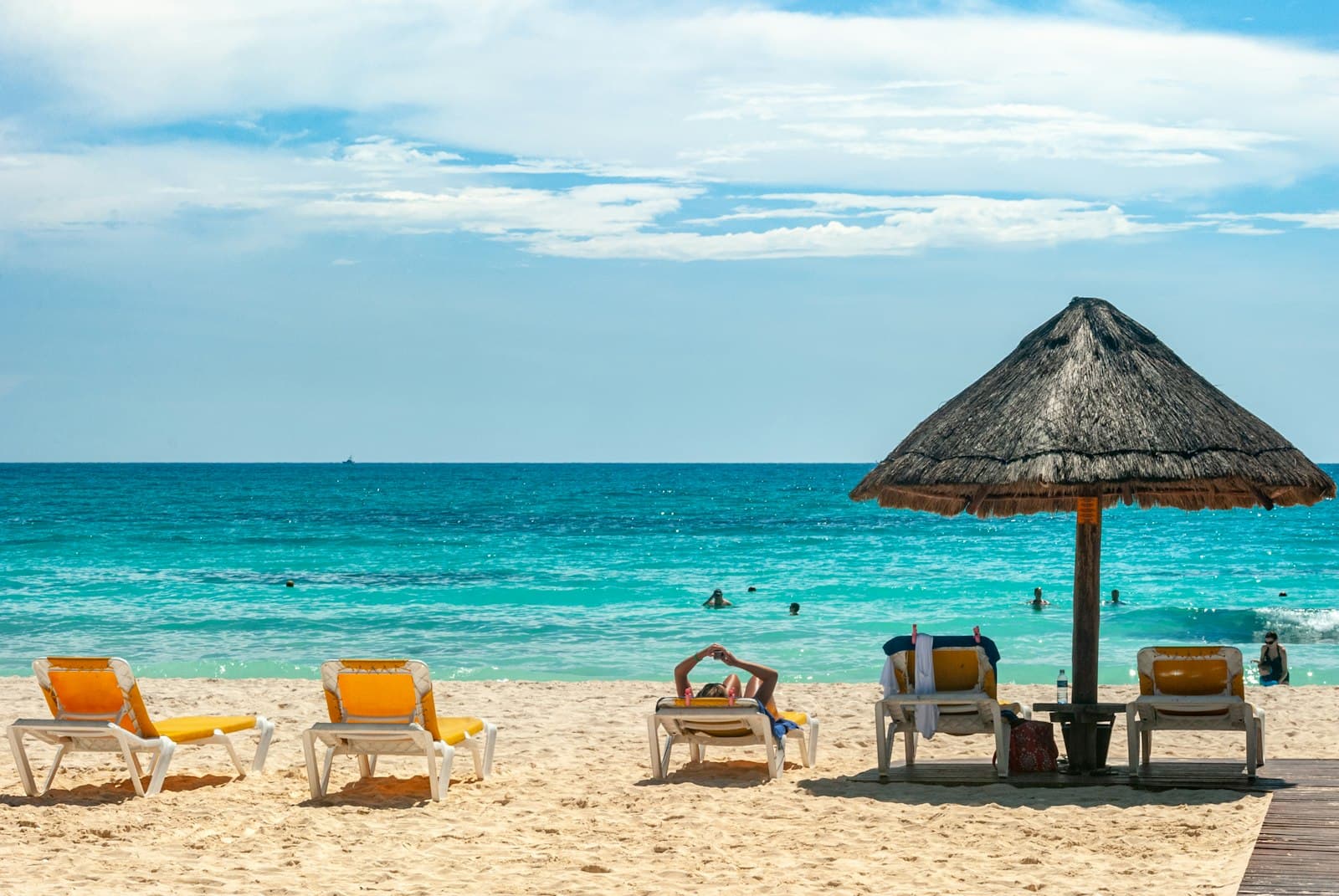
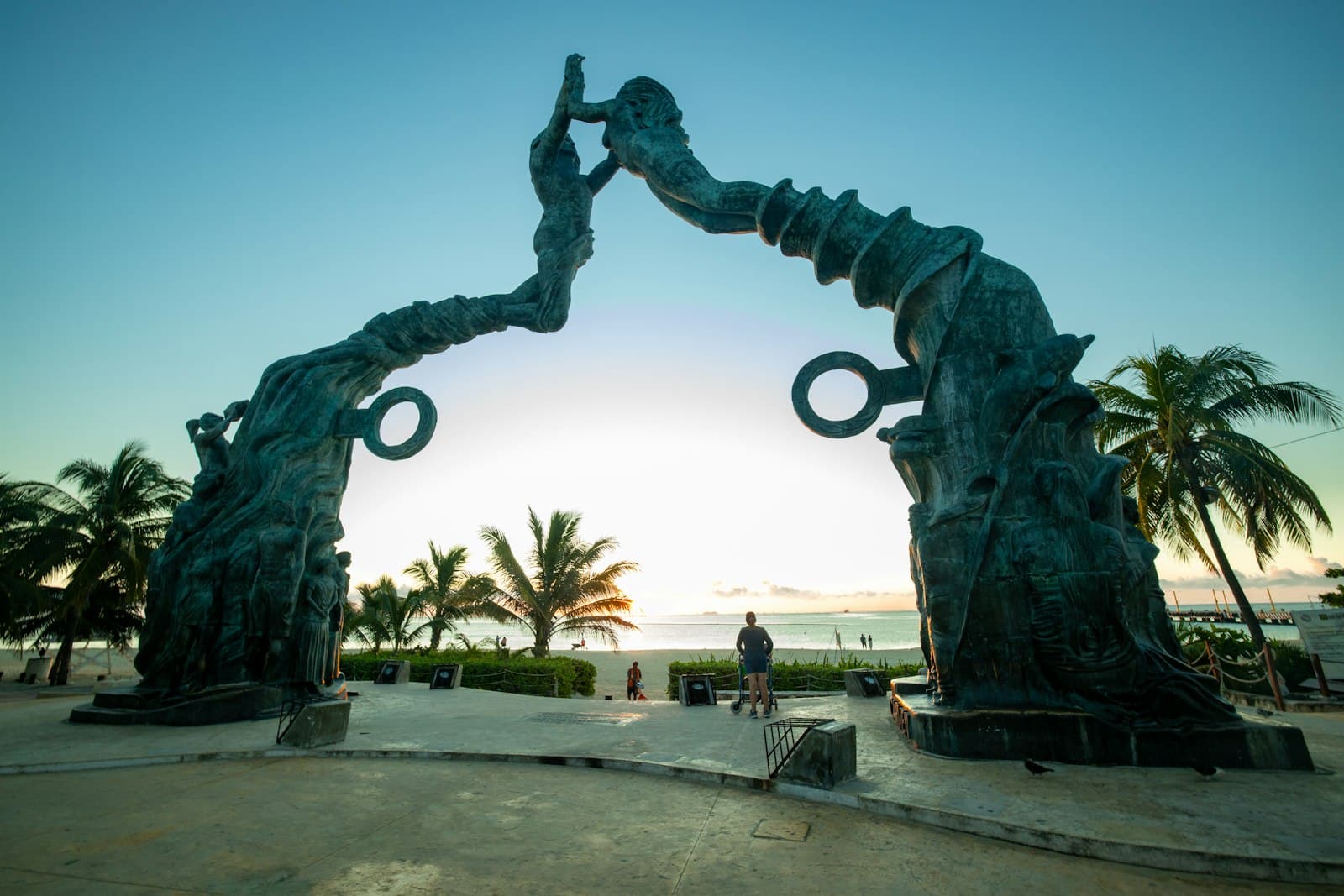
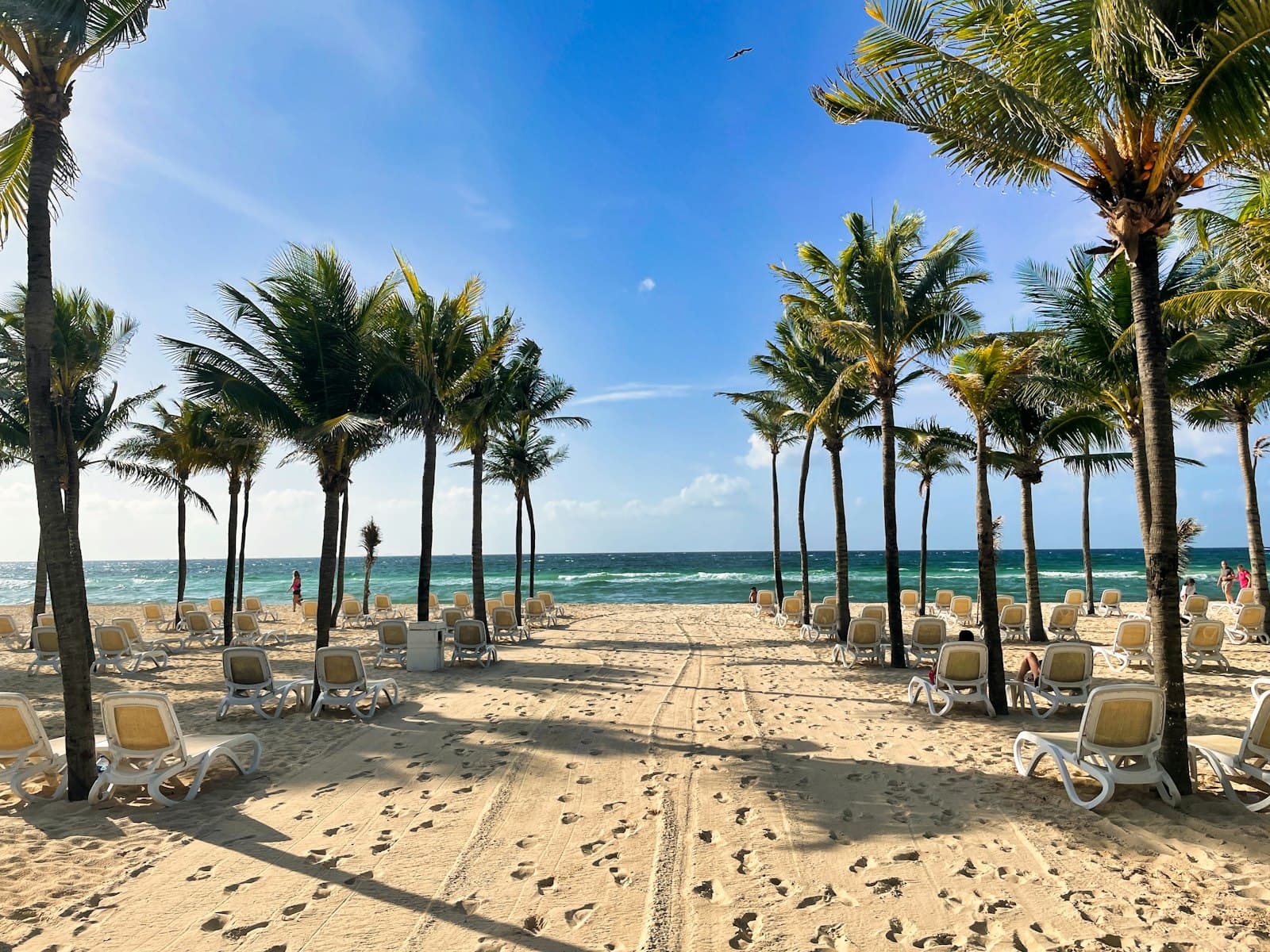
Your self-guided audio tour of Playa del Carmen is ready — pick your landmarks, choose your language, and start the moment you arrive.
BuyLume has a built-in augmented-reality guide. Hold your phone up and its camera shows the street ahead of you, with a glowing arrow laid over the real view that always points to your next stop — no map to puzzle over, no wrong turns. Like everything in Lume, it works fully offline.
Playa del Carmen, often called 'Playa' by locals, is a dynamic coastal city along the Caribbean Sea in Mexico's Yucatán Peninsula. Once a tranquil fishing village, it has transformed into a flourishing international destination, recognized for its white sand beaches, clear turquoise waters, and lively atmosphere. It serves as a central point within the Riviera Maya, a stretch of coastline that extends from just south of Cancun to Tulum and the Sian Ka'an biosphere reserve.
The city's main thoroughfare, Quinta Avenida (Fifth Avenue), is a pedestrian-only street alive with shops, restaurants, and entertainment. Beyond the energetic downtown, Playa del Carmen offers easy access to ancient Mayan ruins, natural sinkholes known as cenotes, and the Mesoamerican Barrier Reef, the second-largest coral reef system in the world. Its rapid expansion has even earned it a spot in Guinness World Records as one of Latin America's fastest-growing communities.
## From Ancient Xaman-Há to Colonial Outpost Playa del Carmen's origins trace back to the pre-Columbian Mayan civilization. The area was known as "Xaman-Há," which translates to "waters of the north" or "northern water" in Mayan. This Mayan settlement prospered between approximately 1000 and 1520 A.D., serving as a vital trading post for goods like jade, obsidian, salt, chicle gum, and honey. More significantly, Xaman-Há was a crucial embarkation point for Mayan pilgrims traveling by canoe to the sacred island of Cozumel to worship Ixchel, the goddess of fertility.
In 1518, Spanish explorer Juan de Grijalva arrived in Cozumel, followed by Hernán Cortés in 1519, who sought to introduce Catholicism and unfortunately brought smallpox, which decimated the Mayan population. During the first stage of the Yucatán conquest, Alonso Dávila founded the Spanish settlement of Salamanca de Xamanhá in the area, though it was abandoned by 1529 due to hardships. The region remained largely uninhabited for centuries, often serving as a resting point for Caribbean pirates. It wasn't until colonial times that the town received the name Playa del Carmen, attributed to the founding of a chapel dedicated to the Virgen del Carmen.
## The Rise of a Fishing Village and Tourist Hub Playa del Carmen officially became part of Mexican territory in 1902. For a long time, it remained a secluded area due to its remote location and dense forests, lacking the mineral deposits that attracted more intense Spanish colonization. The modern history of Playa del Carmen truly began in the 20th century with the arrival of fishermen, coconut farmers, and gum extractors who became its first modern settlers. The 1960s marked a turning point when oceanographer Jacques Cousteau's documentary showcasing the Mesoamerican Reef near Cozumel brought international attention to the region's underwater beauty. This led to the establishment of a ferry service to Cozumel from Playa del Carmen, initially making it primarily a ferry dock.
The real tourism surge began in the 1980s and 1990s. The population grew from approximately 1,500 in the 1980s to over 159,000 by 2010, and an estimated 300,000 by 2017. This rapid development transformed Playa del Carmen from a quiet fishing village into a major international resort, known for its calmer atmosphere compared to larger destinations like Cancun. In 1993, the Solidaridad municipality was created with Playa del Carmen as its administrative center, further boosting its development and urbanization.
Begin your exploration on Quinta Avenida, a pedestrian street that forms the core of Playa del Carmen. Here, you'll discover a wide array of shops, restaurants, and bars, alongside street performers and an energetic atmosphere. For a sampling of local culture, visit Parque Los Fundadores, situated near the ferry pier. This park is home to the iconic Portal Maya 2012 sculpture and often hosts cultural presentations, including the captivating Voladores de Papantla performance.
Beyond the city center, the Yucatán Peninsula offers natural wonders and ancient history. Explore a cenote, a natural sinkhole filled with clear water, ideal for swimming, snorkeling, or diving. Popular options include Cenote Azul, Cenote Cristalino, and Gran Cenote. For a deeper immersion into Mayan history, consider day trips to the impressive archaeological sites of Chichen Itza, a UNESCO World Heritage Site and one of the New Seven Wonders of the World, or the coastal ruins of Tulum. You can also visit Xcaret and Xplor Park, eco-archaeological and adventure parks offering underground rivers, wildlife, and thrilling activities.
The ideal time to visit Playa del Carmen is during the dry season, which stretches from November to April. During these months, the weather is warm and sunny with lower humidity, creating perfect conditions for beach activities and exploration. December to February is considered high season, offering the most pleasant temperatures and clear skies, though it's also the most crowded and expensive period. For fewer crowds and potentially better prices while still enjoying good weather, consider the shoulder seasons of March/April and October/November. The rainy season typically runs from May to October, with July through October being hot and humid with frequent, brief afternoon storms.
Playa del Carmen is approximately 45 minutes south of Cancun International Airport (CUN), which is the closest airport. Transportation from the airport can be arranged via charter bus (ADO Airport bus is economical), taxi, or shuttle. Within downtown Playa del Carmen, the city is largely walkable, especially around Fifth Avenue. For longer distances, taxis are readily available, and it's advisable to negotiate the fare before starting your journey. Colectivos, shared vans, offer an economical way to travel locally and to nearby towns.
While US dollars are often accepted, paying in Mexican pesos generally offers a better exchange rate. English is widely spoken in the tourist areas, but knowing a few basic Spanish phrases can enhance your experience and is appreciated by locals. The city is generally considered safe for tourists, but exercising common sense, such as being aware of your surroundings at night and safeguarding valuables, is always recommended.
Playa del Carmen in Korean, in Chinese or in Hebrew — and 29 more languages, every stop narrated by a native voice. The widest language range of any self-guided audio tour.
Available in: