Val Bernina
Il nome Pontresina racchiude un legame leggendario, sebbene storicamente dibattuto, con una banda di antichi viaggiatori.
La storia completa si sblocca nel tour
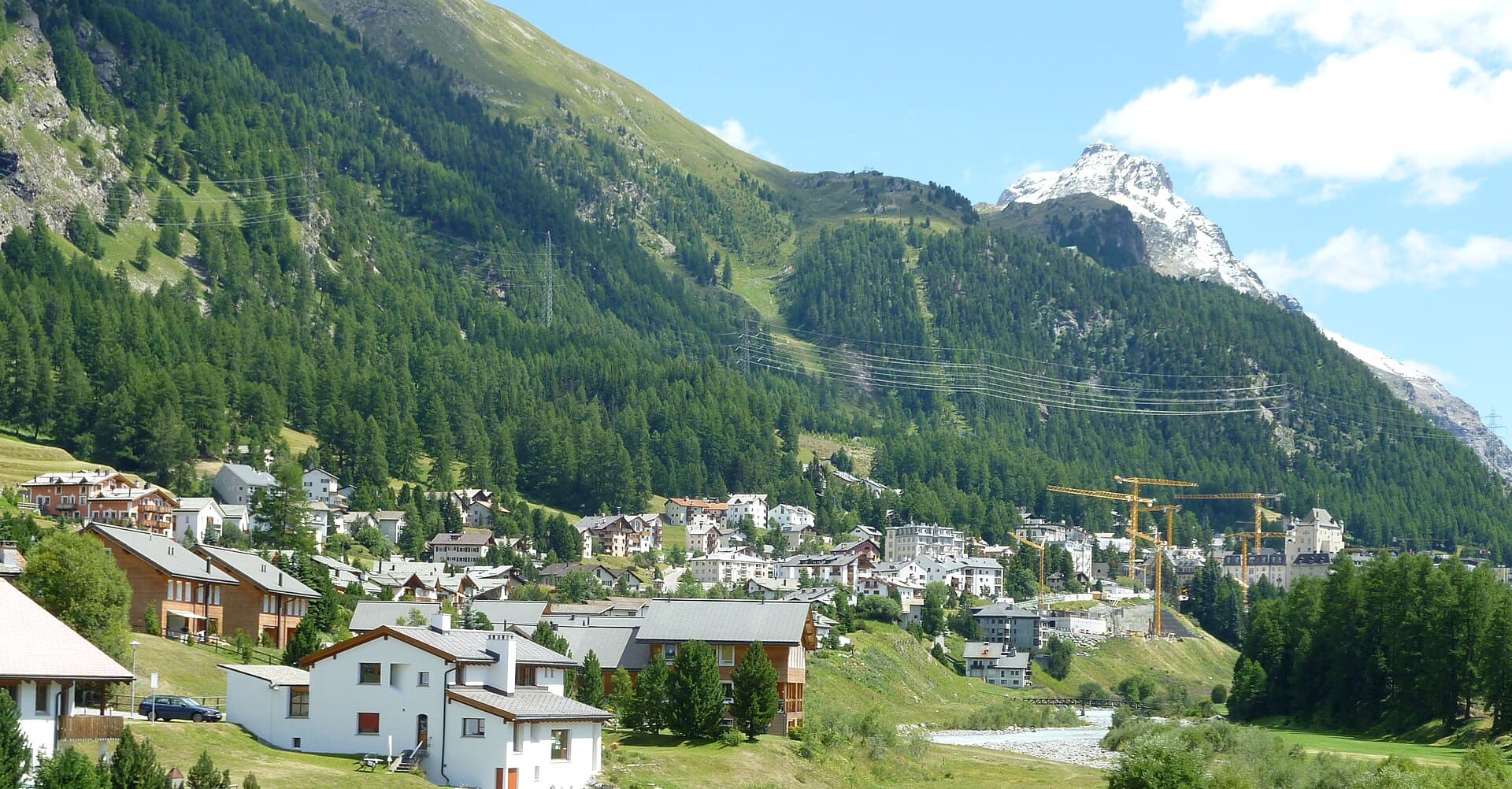 Adrian Michael / CC BY-SA 3.0, via Wikimedia Commons
Tour audio autoguidato di Pontresina — percorso GPS a piedi, riproduzione offline, narrazione coinvolgente in 32 lingue.
“Dove i ghiacciai incontrano la grazia della Belle Époque nell'Alta Engadina.”
Non le cartoline. Le storie che nemmeno i locali conoscono — sussurrate nel tuo orecchio, proprio dove sono accadute.
Il nome Pontresina racchiude un legame leggendario, sebbene storicamente dibattuto, con una banda di antichi viaggiatori.
Alcuni residenti di Pontresina sono straordinariamente a loro agio con la compagnia umana, eppure non sono persone.
In primavera, un grande raduno di animali selvatici scende sorprendentemente nel cuore di Pontresina.
Scopri ogni segreto di Pontresina
Ogni indirizzo, ogni rivelazione completa — nel tuo orecchio, proprio dove è accaduta.
Scegli le tue tappe. Cammini. La voce rivela ciò che gli altri perdono.


Il tuo tour audio autoguidato di Pontresina è pronto — scegli i tuoi punti di interesse, seleziona la tua lingua e inizia nel momento in cui arrivi.
AcquistaLume include una guida in realtà aumentata. Alza il telefono: la fotocamera mostra la strada davanti a te, con una freccia luminosa sovrapposta all'immagine reale che punta sempre verso la tua prossima tappa — nessuna mappa da decifrare, nessuna svolta sbagliata. Come tutto in Lume, funziona completamente offline.
Pontresina, conosciuto nella lingua locale romancia come Puntraschigna, è un villaggio nella Regione di Maloja del cantone dei Grigioni, Svizzera. Situato a circa 1.800 metri (5.905 piedi) sul livello del mare nella Val Bernina, la valle più alta che si dirama dalla Val d'Engadina Superiore, Pontresina offre un mix unico di grandiosi paesaggi alpini e un'atmosfera tranquilla. È spesso considerato il 'vicino silenzioso' della più alla moda St. Moritz, offrendo un ritmo più lento per assaporare l'ambiente naturale incontaminato.
Il villaggio è circondato da imponenti montagne, tra cui il Piz Bernina, la vetta più alta del cantone a 4.049 metri (13.284 piedi), insieme al Piz Zupò e al Piz Palü. La sua posizione offre aria secca e limpida e abbondante sole, rendendolo una destinazione attraente tutto l'anno. Con una popolazione di circa 2.077 residenti, Pontresina mantiene una comunità vivace, fungendo da centro per gli sciatori in inverno e da rifugio per escursionisti e alpinisti in estate.
Le origini di Pontresina risalgono all'Alto Medioevo, con la sua prima menzione documentata che appare in registri latini come 'ad Pontem Sarisinam' tra il 1137 e il 1139. Inizialmente, l'importanza del villaggio derivava dalla sua posizione strategica sul Passo del Bernina, una vitale rotta commerciale che collegava l'Alta Engadina con le valli meridionali e l'Italia. Carovane che trasportavano merci come vino, sale e grano attraversavano regolarmente questa rotta, stabilendo Pontresina come un importante snodo logistico molto prima dell'avvento del turismo.
Nel Medioevo, Pontresina aveva più importanza del vicino St. Moritz. Il villaggio era inizialmente sotto l'influenza dei Vescovi di Coira, ottenendo maggiore autonomia nel XVI secolo dopo aver acquistato i suoi diritti feudali. La Riforma fu adottata dai residenti della valle nel 1549, plasmando il paesaggio religioso della regione. Un incendio significativo nel 1718 distrusse molte delle strutture in legno di Pontresina, portando alla ricostruzione principalmente in pietra.
La metà del XIX secolo segnò una svolta con l'emergere dell'alpinismo e l'arrivo dei pionieri britannici. Pontresina divenne una base primaria per spedizioni alla conquista di vette come il Piz Bernina, portando alla creazione di una delle più antiche associazioni di guide alpine svizzere nel 1871. L'apertura della locanda 'Krone' nel 1850, successivamente il Grand Hotel Kronenhof, segnò l'inizio ufficiale dell'industria alberghiera e del turismo. Ulteriori sviluppi seguirono con il completamento della strada del Passo del Bernina nel 1865 e l'apertura della Ferrovia del Bernina nel 1908, trasformando Pontresina in una rinomata località di montagna e di cura.
Pontresina offre un mix di meraviglie naturali e architettura storica. Il villaggio stesso è caratterizzato da tradizionali case engadinesi in pietra con facciate decorate a sgraffito, alcune risalenti al XVII e XVIII secolo. Questi intricati disegni a graffito spesso raccontano storie di famiglia o offrono protezione, trasformando una semplice passeggiata in un tour architettonico.
I siti storici chiave includono la Chiesa di Santa Maria (Sta. Maria), una chiesa romanica con elementi gotici, famosa per i suoi affreschi bizantino-romanici dal XII al XV secolo. La torre pentagonale della Spaniola, costruita intorno al 1200 con pietre irregolari e massi, è un altro punto di riferimento notevole, costruita sia per ragioni strategiche che di protezione. Il Grand Hotel Kronenhof, un capolavoro della Belle Époque, testimonia il primo boom turistico del villaggio.
Per ampie vedute, considera un giro in funivia sulla Diavolezza, che sale a quasi 3.000 metri (9.842 piedi) e offre scorci sui ghiacciai Pers e Morteratsch, Piz Bernina e Piz Palü. Un'altra popolare escursione è il giro in funicolare sul Muottas Muragl, che offre viste sui laghi dell'Alta Engadina, St. Moritz, Piz Palü e Piz Bernina. Il ghiacciaio del Morteratsch è accessibile tramite un sentiero panoramico dalla stazione di Morteratsch, offrendo viste ravvicinate del ghiacciaio e delle cime circostanti.
Pontresina gode di un tipico clima alpino con inverni freddi e nevosi ed estati fresche e frizzanti. Il mese più freddo è gennaio, con temperature diurne medie intorno ai -6°C (21°F) e minime notturne che raggiungono i -15°C (5°F), rendendolo ideale per gli sport invernali. Le estati sono miti e brevi, con luglio e agosto che registrano temperature diurne medie di circa 10,5°C (51°F) e massime che raramente superano i 15°C (59°F), quindi è consigliabile un abbigliamento caldo anche in estate. I mesi più piovosi sono tipicamente maggio, giugno e luglio, mentre gennaio e febbraio sono i più secchi, sebbene le nevicate siano frequenti in inverno. Per un clima piacevole e attività all'aperto, il periodo migliore per visitare è generalmente da giugno ad agosto.
Le lingue ufficiali parlate a Pontresina sono il tedesco, il romancio e l'italiano. Il dialetto romancio locale è il Putèr. La valuta nazionale è il Franco Svizzero (CHF). Sebbene carte di credito e debito siano ampiamente accettate, è consigliabile portare un po' di contanti per rifugi alpini più piccoli o negozi di souvenir. La mancia non è obbligatoria, poiché i costi del servizio sono solitamente inclusi, ma arrotondare o aggiungere il 5-10% per un servizio eccellente è consuetudine.
I trasporti pubblici a Pontresina e nella più ampia regione dell'Engadina sono efficienti e precisi, rendendo spesso superflua un'auto personale. Il sistema Engadin Bus collega Pontresina con i villaggi vicini come St. Moritz e Samedan. La Ferrovia Retica, patrimonio mondiale dell'UNESCO, serve anche la stazione di Pontresina, offrendo percorsi panoramici verso i ghiacciai e persino l'Italia. Molti hotel offrono una tessera ospite 'Mountain Railways Included' per soggiorni di due notti o più durante l'estate, che consente l'uso gratuito degli impianti di risalita e spesso dei trasporti pubblici.
Pontresina — coreano, cinese, ebraico e altre 29 lingue, ogni tappa narrata da una voce madrelingua. La più ampia scelta di lingue tra i tour audio autoguidati.
Disponibile in: