Panadería Sarpi
Una delicia local espera, un sabor que rara vez se encuentra más allá de esta costa.
La historia completa se desbloquea en el tour
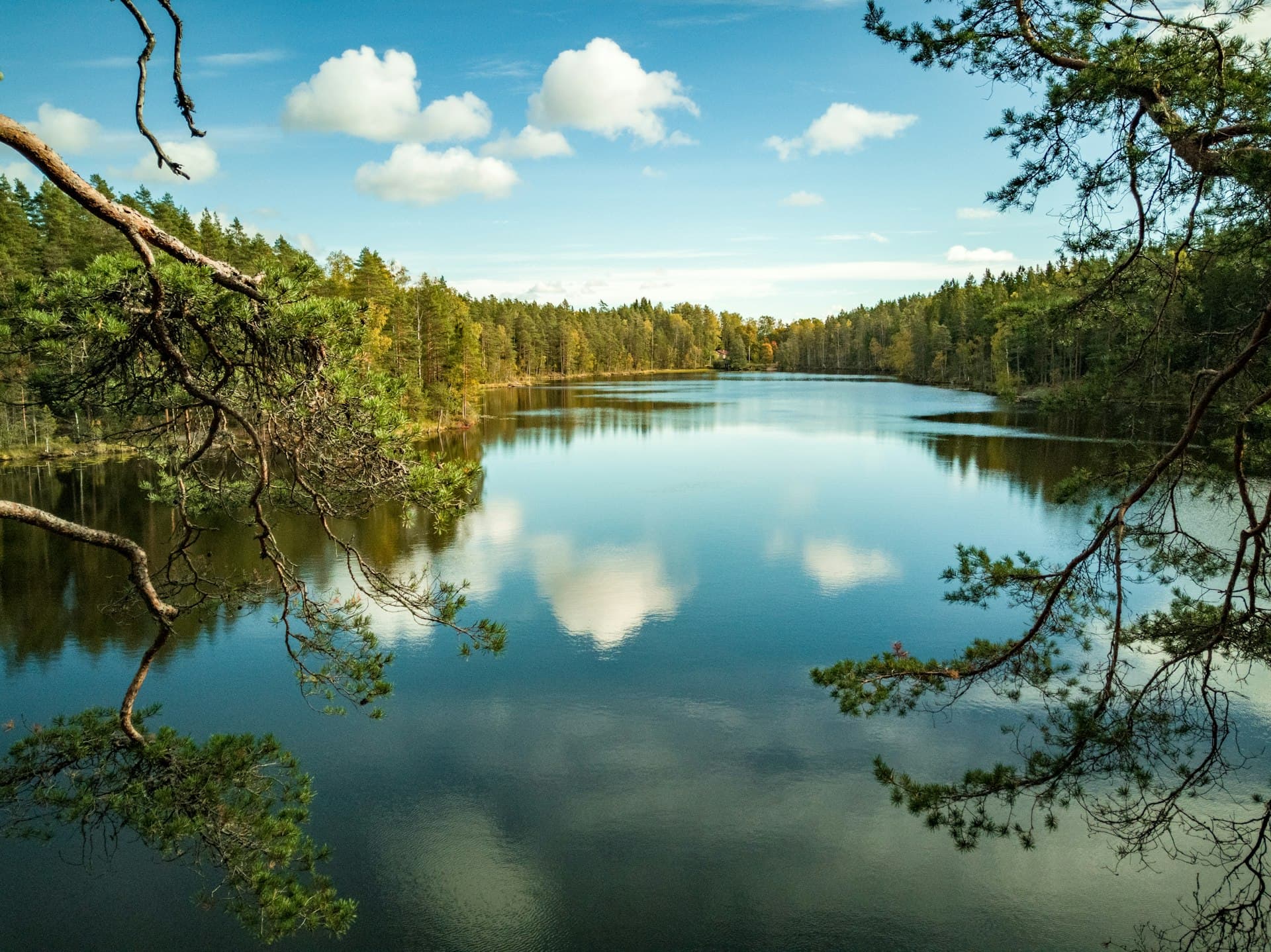 Photo: Narahari K R / Unsplash
Tour de audio autoguiado de Pori — ruta GPS a pie, reproducción offline, narración en 32 idiomas.
“Donde el río abraza el mar, la historia resuena en piedras milenarias y las melodías de jazz flotan en el aire veraniego.”
No las postales. Las historias que ni los locales conocen — al oído, justo donde ocurrieron.
Una delicia local espera, un sabor que rara vez se encuentra más allá de esta costa.
Incluso un faro puede ser un paraíso para los observadores de aves, con un giro inesperado.
Even a lighthouse can be a haven for birdwatchers, with an unexpected twist.
Descubre todos los secretos de Pori
Cada dirección, cada revelación al completo — a tu oído, justo donde ocurrió.
Eliges tus paradas. Caminas. La voz te revela lo que los demás ignoran.


Tu tour de audioguía por Pori te espera — elige tus lugares, tu idioma y empieza al llegar.
ComprarLume incluye una guía de realidad aumentada. Levanta el móvil y su cámara muestra la calle que tienes delante, con una flecha luminosa sobre la imagen real que siempre apunta a tu próxima parada — sin mapas que descifrar, sin giros equivocados. Como todo en Lume, funciona completamente sin conexión.
Pori, una ciudad costera en la región de Satakunta en Finlandia, se asienta donde el río Kokemäenjoki desemboca en el golfo de Botnia. Con una población de aproximadamente 83.000 residentes, ofrece un equilibrio entre la vida urbana y el acceso al mundo natural. Pori es reconocida por su ambiente relajado y sus importantes contribuciones culturales, incluyendo el internacionalmente célebre Festival de Jazz de Pori.
La geografía distintiva de la ciudad, con sus paisajes de delta fluvial y su legado marítimo, ha moldeado su evolución. Desde las extensas arenas de la playa de Yyteri hasta los verdes terrenos de la isla de Kirjurinluoto, Pori presenta una variedad de experiencias para quienes buscan tanto el reposo como la actividad.
Los orígenes de Pori se remontan al siglo XVI, aunque sus raíces se adentran aún más. Fue establecida formalmente el 8 de marzo de 1558 por el duque Juan de Finlandia, quien más tarde se convertiría en el rey Juan III de Suecia. Pori fue fundada como sucesora de las ciudades medievales de Teljä y Ulvila, que se habían vuelto cada vez más inaccesibles para los barcos debido al rebote postglacial que provocó que el río Kokemäki se volviera menos profundo. La decisión del duque Juan de establecer un nuevo puerto y ciudad comercial más cerca del mar fue un movimiento estratégico para mantener el comercio y la influencia económica en la costa oeste.
A lo largo de su existencia, Pori ha demostrado una notable fortaleza, habiendo sido consumida por el fuego nueve veces. El primer incendio registrado ocurrió en 1571, y la última gran conflagración en 1852 devastó más del 75% de la ciudad, dejando a la mayoría de los residentes sin hogar. Tras esta calamidad, un nuevo plan urbanístico fue concebido por el arquitecto sueco C. T. von Chiewitz, lo que llevó a las calles más anchas y los edificios de piedra que caracterizan el actual casco antiguo. Esta fase de reconstrucción, conocida como el nacimiento de la 'Pori de Piedra', permitió a la ciudad resurgir con un diseño más abierto y un renovado enfoque en el comercio y la exportación.
A finales del siglo XIX y principios del XX, Pori experimentó un crecimiento y una modernización sustanciales. La construcción de la línea ferroviaria Tampere-Pori en la década de 1890 mejoró el transporte y la comunicación, mientras que la electrificación en la década de 1920 allanó el camino para nuevas industrias. Durante la Segunda Guerra Mundial, Pori fue bombardeada cuatro veces por la Fuerza Aérea Soviética entre 1939 y 1940, con bombas dirigidas principalmente a la zona del puerto. De 1942 a 1944, el aeropuerto de Pori sirvió como un importante depósito aéreo para la Luftwaffe alemana. A pesar de estas adversidades, Pori continuó desarrollándose, estableciendo nuevas industrias en manufactura, transporte marítimo y turismo, solidificando su papel como un importante centro regional.
Pori presenta una variada gama de lugares de interés, mezclando el esplendor natural con hitos culturales e históricos. Una atracción principal es la playa de Yyteri, una vasta extensión de arena con distintivas formaciones de dunas, perfecta para tomar el sol, nadar y hacer windsurf. Conectada al centro de la ciudad por un puente, la isla de Kirjurinluoto es una querida zona recreativa que cuenta con senderos para caminar, espacios de juego y jardines, y sirve como sede principal del Festival de Jazz de Pori.
El pasado de la ciudad es evidente en su arquitectura, particularmente en los edificios neorrenacentistas del centro y las estructuras industriales de ladrillo rojo a lo largo del río Kokemäenjoki. El Museo Satakunta ofrece una exploración exhaustiva de la historia de la región, mientras que el Museo de Arte de Pori exhibe diversas exposiciones. Para una experiencia singular, visite el Mausoleo de Juselius, célebre por su magnífico diseño y obras de arte. A poca distancia en coche de Pori, la isla de Reposaari ofrece una visión de la Finlandia rural con sus casas de madera y carácter marítimo, y cerca, el Faro de Kallo ofrece vistas panorámicas y oportunidades para la observación de aves. Las Herrerías de Leineperi, que datan del siglo XVIII, ofrecen una visión del pasado industrial de Finlandia.
El momento ideal para experimentar Pori para actividades de clima cálido es desde finales de junio hasta mediados de agosto. Julio es el mes más cálido, con máximas diarias promedio alrededor de 20°C (68°F). Junio ofrece algunos de los días más soleados y un clima generalmente agradable. Agosto proporciona una cómoda experiencia de finales de verano con temperaturas más suaves y menos visitantes después del Festival de Jazz de Pori. Si planea asistir al Festival de Jazz de Pori en julio, es crucial asegurar el alojamiento con mucha antelación debido a la alta demanda.
Pori es de fácil acceso, con servicios directos de autobús desde Helsinki que tardan aproximadamente tres horas y media. El viaje en tren también es una opción, aunque generalmente implica un cambio en Tampere, con un viaje total desde Helsinki que también dura alrededor de tres horas y media. Dentro de Pori, el centro de la ciudad es transitable a pie, y los autobuses locales proporcionan transporte a atracciones más lejanas, como la playa de Yyteri y el Mausoleo de Juselius. Los billetes para los autobuses locales se pueden comprar con una tarjeta bancaria NFC o a través de la aplicación móvil Kyyti Likel, que ofrece tarifas reducidas para varios billetes. Si visita durante el Festival de Jazz de Pori en julio, tenga en cuenta que los precios del alojamiento serán elevados y la disponibilidad limitada, así que reserve con mucha antelación. En general, Pori ofrece una buena relación calidad-precio en comparación con la región capital de Finlandia.
Pori en coreano, en chino o en hebreo — y 29 idiomas más, cada parada narrada por una voz nativa. La mayor variedad de idiomas de cualquier audioguía autoguiada.
Disponible en: