Пролив Порос
Вы почти можете дотянуться до материка с Пороса, но это не всегда была просто короткая поездка на пароме.
Полная история открывается в туре
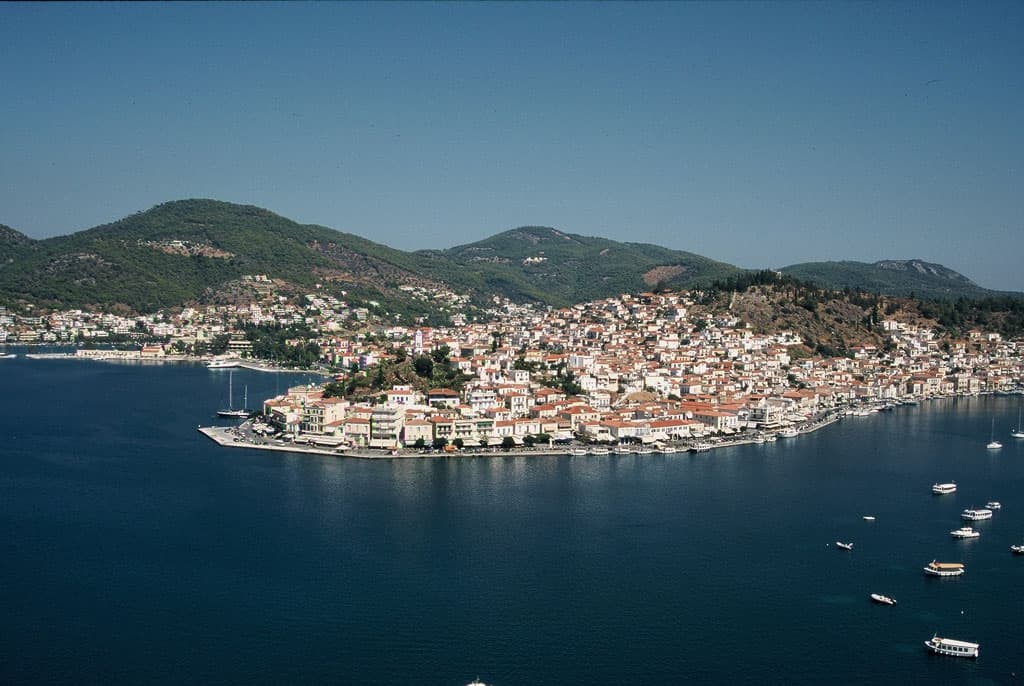 Agnee / CC BY 2.0, via Wikimedia Commons
Самостоятельная аудиопрогулка по Порос — GPS-маршрут, офлайн-воспроизведение, увлекательное повествование на 32 языках.
“Где материк шепчет через узкий пролив, Порос предлагает островной отдых с неожиданной связью.”
Не открытки. Истории, которые не знают даже местные жители — шепотом в вашем ухе, прямо там, где они произошли.
Вы почти можете дотянуться до материка с Пороса, но это не всегда была просто короткая поездка на пароме.
Эта ароматная роща на материке хранит тайну, выходящую за пределы ее цитрусового аромата.
Эта безмятежная бухта на Поросе хранит темную тайну из прошлого острова.
Откройте для себя каждый секрет Порос
Каждый адрес, каждое полное раскрытие — в вашем ухе, прямо там, где это произошло.
Вы выбираете остановки. Вы гуляете. Голос раскрывает то, что упускают другие.


Ваш самостоятельный аудиотур по Порос готов — выберите свои достопримечательности, выберите свой язык и начните в момент прибытия.
КупитьВ Lume встроен гид дополненной реальности. Поднимите телефон: камера показывает улицу перед вами, а поверх реального изображения светится стрелка, всегда указывающая на вашу следующую остановку — не нужно разбираться с картой и сворачивать не туда. Как и всё в Lume, это работает полностью офлайн.
Порос, небольшой греческий остров в Сароническом заливе, обладает особым очарованием, отличаясь уникальной географией. Это остров, который ощущается глубоко связанным с материком, отделенный от Пелопоннеса проливом настолько узким — всего 200 метров в самой узкой точке — что создается впечатление плавания по реке, а не по открытому морю. Эта близость к материку сформировала его характер, предлагая как спокойствие островной жизни, так и легкий доступ к историческим местам и разнообразным ландшафтам.
Сам остров состоит из двух массивов суши: покрытой соснами Калаврии и меньшего вулканического Сферии, где построен город Порос. Город Порос, с его неоклассическими домами, взбирающимися по склону холма, и культовой часовой башней на вершине, разворачивает живописную панораму при приближении на пароме. Известные писатели, такие как Генри Миллер и Джордж Сеферис, были очарованы Поросом, находя вдохновение в его свете, сосновом воздухе и уникальном морском пейзаже пролива.
Порос часто считается недооцененным направлением, спокойной альтернативой более оживленным греческим островам, однако он предлагает богатое сочетание истории, природной красоты и подлинной греческой островной жизни. Это место, где можно насладиться чистыми водами, исследовать древние руины и окунуться в оживленную гавань, и все это в пределах легкой досягаемости от Афин.
## Древние корни и мифологические связи Порос, известный в древности как Калаврия, имеет историю, уходящую в глубокую древность. Изначально он был посвящен богу Аполлону, прежде чем был уступлен Посейдону, богу моря, в обмен на Дельфийский оракул. Следы Храма Посейдона, основанного в VI веке до нашей эры, до сих пор можно найти на острове, что делает его значительным религиозным и политическим центром Саронического региона. Этот храм когда-то был местом встречи Калаврийской лиги, конфедерации городов-государств, которая веками влияла на политику Эгейского моря.
Одно из самых драматичных исторических событий, связанных с Храмом Посейдона, произошло в 322 году до нашей эры, когда афинский оратор Демосфен искал там убежища, преследуемый македонцами. Чтобы избежать захвата, он трагически покончил жизнь самоубийством, отравившись болиголовом в святилище.
## От пиратов до военно-морской державы После своего древнего значения Порос пережил периоды упадка. В Средние века остров был в основном необитаем и стал пристанищем для пиратов, которые нападали на Саронические острова и побережье Пелопоннеса. Венецианцы оккупировали Порос в 1484 году, используя его стратегическое положение как порт во время своих военно-морских конфликтов с османами. В этот период Порос значительно вырос, став одним из крупнейших городов Греции с населением около 15 000 человек.
Османское владычество началось на Поросе гораздо позже, в 1715 году. Несмотря на это, остров развил сильный торговый флот. Порос сыграл решающую роль в Греческой войне за независимость в 1821 году, служа важным местом для революционных собраний, а в 1830 году стал первой военно-морской базой Греции. Первая военно-морская академия независимой Греции также была основана здесь в 1828 году, недалеко от Русской верфи. В сентябре 1828 года Порос принял ключевое совещание, на котором послы Англии, Франции и России встретились с Иоаннисом Каподистрией для определения границ нового независимого греческого государства.
## Современная эпоха и культурное значение Хотя основная деятельность военно-морской базы переместилась на Саламис в 1878 году, объект на Поросе продолжал служить учебным центром для военно-морского персонала. Остров продолжал привлекать выдающихся деятелей на протяжении веков. «Красный дом» или Вилла Галини, внушительное каменное поместье, принимало важных гостей, таких как Элефтериос Венизелос и художник Марк Шагал. Лауреат Нобелевской премии Джордж Сеферис также проживал на Вилле Галини с 1946 по 1949 год, находя вдохновение для некоторых из своих самых значительных стихов. Живописный город острова с его неоклассической архитектурой в основном развивался в XIX веке, отражая его важность как военно-морской базы в первые годы греческой независимости.
Начните свое исследование с города Порос, где неоклассические здания выстроились вдоль набережной, а узкие мощеные камнем улочки вьются вверх по склону холма. Самая узнаваемая достопримечательность города — Часовая башня, построенная в 1927 году, откуда открываются обширные виды на гавань, материк Пелопоннес и окружающие сосновые холмы. Прогулка по этим переулкам откроет вам причудливые магазины, традиционные таверны и уютные кафе.
Чтобы заглянуть в прошлое острова, посетите Археологический музей Пороса на площади Коризи, где хранятся артефакты из Святилища Посейдона и других близлежащих древних мест. Руины самого Святилища Посейдона, расположенного на северо-восточном холме Калаврии, являются исторически значимым местом, предлагая ощутимую связь с древнегреческой историей и впечатляющие виды на Саронический залив.
За пределами города откройте для себя монастырь Зоодохос Пиги, монастырь XVIII века, расположенный на зеленом холме с высокими стенами и монашескими кельями. Русская военно-морская верфь, расположенная в живописной бухте, включает остатки построек XIX века, которые когда-то снабжали русский флот. Для природной красоты отправляйтесь на разнообразные пляжи острова. Любовная бухта (Love Bay) известна своими чистыми, спокойными водами и сосновыми тенями на песке, а пляж Аскели предлагает организованные удобства и водные виды спорта. Русская бухта (Russian Bay), доступная на водном такси, представляет собой более уединенную песчаную бухту. Не пропустите короткую поездку на лодке в Лимонный лес на материке, где воздух наполнен ароматом цитрусовых.
Идеальное время для посещения Пороса — весна (апрель-май) и ранняя осень (сентябрь-октябрь). В эти переходные сезоны температура комфортная, колеблется от 20 до 25°C, а толпы туристов меньше. Весной цветут полевые цветы и пышные сосны, а осенью — теплая морская вода, подходящая для купания. Хотя лето (июнь-август) — пик сезона с температурой до 30-35°C, оно может быть жарким и многолюдным. Многие гостиницы и рестораны открыты с мая по октябрь. Зимой (ноябрь-март) температура ниже, и многие заведения закрыты, хотя остров сохраняет безмятежную атмосферу.
Порос легко доступен, расположен примерно в 58 км к югу от Пирея, порта Афин. Паромы из Пирея идут примерно 2-2,5 часа, с несколькими ежедневными отправлениями. Альтернативно, вы можете доехать примерно за час от Афин до Галатаса на полуострове Пелопоннес, а затем совершить 90-секундную поездку на пароме с автомобилем через узкий канал до Пороса. Этот вариант предлагает гибкость для однодневных поездок на материковые достопримечательности, такие как Эпидавр или Нафплио. Аренда автомобиля обеспечивает максимальную гибкость для исследования острова, поскольку общественный транспорт ограничен. Доступны такси и местные автобусы, а небольшие лодки часто пересекают пролив до Галатаса.
Варианты размещения варьируются от небольших отелей в городе Порос до более крупных курортов рядом с пляжами, такими как Аскели и Неорио. Обеды в Галатасе могут предложить более аутентичные и бюджетные варианты, так как эти таверны в основном обслуживают местных жителей. В Греции действует налог на климатическую устойчивость, уплачиваемый при регистрации, который варьируется в зависимости от звездности размещения и сезона.
Порос: корейский, китайский, иврит и ещё 29 языков — каждую остановку озвучивает носитель языка. Самый широкий выбор языков среди аудиоэкскурсий без гида.
Доступные языки: