The Bump Track
Prima che Port Douglas diventasse un porto vivace, un determinato esploratore aprì un sentiero che ne cambiò il corso.
La storia completa si sblocca nel tour
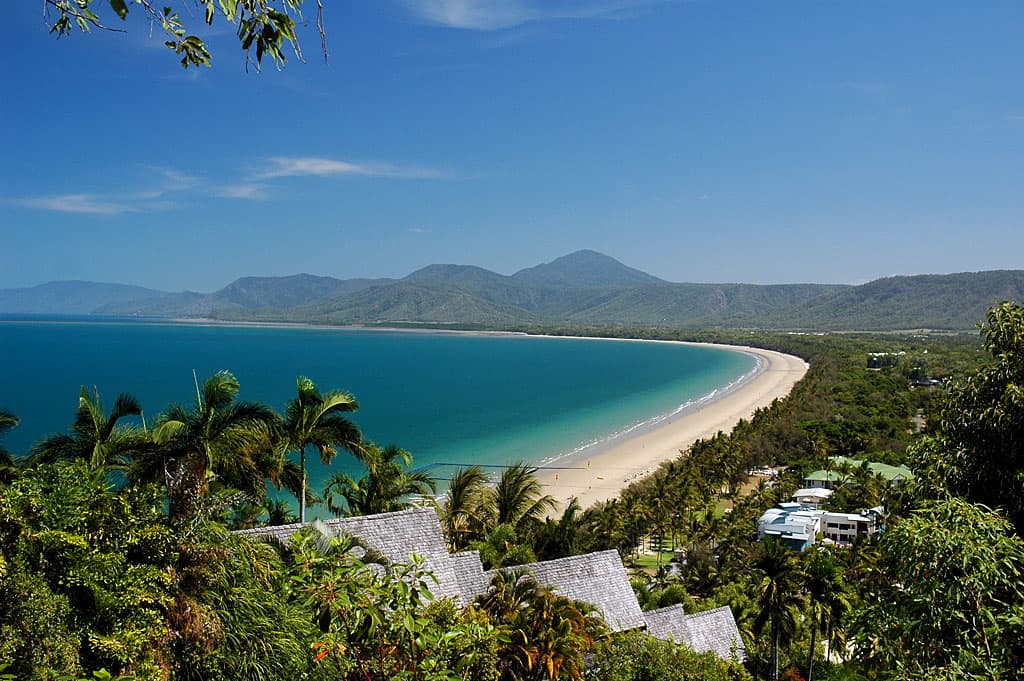 Malcolmj / CC BY-SA 2.0, via Wikimedia Commons
Tour audio autoguidato di Port Douglas — percorso GPS a piedi, riproduzione offline, narrazione coinvolgente in 32 lingue.
“Dove antiche foreste pluviali incontrano l'immensità del Mar dei Coralli.”
Non le cartoline. Le storie che nemmeno i locali conoscono — sussurrate nel tuo orecchio, proprio dove sono accadute.
Prima che Port Douglas diventasse un porto vivace, un determinato esploratore aprì un sentiero che ne cambiò il corso.
Questo celebrato tratto di sabbia non è così esteso come suggerisce il suo nome.
La via centrale di Port Douglas porta il nome di un politico del Queensland, anche se non quello a cui la città stessa è intitolata.
Scopri ogni segreto di Port Douglas
Ogni indirizzo, ogni rivelazione completa — nel tuo orecchio, proprio dove è accaduta.
Scegli le tue tappe. Cammini. La voce rivela ciò che gli altri perdono.

Il tuo tour audio autoguidato di Port Douglas è pronto — scegli i tuoi punti di interesse, seleziona la tua lingua e inizia nel momento in cui arrivi.
AcquistaLume include una guida in realtà aumentata. Alza il telefono: la fotocamera mostra la strada davanti a te, con una freccia luminosa sovrapposta all'immagine reale che punta sempre verso la tua prossima tappa — nessuna mappa da decifrare, nessuna svolta sbagliata. Come tutto in Lume, funziona completamente offline.
Port Douglas, conosciuta nella lingua Kuku Yalanji come Jabulkanji, è un insediamento costiero nel Queensland, Australia, a circa 60 chilometri a nord di Cairns. Serve come punto di ingresso a due meraviglie naturali patrimonio dell'UNESCO: la Grande Barriera Corallina e la Foresta Pluviale di Daintree. Questa tranquilla città tropicale offre una miscela singolare di grandezza naturale e un'atmosfera rilassata, con la sua Four Mile Beach fiancheggiata da alberi e un centro compatto costellato di caffè e ristoranti.
Originariamente fondata come città portuale durante la corsa all'oro di Hodgkinson nel 1876, Port Douglas ha subito diverse trasformazioni nel corso della sua esistenza, evolvendosi da un vivace centro minerario a un tranquillo villaggio di pescatori, e infine a una destinazione turistica di prim'ordine. Il suo fascino risiede nel suo impareggiabile accesso a diversi ecosistemi, che offre opportunità per esplorare vivaci barriere coralline, foreste pluviali antiche e profonda cultura indigena.
La storia di Port Douglas iniziò nel 1876 con la scoperta dell'oro sul fiume Hodgkinson. La necessità di un porto diretto per spedire l'oro portò alla fondazione della città nel 1877. L'esploratore Christie Palmerston aprì il difficile 'Bump Track' dall'altopiano di Atherton alla costa, consolidando il ruolo di Port Douglas come vitale centro commerciale ed esportatore. Nel novembre 1876, la città fu ufficialmente chiamata in onore di John Douglas, allora Premier del Queensland, con l'insenatura chiamata Dickson Inlet.
La città si espanse rapidamente, superando Cairns come porto principale per i campi auriferi e minerari di stagno. Entro il 1878, Port Douglas contava circa 400 abitanti e 18 alberghi autorizzati. Uffici governativi, banche e un tribunale furono rapidamente istituiti, riflettendo la sua prosperità iniziale. Tuttavia, questa espansione fu breve. Il completamento di un collegamento ferroviario dall'altopiano a Cairns nel 1885 ridusse l'importanza di Port Douglas come principale snodo dei trasporti.
Di fronte al declino, la regione reindirizzò i suoi sforzi verso l'agricoltura, con la canna da zucchero che divenne una nuova linfa economica dopo che la febbre del tick decimò le mandrie di bestiame. La prima lavorazione della Mossman Mill nel 1897 e la successiva costruzione di una linea ferroviaria per il molo dello zucchero di Port Douglas nel 1900 rivitalizzarono brevemente la città. Tuttavia, un devastante ciclone nel 1911 causò distruzioni su vasta scala, danneggiando o demolendo molti edifici e portando a un ulteriore declino poiché le attività commerciali si trasferirono a Mossman. Entro il 1960, Port Douglas era tornata a essere un tranquillo villaggio di pescatori con una popolazione di circa 100 residenti.
La moderna trasformazione della città iniziò negli anni '70, quando i visitatori iniziarono a scoprire il suo sereno paradiso. La costruzione dell'aeroporto internazionale di Cairns negli anni '80 elevò ulteriormente il suo profilo turistico. Un punto di svolta significativo fu lo sviluppo del resort a 5 stelle Sheraton Mirage su Four Mile Beach nel 1988 da parte di Christopher Skase, che consolidò la posizione di Port Douglas come una delle principali destinazioni turistiche internazionali. Oggi, Port Douglas mantiene il suo carattere rilassato attirando visitatori desiderosi di esplorare la Grande Barriera Corallina e la Foresta Pluviale di Daintree.
Port Douglas offre una gamma di attività, dall'esplorazione delle meraviglie naturali alla degustazione dell'atmosfera rilassata della città. Un viaggio alla Grande Barriera Corallina è un punto culminante, con numerose compagnie che offrono escursioni giornaliere dal porto turistico per immersioni subacquee e snorkeling in luoghi come Agincourt Reef e Low Isles. Più vicino alla città, Four Mile Beach offre un lungo tratto di sabbia per passeggiate tranquille o nuotate, con bagnini in servizio e reti anti-medusa durante i mesi più caldi.
Il Flagstaff Hill Walking Trail offre ampie viste costiere, collegando Four Mile Beach al Rex Smeal Park, dove residenti locali e visitatori si riuniscono per il tramonto. Per l'esplorazione della foresta pluviale, la Foresta Pluviale di Daintree e la Gola di Mossman sono facilmente accessibili. I visitatori possono partecipare a passeggiate guidate per conoscere la cultura indigena e il bush tucker, o semplicemente immergersi nella grandezza dell'antica foresta. Gli appassionati di fauna selvatica possono visitare Hartley's Crocodile Adventures per osservare coccodrilli, casuari e altri animali australiani nativi. Macrossan Street, la via centrale della città, è ideale per curiosare tra boutique, gallerie e godersi la cucina locale. La domenica, i Port Douglas Markets ad Anzac Park offrono prodotti freschi, artigianato e street food.
Port Douglas gode di un clima tropicale con due stagioni distinte: la 'stagione secca' (inverno) da maggio a ottobre, e la 'stagione umida' (estate) da novembre ad aprile. La stagione secca è generalmente considerata il periodo più favorevole per visitare, con temperature confortevoli che vanno dai 19 ai 26°C, bassa umidità e cieli azzurri limpidi, rendendola ideale per attività all'aperto ed escursioni sulla barriera corallina. La stagione umida porta un clima più caldo e umido, con temperature che vanno dai 23 ai 31°C e piogge occasionali e abbondanti, spesso la sera. Sebbene sia la stagione delle lussureggianti foreste pluviali e delle cascate impetuose, è anche la 'stagione delle meduse', che richiede cautela quando si nuota nell'oceano.
Port Douglas si trova a circa un'ora di auto a nord di Cairns, che ospita l'aeroporto più vicino con voli domestici diretti. Dall'aeroporto di Cairns, i visitatori possono raggiungere Port Douglas tramite auto a noleggio, bus navetta, taxi o trasferimento privato. Sebbene il centro della città sia percorribile a piedi, gli autobus navetta effettuano un giro circolare in città, collegando gli hotel alla strada principale. Noleggiare un'auto è consigliabile per esplorare le attrazioni oltre la città, come la Foresta Pluviale di Daintree.
La valuta locale è il Dollaro Australiano (AUD). Le carte di credito sono ampiamente accettate e il contante può essere cambiato in banca. L'Australia utilizza corrente alternata a 240V, quindi potrebbero essere necessari adattatori. Port Douglas è generalmente considerata una città sicura, ma i visitatori dovrebbero essere consapevoli della fauna selvatica pericolosa, inclusi i coccodrilli marini e le meduse marine. Nuotare sempre nelle aree sorvegliate tra le bandiere e seguire i consigli locali sulla sicurezza in acqua.
Port Douglas — coreano, cinese, ebraico e altre 29 lingue, ogni tappa narrata da una voce madrelingua. La più ampia scelta di lingue tra i tour audio autoguidati.
Disponibile in: