Musée de Portimão
Ce musée, installé dans une ancienne conserverie de sardines, offre un voyage étonnamment profond bien au-delà du simple poisson.
L'histoire complète se débloque dans le tour
 Joseolgon / CC BY-SA 4.0, via Wikimedia Commons
Visite audio autoguidée de Portimão — parcours GPS à pied, lecture hors ligne, narration en 32 langues.
“Où le parfum des sardines grillées se mêle aux récits ancestraux.”
Pas les cartes postales. Les histoires que même les habitants ignorent — soufflées à l'oreille, là où elles se sont passées.
Ce musée, installé dans une ancienne conserverie de sardines, offre un voyage étonnamment profond bien au-delà du simple poisson.
Le plus ancien casino de l'Algarve, fondé en 1910, servait à des fins autres que de simples jeux de hasard ; il attirait une clientèle distincte.
Ce fort du XVIIe siècle, gardant l'embouchure de la rivière Arade, ne se concentrait pas uniquement sur les menaces maritimes.
Découvrez tous les secrets de Portimão
Chaque adresse, chaque révélation en entier — dans ton oreille, là où elle s'est passée.
Tu choisis tes lieux. Tu marches. La voix te révèle ce que les autres ignorent.


Lume intègre un guide en réalité augmentée. Levez votre téléphone : sa caméra montre la rue devant vous, avec une flèche lumineuse posée sur l'image réelle qui pointe toujours vers votre prochain arrêt — aucune carte à déchiffrer, aucun mauvais virage. Comme tout dans Lume, ça fonctionne entièrement hors-ligne.
Portimão, ville de la côte ouest de l'Algarve, harmonise les rythmes d'un port de travail avec l'attrait d'une destination touristique prisée. Située à l'embouchure de la rivière Arade, elle a historiquement servi de carrefour maritime vital. Bien que de nombreux visiteurs soient attirés par les vastes sables dorés de Praia da Rocha, la ville elle-même invite à une exploration plus profonde de la vie portugaise, de ses rues piétonnes animées à une promenade fluviale parfumée par les sardines grillées au charbon de bois.
L'identité de la ville est profondément liée à la mer, un héritage évident dans ses traditions culinaires et ses célébrations culturelles. Au-delà des plages, Portimão offre une base pratique et bien connectée pour découvrir la région plus large de l'Algarve, avec un accès facile à de charmants villages voisins et à des paysages naturels.
Portimão est une ville qui s'est transformée au fil des siècles, passant d'un ancien poste de commerce à un centre industriel, et enfin, une capitale touristique moderne, tout en préservant son esprit marin distinct.
L'histoire de Portimão s'étend dans l'Antiquité profonde, bien avant la formation du Portugal moderne. Sa position stratégique à l'embouchure de la rivière Arade en a fait un important abri naturel et un port commercial pour diverses civilisations anciennes, notamment les Phéniciens, les Grecs et les Carthaginois. On pense que les Carthaginois ont fondé deux colonies à proximité au milieu du VIe siècle av. J.-C., dont l'une, Portus Magonis, est considérée comme le noyau de l'actuelle Portimão. Les Romains ont ensuite incorporé la région à leur empire, avec des découvertes archéologiques près de Figueira à Quinta da Abicada révélant les vestiges d'une villa romaine avec des sols en mosaïque et des fresques, indiquant une présence romaine florissante.
Durant les cinq siècles de domination maure, Portimão est resté un petit village de pêcheurs. En 1249, il fut repris aux Arabes par les Chevaliers de l'Ordre de Santiago et devint partie du royaume naissant du Portugal sous Afonso III. En raison des raids incessants de pirates d'Afrique du Nord et d'Europe du Nord, la zone côtière était considérée comme dangereuse, ce qui conduisit à la création officielle d'une nouvelle ville fortifiée, Vila Nova de Portimão, au XVe siècle, dotée de murs de protection. D'autres défenses, comme le Fort de Santa Catarina, furent construites au XVIIe siècle pour garder l'embouchure de la rivière Arade.
Le tremblement de terre de Lisbonne de 1755 et le tsunami qui s'ensuivit dévastèrent une grande partie de la ville, détruisant l'église principale et endommageant gravement les murs de la ville et les chapelles, entraînant une période de déclin économique. Cependant, la fin du XIXe et le début du XXe siècle virent une reprise significative avec l'essor de l'industrie de la conserve de poisson, en particulier les sardines. Portimão se transforma en un centre industriel animé, devenant l'un des plus importants centres de pêche et d'emballage de l'Algarve. Des dizaines d'usines bordaient les rives de la rivière, traitant la prise quotidienne et exportant des sardines à travers l'Europe et au-delà, créant des milliers d'emplois et laissant une empreinte culturelle durable.
En 1924, Vila Nova de Portimão fut officiellement élevée au rang de ville et devint simplement Portimão. Bien que l'industrie de la conserve ait finalement connu une récession dans les années 1980, la fin du XXe siècle marqua un nouveau chapitre avec l'expansion du tourisme, attirant les visiteurs vers ses plages comme Praia da Rocha. Aujourd'hui, Portimão continue d'évoluer, équilibrant son passé industriel avec son rôle moderne de destination touristique animée.
Portimão présente une combinaison de splendeur côtière et d'aperçus culturels. Praia da Rocha est une plage emblématique, définie par son sable doré, ses eaux claires et ses falaises de grès. Une promenade s'étend le long de la plage, bordée de divers bars, restaurants et discothèques. Le Fort de Santa Catarina, situé à une extrémité de Praia da Rocha, offre des vues imprenables sur la plage et l'estuaire de l'Arade. De l'autre côté de la rivière, le charmant village de Ferragudo, avec ses rues étroites et pavées et ses maisons traditionnelles, invite à l'exploration.
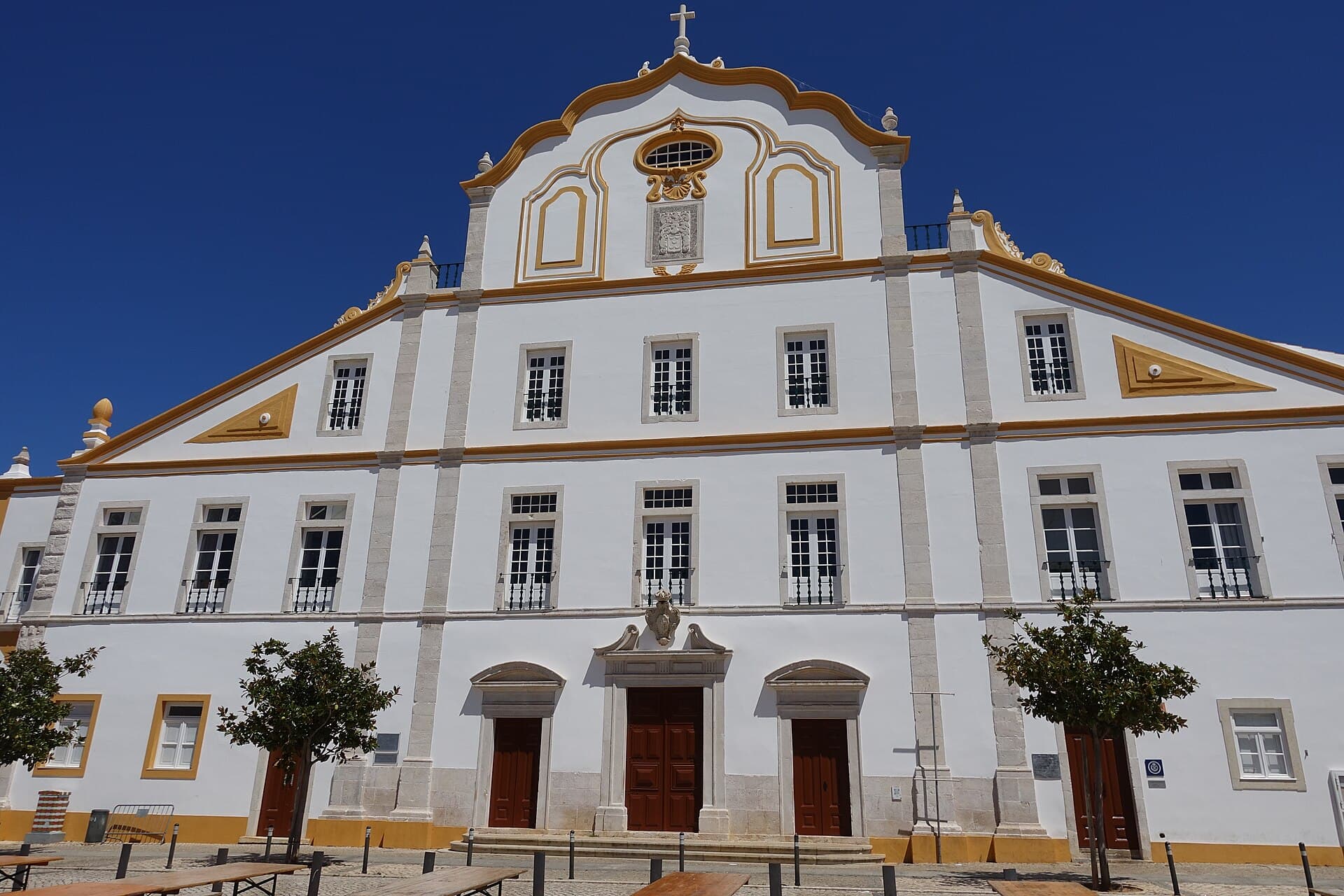
Pour un aperçu du passé de la ville, le Musée de Portimão, installé dans une ancienne conserverie de sardines sur le front de mer, expose le patrimoine industriel et maritime de la région, de l'époque romaine au boom de la conserve de sardines. Le centre-ville comprend des rues commerçantes piétonnes, des églises historiques comme l'Igreja de Nossa Senhora da Conceição avec son portail gothique, et l'Igreja do Colégio dos Jesuítas, la plus grande église de l'Algarve. La zone riveraine (Zona Ribeirinha) est idéale pour des promenades tranquilles, offrant des vues sur la rivière Arade et de nombreux cafés et restaurants réputés pour leurs sardines grillées.
Au-delà des attractions principales, envisagez une excursion en bateau depuis la Marina de Portimão pour explorer le littoral, y compris les grottes marines et les opportunités d'observation des dauphins. D'autres plages comme Praia do Vau et Praia do Alemão offrent des alternatives plus calmes avec des formations rocheuses distinctes.
Portimão bénéficie d'un climat méditerranéen à étés chauds avec plus de 3 000 heures d'ensoleillement par an. La meilleure période pour les activités de plage s'étend de début juillet à début septembre, lorsque les températures moyennes sont d'environ 27-29°C (81-84°F) et que les précipitations sont minimes. Août est particulièrement animé, accueillant le célèbre Festival de la Sardine, bien que les plages puissent être bondées.
Pour une expérience plus sereine avec un temps agréable, envisagez de visiter au printemps (avril-mai) ou en automne (mi-septembre-octobre). Les températures pendant ces saisons sont chaudes mais pas excessivement élevées, autour de 23-26°C (73-79°F), et il y a moins de monde, ce qui entraîne souvent des tarifs d'hébergement plus bas. Les hivers sont doux, avec des températures diurnes moyennes d'environ 15°C (59°F), et bien qu'il y ait plus de précipitations, les averses ont tendance à être brèves.
Portimão est considérée comme une ville sûre et accueillante pour les visiteurs. Des précautions standard, telles que la vigilance concernant vos effets personnels dans les zones bondées, sont conseillées. Le centre-ville est mieux exploré à pied, mais sachez que de nombreuses rues et trottoirs sont pavés de pavés, ce qui rend le port de chaussures confortables judicieux.
Les options de transport en commun comprennent les bus locaux. Si vous conduisez, sachez que le centre-ville a un système de sens unique déroutant, il est donc recommandé d'utiliser un GPS avec une adresse spécifique. Le stationnement peut être difficile pendant la haute saison, alors envisagez les parkings périphériques.
Le portugais est la langue officielle et la monnaie est l'euro. Les habitants sont généralement accueillants et serviables. Pour les repas, la zone riveraine est réputée pour ses restaurants de fruits de mer traditionnels, en particulier pour les sardines grillées.
Portimão en coréen, en chinois ou en hébreu — et dans 29 autres langues, chaque étape narrée par une voix native. La plus large gamme de langues de tous les audioguides autoguidés.
Disponible en :