Mill Ends Park
Un parco a Portland è così minuscolo che quasi lo si scavalca senza nemmeno uno sguardo.
La storia completa si sblocca nel tour
 Spicypepper999 / CC0, via Wikimedia Commons
Tour audio autoguidato di Portland — percorso GPS a piedi, riproduzione offline, narrazione coinvolgente in 32 lingue.
“Oltre le rose, dove il peculiare prospera.”
Non le cartoline. Le storie che nemmeno i locali conoscono — sussurrate nel tuo orecchio, proprio dove sono accadute.
Un parco a Portland è così minuscolo che quasi lo si scavalca senza nemmeno uno sguardo.
Prima di diventare una sensazione globale, questa particolare pasticceria di ciambelle è iniziata con uno scopo sorprendentemente semplice.
Sotto le arterie di Old Town, una rete di tunnel racconta un passato più oscuro, anche se le narrazioni più famigerate potrebbero essere più mito che realtà.
Scopri ogni segreto di Portland
Ogni indirizzo, ogni rivelazione completa — nel tuo orecchio, proprio dove è accaduta.
Scegli le tue tappe. Cammini. La voce rivela ciò che gli altri perdono.


Il tuo tour audio autoguidato di Portland è pronto — scegli i tuoi punti di interesse, seleziona la tua lingua e inizia nel momento in cui arrivi.
AcquistaLume include una guida in realtà aumentata. Alza il telefono: la fotocamera mostra la strada davanti a te, con una freccia luminosa sovrapposta all'immagine reale che punta sempre verso la tua prossima tappa — nessuna mappa da decifrare, nessuna svolta sbagliata. Come tutto in Lume, funziona completamente offline.
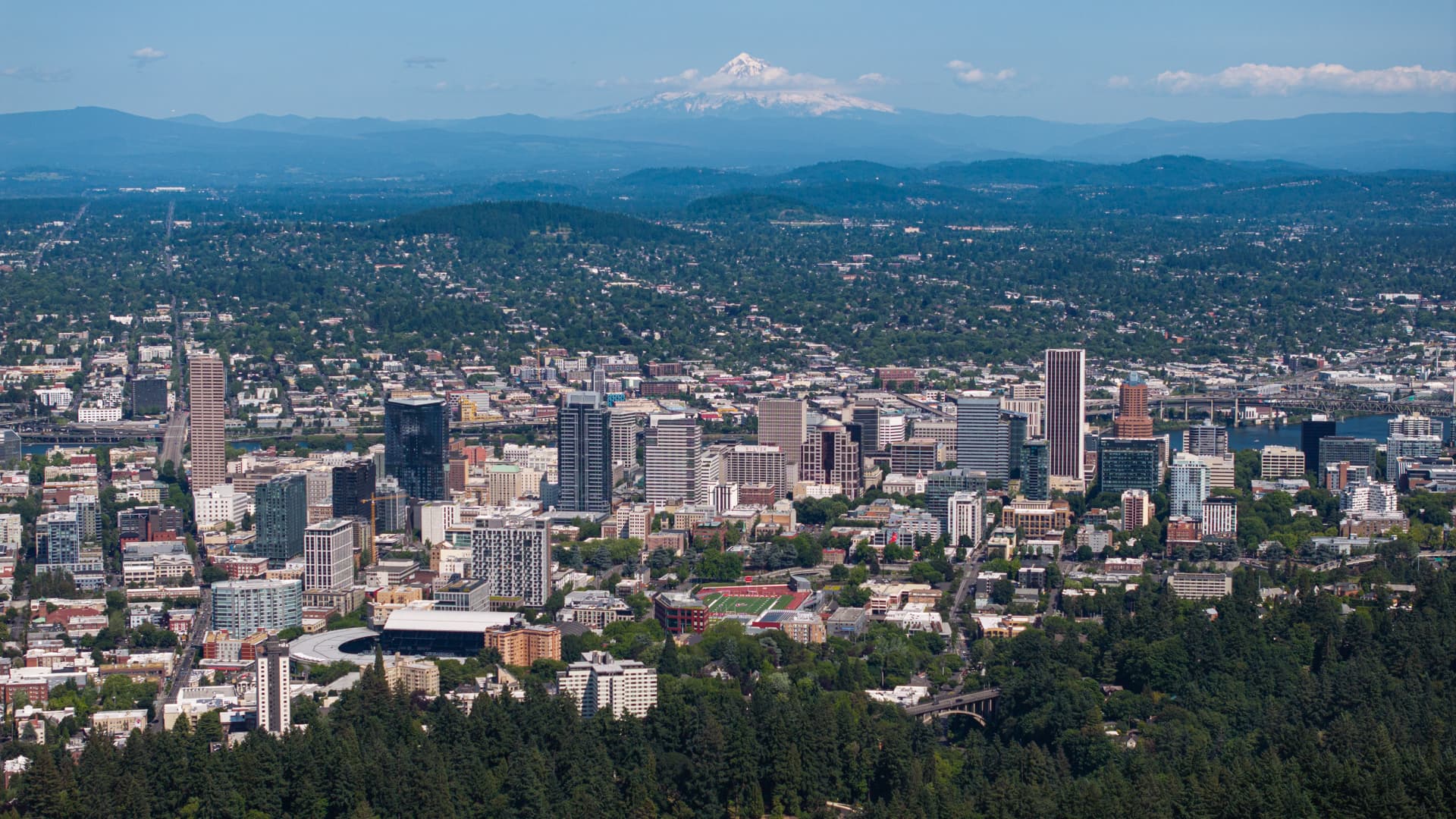
Portland, Oregon, conosciuta come la "Città delle Rose", è un luogo dove la raffinatezza urbana si fonde con uno spirito fieramente indipendente. Situata alla confluenza dei fiumi Willamette e Columbia, con la sagoma del Monte Hood spesso visibile in lontananza, l'ambiente naturale della città è tanto avvincente quanto la sua cultura distintiva. Portland abbraccia l'individualità e la creatività, un'etica racchiusa nel suo motto non ufficiale, "Keep Portland Weird".
Questa città è un mosaico di quartieri diversi, ognuno con un proprio carattere, dal fascino storico di Old Town alla vivace scena artistica dell'Alberta Arts District. L'impegno di Portland per la sostenibilità è evidente nel suo vasto sistema di trasporto pubblico e nella sua reputazione di una delle città più adatte alle biciclette degli Stati Uniti. È una destinazione che incoraggia la scoperta, offrendo un mix di avventure all'aria aperta, cucina innovativa e una fiorente cultura dell'artigianato.
La storia di Portland iniziò nel 1843, quando William Overton e Asa Lovejoy rivendicarono un terreno sulla riva occidentale del fiume Willamette. La denominazione della città stessa fu decisa con un lancio della moneta nel 1845 tra Lovejoy, originario di Boston, e Francis Pettygrove, di Portland, Maine. Pettygrove vinse e l'insediamento fu chiamato Portland. Prima di ciò, l'area era semplicemente conosciuta come "The Clearing".
Entro la metà del XIX secolo, Portland si era affermata come un importante centro portuale e del legname. La corsa all'oro della California alimentò la sua prima espansione, creando una domanda di grano e legname dell'Oregon, gran parte dei quali veniva spedita da Portland. La popolazione della città più che raddoppiò tra il 1900 e il 1910, in parte grazie alla Lewis and Clark Centennial Exposition del 1905, una fiera mondiale che accrebbe la notorietà della città.
Portland guadagnò il suo duraturo soprannome, la "Città delle Rose", grazie agli sforzi di Georgiana Pittock, che fondò la Portland Rose Society nel 1889 e contribuì a inaugurare l'annuale Portland Rose Festival. All'inizio del XX secolo, la città vide l'installazione delle distintive "fontanelle Benson" in bronzo nel 1912, fontane per la temperanza finanziate dal magnate del legname Simon Benson. Durante la Seconda Guerra Mondiale, Portland divenne un centro per la costruzione navale e conobbe un significativo aumento della popolazione, compreso un afflusso di afroamericani. Tuttavia, questo periodo vide anche l'internamento dei giapponesi americani dalla città.
Lo slogan "Keep Portland Weird", sebbene sembri una tradizione di lunga data, fu in realtà introdotto in città nel 2003 dal proprietario di Music Millennium, Terry Currier, ispirato da un movimento simile ad Austin, Texas. Si evolse rapidamente dalla promozione delle attività commerciali locali a un mantra onnicomprensivo che celebra l'individualità, l'espressionismo, l'arte locale e gli stili di vita non convenzionali. Questo motto non ufficiale riflette una comunità che resiste attivamente all'omogeneizzazione e abbraccia il suo carattere unico.
Inizia la tua esplorazione dal Pittock Mansion, uno château in stile Rinascimento francese completato nel 1914. Offre ampie viste sul centro di Portland e sulla Catena delle Cascate, incluso il Monte Hood. La villa, un tempo residenza privata dell'editore di giornali Henry Pittock e di sua moglie Georgiana, dispone di 22 stanze arredate e di un ascensore originale funzionante. Per un assaggio del carattere distintivo di Portland, visita Voodoo Doughnut, un negozio celebrato per i suoi gusti non convenzionali e l'atmosfera unica. Ospitano persino cerimonie nuziali legali. Esplora gli spazi verdi della città, tra cui Mill Ends Park, riconosciuto dal Guinness World Records come il parco più piccolo del mondo, con una larghezza di soli due piedi. Per uno sguardo più approfondito sull'intrigante passato della città, considera un tour dei Shanghai Tunnels a Old Town. Questi passaggi sotterranei, sebbene non sia stato definitivamente provato il loro uso diffuso per il "rapimento" (shanghaiing), offrono uno sguardo su una rete storica di attività illecite e trasporti.
Il periodo ideale per visitare Portland per visite turistiche e attività all'aperto va da maggio a settembre. Durante questi mesi, il clima è generalmente caldo e secco, con piogge minime e bassa umidità. Luglio e agosto sono i mesi più caldi, con massime giornaliere medie intorno ai 27-28°C, e le piogge sono infrequenti. Anche l'inizio dell'autunno, in particolare settembre e inizio ottobre, offre temperature piacevoli e meno folla. L'inverno (dicembre-febbraio) è il periodo più freddo e piovoso, con pioggia frequente e neve occasionale, rendendolo adatto ai viaggiatori con un budget limitato e a coloro interessati alle attrazioni al coperto.
Portland è una città ben adatta all'esplorazione senza auto grazie al suo efficiente sistema di trasporto pubblico. TriMet gestisce autobus, la MAX Light Rail e il Portland Streetcar, che collegano vari quartieri e attrazioni. Sono disponibili pass giornalieri che offrono corse illimitate su questi servizi. La linea MAX Red Line fornisce un servizio diretto per l'aeroporto internazionale di Portland (PDX).
Sebbene generalmente sicura, è consigliabile usare il buon senso, come in qualsiasi grande città. Sii consapevole di ciò che ti circonda, specialmente dopo il tramonto, e considera l'utilizzo di servizi di rideshare per gli spostamenti notturni. La criminalità contro la proprietà, in particolare i furti dalle auto, è una preoccupazione; non lasciare mai oggetti di valore in vista in un'auto parcheggiata. Alcune aree, come parti di Old Town/Chinatown, potrebbero richiedere maggiore vigilanza dopo il tramonto. Attraversare la strada fuori dalle strisce pedonali è legale in Oregon, ma può essere rischioso su strade a più corsie.
Portland — coreano, cinese, ebraico e altre 29 lingue, ogni tappa narrata da una voce madrelingua. La più ampia scelta di lingue tra i tour audio autoguidati.
Disponibile in: