Frente a la costa de Portobelo
El lugar de descanso final de un legendario corsario inglés yace en un ataúd de plomo, justo frente a la costa de Portobelo.
La historia completa se desbloquea en el tour
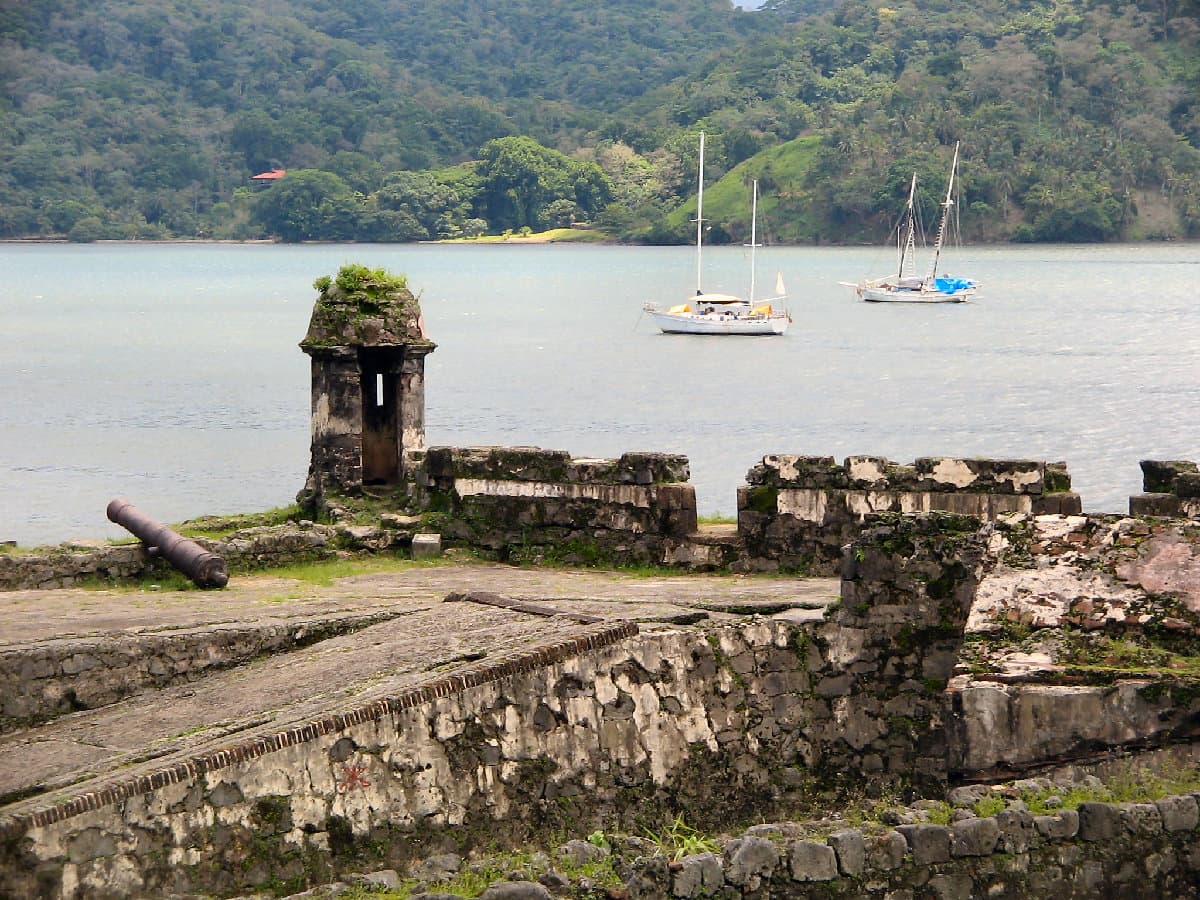 en:User:Tedder / CC BY 3.0, via Wikimedia Commons
Tour de audio autoguiado de Portobelo — ruta GPS a pie, reproducción offline, narración en 32 idiomas.
“Donde las leyendas piratas se encuentran con los ritmos afrocaribeños en la costa histórica de Panamá.”
No las postales. Las historias que ni los locales conocen — al oído, justo donde ocurrieron.
El lugar de descanso final de un legendario corsario inglés yace en un ataúd de plomo, justo frente a la costa de Portobelo.
Este grandioso edificio colonial, alguna vez una bóveda para las fortunas del Nuevo Mundo, fue destruido y reconstruido, pero un detalle sorprendente sobre sus cañones permanece.
Los impresionantes fuertes de piedra que protegían los tesoros de Portobelo guardan un secreto sobre su material de construcción que podría sorprenderte.
Descubre todos los secretos de Portobelo
Cada dirección, cada revelación al completo — a tu oído, justo donde ocurrió.
Eliges tus paradas. Caminas. La voz te revela lo que los demás ignoran.

Tu tour de audioguía por Portobelo te espera — elige tus lugares, tu idioma y empieza al llegar.
ComprarLume incluye una guía de realidad aumentada. Levanta el móvil y su cámara muestra la calle que tienes delante, con una flecha luminosa sobre la imagen real que siempre apunta a tu próxima parada — sin mapas que descifrar, sin giros equivocados. Como todo en Lume, funciona completamente sin conexión.
Portobelo, un pequeño e histórico pueblo en la costa caribeña de Panamá, ofrece un cautivador viaje en el tiempo. Una vez el puerto español más importante de América, sirvió como el punto de embarque crucial para el oro y la plata saqueados de Sudamérica, destinados a Europa. Hoy, este sitio Patrimonio de la Humanidad por la UNESCO es un pueblo tranquilo conocido por sus dramáticas ruinas de fuertes coloniales, vistas costeras y cultura afroantillana.
El nombre del pueblo, que significa "puerto hermoso", fue otorgado por Cristóbal Colón en 1502, cautivado por el profundo mar azul, las playas de arena blanca y el intenso verde de sus bosques y manglares. A pesar de su presente sereno, el pasado de Portobelo es una historia tejida con relatos de inmensa riqueza, feroces ataques piratas y la resiliencia de su gente.
Cristóbal Colón avistó por primera vez la Bahía de Portobelo en 1502 durante su cuarto viaje al Nuevo Mundo, nombrándola "Puerto Bello". Sin embargo, el pueblo en sí no fue fundado formalmente hasta el 20 de marzo de 1597 por el explorador español Francisco Velarde y Mercado. Rápidamente reemplazó a Nombre de Dios como el puerto principal del Imperio Español en América debido a su profundo puerto natural.
Durante más de dos siglos, Portobelo se convirtió en el centro neurálgico del comercio colonial, un vínculo vital en la ruta del tesoro español. Oro y plata de las minas de Perú, transportados por tierra desde la Ciudad de Panamá en el lado del Pacífico, se almacenaban en Portobelo antes de ser enviados a través del Atlántico a España. Esta inmensa riqueza atrajo la atención de numerosos piratas y corsarios, convirtiendo a Portobelo en un blanco frecuente.
Figuras notorias como William Parker (1601), Henry Morgan (1668 y 1671) y John Coxen (1680) lanzaron ataques exitosos contra Portobelo, saqueando sus riquezas y causando una destrucción significativa. En respuesta a estas constantes amenazas, la Corona española construyó una extensa red de formidables fortificaciones alrededor del puerto, incluyendo el Fuerte San Jerónimo, el Fuerte de San Fernando y el Fuerte de Santiago. Estas estructuras defensivas fueron algunas de las ingenierías militares más avanzadas de su época y ahora son reconocidas como Patrimonio de la Humanidad por la UNESCO.
Uno de los eventos más significativos fue la captura de Portobelo por el Almirante Edward Vernon en 1739 durante la Guerra del Asiento. La victoria de Vernon fue tan impactante que calles y lugares en el Imperio Británico fueron nombrados "Portobello" en conmemoración.
La importancia del pueblo comenzó a disminuir después de que España cambiara su estrategia de envío y abandonara el sistema de flotas del tesoro en el siglo XVIII. La construcción del Ferrocarril de Panamá en la década de 1850 y la apertura del Canal de Panamá en 1914 disminuyeron aún más su papel como puerto principal.
A pesar de su declive económico, Portobelo ha conservado un profundo patrimonio cultural, profundamente influenciado por la comunidad afropanameña. Los descendientes de africanos esclavizados, conocidos como "Congos" o "Cimarrones", desempeñaron un papel crucial en el desarrollo de la región y sus tradiciones, expresadas a través de la música, la danza y las ceremonias religiosas, continúan prosperando. La devoción al Cristo Negro, albergado en la Iglesia de San Felipe, es un poderoso símbolo de fe e identidad, atrayendo a miles de peregrinos anualmente.
Portobelo ofrece una mezcla de ruinas históricas y belleza natural. Las principales atracciones son las ruinas de las fortificaciones coloniales españolas, incluyendo el Fuerte San Jerónimo, el Fuerte de San Fernando y el Fuerte de Santiago. Estas impresionantes estructuras, parte de un sitio Patrimonio de la Humanidad por la UNESCO, proporcionan un vínculo tangible con el pasado pirata del pueblo.
En la plaza central del pueblo, visite la Real Aduana, un edificio restaurado que alguna vez sirvió como la casa de contabilidad para las fortunas españolas y ahora funciona como el Museo de la Aduana de Portobelo, destacando la historia del pueblo y el patrimonio afropanameño. La Iglesia de San Felipe alberga la venerada estatua del Cristo Negro, un icono religioso significativo en Panamá.
Más allá de los sitios históricos, el Parque Nacional Portobelo abarca exuberantes bosques tropicales, costas y arrecifes de coral protegidos. Puede alquilar un bote local (panga) desde el muelle de Portobelo para visitar playas solitarias de arena blanca e islas cercanas como Playa Huertas, Isla Mamey o Isla Grande, ideales para nadar, tomar el sol, hacer snorkel y bucear. Las rutas de senderismo a través de la selva tropical ofrecen oportunidades para avistar vida silvestre.
La mejor época para visitar Portobelo es durante la estación seca, que va de diciembre a abril. Durante estos meses, puede esperar cielos despejados, temperaturas cálidas (promediando alrededor de 28-29°C) y mares más tranquilos, ideales para excursiones en barco, buceo y exploración de las playas. La precipitación es la más baja, particularmente en febrero y marzo. Si está interesado en eventos culturales, planifique su visita alrededor del 21 de octubre para el Festival del Cristo Negro. Aunque la temporada de lluvias (de mayo a diciembre) trae paisajes más exuberantes, también significa mayores precipitaciones y un aumento de la humedad.
Portobelo está a aproximadamente 1.5 a 2 horas en coche desde la Ciudad de Panamá. Puede llegar en coche o transporte privado tomando la carretera hacia Colón y luego girando al este en Sabanitas. Los autobuses públicos también son una opción, tardando aproximadamente 2.5 a 3 horas, lo que implica un transbordo en Sabanitas. Los taxis desde la Ciudad de Panamá pueden costar entre $35 y $50.
Panamá utiliza el Dólar estadounidense (USD) como su moneda de curso legal. Es aconsejable llevar efectivo, especialmente billetes pequeños, ya que los cajeros automáticos son escasos y muchos servicios locales, como alquiler de botes y tarifas de entrada, pueden no aceptar tarjetas. El español es el idioma oficial, pero debido a la historia de la zona, también se habla inglés, a menudo mezclado con dialectos criollos locales. Aunque generalmente es seguro durante el día, tenga precaución si viaja a playas cercanas o conduce de noche, y evite caminar solo después del anochecer. Se recomienda agua embotellada para beber.
Portobelo en coreano, en chino o en hebreo — y 29 idiomas más, cada parada narrada por una voz nativa. La mayor variedad de idiomas de cualquier audioguía autoguiada.
Disponible en: