The iconic majolica-tiled dome of Positano's main church holds a secret tied to a storm, pirates, and a divine command.
JeCCo / CC BY 4.0, via Wikimedia CommonsPositano
“Where pastel villas cling to cliffs, and the sea whispers ancient tales.”
Positano, as no one tells it.
Not the postcards. The stories even locals don't know — whispered in your ear, right where they happened.
Positano's picturesque charm conceals a deeper layer of history, literally, beneath its most prominent landmark.
Just offshore, a trio of small islands holds a mythical connection to one of history's most famous epic journeys.
Discover every secret of Positano
Every address, every reveal in full — in your ear, right where it happened.
You pick your stops. You walk. The voice reveals what the others miss.
How long do you have in Positano?
No tours available yet. Check back soon — we're preparing them.
The story of Positano
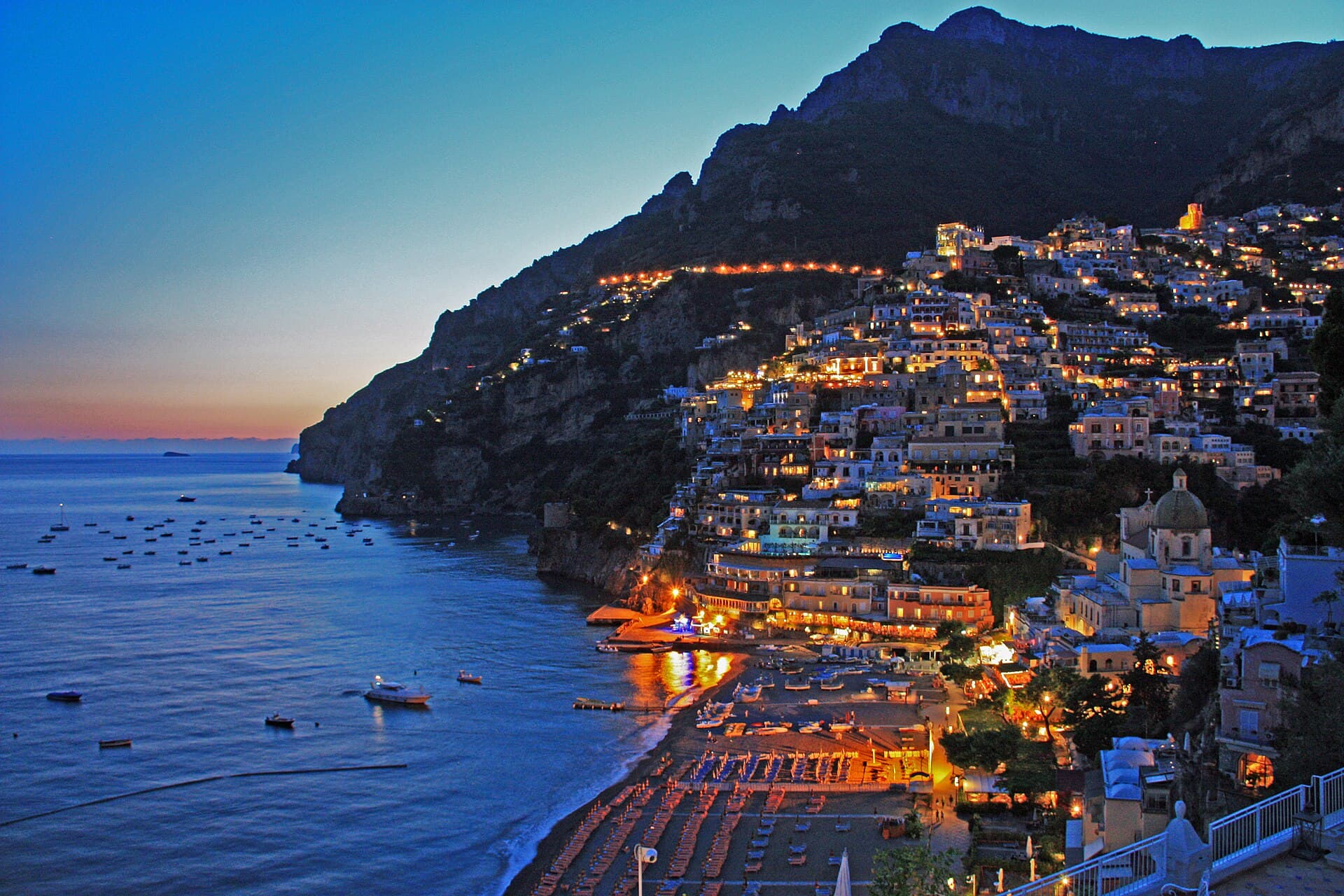
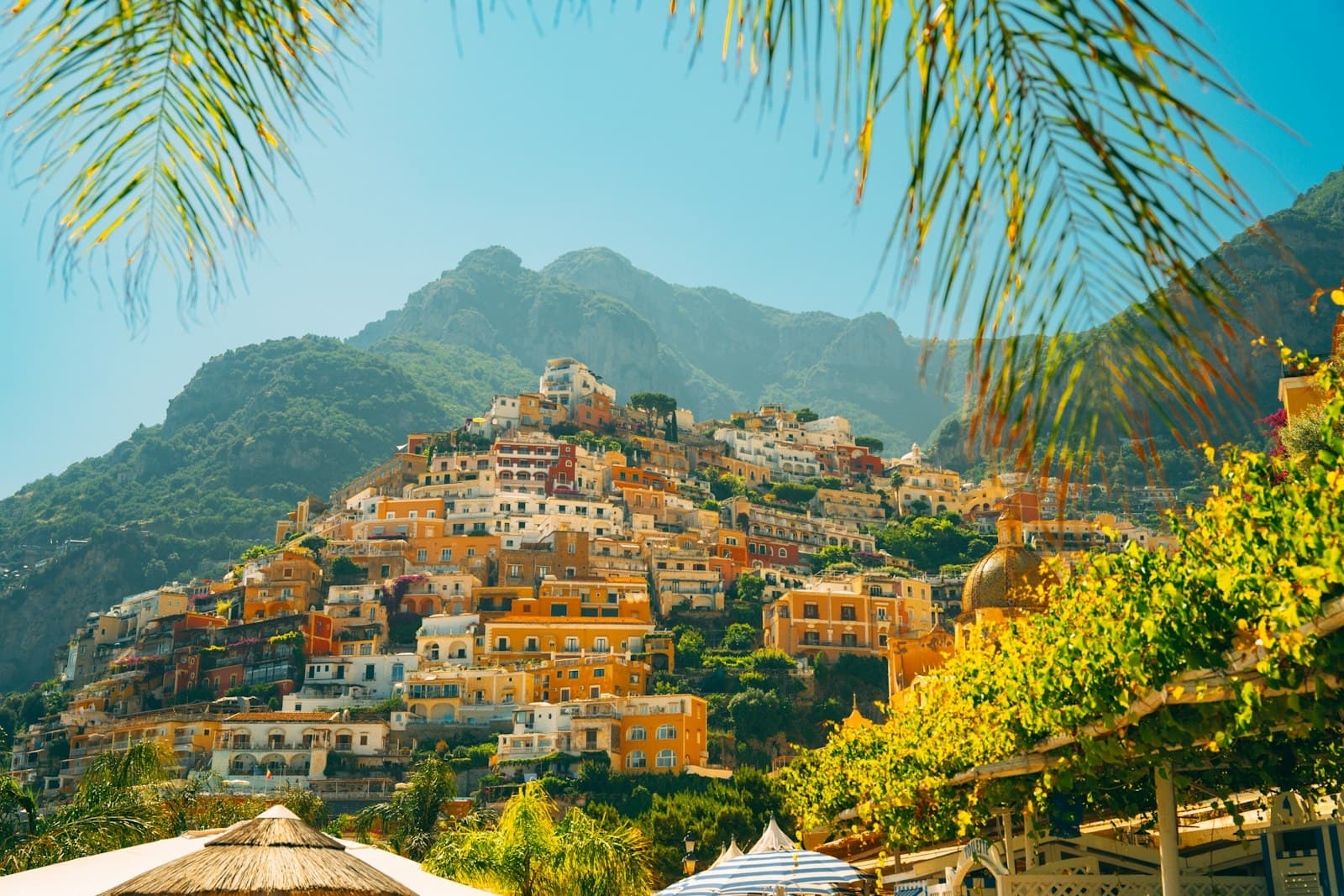
Positano, a vertical city etched into the rugged limestone slopes of the Lattari Mountains, presents a dramatic cascade of pastel-colored buildings tumbling towards the Tyrrhenian Sea. This iconic town on the Amalfi Coast is renowned for its steep, winding pedestrian lanes and terraced homes, which create a unique visual spectacle. From a distance, its rose, ocher, yellow, and purple hues are said to have once guided fishermen back to their homes.
While Positano can be crowded, especially during peak season, staying overnight offers a chance to experience a more serene side of this famous destination. The town's allure has captivated visitors for centuries, from Roman elites to 20th-century artists and writers, including John Steinbeck, who famously wrote that 'Positano bites deep.' Today, tourism is the primary industry, with visitors drawn to its beaches, historic sites, and the unique atmosphere of its cliffside setting.
## From Ancient Settlements to Maritime Power Positano's history stretches back to the Upper Palaeolithic Age, with evidence of early gatherers and hunters found in caves above the town. Legend suggests the Greek god Poseidon founded Positano as a tribute to his beloved Pasitea. More certain is the presence of Phoenician and Greek sailors, followed by the Romans, who began settling around 100 B.C. Luxurious Roman villas were constructed along the coast, with one particularly grand villa discovered beneath the present-day Church of Santa Maria Assunta. This villa, part of the Surrentum area, featured elaborate decorations, including 'trompe l'oeil' curtains with sea monsters and dolphins. The eruption of Mount Vesuvius in 79 A.D. buried these Roman structures.
## Medieval Prosperity and Decline After the fall of the Roman Empire, Positano became a port of the Amalfi Republic, a powerful maritime republic, and flourished through trade across the Mediterranean during medieval times and into the 16th and 17th centuries. The town traded goods like fish and other resources, and under Neapolitan fiefdom, it produced silk and canvas. However, this prosperity was punctuated by periods of decline, marked by attacks from Arabian and Turkish pirates, leading the Positanesi to construct fortified towers for defense. By the mid-19th century, Positano faced hard times, with over half its population emigrating, mostly to America.
## Rediscovery and Modern Tourism For the first half of the 20th century, Positano remained a relatively poor fishing village. Its transformation began in the early 1900s with the arrival of a Russian artistic community. However, it was John Steinbeck's essay 'Positano Bites Deep,' published in Harper's Bazaar in 1953, that truly propelled the town into the international spotlight, attracting artists, writers, and a growing number of tourists. The construction of the SS163 road further connected Positano to the rest of Italy, making it more accessible. Today, Positano is a world-renowned destination, recognized as a UNESCO World Heritage site since 1997, drawing visitors with its unique beauty and character.
Positano's main sight is the Church of Santa Maria Assunta, with its distinctive majolica-tiled dome visible from across the town. Inside, you'll find a 13th-century Byzantine icon of a black Madonna. Directly beneath the church lies the Museo Archeologico Romano (MAR), offering a glimpse into an ancient Roman villa buried by Vesuvius. Fragments of original architecture and decorations, along with multimedia displays, illuminate Positano's Roman past.
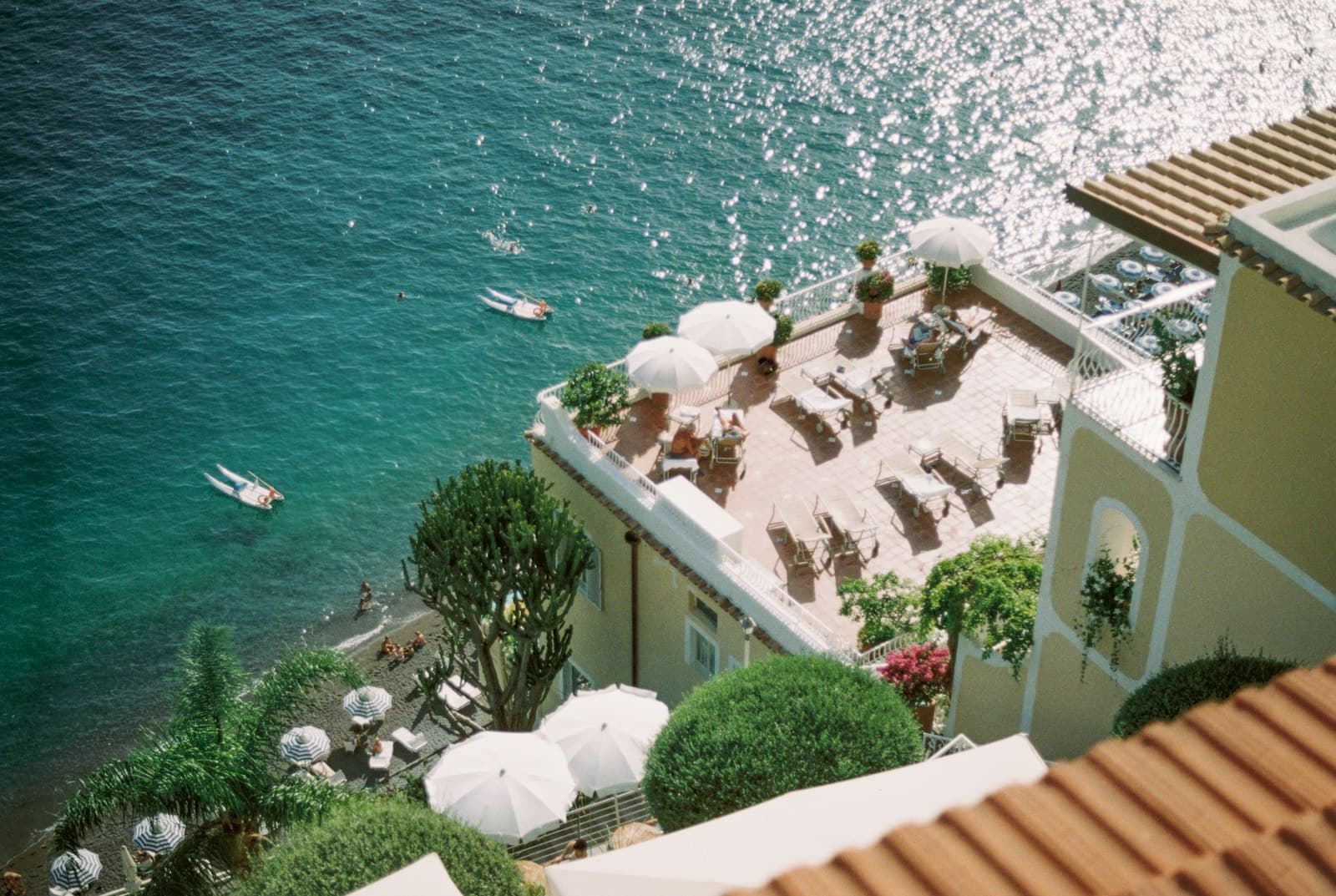
The town's main beach, Spiaggia Grande, sits at the base of the cliffside. For a quieter experience, walk along the Via Positanesi d'America coastal path to the smaller Fornillo Beach. Explore the labyrinthine pedestrian streets, where you'll find artisan shops and boutiques. Consider a boat trip along the coast to appreciate Positano's vertical panorama from the sea, or venture to the Emerald Grotto between Positano and Amalfi.
Positano enjoys a mild Mediterranean climate with warm, dry summers and cool, wet winters. The best time to visit is during the shoulder seasons: late April to early June and September to October. During these months, temperatures are pleasant (ranging from 13°C to 26°C), rainfall is lower, and the sea is warm enough for swimming. You'll also encounter fewer crowds than in the peak summer months of July and August, when temperatures can reach 24°C to 30°C and the town is at its busiest. Many hotels, restaurants, and beach clubs close during the low season from November to March.
Positano's unique geography means it's built on steep hills with endless stairs, so comfortable shoes are essential. Only one street in Positano allows motorized traffic; the rest are narrow pedestrian lanes. Consider staying mid-hill for a balance of views and easier access to the beach and shops. Booking accommodations and popular restaurants well in advance is highly recommended, especially for visits between May and September.
Getting to Positano is often part of the adventure. There are no train stations directly on the Amalfi Coast. Instead, opt for ferries from Naples, Sorrento, or Amalfi for a scenic and affordable journey, particularly during summer months. Buses are also available, and private transfers are a stress-free option from Naples or Rome airports. Parking is limited and expensive, so driving yourself is not advised. Many hotels do not have direct car access, so pack light or consider hiring a porter service for luggage. While cards are widely accepted, having some cash on hand is useful for smaller shops or beach clubs.
- How do you get around Positano?
- Positano is a 'vertical town' with many stairs and pedestrian-only paths. The best way to get around is on foot. For longer distances or to reach other towns, ferries (seasonal), local buses, and private transfers are available.
- Is Positano expensive?
- Yes, Positano is considered one of the more expensive towns on the Amalfi Coast. Prices for hotels, beach clubs, and restaurants can be high, especially during peak season.
- What are the main beaches in Positano?
- The main beach is Spiaggia Grande, located at the base of the town. A smaller, quieter beach called Fornillo can be reached via a coastal path.
- What is the best time of year to swim in Positano?
- The sea temperatures are ideal for swimming from June to October, with temperatures typically 23°C or above.
- Is it possible to visit Positano as a day trip?
- Yes, many people visit Positano as a day trip. However, staying overnight allows for a more serene experience, particularly in the mornings and evenings when crowds are thinner.
- What is the climate like in Positano?
- Positano has a mild Mediterranean climate, characterized by warm, dry summers and cool, mild winters. The Lattari Mountains provide protection from cold northern winds.